

A sleepy town called Bodo and a Maelstrom at Saltstraumen (2026)
Even seasoned travellers are unaware of this beautiful spot called Bodo tucked away in the corners of Norway. Here is how I explored this sleepy town – everything from how to reach and what to do here.
We’re a bunch of restless people. Only when Instagram proves a destination is amazing or a blogger endorses it do we start drooling over the location and packing our bags!
Unless travel is the thing that consumes us completely, and it doesn’t matter where we land!
As I delve further into the world of blogging, I can’t put an amount to the number of world travellers out there. Many who’ve quit their job, many on an endless journey. Many support only the beautiful lands because we’re also visual people. Yet, as always, beauty lies in the eye of the beholder!
In this endless yet capsule sized world of ours, a lot of us sometimes miss out on the small and significant corners, that ask you to do but 1 thing – ‘slow down’.And that is precisely what you will realize when you visit Bodo.

Saltstraumen Bodo Norway
I hadn’t heard of the fishing town of Bodo and given a chance I’d never prioritize it it over Bergen, Kirkenes, or Trondheim. But I had to include it in our plan, our ship left from Bodo to get to Tromso. Bodo is also a pit-stop for a lot of travelers on their way to the Lofoten Islands. A 3 hour ferry gets you to Lofoten.
Like a lot of travelers, I was the person who was forced to take a detour due to unavailability of transport options. It was the Holy week. Transportation was limited. Bodo was included.
I’d expected snow in April and was greeted with flurries in Bodo. I spent hours by the window, sipping coffee and staring at the archipelago covered in snow, white mountains staring at me from the distance.

After I’d finally got cosy, I decided it was time to step out, take a walk and get some Reindeer meat for dinner. After braving the cold for an hour 10 minutes, I realised the whole city was shut, and the only restaurant open, was the one, at the hotel we were staying at! Good choices! So after I had one of the most simplest and most expensive meals of my life, I decided the next day would be the day I explored Bodo.
Another day had passed and the snow ensured I wouldn’t see any polar activity. I called it a day.
The next morning, it was even whiter than the day before. After breakfast [which was thankfully included in the stay] I stepped out, this time determined to last longer.Locals had left the town to get together with relatives for Easter, other’s weren’t interested in exploring a part of their own city.
We had the whole city to ourselves!
We proceeded for a free tour of the city! After taking a walk by the harbour, we continued on the biggest path that wasn’t completely covered with snow. The road didn’t lead us to Bergen but it did lead us to some equally colourful houses, adjacent to a bright ochre museum.
The colours were in stark contrast to the white wonderland around.

The Nordland Museumwas one of the few buildings that had survived the bombing in the 2nd World War. The entry fee was NOK 50 per person and it housed an interesting exhibition on the Lofoten Islands and the Sami people. That would have been interesting! Nevertheless, being shut I entered the Bodo Domkirke [Cathedral] and spent some minutes in silence and prayer. We returned back to the harbor and asked the receptionist at the hotel if she’d recommend anything more! Apparently we’d seen everything that Bodo had to offer!
Post lunch we proceeded to Saltstraumen, the strongest Maelstrom in the world! A Malstrom is a Nordic word that defines a powerful whirlpool. En-route we passed by the Aviation Museum, another place in Bodo worth a visit. An hour later we’d reached Saltstraumen.

It’s important to know the timing of the tidal current to watch the power of nature at work. Every 6 hours, water is forced through a narrow strait at crushing speeds reaching up-to 37 kmph. Large vortices as wide as 10 kms in diameter were a spectacle as I watched by the shore.


Someone in the group gasped every-time a Sea Eagle flew overhead. Sea Eagles are a common sight in Bodo.
Snow had turned to rain and after spending a couple of hours watching sea gulls trying to catch fish and fighting against the current, it was finally time to head back and catch our ship to Tromso.
When it’s a tiny city and you ask for recommendations, everything is a must-do! However it’s cities like these that make you throw the map, wander and revel in the beauty of nature!
PRACTICAL DETAILS
Additional details to get to Saltstraumen – Bodo, Norway
-
Bodo is one of the closest ports to get to the Lofoten Islands
-
Ferries operate every few hours to get to the Lofoten Islands
-
Norwegian and SAS operate flights out of Oslo to get to Bodo
-
There are trains that connect Oslo and Bodo. It takes 18 hours! From Trondheim it takes 10 hours.
-
If you wish to visit Saltstraumen, unfortunately public transport isn’t great between Bodo and Saltstraumen. Your best bet is to get in touch with the hotel you’re staying at and speak to them about a day trip to Saltstraumen
-
Saltstraumen is located at-least an hour away and hence prices vary from £30 to £50 per person for a trip that lasts at-least 3-4 hours
-
In addition to the Bodo Domkirke, The Aviation Museum and the Nordland Museum, you could also pay a visit to the Kjerringoy Trading Post located about an hour and a half from Bodo
-
Mjelle is a lovely beach that is located en-route to the Kjerringoy Trading Post an dis a great location to watch the midnight sun!
-
Another great experience is to explore the ancient glacier of Svartisen! However it is quite far from Bodo and would require you to drive down. Dedicate an entire day for the same.
ADDITIONAL READS
Looking for more offbeat cities and villages to explore? Have you heard of Pals in Spain?
Have you been to any places no one’s ever heard about! Please tell me too! 🙂

PIN FOR LATER!

EXPLORE MORE OF EUROPE

Some of the links on this post are affiliate links. These do not cost you extra to use, but will help provide Continent Hop with a small commission if/when you purchase through them, to recover some of the costs of running this website and providing free content to help you plan your travel. I appreciate your support!

Spain In A Week : 8 Ultimate Itineraries For 7-Day Spain Trip (2026)
Welcoming everyone from backpackers to billionaires, Spain is the country for all, where every day is a fiesta. So, get ready to explore the best of Spain in a week with these 7-day Spain itineraries.
Spain is as diverse as any country can be. Home of Pablo Picasso, a haven for football enthusiasts, and a paradise for food lovers – it is everything a traveller can ask for in Europe!
That is why it is a daunting task to find the perfect itinerary for Spain in a week. So, to make trip-planning easier for you, here I am – with not one or two, but with whooping eight detailed Spain itineraries!
Be it churches, beaches, museums, adventure activities, food tours, or nightlife, you will find a perfect combination of everything in these Spain trip plans. This Live Flamenco Performance in Madrid was especially breathtaking!
So, get ready to soak in the Spanish culture, and you will leave a piece of your heart behind in the lanes of Spain!
PLANNING YOUR SPAIN IN A WEEK TRIP | THE ESSENTIALS
Top-rated tours in Spain:
- Barcelona: Sagrada Familia Entry Ticket with Audio Guide
- Seville: Royal Alcázar Entry Ticket
- Granada: Alhambra & Nasrid Palaces Tour with Tickets
Best hotels in Spain:

Outline of Spain in a week itineraries
Itinerary 1
Day 1-3: Barcelona
Day 4-5: Granada
Day 6-7: Seville
Itinerary 2
A week with major cities and day trips
Day 1-2: Barcelona
Day 3: Girona
Day 4-5: Granada
Day 6-7: Madrid
Itinerary 3
A week along the coast
Day 1-2: Santander
Day 3: Pamplona
Day 4: Oviedo
Day 5-7: Regions in Cantabria
Itinerary 4
Barcelona and Catalonia
Day 1-2: Barcelona
Day 3: Girona
Day 4: Costa Brava
Day5: Pals
Day 6: Calella de palafrugell
Day 7: Tossa de mar
Itinerary 5
A week in northern Spain
Day 1: Bilbao
Day 2: San Juan de Gaztelugatxe
Day3: Cantabria
Day 4: Oviedo
Day 5: Cudillero
Day6: Gijon & Oviedo
Day 7: Oviedo to Bilbao
Itinerary 6
A week in Southern Spain/Andalucia
Day 1-2: Seville
Day 3: Cordoba
Day 4: Ronda
Day 5: Antequera
Day 6-7: Granada
Itinerary 7
Basque region itinerary
Day 1: San juan de gaztelugatxe
Day 2: Bakio
Day 3-4: San Sebastian
Day 5: Day trip from San Sebastian to Bilbao- Guggenheim Museum Bilbao, Beach of La Concha, and Gaztelugatxe
Day 6-7: Bilbao
Itinerary 8
A week with Andalucia highlights
Day 1-2: Granada
Day 2: Seville
Day 3: Malaga
Day 5: Cordoba,
Day 6: Ronda
Day 7: Cadiz/marbella


Detailed Itineraries for 1 week trip to Spain
Itinerary 1 – Barcelona-Granada-Seville
This is the very first and one of the best itineraries if you are considering exploring Spain in a week for the first time.
This itinerary covers the major tourist attractions from the three main cities in Spain, namely Barcelona, Granada and Seville. It is suitable for all, even if you are travelling along with your family.
Check out this food guide about tapas in Spain to know which Spanish cities offer what kind of dishes.
With this travel plan followed, a sack full of Spain’s best memories is promised! Barcelona is considered to be the starting point in this itinerary, where you will need to arrive from your city. Here’s a complete guide to the #1 Sample of 7 days in Spain itinerary.
Barcelona (3 days)
How to get to Barcelona?
By Air/By Sea– Depending on which country you are coming from, you can choose to travel to Barcelona. There are flights available from major cities of almost all countries to Barcelona.
The airfares are cost-effective and worth it! You can get luckier if you buy your air tickets a few months in advance or get some mind-blowing offers on air tickets.
Once you arrive at Barcelona International Airport or the EI Prat airport, here’s how you can get to the city centre:
Airport Bus– You can choose to take the airport bus, which goes from Terminal 1 to the Plaza Espanya.
Further, depending on how far your hotel room is, you can choose to take a walk or a metro. Metro can help connect you with an area near your hotel.
Cab Service– Hiring a cab service starting from the airport can be the most convenient option.
Especially if you are too tired after hours of travelling, a cab dropping you at your doorstep would make perfect sense.
If you are a traveller with some heavy luggage brought along with you, do not have second thoughts about hiring a cab. You can book a cab online or directly from the airport.
Metro– The connectivity through the Metro is great in Barcelona! Travelling by Metro in Barcelona city is convenient, easy and most importantly cost-effective.
Taking a metro from the Airport metro line(L9 Sud) to your hotel can cost you less than 6 euros.
You can also purchase a 3-days Metro pass and save a whole lot of cost by choosing Metro as the mode of transport to explore the city.
Make sure you do some basic real-time research on cost, timing, and starting points to avoid last-minute surprises and, hence, the inconvenience!
Also, it becomes necessary to safeguard your precious belongings from theft during transit.
Places to stay in Barcelona
Barcelona is a beautiful city with several attractive stay options spread across its geography. As a traveller, choosing to live close to any of the metro stations can prove to be convenient.
Or you can also choose a hotel near to the city centre, where public transportation would be easy.
Luxury Stay – If you wish to make your stay superlative, here is the top hotel you might want to consider:
Le Meridien Barcelona– Situated near a few major attractions in Barcelona, the major highlight of opting for Le Meridien for your stay is, the luxury and comfort it offers. It is situated at a distance of approximately 12km from the international airport.
Budget Stays – Here are a few budget stay options that are good, comfortable and family-friendly as well:
Yeah Barcelona Hostel – This is one of the most top-rated and cost-effective stay options in Barcelona. It has more than 30 major and minor tourist spots, and two major metro lines in its vicinity.

What to do in Barcelona
Day 1 – Barcelona
On day one, it’s always a good idea to take things slow and save up some energy for your 1 week in Spain itinerary. There’s going to be so much on your plate and you got to be charged up for the whole week that stands before you!
While you would invest half your day to settle down in the city after long hours of travel, spending the remaining day a bit more relaxed is recommended. Not that, you will pocket too many major attractions of the city, but you sure can touch a few streets and cute places to stretch yourself a bit!
The Streets of La Rambla– You can start the second half of your day by walking around the streets of La Rambla. These streets are very well-known for the versatility they offer.
You will be more than amazed by the shops filled with thousands of tiny and huge things, from toys to hats, to souvenirs to artefacts. You can buy a few pretty-looking things for yourself and your loved ones.
Explore local cuisine– While you wander, don’t miss out on the cute coffee shops, cafes and restaurants. Not only will you get to taste some authentic cuisine on the roadside stalls and cafes, but you will also love the environment they have created for their visitors.
The beauty of La Rambla’ll wow you as the evening gets closer and the street busier.
Bunkers Del Carmel – If you are a sunset person, you can take a local bus or a metro toward Bunkers Del Carmel (locally known as Bunkers). It is an antiaircraft base set up back in the 20th century during the Spanish Civil War.
Currently, it is a hangout place, and you’ll find people of all age groups gathered to watch sunsets and spend some relaxed time. You can carry some snacks along with a camera to capture some good sunset snaps.
Though the place is open till late evenings, you may choose to return early soon after sunset. Back to La Rambala, you can have a tasty dinner at a lovely looking place and call it a day!
Day 2 – Barcelona
Barcelona is beautiful, and Antoni Gaudí who brought beauty to it with his fabulous architecture.
Barcelona is filled with a number of sightseeing places that are highly aesthetic. Day 2 is going to be a day dedicated to appreciating Gaudí’s contribution to building the major highlights of Barcelona.
You may take public transport services like buses and metros to move from one place to another at your convenience, though all the means are equally cost-effective and efficient.
Sagrada Familia– This is one of the most famous and the most visited place in Barcelona. It is actually a half-built church and is regarded as the pride of the city. You can take a metro from the nearest station to your hotel, which will drop you right next to the church.
A quick story of Sagrada Familia is that its construction began back in the 19th century, right after Antoni Gaudí designed its finest architecture. The construction took a pause over the years since it lost Gaudí’s design soon after his untimely death during the Spanish Civil War in 1939.
Though the project has been handed over to a number of architects after Gaudí, the church is still an epitome of architectural beauty in Barcelona, which you must visit for sure.
Since the place is heavily crowded in the later hours of the day, it is recommended to start your day from here.
Arc de Triomf Barcelona– Once you have spent enough time appreciating Sagrada Familia, it’s time to head to Barcelona’s iconic landmark. It is known to be the entrance to Barcelona World Fair and later a gateway to modern Barcelona during the 19th century.
Visiting this place will amaze you for, it’s one of the finest architecture in the city filled with amazing symbolic art of sculptural motifs built in brick.
After completing Arc de Triomf, you might want to head for lunch. After lunch, you will be heading to some more beautiful creations by Gaudi.
Casa Mila & Casa Batlló– Both these monuments are located on Passeig de Gracia street. It is known to be the most expensive street in Barcelona. Casa Mila is known for its ahead-of-the-time architecture with a stone facade, unique design techniques used and the underground garage.
Casa Batlló was built for the Batlló family under the guidance of Gaudí and is popular for its finest form of design and artistry.
You must not miss visiting these two places while on the Passeig de Gracia. After which, you can surely proceed to shop your heart out since there are exclusive shopping options available all over.
By the time you complete exploring the attractions on Passeig de Gracia street, you make want to sip a drink or a cup of coffee!
Park Güell– Now that you have explored a day full of Antoni Gaudí’s work, it’s time to spend the evening too with Gaudí!
Visiting Park Guell can be like a cool-down regimen for you physically. Today, it’s a beautiful and calm green place with stunning mosaic art. It is best known for sunset viewing and evening walks.
You may be left overwhelmed by Gaudí’s unwavering architectural skills that he has put into the design of these more than amazing monuments in Barcelona. And it might not be wrong to call Barcelona, Gaudí’s city! With Park Guell, you must be done with enough exploring for the day!
Day 3 – Barcelona
Depending on how much you wish to explore more, you can choose your third day in Barcelona to be as busy as you want! This day is more about exploring the other side of Barcelona to appreciate some historical facts and events.
For this day, you can opt for hop-on and hop-off tours available in the city.
Montjuic– It is known to be the tallest hill in the city. There are several monuments in its vicinity that were built in 1929.
Montjuic was the location of the international exhibition and the Olympics. You can explore these and other monuments of Montjuic for half a day. You may want to visit the Estadi Olimpic, the stadium of the Olympics, and a large garden named Palau Nacional.
You can even take the hop bus to have a hassle-free journey towards the top of Montjuic to watch the birds’ view, which is popular. After Montjuic, you can have a good lunch and head to explore one of the following two as per your interests.
Camp Nou or The Museu Picasso– If you are a football fan, you must definitely visit Camp Nou for a few hours. You can spend a couple of hours exploring the stadium, amusement parks and nearby villages.
If you are an art lover, you can explore the art museum named The Museu Picasso. It has an art collection of more than 5000 artefacts created by the world-famous Spanish artist Pablo Picasso.
You can later head toward the Gothic Quarter to explore some more modern attractions of Barcelona. You may find some iconic restaurants, bars and clubs. You can spend a relaxed evening at any of these beautiful places and pack up once you enjoy a tasty dinner.

Granada (2 days)
After completing the first three days of your 7 days in Spain itinerary, it’s time to head to another amazing city in Spain- Granda!
How to get to Granada
While there are a number of options to get to Granada from Barcelona, let’s discuss the most convenient and cost-effective options.
By Air– You can take a flight, starting from Barcelona El Prat Airport toward Granada. The flight ticket may cost you anywhere between 80 euros to 210 euros depending on the day of booking.
Also, the tickets tend to be slightly on the higher side if it’s the peak season for tourism in Spain. The flight is approximately a four and a half hour journey. This is the easiest and the most convenient option to get to Granada.
By Train– Barcelona to Granada is a six and half hour journey starting from Barcelona- Sants. You will need to change the train at Ciudad Real Central. You can choose a train schedule as per your convenience and enjoy a nice train journey toward Granada.
Other options– You can even choose to self-drive, hire a cab or opt to travel by bus from Barcelona to Granada. However, getting to Granada by any of these travel options is lesser convenient as compared to that the flight and train and also requires more time to commute.
Places to stay in Granada
Here are the two best-picked hotels in Granada.
Hotel Casa 1800 Granada – This is one of the top-rated properties in Granada. It is located in a 16th-century historical building and is known for its antique ambience.
The hotel is luxurious and decorated with unique and artistic furniture to make your stay one of a kind. The rooms are beautiful, comfortable and cosy. There are a number of tourist attractions nearby to the hotel, which makes it a great pick!
Palacio de Santa Ines– It is a budget-friendly property to stay at when in Granada. It amazes you with its amazing infrastructure. Fountains, artistic decorations and lavishness with elegant rooms make your stay a good one.


What to do in Granada
Granada is popular for its rich history and culture of over 700 years. The city is filled with varied tourist attractions and is a must-visit for you as a part of your one week in Spain itinerary.
Day 1 – Granada
Depending on the hour of the day you reach Granada, choose to have a nice breakfast or lunch at one of the nicest cafes near your hotel. Later, you can begin to explore the city of Granada.
Albayzín– It is a place that depicts the oldest Muslim culture. This place has narrow cobbled streets and carmen houses alongside. There are ample gardens of greenery all around.
The place offers free walking tours from Plaza Nueva in the afternoon. If you opt for one of these tours, you will get to know the details of Albayzin’s history, culture, facts and so much more that you would not have been able to find by yourself.
With the recommendation of the walk guides, you can head to a tapas place and enjoy an authentic tapa dish while in Albayzin.
The Flamenco Show – Flamenco is a dance style of southern Spain, Granada is known to have the best-of-the Flamenco artists in Spain. Flamenco shows are organised at various locations, including caves and open grounds, across Granada.
Attending one of these shows while you are in Granada is highly recommended. You can choose to book a show nearby to your hotel or choose a top-rated Flamenco show which includes dinner to make your evening a memorable one.
A Rooftop Drink– You can choose to end your day with a drink at a fancy and a cosy rooftop restaurant in the serene tunes of music. The rooftop restaurants in Granada are very thoughtfully lit and offer unmatched comfort and calmness!
Day 2 – Granada
Granada is a city full of historically rich heritage. It is next to impossible to explore the whole of Granada. However, on Day 2 at Granada, we shall try to cover as many highlights as possible of the city.
You can begin with having a nice breakfast at Café Lisboa since it is very well-known for its versatile and tasty menu. You can have authentic Spanish cuisine or prefer any of your favourite dishes from the menu.
Remember to have enough since your day is going to include a lot of exploring on foot.
The Cathedral of Granada– It is known to be the fourth largest Cathedral in the world.
The Cathedral of Granada is one of the finest architecture in the world and was built in the vicinity of an old mosque as ordered by Queen Isabella in 1523. The entry tickets to the Cathedral costs around 5 euros inclusive of an audio guide.
Old Silk Market – After exploring the Cathedral of Granada, you may want to shop a bit! Granada’s Old Silk Market is famous for silk and tea. You can explore the bazaar to buy some authentic spices, tea varieties and silks. You can then head toward a restaurant to have lunch.
Sacromonte Neighbourhood tour – This place is going to have your heart, especially if you love antiques. In the neighbourhood of Sacromonte, you will find people living in caves.
It’s extremely interesting to see how beautiful these little homes are! Buying a ticket worth a euro can give you a chance to have a look at these tiny beauties!
Mirador San Miguel– It is a beauty-filled sunset point which you can visit on your way back to the hotel. Situated on the upper streets of Sacromonte, Mirador San Miguel gives a panoramic view of Granada city. It is overwhelming to watch the city from the height and to get that perfect snap for your Instagram!
On your return to the city, you may want to stop by for a relaxing drink followed by a dinner at a well-known restaurant in the vicinity of your hotel before you wave a final goodbye to Granada!

Seville (2 days)
After your two days in Granada, it’s time to head to Seville. Seville is known to be the largest city in southern Spain. It is totally worth it to visit Seville as a part of your 7 days in Spain itinerary for its fascinating beauty, history and culture.
How to get to Seville
Considering you are based in Granada, you can either choose to travel on the night of Day 5 or start toward Seville the next morning. You will need to do some real-time research while you are in Granada. You can consider the following options to reach Seville.
By Air– This is the most convenient option to reach Seville from Granada. It is just a 2.5 hours journey and you can start from Granada airport and get off at Seville airport.
The flight is direct and the frequency is good, however, it is recommended to book your flight tickets in advance to avoid higher fares. Usually, the cost per person for the journey is 130 to 160 Euros.
Though this option is easy, it happens to be the most expensive one. You can travel by other means of transport at a comparatively lower cost.
By Bus– Starting from Granada, there’s a bus leaving at around 10:00 hours. It is the most convenient bus schedule since it is a direct one. It takes approximately 3.5 hours for the journey and costs between 20-40 Euros.
By Train– There are several schedules available throughout the day if you wish to travel by train to Seville. The journey is of 3 hours approximately and costs you 20-30 Euros.
By Ride-Share– This option costs the least from 10 to 15 euros and takes almost 3.5 hours to reach Seville. You can find rideshare by discussing it with fellow travellers or have a look at BlaBlacars or other local apps.
Self-drive– This travel option is convenient but expensive and sometimes can turn out to be tiresome. It takes around 3 hours to reach Seville and costs somewhere around 50 Euros on one side.
Places to stay in Seville
Seville is a city of brilliance all over! You can find everything you need and of every type. You can easily find stay options that are ultra-luxurious or luxurious or budget-friendly. Here’s a list of the top 3 places to stay in Seville, that are budget-friendly, family-friendly and amazing!
Hotel Posada del Lucero– Situated at the heart of the city, the place offers a romantic setting for its visitors. It is well-decorated, spacious and equipped with modern amenities to make your stay comfortable and memorable. The best places to visit in Seville are close by and the location makes your travel in the city convenient.
Hotel Seville Centre– This hotel is the best fit for you if you are on a trip with your family or have come on a business tour. The hotel rooms are decent, well-decorated and comfortable. It is a perfect place to choose if you wish to spend time indoors rather than exploring the city.
Hotel Dona Maria– This hotel place offers value for money, comfort, and convenience to its visitors along with its beautiful ambience and amenities. Many attractions in Seville are situated nearby making it the best pick while you are in Seville.

What to do in Seville
By the time you reach Seville, you will be looking forward to spending day 6 of your 7 days in Spain. You must be wanting to have the most of Spain, undoubtedly!
But it will be time for you to remember that, you already have had much, and that you still have a lot to do!! Exploring Seville for the next two days will surely be memorable and incredible! Here’s a complete plan considering you start your day afresh in Seville.
Day 1- Seville
You can start your day by having a nice breakfast at one of the cafes near your hotel. You may then proceed to explore Seville.
Seville Cathedral – You can never have enough of the Cathedral of Seville! It is an epitome of fine architecture, beauty and magic. You will be fascinated with its beauty while you explore its vastness.
The place is regarded as a World Heritage site and is a definite must-visit while in Seville. The place offers a rich opportunity for photography and videography and you will thank yourself forever to have visited here. It is recommended to visit the Cathedral in the early hours of the day as it gets crowded later.
Real Alcazar of Seville – The place is a royal palace of Spain and is considered the most beautiful place to visit in Seville, Spain. The royal family of Spain continues to reside at Real Alcazar even today.
It is one out of few on the list of UNESCO’s world heritage sites. You can have a look at the lavish rooms and brilliantly designed gardens in the palace and have the best pictures of yourself here!
Streets of Santa Cruz – By now, you must be overwhelmed with the beauty of Seville and a bit exhausted with all the on-foot exploring. You may stop by for lunch at any of the good restaurants before you head to the streets of Santa Cruz.
The streets are meant for walking around and gazing at the beauty of orange trees and white buildings all around. It is a beautiful site to be at and appreciate the beauty of Seville’s magnificent history.
Parque de María Luisa– After a long day of exploring Seville, it’s time to slow down a bit and relax. Parque de María Luisa is a beautiful park placed to the south of the historic centre. You can feel the cool breeze and calmness or even meditate in the calmness of the surroundings!
Day 2 – Seville
Plaza de Espana– This place is the most visited and the most popular destination in Seville. And, you couldn’t help but agree with the fact that the popularity is quite well-deserved. The plaza is a huge oval-shaped monument with extreme precision and fineness.
It is surrounded by a moat canal and demonstrates brilliant tilework. The plaza has been featured in the world-famous movies Lawrence of Arabia and Star Wars: Attack of the Clones.
Metropol Parasol– The place is one of the recent additions to the tourist attractions of Seville. It is worth spending an hour or two at the Metropol Parasol for its modern wooden structure.
It is very popular across the globe for its waffle-shaped design which is high above the city centre. The beauty of the place is that it is fascinating to watch the view from both, below and above it.
Real Maestranza Bullring – It is recommended to visit this place if you were ever fascinated with bullfighting. You may not be lucky enough to witness the bullfighting while you visit, but you sure can have a look at its history.
You may keenly get to know the sport of bullfighting and imagine, how it would feel to be a part of it!
Guadalquivir Riverfront – Once you are done exploring you can spend some alone time at the riverfront. There are a number of palm trees lined up that make the place beautiful to be at. You can skip this option if you are running out of time!
Toro del Oro– It is a twelve-sided tall tower that used to be a watchtower of the city. It was built by the Moors in the 1200s and served the governance purpose of the royal families. The modern-day view of Toro del Oro is calm and beautiful and is home to a naval museum.
Apart from that, you can also reach the top with some amazing photographs and videos.
Flamenco Bars – If you have missed visiting one in Granada, you can make your visit here in Seville. Seville has some amazing Flamenco Bars with tasty dinner menus and a great ambience. You can have a fulfilling dinner and call it a day by recalling your amazing 7 days in Spain!

Itinerary 2 – A week with major cities and day trips
This is a perfect 7 days in Spain itinerary to choose from if you wish to explore almost all significant places in Spain. It is a week in Spain itinerary that includes exploring 5 cities through road trips.
Considering Barcelona as the starting point, it will be highly convenient for you to carry out a whole week in Spain. You can consider staying in Barcelona, Girona (optional), Granada and lastly in Madrid.
Day 1-2: Barcelona
Barcelona is a city known for its amazing architectural wonders. You may go through the primary section of Itinerary 1 for a detailed description of ‘What to do in Barcelona’.
You can list out the places that fascinate you the most while in Barcelona for the first two days of your one week in Spain itinerary.
Day 3: Girona
Not too far away from Barcelona, you can easily reach Girona. The city doesn’t fail to impress you with its one-of-a-kind beautiful attractions.
Considering that, you only have a day, you can visit Girona Cathedral, the Jewish Quarters and Onyar River View. Don’t forget to have tapas and enjoy the relaxing Arab baths at Aqva Bany Romans.
It is recommended to start for Granada, on the same day as it is located quite on the other side! But you can consider starting early on the next day if you are too tired.
Day 4-5: Granada
– For a list of a few nice places to visit in Granada, you may scroll through the second part of Itinerary 1. However, visiting Madrraza, Royal Chapel, and Cathedral of Granada is a must.
There are enough places to visit during your stay in Granada. But, remember to choose your destination according to your likes and dislikes to keep your travel mood up!
Day 6-7: Madrid
It takes less than 5 hours to reach Madrid from Granada. You can start exploring Madrid with the amazing Plaza Mayor.
Later during your time in Madrid before flying back home, visiting San Lorenzo de El Escorial, Plaza de Cibele, Royal Palace of Madrid, and Museo Nacional Del Prado, would be a great choice!
Places to Stay
When in Barcelona
Premium Stay option- Serras Barcelona- You are sure to be amazed by the unparalleled and beautiful ambience that the hotel rooms have to offer. The rooms are spacious, beautiful and supremely comfortable.
Budget Stay Option- Casa Gracia- As they rightly say for themselves, it’s a few days’ homes for you, that bring Spain close to your heart. It portrays the culture and lifestyle of Spain through its wonderful and comforting stay experience.
When in Granada
Shine Albayzine- If you are looking for a stay option with a romantic setting, Shine Albayzine is what you can choose. The rooms are spacious, comfortable and good. Also, the hotel is at a convenient location from a few very famous attractions in Granada.
When in Madrid
You can stay at Barceló Emperatriz, URSO Hotel & Spa if you are looking for luxury stays. You can go to Hotel Posada del Dragón if you are looking for a budget stay.

Itinerary 3 – A week along the coast
This itinerary covers more than five exotic places in Spain, making your 7 days in Spain amazing yet full of adventure! You can choose this itinerary if you really are a ‘day-trip’ person and love waking up at a place and falling asleep elsewhere!
Day 1: Barcelona
You can land in Barcelona, Spain on Day 1. You can start your road trip toward Pamplona by hiring a car or by self-driving. On your way, you can stop by to explore some major highlights of Barcelona. You can include Gaudí’s Crypt, Sitges Beach, Passeig Maritim, and the Abbey of Montserrat.
Day 2: Pamplona
A road trip in Pamplona can include best destinations of Pamplona like Museo Oteiza in Alzuza, Monasterio de Leyre, Roncesvalles and Pyrenees Mountain Village.
You can take a train and head toward Oviedo at the end of the day, or start off for Oviedo the next morning.
Day 3: Oviedo
It is a town in Spain, known for its Gothic Cathedral and its archaeological museums. The major attractions of Oviedo that you must not miss visiting include the Metropolitan Cathedral of San, San Francisco Park, and Monte Naranco.
Day 4-5 Regions in Cantabria
It is an autonomous region in Spain and is a perfect destination to be at when in Spain. You will be amazed to explore the beauty of the prime regions of Green Spain. Consider visiting Santander, San Vicente de la Barquera, Potes, Santillana del Mar during your day trips for two days in Cantabria.
Here is how I spent the weekend in Santander.
Day 6-7: Madrid
Madrid is less than 450 km from Cantabria by road. On your way toward Madrid, you will feel blessed with the scenic views of the nearby towns. As you reach Madrid, you can start off with an amazing lunch at the world’s oldest restaurant, Sobrino de Botín.
Later during your time in Madrid, you must prefer visiting the Royal Palace of Madrid, Círculo de Bellas Artes, Barrio de La Latina, Buen Retiro Park, andthe Market of San Miguel

Itinerary 4 – Barcelona and Catalonia
Day 1-2: Barcelona
Day 3: Girona
You can consider going through the Itineraries 1 and 2 to know the important places to visit in Barcelona and Girona. Along with it are available the travel and stay options too!
Day 4: Costa Brava
Costa Brava is in the neighbourhood of Girona and would take no more than 50 minutes by road. It is best known for its white-sand beaches and white tiled villages, and of course, marine life. You can plan to visit as many beaches as you may, depending on your time.
Day 5: Pals
Pals is a region of modest and old villages close to Costa Brava. You can be based in Costa Brava while you do your day trip to Pals. When in Pals, explore the historic monuments, culture and traditions along with farms, and beaches.
Day 6: Calella de Palafrugell
It is a 30 minutes drive from Pals and is one of the three coastal towns of Spain. It is recommended to visit Cala de Golfet, Cala Estrera, Llafranc coastal path, and Aigua Blava. Nature shall amaze you to its best here in Calella de Palafrugell!
Day 7: Tossa de Mar
At a distance of around 60 km from Calella de Palafrugell, it is a perfect one-day destination before you bid goodbye to Spain. The place has a number of tourist spots spread on the coastline and clean turquoise water. You must visit Playa Grande, Vila Velle, Cala Pola and Cala Bona.
Itinerary 5 – A week in northern Spain
This Spain Itinerary for 7 days covers major places in the region of Green Spain. The places are meant to be less crowded but jaw-droppingly marvellous! You can consider staying in Bilbao and Oviedo which will make your travel convenient to most places on this itinerary.
Day 1: Bilbao
Bilbao is a city situated between lush green mountain ranges and hills. It is a pretty place to be at, and you must visit the incredible historic landmarks and museums in Bilbao.
Visiting Casco Viejo and Santiago Cathedral is highly recommended during your day trip to Bilbao.
Day 2: San Juan de Gaztelugatxe
Situated at a distance reachable in less than an hour, San Juan de Gaztelugatxe is a world-class destination.
You can hike at the Bay of Biscay and then head toward Sopalena Beach, which is also a popular destination.
Day3: Cantabria
You may refer to Itinerary 3 for more details on popular places to visit in Cantabria. However, do not miss out on visiting, Santillana del Mar and El Capricho in Comillas.
Day 4: Oviedo
You can refer to Itinerary 3 for more details on popular places to visit in Oviedo.
Day 5: Cudillero
Popularly known as the fishing village, it is home to tiny white pastel houses. You can simply roam around or have some tasty food in the cafes nearby that serve authentic seafood.
Day6: Gijon & Oviedo
You can start your day at the Bay of Biscay in Gijon. If you have enough time, you can spend some of it trying your hand at fishing in the villages nearby. At the end of the day, you can start for Oviedo.
Day 7: Oviedo to Bilbao
After exploring some more highlights in Oviedo for half a day, you can head toward Bilbao again to fly back home.
Itinerary 6 – A week in Southern Spain/Andalucia
Day 1-2: Seville
You can scroll through the above itineraries for more details on exploring Seville.
Day 3: Cordoba
Since Cordoba is not too far away from Seville, you can consider stopping by Plaza de España and Mosque-Cathedral of Córdoba. Other attractions to visit in Cordoba are La Mezquita (The Great Mosque), Palacio de Viana and Puente Romano (Roman Bridge) and Calahorra Tower.
Day 4: Ronda
There are a number of historic places to visit in Ronda, and you can select a handful of them for a road trip for a day; namely, The Old Moorish Town, the lower bridges, and Museo Lara, etc.
Day 5: Antequera
About 170 km away from Ronda. Antequera is known for burial mounds. You can consider visiting the Old Town, the Dolmen de Menga, the Dolmen de Viera and the Moorish Alcazaba.
Day 6-7: Granada
You can scroll through the above itineraries for more details on exploring Granada.
Itinerary 7 – Basque region itinerary
Day 1: San Juan de Gaztelugatxe
You can scroll through itinerary 5 for more details on exploring San Juan de Gaztelugatxe.
Day 2: Bakio
Only a few minutes away from San Juan de Gaztelugatxe, a road trip to Bakio is a good choice to make. You can visit Cabo Matxitxako and Playa De Bakio.
Day 3-4: San Sebastian
This is a world-famous place and deserves your complete attention! You can start by visiting La Concha Bay, which is picture-perfect, exotic and amazes you with its versatility.
Visiting Monte Urgull & Monte Ulía, Museo San Telmo, Palacio de Miramar and Basilica de Santa Maria del Coro is highly recommended.
Day 5: Day trip from San Sebastian to Bilbao
It’s going to be an amazing day trip from San Sebastian to the beautiful Bilbao. You are recommended to stop by at Guggenheim Museum Bilbao, Beach of La Concha, and Gaztelugatxe during the day.
Day 6-7: Bilbao
You can scroll through the itinerary 5 for more details on exploring Bilbao for your 2 days there!

Itinerary 8 – A week with Andalucia highlights
Day 1-2: Granada
You can scroll through the above itineraries for more details on exploring Granada.
Day 2: Seville
You can scroll through the above itineraries for more details on exploring Seville.
Day 3: Malaga
Since it is a bit away from Seville, you can plan a day trip from Seville to Malaga. You can choose to spend your day visiting Réal Alcazar, Jardín Botánico-Histórico La Concepción, Museo de Málaga and Centre Pompidou Málaga.
Day 5: Cordoba
You can scroll through the above itineraries for more details on exploring Cordoba.
Day 6: Ronda
You can scroll through the above itineraries for more details on exploring Ronda.
Day 7: Marbell
– Known to be home to beautiful beaches and historic centres, Marbella is worth visiting for more than a day. You must not miss visiting Paseo de La Alameda: An Elegant 18th-Century Park, and at least one waterfront restaurant for lunch or a short eating break.

Things to know before planning a trip to Spain
Before you plan your trip to Spain, here is a list of things you must be aware of. Knowing a few highlights of the place you are about to visit, might add a lot more value to the adventure experience.
Language: People in Spain speak several different languages. People speak Castilian Spanish, Catalan, Basque, etc. across the country, varying from place to place. However, English is heavily used by most travellers and locals for communication in big cities.
But, during your travel for one week in Spain, it is also true that there will be places where English communication would fall short. It is always a good idea to learn some basic Spanish terms and vocab, just in case you need it. Also, you can consider carrying a phrasebook along!
Currency: The euro is the official currency in Spain. Most business owners and people consider using online transactions as well as card transactions. ABM or cash withdrawal machines are easily available in major cities across Spain.
People: Most people in Spain are warm, welcoming and cooperative. The locals too are more inclined toward exploring geographies, food and other attractions in the city.
You might easily find locals exploring tourist destinations with similar interests as the foreign tourists. People in Spain are social, enthusiastic, fun-loving yet relaxed and comfortable at a slightly slower pace.
Climate: Spain has got great climatic conditions for the whole year. Especially, the climate that Spain experiences are suitable for tourism year-long! Usually, the days are sunny in Spain.
However, there might be heatwaves across the country at the peak of summer during July and August. Apart from that, rains and snow are mild throughout the country. The winter is at its peak during December, January and February.
Food: Wheat bread and veggies are the staple food in Spain along with eggs, meat and rice. Also, Tortilla de patata or potato omelette is commonly eaten in Spain. Locals and tourists also prefer eating seafood paella, chorizo sausage, gazpacho soup and tapas.
Here is how I explored tapas in Santander and the list of my favourites with suggestions on what food to have while you’re there, too!
History: Spain is located on the eastern Iberian Peninsula. The Iberian Peninsula was acquired by many empires from time to time. The Phoenicians, the Greeks, Carthaginians, the Romans, the Visigoths and the Moors.
However, it is the Roman Empire that has had a severe impact on the culture of Spain. Spain was one of the most powerful countries in the world in 1500, with a lot of gold and wealth that was largely acquired from their colonies in America.
Later, after 1588, Spain was acquired by the British. By the time it was 1800, many Spanish colonies started their revolution for independence and separation.

How to get to Spain
By Air: If you are planning to travel to Spain, flights are the best option to choose. Direct flights are available from almost all countries to Spain’s major airports.
The main international airports of Spain are Madrid International Airport, Barcelona International Airport, the Malaga International Airport, Palma de Mallorca Airport, Alicante Airport and Gran Canaria Airport. The airfares are worth every penny and make your travel easy and comfortable.
By Train: If you wish to travel to Spain by train, you must be starting from one of the countries connected by Eurail. Eurail connects more than 30 countries along with Spain. Apart from that, there are other rail networks majorly from France and Italy that provide maximum connectivity to Spain.
By Road: If you are a traveller from Portugal, Andorra or France, you can easily travel to Spain by road. Make sure you have an international driving license so that you can drive from across the Spain borders.
By Sea: If you wish to choose the sea, you would need to start either from the UK, Italy or the places that share water borders with Spain, namely Morocco, Andorra, France, Portugal, and Gibraltar.
What to wear in Spain
The best part of being in Spain is that you can be yourself! Tourists and local men and women tend to dress decently throughout the year.
While you will usually find men in their trousers and t-shirts, women will be dressed in feminine dresses and sometimes in a casual pair of jeans and t-shirts. Though it’s not taboo, people prefer not to wear baggy and indecent clothes almost every day.
However, Spain is a sunny country overall.
So, if you are planning Spain in a week, choose lightweight and light coloured clothes. Sunglasses, sunscreens, hats, scarves and comfy clothes can make your travel a lot more peaceful and enjoyable.
Looking for some inspiration? This Malaga outfits guide will sure help you out.
Is one week enough to explore Spain?
Honestly, you can never have enough of Spain! Spain is wonderful, and no amount of time can do justice to exploring Spain. However, the good news is, that a perfectly planned 1-week Spain itinerary can help you explore the best of Spain.
It is recommended to plan the travel in advance and avoid being scattered. You can primarily focus on the major tourist attractions in major cities.
If you are left with any extra time, you may choose to visit modest villages and cities that are equally beautiful and are known for their own unique features.
It is always a good idea to choose the right itinerary for yourself and not worry about visiting every city. You can focus on, making the most out of it!

Best time to visit Spain
Spain usually has sunny days year-round, making it an all-time travel-suitable place. However, it experiences extreme summers from June to August. Summer is the least preferred season by the travellers.
Spain has mild winters from December to February which is a good choice to make. However, the best seasons to visit Spain are spring(March to June) and autumn (September to December). The climate is extremely comfortable and beautiful for sightseeing and exploring.
Things to Carry for 1 week in Spain
Here’s a list of things you must carry along with you:
Bottoms– You must carry at least 2 to 3 pairs of comfortable pants or any bottom wear. It is necessary to confirm whether the fabric you are choosing is suitable for the current season in Spain.
Tops/T-shirts and Shirts– You may choose to have fancy, yet comfortable tops and t-shirts that would suit your set of pants. But remember to carry extras for emergencies and surprises
Dresses– Do not forget to pack a set or two of your best party outfits!
Accessories: Hats, Sunglasses, Scarves, Handkerchiefs and some decent jewellery.
Other– A first AId Kit, a torch, a foldable cutter/knife, and your medication for allergies/reactions if any.

Depending on your likes and dislikes toward monuments, beaches, and museums, it is recommended to select a 1 week Spain itinerary! Irrespective of which itinerary you choose, Spain is beautiful throughout its lengths and breadths.
Hope you have a memorable, adventurous and amazing week in Spain- full of beaches, Tapas, Flamenco and of course fun-filled memories for a lifetime!
PIN FOR LATER!
EXPLORE MORE OF SPAIN
Some of the links on this post are affiliate links. These do not cost you extra to use, but will help provide Continent Hop with a small commission if/when you purchase through them, to recover some of the costs of running this website and providing free content to help you plan your travel. I appreciate your support!

Hammamet or Sousse - Best Spots for a Perfect Weekend in Tunisia (2026)
Hammamet or Sousse – deciding which Tunisian city to include on your weekend in Tunisia can be a little difficult. Here’s what Hammamet and Sousse have to offer, the best spots to see, to plan your Tunisia itinerary
Tunisia is a beautiful country that honestly, is underrated.
Only a 3-hour flight away from London, it has several interesting cities to explore, and is packed with ancient ruins, bustling medinas, and golden beaches.
If you are spending only a weekend in Tunisia, then Hammamet and Sousse are two prominent cities you should consider.
Both the cities are charming, with unique history and cultural diversities. So, Hammamet or Sousse, which one to visit when planning a short trip to Tunisia?
I can help you make your decision easier!
PLANNING YOUR TRIP | THE ESSENTIALS
Top tours for the Hammamet Sousse itinerary:
- Kairouan, El Jem & Sousse Day Trip with Lunch
- Tunis – Full Day Sightseeing Tour with Lunch
- Yasmine Hammamet/Kantaoui: 2-Day Sahara Tour
Recommended hotels in Hammamet Sousse:

Hammamet or Sousse – how to decide which city to visit
Hammamet – Is a popular tourist destination in Tunisia. Hammamet is all about a leisurely beach holiday. You can enjoy swimming and water sports here and it is quite popular with those looking to visit Tunis and the North.
Sousse – The Medina of Sousse is a tourist place and a UNESCO World Heritage site. Sousse also offers one beautiful beaches and family friendly resort holidays.
Why Hammamet?
If you love beach holidays, Hammamet and Sousse both are good.
However, Hammamet is slightly more compact than Sousse and is located closer to popular places like Tunis and Carthage making it slightly more accessible and worth considering for a weekend getaway.
It is a charming town and can be done when on a quick trip in Tunisia.
How to reach Hammamet?
Hammamet and Tunis are connected by a daily train that covers the distance in a little more than an hour.
There are also regular shuttle buses that connect Tunis and Hammamet. These buses are operational from 9 am to 6 pm, giving you flexibility with your itinerary.
Airport transfers and taxis are available and are convenient ways to travel around if you are not comfortable with public transport. It is necessary to confirm the prices before starting your journey in a taxi.
However, the best way to visit Hammamet is via a guided tour or by hiring a private taxi as this way, you can spend longer here and plan your itinerary as you please.
If prices are fixed in advance, cabs can be relatively cheap.
Things to do in Hammamet
While the Medina, Kasbah and beaches are the most popular things to see in Hammamet, most tourists staying here hear to the north of the country to see more of Tunisia when here.
Opt for a private day trip to Kairouan, El Jem & Sousse Day Trip with lunch, which takes you to Tunisia’s historic towns of Kairouan, El Jem and Sousse.
This one-day tour starts from Hammamet and offers a pick-up and drop facility at the hotel.
It offers transportation in a private air-conditioned car and lunch in a local restaurant.
The local guide will be with you throughout the tour. It will cover Kairouan Medina, The Great Mosque, the Amphitheatre of El Jem, a UNESCO World Heritage Site, Boutiques and beaches of Port El Kantaoui, along with Medina of Sousse.
Or pick the Yasmine Hammamet/Kantaoui: 2-Day Sahara Tour with meals, as it will save you the hassle of planning everything.
This tour starts from Yasmine Hammamet and takes you to the Sahara Desert and other places on the way.
A night in the Sahara desert can be a wonderful experience. The tour charges include transport, meals, and pick-up and drop-offs. I suggest tours as driving can be a little stressful in Tunisia and tours are budget friendly and support the locals.
There are many more things to do in Hammamet. You can shortlist your itinerary depending on your personal interests.
Where to stay in Hammamet?
Here’s some places that can make your stay in Hammamet comfortable!
Hotel Royal Azur Thalassa is a beautiful 5-star property. It is 55 KM away from the Enfidha-Hammamet International Airport. The hotel serves a wonderful breakfast spread. Some rooms offer sea views. The hotel has 3 swimming pools
Diar Lemdina Hotel is located in Yasmine Hammamet and has a private beach. They offer local cuisine and live entertainment
B&B Cote D’azur is close to most of the popular beaches in Hammamet. The spacious apartment has basic facilities and offers a continental breakfast


Why Sousse?
Sousse is relatively bigger and offers more things to do if you do not plan on travelling too far away from the city.
It has a lovely mix of the old and new which makes a stroll around the city quite pleasurable.
Sousse is an interesting mix of ancient architecture and vibrant nightlife, fun restaurants, picturesque cafes, and a shopping centre.
How to reach Sousse?
Tunis to Sousse
The distance between Tunis and Sousse is around 150 kilometres. The train can be the cheapest option and takes about 2 hours 18 minutes.
Taxi is the fastest way and can take about 1 hour 36 minutes.
There are direct trains from Tunis to Sousse. They depart four times a day every day. The train journey takes about 2 hours 18 minutes.
Monastir to Sousse
The distance between these two cities is 23 kilometres. The cheapest means of transport is by train, which takes around two hours.
The fastest way is by taxi, which takes around 25 minutes. Direct buses are there for Monastir to Sousse, which operate twice daily and take around 35 minutes.

Things to do in Sousse
One day is usually enough to cover most of the tourist attractions in Sousse. You don’t need to go searching for what to see in Sousse, as there are some must-visit places in the city itself.
Ribat (Fort) of Sousse is a popular attraction here. This one is known to be one of the best Ribat’s in Tunisia. The purpose of this Ribat was to safeguard the military troops and protect the trading routes.
The Great Mosque is another attraction that is within walking distance of the Ribat of the Sousse. Worth a visit as its quite tranquil here.
The archaeological museum in Sousse, located in the Kasbah at the edge of Medina, is also worth visiting in Sousse. This museum is home to the second-largest mosaic collection in the world.
If you are highly interested in Tunisian cuisine, this Tunisian Cooking Class Tour, will help you pick local delicacies from local experts.
Sousse has the best beaches! You can relax by the beachside cafes or swim in the beautiful turquoise-blue water of the Mediterranean!
Medina of Sousse
Aside from all the other things to do in Sousse, the medina of Sousse deserves a special mention.
The Medina Of Sousse is a symbol of Arab-Muslim architecture and a UNESCO world heritage site.
The word Medina simply means town in Arabic. Sousse was an important commercial and military port during the Aghlabid period.
The town is an example dating back to the first century of Islam. Sousse was also an important part of the coastal defence system and shouldn’t be missed!

Nightlife in Sousse
If you are wondering what to do in Sousse, there’s another exciting aspect of this city. While deciding whether to go to Hammamet or Sousse, a vibrant nightlife can be a deciding factor when choosing one final destination for many.
If you are someone who likes to head out after an evening meal, Sousse won’t disappoint.
There are many huge open-air discos and prestigious clubs that keep attracting celebrity DJs. You can always get up on the dance floor and shake a leg to popular tunes.
Instead of bars and clubs, hotels can also offer a decent nightlife experience to their guests. Five-star hotels can offer experiences that are different from the typical nightlife.
Nightlife in Sousse can be a great experience for young tourists looking for thriving nightclubs or those travelling with their partners or families looking for something vibrant yet decent.

Where to stay in Sousse?
Sousse Pearl Marriott Resort & Spa is a great beachside 5-star property. Offers 24-hour front desk service in Arabic, French, English, and German and good breakfast options
Residence ElFaracha is a residence facility that provides a kitchen for tourists if they prefer to cook their food
Bybios Sousse is a spacious beachfront apartment. It is fully equipped and very close to most of the tourist destinations
What to shop in Sousse?
If you are a shopaholic, put some time aside on your itinerary as Sousse has huge markets and shopping centres.
Some of Sousse’s specialities include spices, traditional craft items, and textiles. You can also get very good quality leather goods at Sousse markets.
Ceramic pottery is another attraction of Tunisian markets. If you are interested and sure about carefully carrying it home, you must buy a few items.
What to eat in Sousse?
Tunisian cuisine is a blend of Mediterranean and Punics Berber cuisine. At times it had an influence of Italians, French and Arabs. Olive oil, spices, tomatoes, seafood and meat are the main ingredients of Tunisian cuisine.
Couscous, lamb or chicken, and Tajinies are the must-try dishes in Tunisia. Hotels and restaurants also serve multiple cuisines, but you must eat what locals eat!
If you have a sweet tooth, you must try delicacies like Baklawa, Bambalouni, Borzgane, etc.

Weekend In Tunisia
Tunisia is perfect to visit if you have a long weekend, are looking for something on a budget or all inclusive yet want it to be offbeat and not overflowing with tourists,
A weekend in Tunisia is worth considering as flights especially from the UK are cheap and the distance is short.
Your weekend in Tunisia can be a relaxed one that includes spending time on the beach views, spas, and cultural museums or you could even try visiting some archaeological site and the Sahara. If you are in the UK, Tunisia can be a great option for spending a long weekend.
Tunis, the capital city of Tunisia, is hardly 3 hours by air from Heathrow. Even if you decide not to explore Tunisia beyond Tunis, your weekend in Tunisia can be worth it.
Tunisia is definitely way more affordable than most weekend destinations in and around the UK.
Here is a tentative itinerary for the perfect weekend in Tunisia.
Day 1 in Tunisia
Fly to Tunis. Check in at your hotel. Freshen up and get ready for a sightseeing tour. You can consider a Tunis – Full Day Sightseeing Tour with Lunch for your weekend in Tunisia or maybe just relax by the pool as most resorts have them!
If you opt for the tour, the tour will take you to the charming seaside towns of Carthage and Sidi Bou Said. It is a great way to understand Carthage’s history on how the Romans destroyed it.
Enjoy a traditional Tunisian Lunch and take a tour of Tunis Medina. It also includes a visit to Al-Zaytuna Mosque, the oldest mosque in the city.
There are many other weekend tours available. You can choose the one best suitable to your likings to make your weekend in Tunisia memorable.

Day 2 in Tunisia
After having breakfast at the hotel, you can start your day by visiting City hall and then head to Tunis Medina.
This is a UNESCO world heritage site. It’s a colourful, busy area filled with shops, houses, restaurants, palaces and mosques! You can spend time taking a stroll around this place and then head for lunch.
After lunch, you can go directly to the National Bardo Museum, which is the second most important museum in Africa.
The museum is the best source for understanding Tunisia’s history.
There’s a huge collection of statues, coins, jewellery, manuscripts, and furniture here. Another speciality of this museum is that it has the largest collection of Roman mosaics in the country. The largest vertical mosaics in the world can also be seen in this museum.
Day 3 in Tunisia
Use this day to relax in Sousse or opt for a Tunis to Sousse and Monastir Sightseeing Tour. This tour gives you the chance to explore the Ribat of Monastir. Stroll through Monastir Marina or even visit the Bourguiba Mausoleum when here.
You can also plan on visiting Sidi Bou Said if you are spending a weekend in Tunisia.
Spend your time on the beach relaxing or can take a stroll around the pretty town. The cafe’s here are pretty so you could also consider spending some time here even reading a book! It is also a good spot for some souvenir shopping.
A photo walk in this city with your DSLR or smartphone is a great idea as Sidi Bou Said is super picturesque and pretty!
This concludes your weekend in Tunisia.

Other Interesting Cities In Tunisia
Sidi Bou Said is a city which offers tourists beautiful views of white and blue-coloured buildings. However, that’s not all there is to the city. Overlooking the Mediterranean and home to some of the best cafes, eateries , it is quite the relaxing spot to spend a day or two here.
Kairouan is a holy city of Tunisia and holds a special significance for those who follow Islam.
The Great Mosque Of Kairouan is one of the oldest Islamic landmarks in the northern side of Africa.
The city is also known for its carpets. Visit the carpet market in Kairouan. Carpets can get heavy and expensive but the stores here offer other products too worth checking out.
Pros & Cons of Hammamet and Sousse
Pros of Visiting Hammamet
- If you are a beach person, visit Hammamet for its beaches. They are beautiful yet lively
- Dance and DJ nights if you are a nightlife fan
- Ceramic pottery, textiles and artefacts if you are a shopaholic
Cons of Visiting Hammamet
- Scams you should stay aware of
- Hot weather
Pros of Visiting Sousse
- Tunisia’s most modern city
- Best conservation of history and heritage
- Relatively lower crime rate than other cities in Tunisia
Cons of Visiting Sousse
- Worth a short visit, can’t spend too long
- Have to arrange day trips if you plan to stay here for longer

Hammamet and Sousse are two prominent and beautiful cities in Tunisia.
Both have their own pros and cons. Choosing Hammamet or Sousse can be difficult so I’ve listed all the info you need here so you can get an idea of which place suits your interests better; plan your itinerary accordingly and no matter whether you include either, you’ll still end up having a great time in Tunisia!
FAQs – Hammamet or Sousse
-
What is better, Hammamet or Sousse?
Hammamet and Sousse both have their pros and cons. Choose depending on what suits your likes and interests best.
-
Is Hammamet worth visiting?
Yes. Hammamet is a beautiful and perfect holiday destination. It is definitely worth visiting if you are looking for a relaxing holiday.
-
Is Sousse worth visiting?
Sousse is definitely worth visiting if history and modernism excites you as a tourist. From archeological sites to nightlife, Sousse has everything.
-
Is Sousse safe for tourists?
Sousse or any city in Tunisia for that matter definitely has some areas which are not that safe. But that doesn’t mean the city is unsafe for tourists. It is safe.
-
Does Hammamet have nightlife?
Hammamet has restaurants and bars but most of them are very low key. Lounge type bars are more common in Hammamet.
PIN FOR LATER!


EXPLORE MORE OF AFRICA






Some of the links on this post are affiliate links. These do not cost you extra to use, but will help provide Continent Hop with a small commission if/when you purchase through them, to recover some of the costs of running this website and providing free content to help you plan your travel. I appreciate your support!

Goa Food (2026) - When Comfort Food Takes you Back Home
If it’s all about foodie travel for you and you plan to explore Goa, India, here’s Goa food you need to try! From creamiest curries and delicious meats, these Goan dishes are a part of the traditional Goan cuisine.
In India, when the monsoons came, a rainy day meant curling up on the couch with a steaming hot cup of chai (tea) and some crispy bhajiis (fritters).
I can’t possibly think of doing the same when I am in the UK, where every alternate day is a rainy day, yet when it comes to craving for comfort food, it equals me spending an hour or so in the kitchen to whip it up.
However, the beauty of having roots in the coastal parts of India was being introduced to some of the best, creamiest curries and delicious meats one could find. That’s how I like to enjoy some of the best Goa food.
If you book Divar Island: Local Goan Village Tour with Traditional Lunch, it will give you a chance to explore off-the-beaten-path places and pamper your taste buds with the best of Goan foods.
Here are a few traditional Goa dishes that you have to try when you visit Goa, as told by a Goan! (that would be me!) Let’s start with one of my favourites.
PLANNING YOUR GOA TRIP | THE ESSENTIALS
Top-rated tours in Goa:
- Panaji: Heritage Walk through Goa’s Latin Quarter
- Panaji: Feni and Tapas Food Trail in Panjim
- Goa: Spice Plantation Tour and Traditional Local Lunch
Best hotels in Goa:

The best of Goa food
The Portuguese ruled Goa and influenced the cuisine in a significant way. They brought cashews, guavas, chorizo, and many spices, some of which were from Brazil.
The Indians then adapted these ingredients to suit their palate, and each region prepared dishes using these ingredients in its unique style.
When it comes to Goa and Goan food, be it the cafes in Panjim in the North or the restaurants in the South, while the main dishes stay the same, the taste varies significantly.
This variation is because the diversity of chillies, spices or even vinegar, which happen to be the core ingredients in most of the traditional dishes, changes.
Goan foods to try: Sorpotel
I remember my mum laboriously boiling pork, cutting it into tiny cubes, then frying it before making a spice paste and then adding the cubes to it.
While it may sound easy, it took her almost 4 hours to get everything right for about two kilograms of meat. In earlier times, Sorpotel used to have offal and blood added to it (which reminds me of Haggis); however, now many prefer to skip these bits.
However, the liver is a must, and traditional Sorpotel will have at least one-third of liver in it. The colour of Sorpotel deepens with each passing day, depending on the chilli peppers added to it, making the colour darker and the Sorpotel tastier.
We eagerly waited for festive occasions for mum and grandma to start preparing it a couple of days before Christmas, so that the taste would be exactly right on Christmas day.
If anybody were off to Goa before that, we would specially request them to get home-made vinegar and Feni to make it even more festive. Eaten with Sannaa‘s, puri’s or even rice, when it comes to Goan food, it’s Sorpotel for me!

Goan Foods to try: Sannaa
When I have guests who know of my Goan heritage turn up, the first thing they want me to make is fish curry.
Fish curry is a staple dish in the coastal region of India. Goa, Kerala, and Karnataka each have their versions. What does make it slightly similar is the addition of coconut milk to the curry.
Goan fish curries usually use oily fish, which won’t easily disintegrate into the curry. So mackerels, pomfrets, kingfish and prawns are favourites.
The curry is tangy, has paprika (Kashmiri red chillies) and Garcinia indica aka kokum added to it in addition to tamarind and ginger-garlic. It’s usually served with ‘ukdiche‘ rice yet again,
The rice is perfect with the curry as on cooking each rice grain gets separate and the rice doesn’t turn out mushy.

Goan foods to try: Fish Rechad/Rava fry
A perfect accompaniment to your fish curry and rice is fish rechad/rechado made with mackerel.
Rechad is the name of the spice paste used to coat and fill the fish, and then deep/shallow fry it. It works just as well with any fish other than mackerel, although mackerel is the most popular, as the fish stays intact after frying and retains the mix well.
My grandma used to tie the fish with white thread to ensure it did not break open! The mackerel is slit on both ends near the bone and pockets are made to stuff the spice paste in.
The paste has red Kashmiri chillies (a spicier version of paprika, yet milder than green chillies) and vinegar as its staple ingredients. Like Thai curry pastes, it can be stored for use later.
Rechad spice paste isn’t used for curries, but can be used for other dishes like prawn stir-fries. If you’d instead prefer something non-spicy, try Rava fry.
Fish is coated with rava, aka fine wheat semolina, and deep fried for a crunchy exterior and steamy, moist meat, which also works as a great accompaniment to beer!

Goan foods to try: Choris (cho-rees)
It does seem that we couldn’t come up with something original to rename chorizo, but thankfully it works in my favour as when I’m travelling and miss choris, I buy chorizo and add the missing spices and voila! It’s as good as choris to me!
Choris is one of most versatile ingredients as these sausages can be used to make a curry, pulao and stir-fry’s.
The difference between choris and chorizo is the addition of toddy vinegar and feni to the meat when it’s being marinated and drying it in natural sunlight. Also called ‘rosary sausages’, you’ll easily find choris in the local markets, sold in multiples of 50 or 100.
A relaxing evening at the beach, whenever I visited Goa, would involve buying choris pao (bread) from a street-side vendor, breaking the pao open and stuffing the choris in and munching away as the waves gently splashed on the beach!
Do ensure you try choris pao as a street food. If you’re not a street food enthusiast, try choris chilli fry, which involves adding onions to the sausages, which is readily available in most restaurants.
Goan foods to try: Dos
No Christmas was complete without Channa (Gram) dos. A dessert requiring lots of labour, it needed boiling the ‘dal‘, then grinding it and adding freshly grated coconut, jaggery or sugar and ghee to it and then stirring it.
Stirring it till the whole mixture started to leave the side of the pan, this usually took a couple of hours.
All the family members pitched in to help as tremendous stirring is always needed. Once the mixture was right, it was immediately slapped onto plates and spread evenly, then cut into triangles.
The result was a simple, sweet treat that disappeared too quickly. Dos/Dosh can be found in some of the markets in the sweets section. However, if you get to have it warm and fresh, it’s the best!

Goan Foods to try: Balchao
While many make Balchao as a one-time dish using the same masala, the Balchao as I’ve had since childhood uses the same masala, but we use it to make a pickle with prawns.
Vinegar, ‘feni‘ and tamarind were vital again, and fresh prawns were added to the spice paste, with coconut toddy vinegar being mainly used and the result was a fiery red, tasty, hot and sweet, piquant pickle with pieces of prawns in it.
Many substituted dried prawns, if fresh were not readily available, or they were sceptical about the pickle not lasting too long.
A must-have, it’s also great to take back whenever you leave, as a little of this pickle works great with rice or bread when you’re too tired to cook, as a small bottle could last for at least a few months.

Goan foods to try: Vindaloo
It’s quite amusing when some locals in Britain call ‘Vindaloo‘ a native dish. A simple Google search states that Vindaloo did originate in Goa. As long as I’ve known, Vindaloo was a dish that was made in Goan households in India.
The British calling it local goes to show how much they love it here, although the ‘Vindaloo’ here is more like a curry and all about how fiery it can get.
Traditionally, Vindaloo isn’t meant to be spicy. Vindaloo originated from Carne de vinha d’alhos, which, if you’re a Portuguese reader, you’d know that it’s a dish made from pork, wine and garlic.
The Portuguese introduced the dish wherever they travelled, and each country now makes Carne de vinha d’alhos in its own unique way. We have Vindaloo, which is more like a thick gravy dish.
The spice paste is applied to the meat and marinated overnight. The next day, Vindaloo is made and it’s sweet, sour and hot yet miles away from the tongue-burning version found here.
Subtle notes of cardamom and cinnamon can also be tasted, and the smell of curry leaves makes one’s tummy rumble! No festivities are complete without Vindaloo. Best had with Sannaa or rice

Goan foods to try: Xacuti
Sha-kuti or Chacuti as the Portuguese would call it, has a sprinkle of poppy seeds and nutmeg to it.
Peppercorns are added to Xacuti in addition to Kashmiri chilies, making this dish genuinely spicy.
While Xacuti with chicken is the most popular, it can be created with any meat or even veggies in it. The dish probably uses the most considerable amount of spices than most other recipes.
Onions are caramelised, and coconut is roasted before the meat and spices are added and cooked. A thick yet smooth coconut base adds flavor to the chicken and makes it tender. It’s perfect to scoop the gravy with pieces of bread aka ‘pao‘.
Goan foods to try: Bebinca (Bebink)
If you did get a chance to try Xacuti and found it too spicy, keep Bebinca at hand! Another complicated dish that’s a cake, but unlike sponge cakes or pastries you’ve tried before.
Laborious and made with a number of layers, usually 16, which, when the Bebinca is cut, are clearly visible and well defined. Traditionally baked in a clay pot in the villages of Goa, this dessert uses only egg yolks, sugar, ghee and flour.
The layers are obtained by pouring batter into the mould to form a layer, baking it, and once it’s partially done, adding another layer on top of it and placing it back in the oven.
This is repeatedly done till all the layers are set and the batter is over. Ghee is added between the layers and lastly on top. Called the queen of Goan sweets, Bebinca can be had either hot or cold.
I loved heating it in the microwave for a few seconds, then adding some cream on top! Exceptionally rich, this is one dessert to indulge in sparingly!
Goa Food practical details
-
One of my favourite restaurants to try Goan food is Souza Lobo on Calangute beach. The Rechad is amazing!
-
Want to know where to stay in Goa? The Estrela Do Mar is a good option for accommodation
-
The market in Margao will have many ingredients and food items on the list
-
There are many other cuisines you can also try in Goa, other than traditional Goan food, many restaurants are concentrated in North Goa
-
While in Panaji, The Ritz is a great restaurant for Fish Thali

There are many others I could include on the list, Pinagra (made with roasted rice, jaggery and coconut), Baath (cake made from semolina), Orly, Mol, Caldine…
There are many Goa foods you could try, depending on how long you plan to spend in Goa. Feni and Urak are local drinks made from cashew and palm trees that are quite strong in flavour.
If you prefer beer, there’s King’s not found anywhere in the world but Goa! The region has depth in its cuisine, and rightfully so, as the coastal Maharashtrians, the Goans and the Portuguese all added a special touch to each dish, making it some of the best-loved in the world.
Oppressive British rule gets highlighted when it comes to the pre-Independence Indian era, and while I’m unsure of how the Dutch or Portuguese treated us, I can say I’m thankful for the flavours they brought with them when they touched Indian shores!
PIN FOR LATER!
EXPLORE MORE OF INDIA
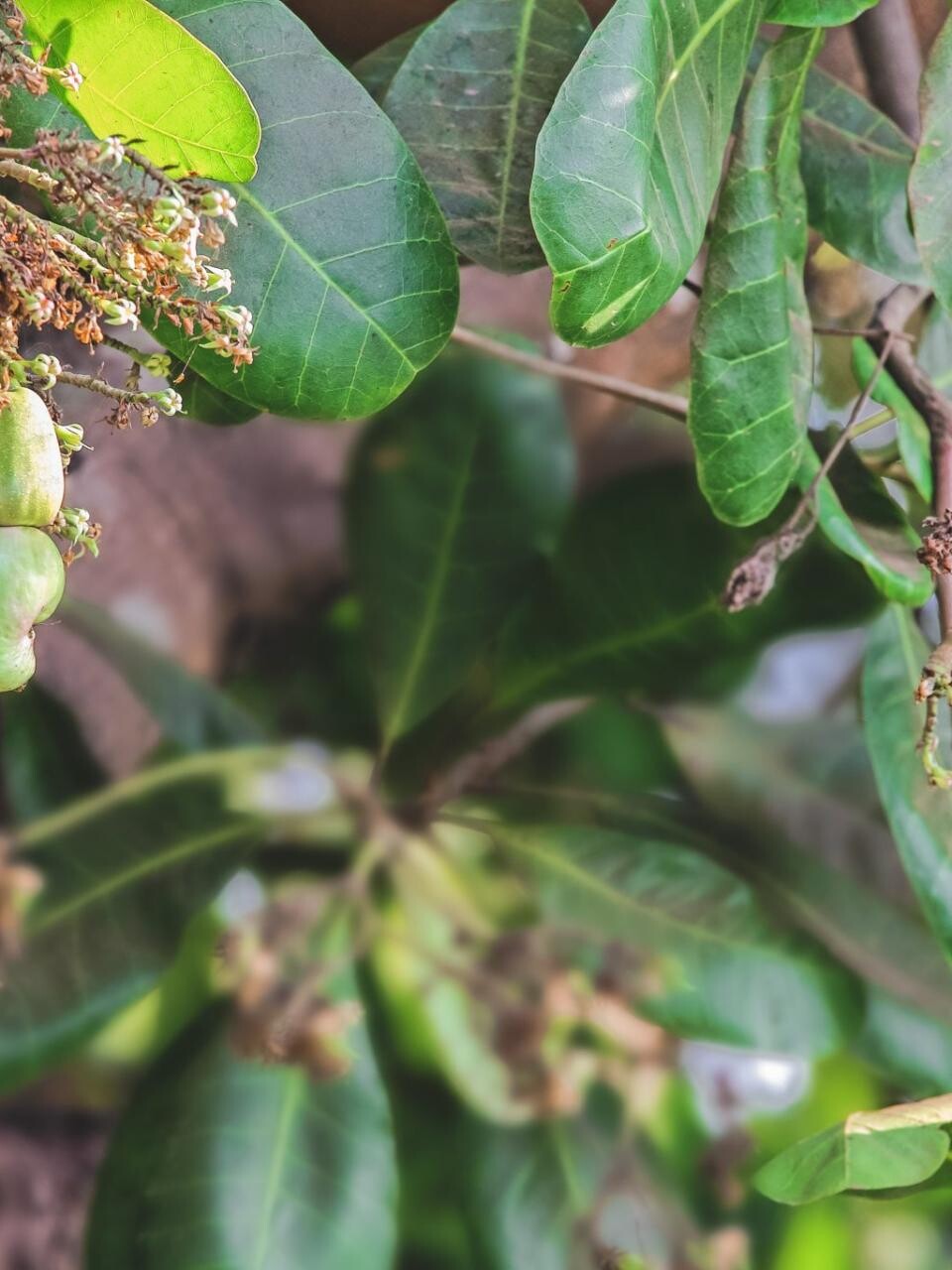

Some of the links on this post are affiliate links. These do not cost you extra to use, but will help provide Continent Hop with a small commission if/when you purchase through them, to recover some of the costs of running this website and providing free content to help you plan your travel. I appreciate your support!

A FAB Southeast Asia Itinerary - 3 Weeks FULL of Fun! (2026)
Asia is one continent that won’t let you down no matter the food, price or people! So here’s a few 3 weeks southeast Asia itinerary suggestions to suit your travel needs – full of info and fun!
I have visited different Southeast Asian countries, including Thailand, Vietnam and the Philippines. Trust me, there is no right way to explore these stunning Southeast Asian countries.
Each one, full of ancient wonders and modern attractions, deserves at least a couple of weeks in your Southeast Asia itinerary to get a glimpse.
I know it may not be possible to spend so many months wandering the globe every time.
So, here is my best 3 weeks Southeast Asia itinerary that focuses on Thailand and Vietnam, with a few days in Cambodia. I have also included variations if you want 1 month, 2 months, or 3 months Southeast Asia itinerary.
PLANNING YOUR SOUTHEAST ASIA ITINERARY | THE ESSENTIALS
Guided tours for the best Southeast Asia experience –
- Guided Food Tour with Train Street Visit in Hanoi
- Angkor Wat: Small-Group Sunrise Tour in Siem Reap
- Maya, Phi Phi, and Bamboo Island tour in Phuket
Recommended hotels for your Southeast Asia itinerary –
- Paradise Saigon Boutique Hotel & Spa in Ho Chi Minh
- The Urban in Siem Reap
- Amari Bangkok in Bangkok

The PERFECT Southeast Asia itinerary
Best time to visit Southeast Asia
Considering the vast expanse of Southeast Asia, the best time to visit will change depending on the countries you decide to visit.
Generally, the months of November to February are considered the best time to visit Southeast Asia as it is the dry season, during which the weather is perfect for outdoor activities, and you do not have to worry about heat and rain.
The months of March and April can also be considered when planning your 3 week Southeast Asia itinerary. But, for countries like Indonesia, the dry season is from April to October.
The dry season here is when many plan for a Southeast Asia honeymoon itinerary. It means peak tourist season, during which accommodation prices are higher and tours are fully booked.
If you are okay with occasional heavy rain combined with heavenly landscapes and fewer crowds, then the wet season, from May to October, in Southeast Asian countries is perfect for you.
These months are ideal for budget travellers and backpackers to explore countries like Thailand, Malaysia, and the Philippines.


Vietnam – Week 1 out of 3 weeks Southeast Asia itinerary
Day 1 to 3 – Hanoi
Start your trip from the Vietnamese capital of Hanoi. This city is well-connected to the rest of the world, with numerous flights to almost all the major destinations. This is the Hanoi itinerary I followed when I first visited Vietnam.
Dedicate the first day of your Southeast Asia trip itinerary to exploring the bustling Old Quarter, which is famous for its historic and religious sites. It is home to Saint Joseph’s Cathedral – the oldest church in Hanoi, Hoa Lo Prison Memorial, The Temple of Literature, and One Pillar Pagoda.
It also has Dong Xuan Market, the largest indoor market, and 36 streets full of souvenirs and merchandise. You can spend more than half a day wandering in the narrow lanes of Hanoi Old Quarter.
For a delicious lunch, head to Bún Chả Hàng Quạt nearby. I loved the mouthwatering pork noodle dish served here. Keep in mind this Vietnamese restaurant is open only from 10 am to 2 pm.
Consider taking the Guided Food Tour with Train Street Visit if you want to do this adventure with local guidance. Spend the evening watching the sunset at West Lake and offer your prayers at Tran Quoc Pagoda.
Visit one of the markets at night for street food in Hanoi that can give you a taste of local cuisine at affordable rates.
Reserve the second day in Hanoi for Thang Long Imperial Citadel, Vietnam Military Museum, Presidential Palace and Ho Chi Minh Stilt House, Hanoi Botanical Garden, Lotte Observation Deck, Hoan Kiem Lake, Ngoc Son Temple, and Thang Long Water Puppet Theatre.
Choose which places to add to your Southeast Asia travel itinerary depending on your preferences.
Where to stay in Hanoi?
The Oriental Jade Hotel is conveniently located near the Old Quarter in the heart of Hanoi. It has an on-site restaurant and a paid airport shuttle service – BOOK HERE

Day 4 – Ha Long Bay
Ha Long Bay is the place to get away from the bustling city and soak in the natural beauty of stone mountains, beaches, caves, and more.
Booking the Full-Day Halong Bay Cruise with Swimming & Kayak Tour was the best decision during 3 weeks Southeast Asia itinerary. All the transportation was taken care of, and an English-speaking local guide was with us throughout the day.
If you are spending one month in Southeast Asia and looking for a relaxed itinerary, then you can check out the 2-Day Halong & Lan Ha Bay 5-Star Cruise with Balcony.
Day 5 and 6 – Ho Chi Minh
Fly to the other end of Vietnam to Ho Chi Minh City, where chaotic streets offer a beautiful combination of old and new.
You can spend a day visiting the War Remnants Museum, Ben Thanh Market, Jade Emperor Pagoda, and Cu Chi Tunnels.
Head to Bui Vien Street for the best street food and some bar hopping in the evening.
If you are okay with the fast-paced Southeast Asia itinerary, I would suggest this Mekong Delta Full-Day Tour on the second day in Ho Chi Minh.
The scenic waterways dotted with tiny villages feel like they are from another world. If you are interested in visiting the city attractions instead, then your Southeast Asia itinerary 3 weeks can include 2 days for Ho Chi Minh City.
Where to stay in Ho Chi Minh?
Paradise Saigon Boutique Hotel & Spa is only a few minutes away from the popular Ben Thanh Market. The modern air-conditioned rooms and attentive staff will make your stay here comfortable – BOOK HERE.

Cambodia – Week 2 out of 3 weeks Southeast Asia itinerary
Day 7 to 9 – Siem Reap
As you land in Siem Reap, you may be excited to head straight to Angkor Wat, but believe me, you will need as much time and energy as possible to explore this fascinating site.
For the first day in Cambodia, stick to the attractions located in the city, like the Royal Palace of Cambodia dating back to 1866. After appreciating the richly ornamented Khmer architecture, consider visiting the Cambodian Cultural Village or War Museum Cambodia in the afternoon.
But the best way to spend your first day in Siem Reap is to take the Kampong Phluk Floating Village Tour by boat. It is an essential part of your Southeast Asia itinerary 3 weeks to get a glimpse of an interesting village.
Depending on your flight timings, you may not get much time to squeeze in more places for this day.
Start the 2nd day in Siem Reap early and head out with this popular, guided Angkor Wat: Small-Group Sunrise Tour. This high-rated tour of Angkor Wat is everything you need to explore the sprawling ancient temple complex without getting overwhelmed.
It also includes Ta Prohm Temple, Banteay Kdei, and Bayon Temple. Spend the evening wandering along Pub Street to soak in the city’s bustling energy.
Many people like to return to the Angkor Wat complex again to complete the grand circuit.
If not, you can spend the last day of your Southeast Asia itinerary in Cambodia enjoying the historic French Quarter, shopping at Kandal Village, and booking the famous Apsara Show, Including Dinner & Hotel Pickup.

Day 10 to 12 – Phnom Penh
Giving only 2 days to visit Phnom Penh may not be fair, but you can still manage to see the best of Cambodia’s capital city in 48 hours.
For the first day in Phnom Penh, include the Royal Palace and Silver Pagoda, shopping and lunch along Street 240, and the National Museum of Cambodia in your 3 weeks Southeast Asia itinerary.
If you want, consider taking a Sunset Cruise that includes unlimited beers & BBQ buffet. Dedicate the second day in Phnom Penh entirely to understanding the turbulent past.
Head to the Tuol Sleng Genocide Museum after breakfast. It opens at 8 AM and gets crowded soon, So the earlier you visit, the better. This is the interrogation and detention centre of the Khmer Rouge regime.
The walls of this school-turned-prison have witnessed the inhumane torture of thousands of prisoners. Take an audio tour to understand the history behind this museum, and then head to Choeung Ek Genocidal Center.
This is where thousands of bodies were discovered after the end of the Khmer Rouge regime and are still being unearthed every year.
Both these places need more than 5 hours to explore the sites respectfully. Many tourists choose The Killing Fields & Tuol Sleng Genocide Museum tour to get the local perspective, but the audio guides offered at the sites are equally good.
Where to stay in Phnom Penh?
Okay Boutique Hotel is loved by tourists for its Khmer-style decor and modern AC rooms – BOOK HERE

Thailand – Week 3 out of 3 weeks Southeast Asia itinerary
Day 13 to 16 – Bangkok
This is my 4-day Bangkok itinerary that gave me enough time to visit the popular sites of the city as well as less explored attractions.
For day one, include the Grand Palace and Emerald Buddha, Wat Pho and the reclining Buddha statue, a boat ride along the Chao Phraya River and Wat Arun in your itinerary.
You can spend the evening pampering your taste buds with street food on Khao San Road.
Taking a day trip to Ayutthaya is a must when you are in Bangkok. It is advisable to book a popular Ayutthaya Temples Guided Tour with Lunch as it includes transport and a local tour guide.
Reserve the third day for Damnoen Saduak Market and Maeklong Railway Market, as both sites are fascinating and are a treat to the eyes. It would be easier to visit these places with a group so that you can be back in Bangkok by evening.
Other well-known attractions in Bangkok include Chatuchak Weekend Market, Bangkok Art and Culture Centre, shopping malls around the Sukhumvit area, Muay Thai Boxing, and Calypso Cabaret Show.
You can decide which activities to include in your 3 weeks Southeast Asia itinerary.
Where to stay in Bangkok?
Amari Bangkok is located in the city’s heart and combines traditional and modern amenities. It is near the Platinum Fashion Mall and different street markets – BOOK HERE

Day 17 and 18 – Kanchanaburi
Kanchanaburi, located only 2 hours away from Bangkok, is the place where you can relax during your 3 weeks Southeast Asia itinerary.
The first day here can be about the Bridge Over the River Kwai and the vast land of Erawan National Park. This park has a 7-tier waterfall, stalactites and stalagmites caves, and rock paintings.
You can learn more about the bridge and its history at Death Railway Museum.
Places like Wat Tham Suea temple, JEATH War Museum, and Hell Fire Pass Interpretative Museum can be reserved for the 2nd day in Kanchanaburi.
Where to stay in Kanchanaburi?
U Inchantree Kanchanaburi is a lovely place on the bank of the Kwai Yai River, where you can truly sit back and relax after spending weeks exploring different cities – BOOK HERE

Day 19 and 20 – Phuket – Southern Thailand
Spending 2 days in Phuket does not do justice to all the gems this city has to offer. This Thailand itinerary explains in detail how you can plan your Phuket trip. Big Buddha, Old Town, and Bangla Road will keep you engaged for a day.
Dedicate the entire day to Maya, Phi Phi, and Bamboo Island tour, and you will realise why this is one of the best things to do in Phuket. It is a convenient option to book as this tour includes a buffet lunch and transport.
Where to stay in Phuket?
The Westin Siray Bay Resort & Spa is one of the top hotels in Phuket where panoramic views welcome you – BOOK HERE
Day 21 – Return to Bangkok
Depending on where you are headed, you might need to head back to Bangkok to catch a flight back home. Phuket has an international airport, but the Bangkok Airport has a better connectivity.

Alternate Southeast Asia itineraries
Thailand – Laos – Vietnam: This itinerary will take you to lesser-known Laos, historic sites of Vietnam, and bustling Thailand.
Bali – Singapore – Thailand: This is the perfect Southeast Asia honeymoon itinerary where the romantic landscapes of Bali, the modern vibes of Singapore, and the serene beaches and nightlife of Thailand are balanced.
The Philippines – Indonesia: The pristine beaches of the Philippines and the island life of Indonesia that goes beyond Bali.
Myanmar – Laos – Vietnam: This is definitely the popular choice, but it will give you a chance to explore the lesser-known side of Southeast Asian countries.
Vietnam – Cambodia – Malaysia: If you are planning 2 month Southeast Asia itinerary, consider adding Thailand and Laos to this plan and dedicate one week for each country.
Malaysia – Thailand – Myanmar – Laos – Cambodia – Vietnam: You can explore these countries if you are planning 3 month Southeast Asia itinerary.
3 weeks in Southeast Asia budget
When you spend 3 weeks in 3 different countries, the budget is going to change depending on your travel style. But here is the basic breakdown of expenses you will need during your 3 weeks in Southeast Asia.
How to budget for Southeast Asia itinerary
Accommodation: $10-$30 per night for budget stays and $30-60 for midrange hotels
Food: $2-$10 per meal for street food and $10-$20 per meal for cafes and restaurants
Transportation: $1-$10 per day for within city with public transport and $10-$20 per day for other modes
Activities: $5-$20 per day as entry fees at museums, temples, or hiking
Connectivity: Stay connected effortlessly with Holafly, an eSIM with unlimited data that lets you switch between SIMs without a physical card and ensures reliable internet, even in remote areas. For a three-week trip to Southeast Asia choose Holafly’s regional Asia eSIM with unlimited data, covering 16 destinations, with a 500MB hotspot—perfect for seamless travel. Get yours now and stay connected hassle-free!

So, here is one of the best Southeast Asia itineraries that you can customize to your interests. Respect the local culture, dress modestly when visiting temples, and soak in the beauty of Southeast Asia – that’s all you need to experience the best when travelling.
FAQs – Southeast Asia itinerary
-
How long do I need to travel to Southeast Asia?
Given the vast landscape of Southeast Asia, you need at least 10 days to explore two countries with a fast-paced itinerary. Or else, you need to travel to Southeast Asia for a month to explore different countries at your own pace.
-
Is 3 weeks enough in Southeast Asia?
3 weeks are enough to visit 3 different Southeast Asian countries as it will give you enough time to get a glimpse of local life and visit the popular points of interest.
-
Is 2 months enough in Southeast Asia?
2 months in Southeast Asia are enough to visit more than 4 countries and explore the best sites. But, it may not be enough time if you want to be a part of the local canvas.
-
What is the cheapest time of year to travel to Southeast Asia?
The wet season, or rainy season, is the cheapest time of year to travel to Southeast Asia. The low season is generally from May to October, but it may change depending on the countries you are visiting.
PIN FOR LATER!


EXPLORE MORE OF ASIA

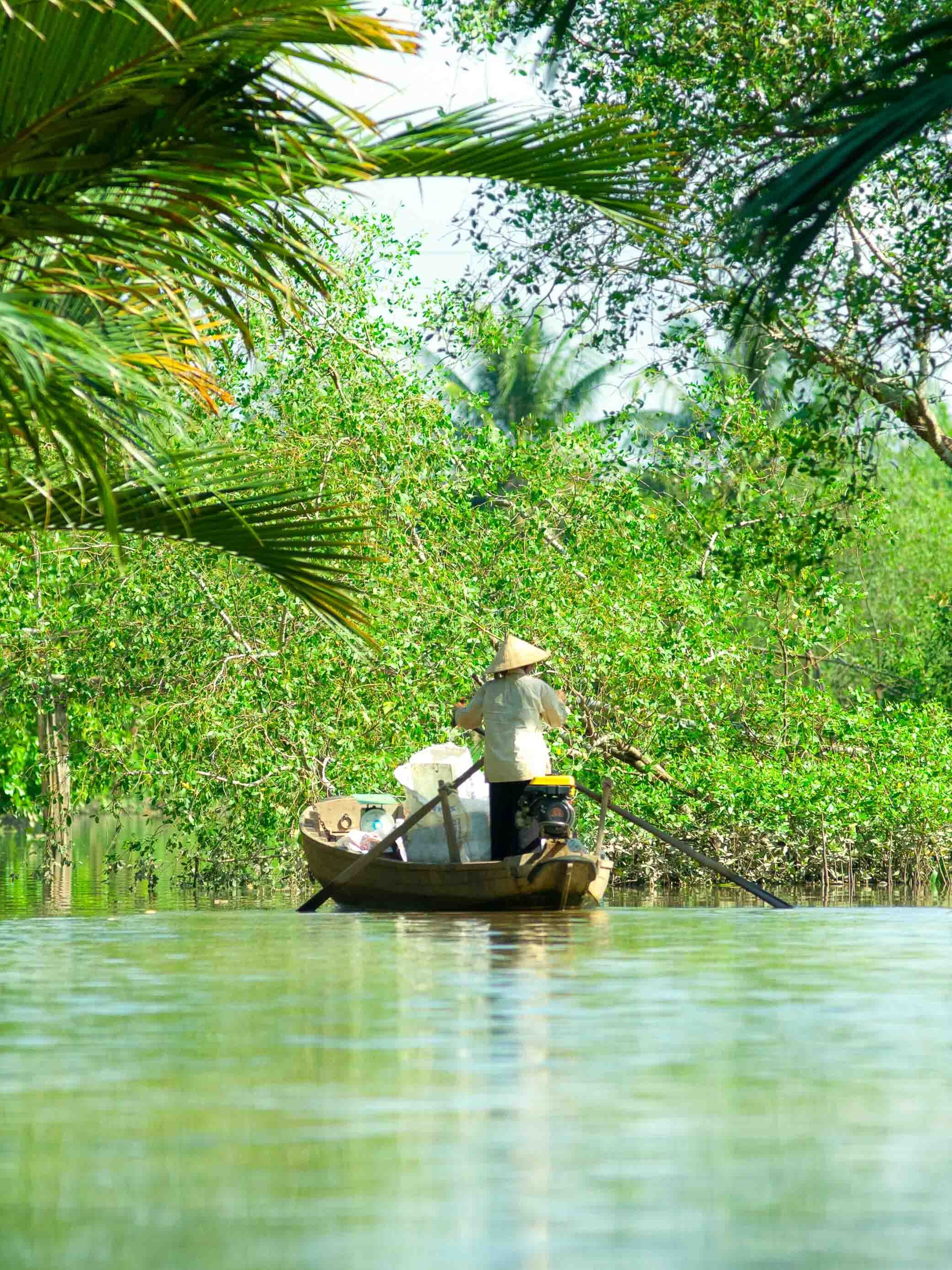
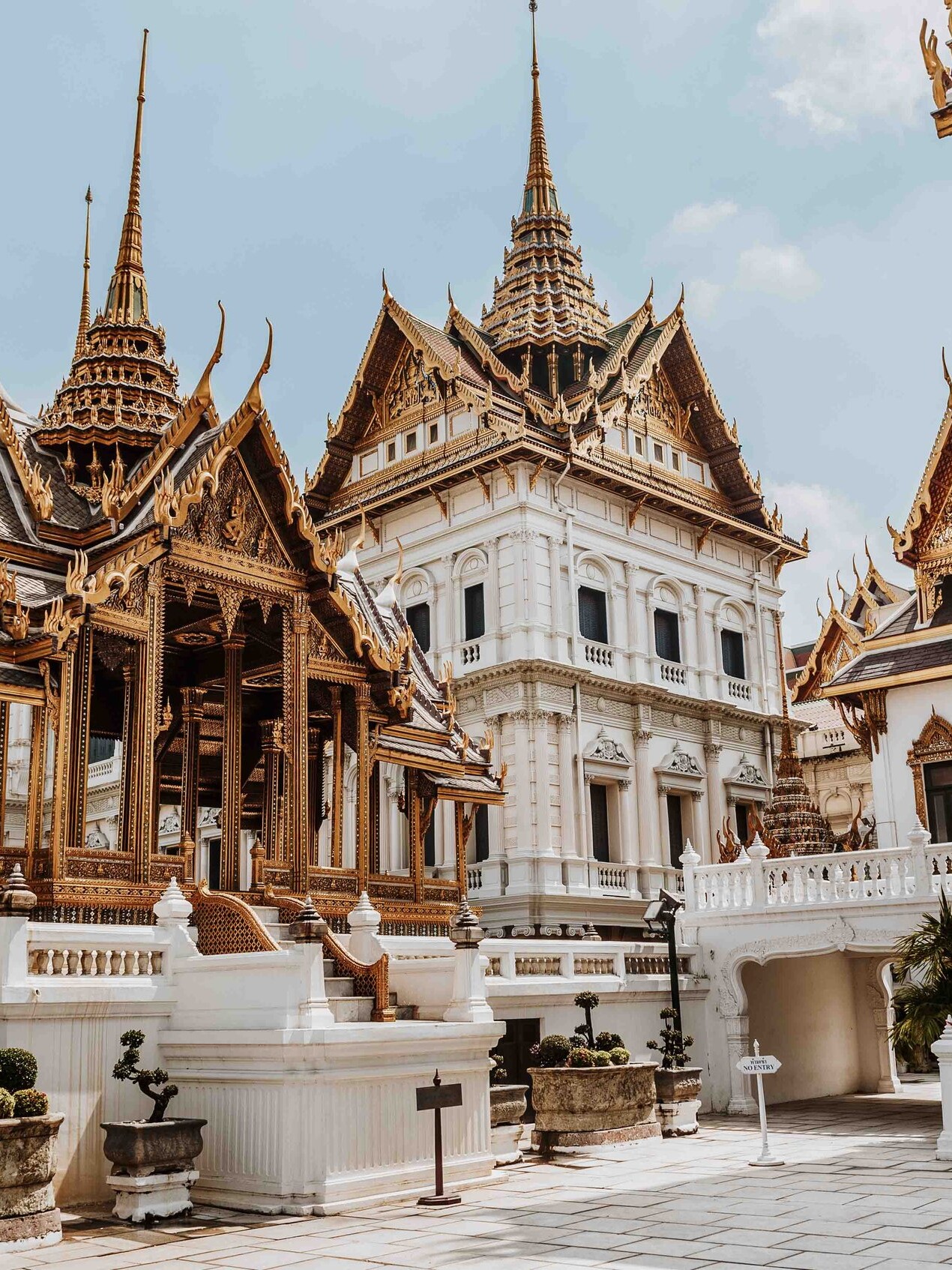

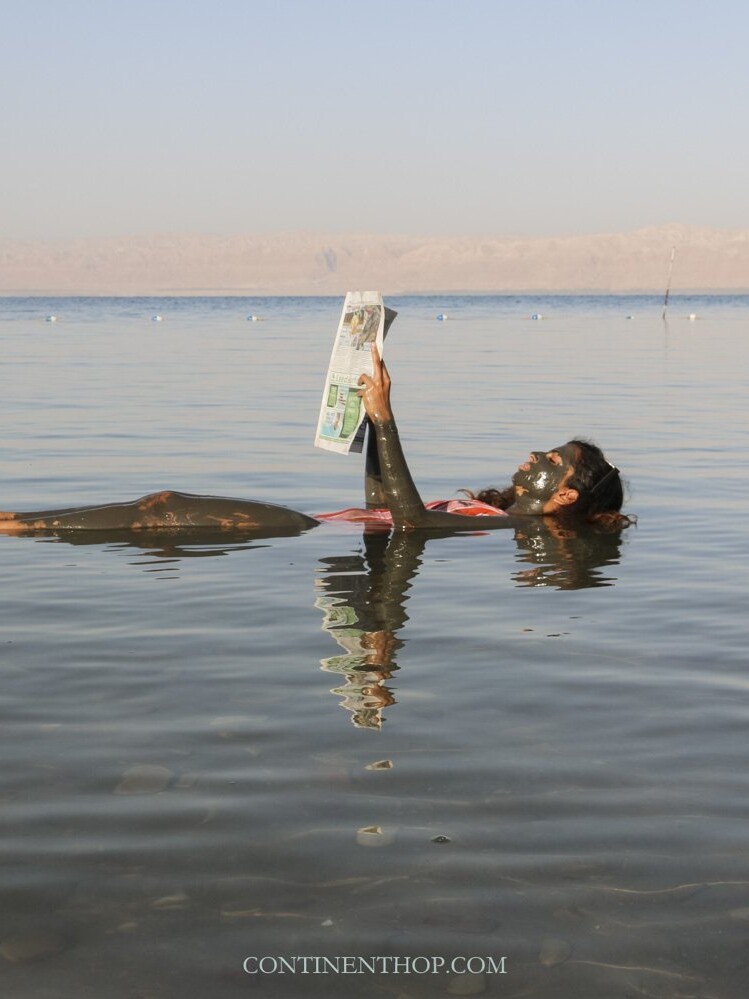
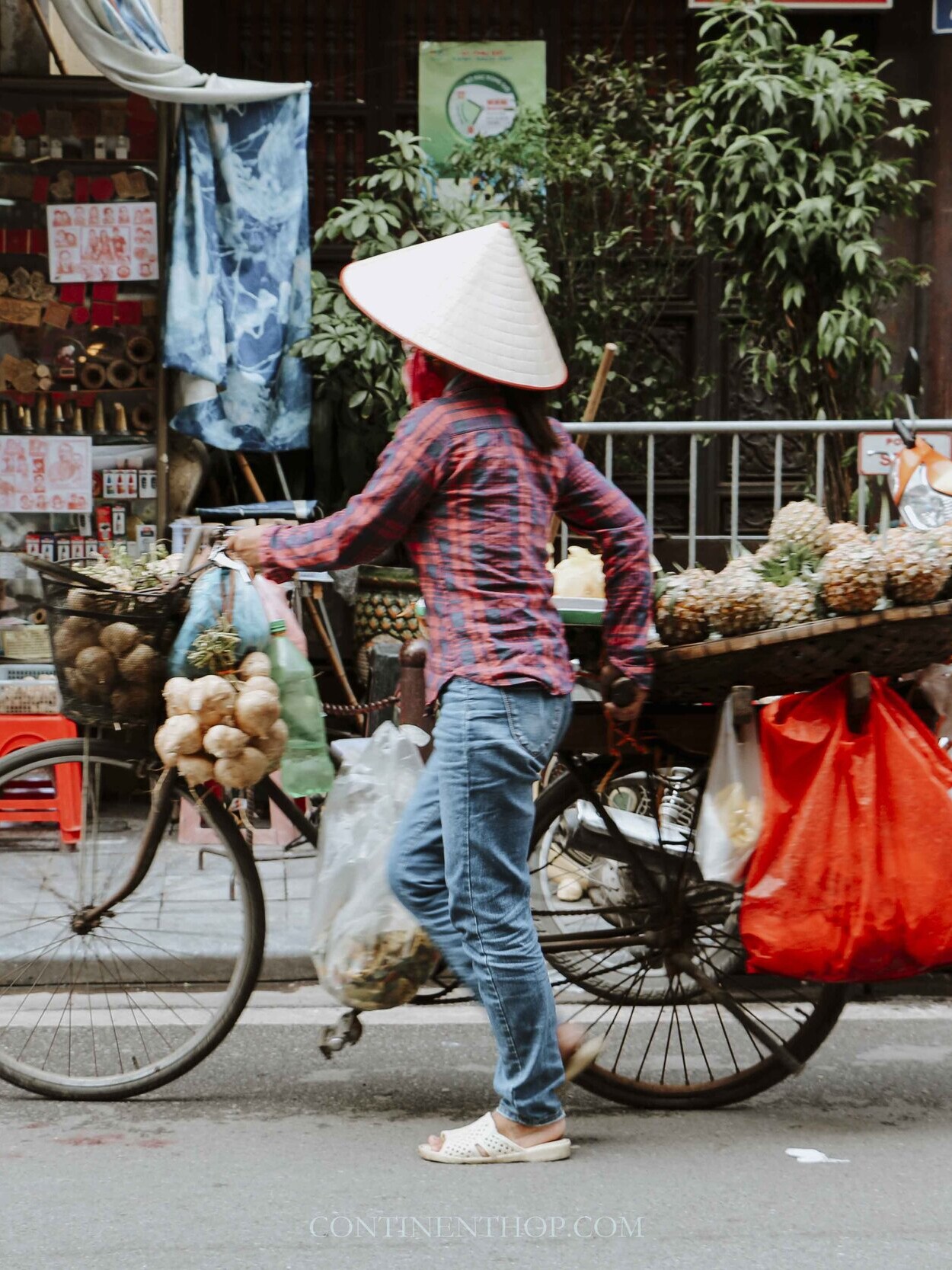
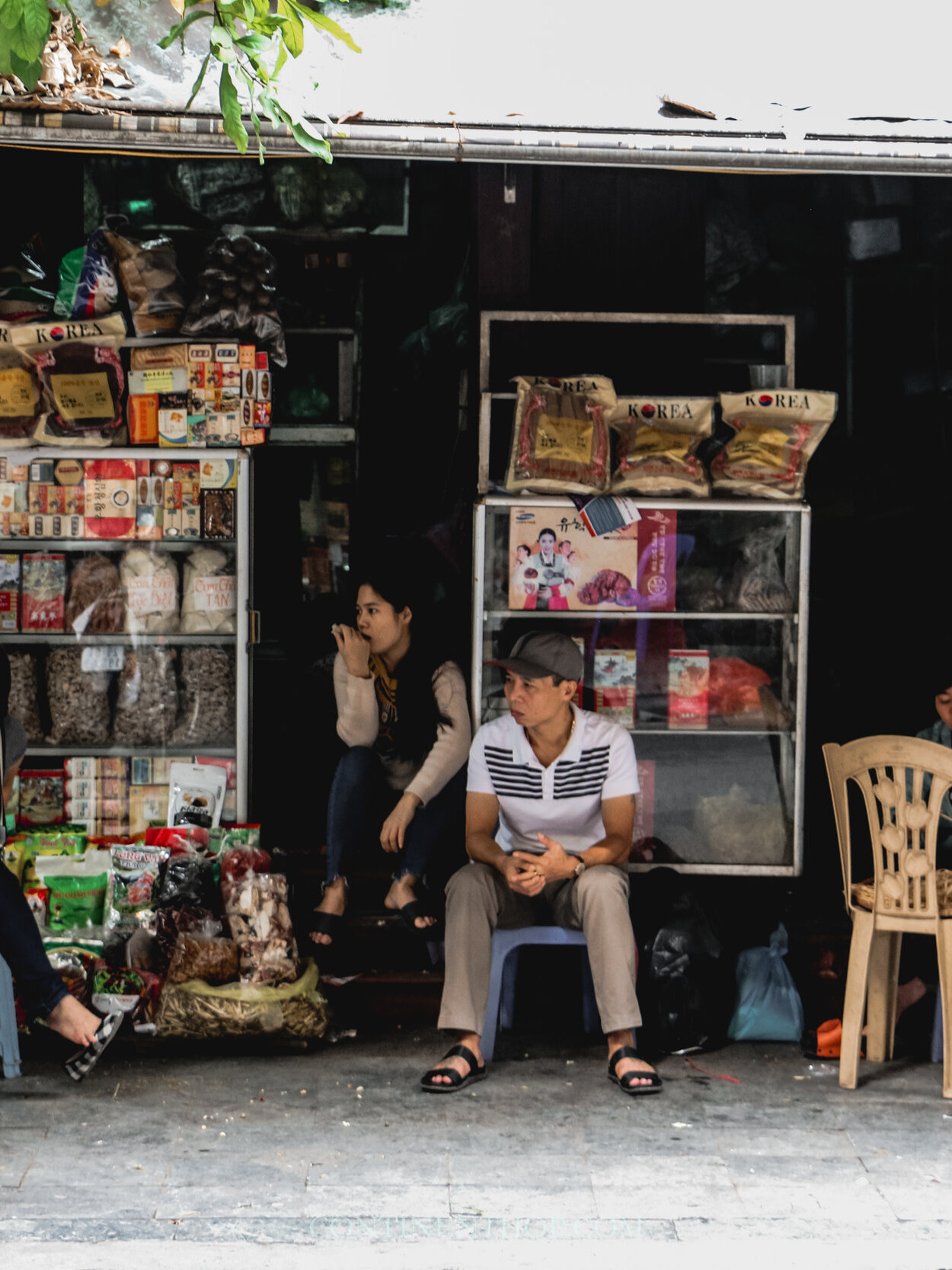
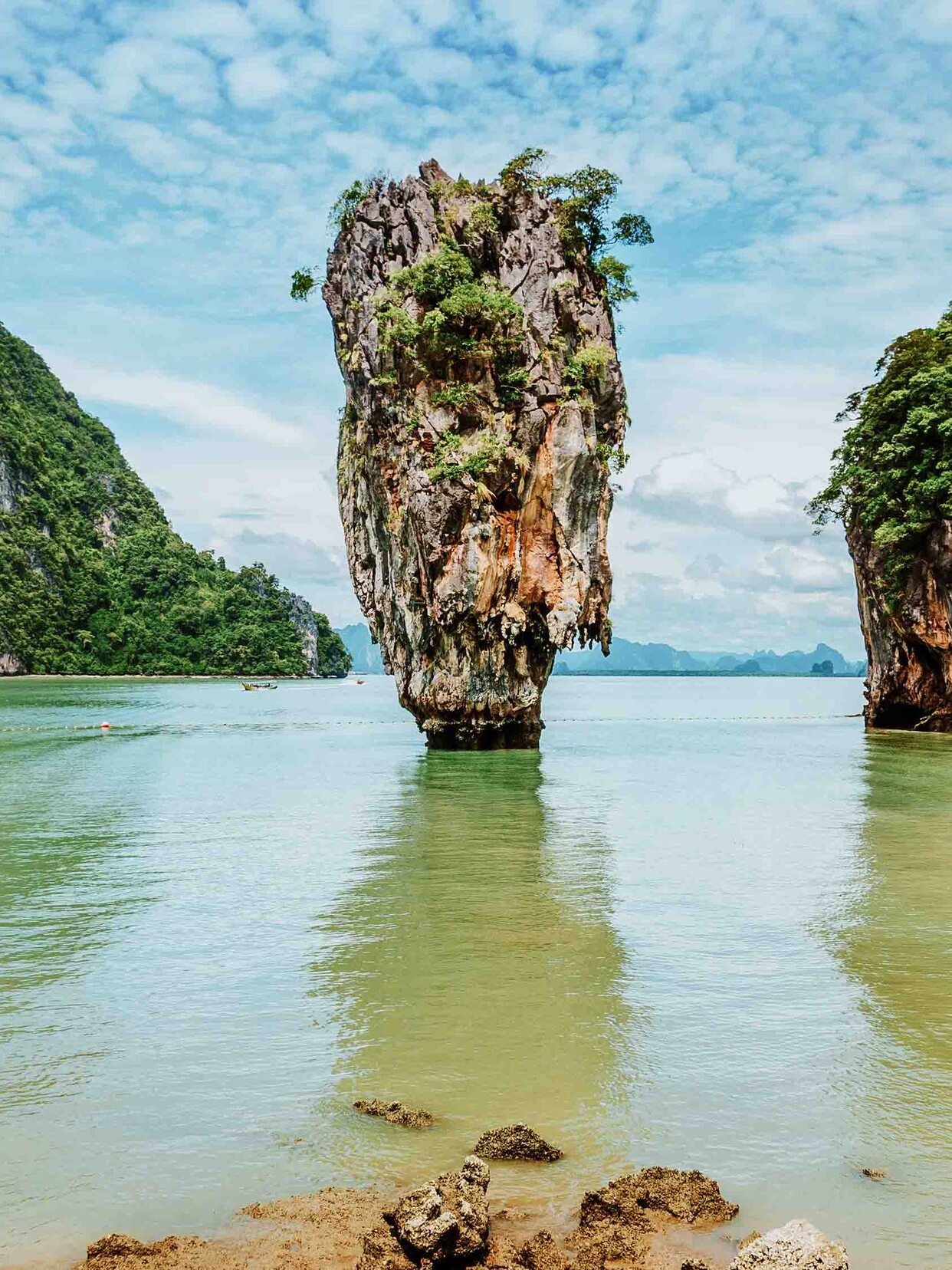
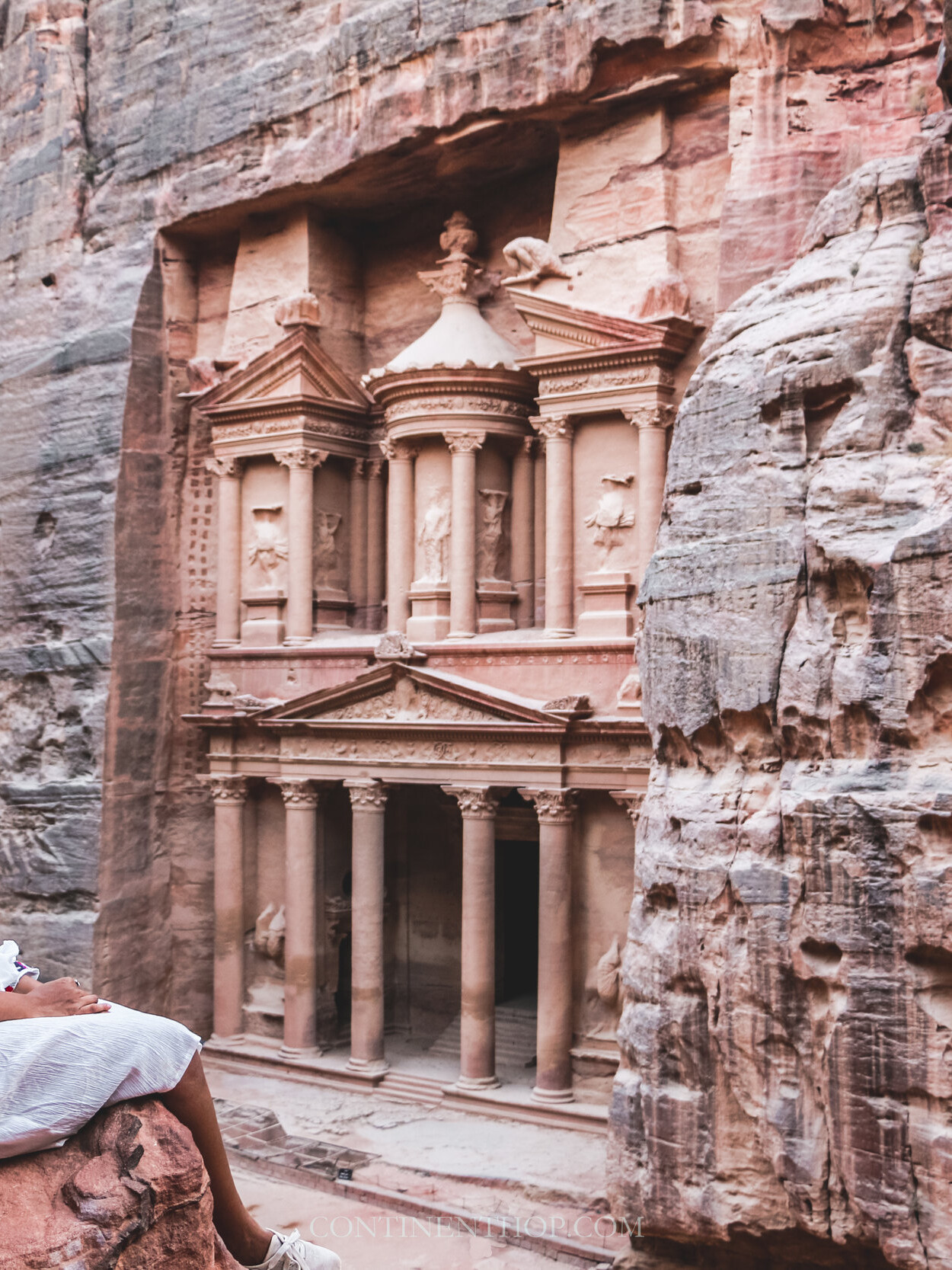
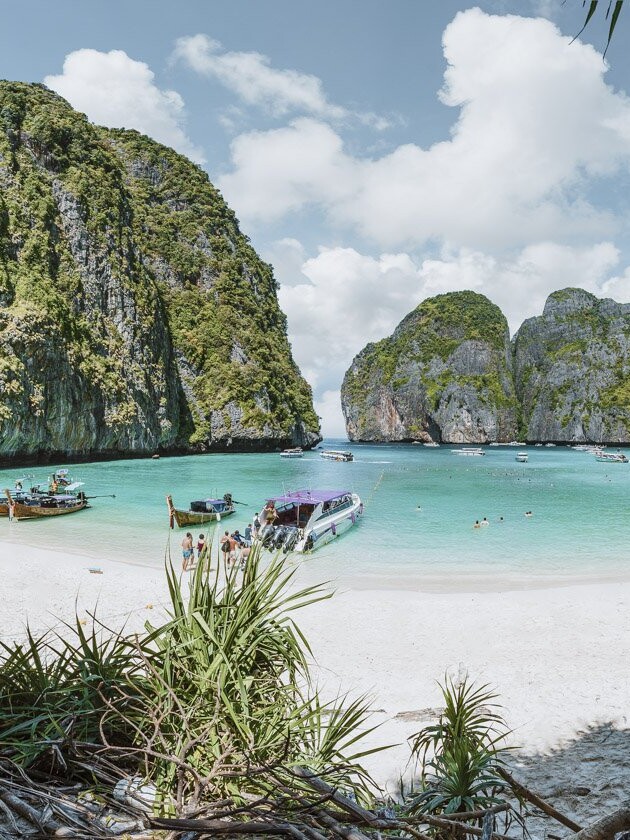
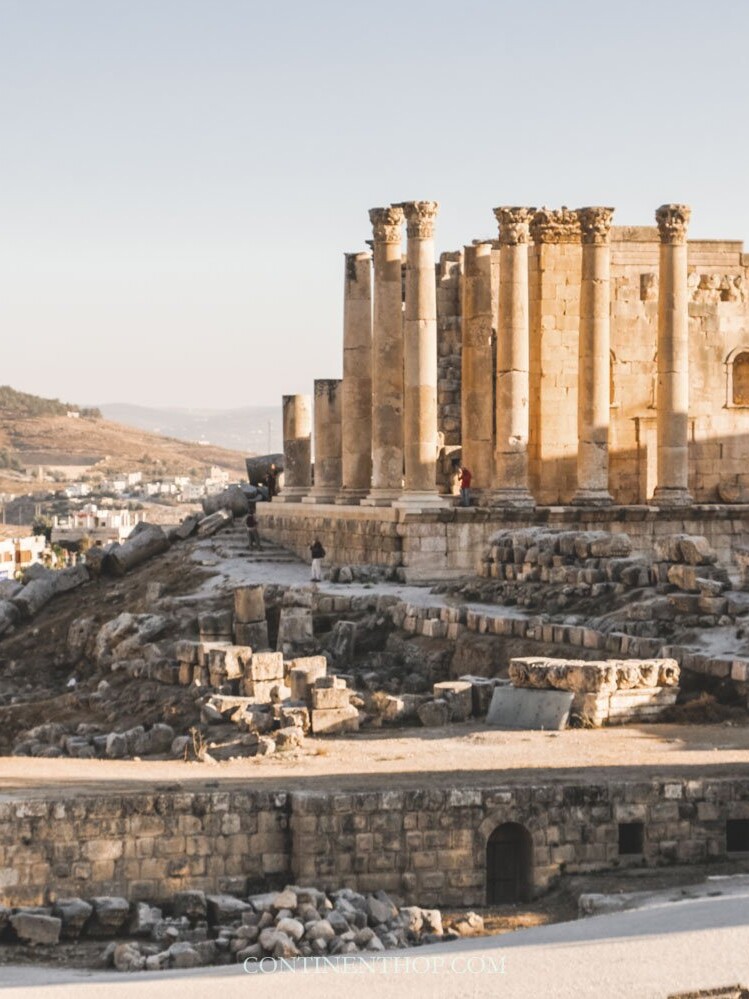
Some of the links on this post are affiliate links. These do not cost you extra to use, but will help provide Continent Hop with a small commission if/when you purchase through them, to recover some of the costs of running this website and providing free content to help you plan your travel. I appreciate your support!

PERFECT Indonesia Itinerary 3 Weeks - Islands Beyond Bali (2026)
Indonesia has so much more to offer to those who want to look beyond Bali. Here’s an Indonesia itinerary 3 weeks with some of the lesser-known islands in Indonesia, things to do, and all the travel info you need!
Indonesia is an archipelago in Asia with over 17,000 islands, many of which remain untouched by mass tourism. Although Bali’s allure is undeniable, there’s so much more to discover beyond its borders.
Travelling across Indonesia’s many islands also requires careful planning, especially when it comes to staying connected.
So here’s an Indonesia itinerary 3 weeks that covers places beyond Bali – with the must-do’s and must-visit’s!

Must visit islands during your Indonesia itinerary
When most travellers think of Indonesia, their minds immediately go to Bali, also known as the ‘Island of the Gods’ due to its deep-rooted Hindu traditions, sacred temples, and spiritual atmosphere.
This in conjunction with its world-class beaches, from the surf-friendly waves of Uluwatu and Canggu to the serene, white sands of Nusa Dua and the dramatic cliffs of Balangan, its breathtaking landscapes, first and foremost the iconic rice terraces in Ubud, and, not least, the vibrant nightlife of places like Seminyak and Kuta, have cemented its status as the country’s most popular tourist destination.
Many of Indonesia’s lesser-known islands offer a more unfiltered and raw experience, where local traditions remain strong, and natural beauty is left undisturbed, delivering unique experiences that are just as, if not more, captivating than mainstream places.
From the rugged beauty of Lombok, a quieter alternative to its famous neighbour, to the surreal landscapes of Komodo National Park, the rich wildlife of Sumatra, the cultural treasures of Flores and the Banda Islands, and Raja Ampat’s world-class diving spots, there is truly something for every type of traveller.
If you’re looking for the best places to visit in Indonesia besides Bali, this guide will help you plan the perfect itinerary, covering the must-visit islands in Indonesia, how to get there, and what to do on each one.

Lombok – A Quieter Alternative to Bali
When it comes to the Lombok vs Bali debate, many travellers are captivated by Bali’s lively energy, bustling streets, and iconic resorts.
However, Lombok offers a peaceful alternative for those in search of a more serene escape.
Just a short boat ride from Bali, this 4,500 km² island is a haven of stunning beaches, lush rice terraces, and rich cultural heritage, all while remaining blissfully free of the overwhelming crowds that define its neighbour.
If you’re torn between Bali vs Lombok, here’s why the latter should be a strong contender for your next adventure.
Things to do in Lombok
Explore the Gili Islands: A short boat ride from Lombok, the Gili Islands (Gili Trawangan, Gili Meno, and Gili Air), known for their crystal-clear waters and vibrant marine life, are some of the best places for snorkelling and diving in Indonesia.
Offering everything from the lively nightlife on Gili Trawangan to peaceful serenity on Gili Meno, these islands provide the perfect balance of adventure and tranquillity, away from the crowds typically found in more popular destinations, making them a must-see during your Lombok adventure!
Hike Mount Rinjani: Whether you’re an avid trekker or simply in search of an epic journey, Mount Rinjani, Indonesia’s second-highest volcano at 3,726 meters (12,224 feet), promises a thrilling adventure you’ll never forget.
The trek typically lasts 2 to 3 days and is intense yet incredibly rewarding, offering breathtaking views of the crater lake and expansive landscapes. Surely, it is a more remote and authentic hiking experience than Bali’s popular trekking routes.
Visit Selong Belanak Beach and Pink Beach: Nestled on the southern coast of Lombok, this idyllic beach is known for its calm, turquoise waters and soft, powdery white sand, surrounded by lush hills and coconut trees.
Whether you’re an experienced surfer riding gentle waves, a swimmer enjoying the refreshing waters, or someone simply soaking up the peaceful atmosphere under the sun, Selong Belanak offers a quieter, more authentic beach experience than what’s found along Bali’s lively coastline.
Another must-see attraction in Lombok is Pink Beach, located in the eastern part of the island, famous for the soft pink color of its sand, which is created by the blend of white sand and crushed red coral.
Chase waterfalls: Lombok is known for its beautiful waterfalls, such as Tiu Kelep and Sendang Gile, which can be found in the island’s lush northern region.
A trek through rainforests and along rocky paths will lead you to these stunning falls, where you can swim in the cool, crystal-clear waters or simply enjoy the peaceful surroundings.
Taste Lombok’s unique cuisine and discover Sasak culture: Lombok’s food scene, bursting with bold flavours and fresh, local ingredients, offers a tantalizing escape from Bali’s more tourist-oriented menus.
Here, every dish tells a story, from the fiery heat of Ayam Taliwang (spicy grilled chicken) to the zesty kick of Plecing Kangkung (water spinach with sambal), giving you a true taste of the island’s vibrant culinary heritage.
This strong connection to tradition is further deepened by the Sasak people, Lombok’s indigenous group, who have preserved their customs and heritage in villages such as Sade and Ende, where you can explore ancient weaving techniques and customs passed down through generations.
Why choose Lombok over Bali?
While Bali remains an iconic destination, Lombok presents a quieter, more authentic experience perfect for travellers seeking solitude, adventure, and cultural immersion.
From hiking volcanoes to exploring peaceful beaches, Lombok offers the same natural beauty as Bali, but with fewer crowds and a more laid-back vibe.
So, if you’re trying to decide between Bali vs Lombok, consider what type of experience you’re looking for. Lombok’s serene landscapes, authentic culture, and adventurous opportunities, or Bali’s vibrant nightlife, bustling beaches, and world-renowned resorts?

Komodo Islands – Land of the dragons
Among the best places to visit in Indonesia besides Bali is also the legendary Komodo National Park, home to the world’s largest lizards -the Komodo dragons.
At the same time, this UNESCO World Heritage Site, located in the heart of Indonesia, offers much more than its iconic reptiles.
Here is your ultimate Komodo National Park guide, ensuring you get the most out of your visit to this remarkable part of Indonesia.
Komodo National Park guide
Meet the Komodo dragons: Komodo Island and Rinca Island are the prime spots to see the world-famous Komodo dragons in their natural habitat.
These formidable creatures can grow up to 3 meters long and weigh over 70 kilograms, making them not only the greatest lizards on Earth but also one of the most awe-inspiring predators.
The advice is to book a guided trek in advance, allowing you to observe these awe-inspiring creatures up close and get valuable insights into their behaviour, ecology, and the vital conservation efforts aimed at protecting them.
Explore marine life: Komodo National Park is part of the Coral Triangle, known for its incredibly rich marine biodiversity. The park’s underwater ecosystem is home to a vast range of species, from vibrant coral reefs to schools of tropical fish.
One of the top attractions is diving with manta rays, which can be found in several locations around the park. Manta Point, located near Komodo Island, is one of the best spots to observe these majestic creatures.
Aside from manta rays, divers can encounter sharks, sea turtles, and a variety of reef fish. For those who prefer snorkelling, the clear waters offer an equally stunning experience, allowing visitors to explore the abundant marine life just below the surface.
Hike Padar Island: A must-do for any photographer, the hike to Padar Island’s iconic viewpoint offers breathtaking panoramic views of the island’s dramatic landscapes.
From the top, you’ll see a series of crescent-shaped bays surrounded by rugged hills and deep blue waters. The hike is moderately challenging, but the reward is a stunning bird’s-eye view of one of the most photographed spots in Indonesia.
Snorkel at Pink Beach: Famous for its rare pink-hued sand and clear, shallow waters, home to vibrant coral reefs, tropical fish, and other fascinating marine life, this beach offers unparalleled snorkelling opportunities.
To make the most of your visit, consider going early in the morning or late in the afternoon to avoid crowds.
To get to Pink Beach, you can start from Labuan Bajo on Flores Island, which is accessible by flight from Bali or Jakarta. From there, you can take a boat or join a tour that will take you to the Komodo National Park and Pink Beach.
The journey usually takes around 30 to 45 minutes by boat, depending on your departure point. Many operators offer day trips, making it easy to include this stunning beach in your itinerary.
Best time to visit Komodo National Park: The best time to visit Komodo National Park is between April and December, during the dry season when the weather is more favourable for outdoor activities such as hiking and diving.
From January to March, the park experiences the rainy season, which can make access to certain areas more challenging. However, the park’s natural beauty remains stunning even during the wet months, with fewer tourists around.
How to get there: The most common way to reach Komodo National Park is by flying into Labuan Bajo, a small town on the island of Flores. Labuan Bajo is well-connected to Bali and other major Indonesian cities.
From there, visitors can take a boat to the park’s various islands. Alternatively, it’s possible to take advantage of live aboard boat tours that offer multi-day trips around the park, providing a more immersive experience.

Flores – A land of natural wonders
East of Komodo lies Flores, a hidden gem filled with breath-taking landscapes, traditional villages, and unique natural wonders, making it one of the must-visit islands in Indonesia.
This picturesque place offers incredible experiences, from its colour-changing crater lakes to traditional highland villages. Here are some of the most captivating places this picturesque island has to offer:
Must-see attractions in Flores
Kelimutu volcano: The star attraction of Flores is undoubtedly Kelimutu, a majestic volcano with three stunning crater lakes -Tiwu Ata Bupu, also known as the ‘Lake of Old People’, Tiwu Ko’o Fai Nuwa Muri, the ‘Lake of Young Women and Maidens’, and Tiwu Ata Polo, or the ‘Lake of Witches’.
These lakes are famous for their mesmerizing colour-changing phenomenon, where the waters shift from turquoise to green, blue, or even red as a result of volcanic minerals reacting with the environment.
Good to know: This incredible place is especially magical at sunrise when the lakes are bathed in golden light!
Wae Rebo village: Hidden deep in the mountains of Flores, Wae Rebo is a traditional Manggarai village that offers a fascinating glimpse into the island’s indigenous culture.
The village is renowned for its unique cone-shaped houses, or Mbaru Niang, constructed from local materials such as bamboo and alang-alang (grass).
Visiting Wae Rebo feels like stepping back in time, offering a chance to experience an authentic way of life that has been preserved for centuries and provides insight into the island’s rich cultural heritage.
17 Islands Marine Park: If you love island hopping, the 17 Islands Marine Park is a paradise waiting to be explored in the sea.
This untouched marine sanctuary is home to pristine coral reefs, crystal-clear waters, and diverse marine life, which make it a fantastic destination for snorkelling and diving.
The islands are quiet and less crowded compared to more popular destinations, offering an invaluable chance to connect with nature and immerse yourself in the island’s natural wonders.
Bajawa Hot Springs: Located near the town of Bajawa, these natural hot springs, set against a backdrop of lush greenery and rolling hills, offer the perfect opportunity to unwind and relax after a long day of exploration.
In addition, the warm, mineral-rich waters are believed to have healing properties, making it not only a peaceful experience but also a rejuvenating one for the body and soul.

Raja Ampat – The ultimate diving paradise
Tucked away in the West Papua region, the Raja Ampat archipelago is a true paradise for divers and snorkelers.
Known for its world-class diving, this archipelago boasts some of the most biodiverse marine ecosystems on the planet, with vibrant coral reefs, manta rays, and over 1,500 species of fish.
This makes it one of the best diving destinations in Indonesia, as well as one of the best destinations in the world, according to authoritative sources like Lonely Planet and National Geographic. But the beauty of this place is not just its underwater world.
Raja Ampat’s landscapes are equally stunning, with the Piaynemo Viewpoint offering one of the country’s most jaw-dropping vistas.
Picture turquoise lagoons surrounded by jagged limestone formations -truly a sight to behold! For those who prefer to stay on land, this archipelago also offers extraordinary bird-watching opportunities, particularly on Waigeo Island, home to the rare Wilson’s bird-of-paradise.
And it is precisely this combination of extraordinary natural beauty and rich biodiversity that contributes to making Raja Ampat one of the best places to visit in Indonesia besides Bali.
Why visit Raja Ampat?
World-class diving and snorkelling: the archipelago is a haven for divers, with Raja Ampat diving spots featuring vibrant coral reefs, schools of tropical fish, manta rays, and over 1,500 species of marine life.
Whether you’re a beginner or an experienced diver, the clear, warm waters offer an unparalleled underwater experience.
Piaynemo viewpoint: if you prefer dry land, the Piaynemo Viewpoint is a must-see. One of the most photographed landscapes in Indonesia, this magical place provides a panoramic view of turquoise lagoons surrounded by dramatic limestone islands.
Remote and untouched beauty: Raja Ampat remains one of the most remote and unspoiled corners of the world. Unlike the crowded tourist hubs, this region offers an authentic escape, with pristine beaches, lush forests, and an overall sense of tranquillity.
It’s one of the best Indonesia off-the-beaten-path destinations for travellers seeking a more intimate and raw experience with nature, far from the crowds and commercialization.
Birdwatching in Waigeo: For birdwatchers, Raja Ampat’s Waigeo Island is a dream come true. Home to the rare and elusive Wilson’s bird-of-paradise, the island also hosts various other exotic species.
Birdwatching in this region is a thrilling experience, especially as you trek through its dense forests and spot some of the world’s most fascinating and rare bird species.

Sumatra – A wild adventure awaits
Sumatra is an adventure lover’s dream, offering some of Indonesia’s most thrilling wildlife trekking experiences. If you’re seeking a raw and untamed experience, here are some must-do activities in Sumatra:
Best things to do in Sumatra
Trek in Bukit Lawang: Sumatra wildlife trekking in Bukit Lawang is one of the island’s top attractions. Nestled within Gunung Leuser National Park, this area is one of the few places on earth where visitors can see critically endangered orangutans in the wild.
The park is also a UNESCO World Heritage Site and offers a truly immersive experience in the heart of Sumatra’s biodiversity: trekking through the lush rainforests, travellers may encounter not only orangutans but also other species such as gibbons, monkeys, and a wide array of tropical birds.
Explore Lake Toba: the world’s largest volcanic lake, spanning an area of approximately 1,130 square kilometres and reaching depths of up to 505 meters.
Formed by a super volcanic eruption around 74,000 years ago, this massive lake is surrounded by lush mountains and rolling hills, creating a peaceful, scenic atmosphere.
For those seeking cultural immersion, the nearby Batak villages offer a unique opportunity to learn about the indigenous culture, with traditional homes, rituals, and crafts that have been preserved for centuries.
Hike Mount Kerinci: The tallest volcano in Indonesia, part of the Kerinci Seblat National Park, a biodiversity hotspot home to rare species like the Sumatran tiger and the Sumatran rhinoceros, offers an exhilarating challenge for hikers.
Reaching the summit requires determination and stamina, but the stunning views of the surrounding landscapes make the effort worthwhile. The hike takes around 8 to 12 hours, depending on conditions and your pace.
It’s a challenging climb, and hiring a local guide is recommended to navigate the terrain safely.
Mentawai Islands surfing: if you’re a surfer, the Mentawai Islands, located about 150 kilometres (93 miles) off the west coast of Sumatra, is a dream destination, offering some of the best waves in the world.
Notable surf spots include Hollow Trees (HT’s), known for its powerful barrels, and Rifles, famous for its long, left-hand breaks. Macaronis is another must-visit spot, renowned for its fast and consistent waves.
These islands are not only perfect for surfing but also feature pristine, untouched beaches, making them an ideal setting for an unforgettable surfing adventure.
While the Mentawai Islands are best accessed by a combination of flight and boat, you can reach them via a flight from Padang, Sumatra’s capital, to a smaller airport like Sikabaluan on Siberut Island. From there, a boat ride will take you to the different surf spots.

Ready to explore the best places to visit in Indonesia besides Bali? The “Equatorial Emerald” is brimming with hidden gems waiting to be discovered.
From thrilling Sumatra wildlife trekking to world-class Raja Ampat diving, each destination offers something unique and unforgettable.
Whether you’re an adventure seeker, nature lover, or culture enthusiast, this diverse archipelago guarantees an experience like no other.
So pack your bags and get ready for an extraordinary journey through some of the country’s most spectacular and lesser-known treasures with this Indonesia travel itinerary!
PIN FOR LATER!
EXPLORE MORE OF ASIA
Some of the links on this post are affiliate links. These do not cost you extra to use, but will help provide Continent Hop with a small commission if/when you purchase through them, to recover some of the costs of running this website and providing free content to help you plan your travel. I appreciate your support!

Aurora by my Window - Arctic Panorama Lodge, Tromso, Norway (2026)
I found this dreamy place to stay in Norway, hidden away from all the hustle and bustle. That is how I witnessed the dancing aurora in Norway the first time I visited.
You wouldn’t dream of eating out in a fancy restaurant in Norway and you’d definitely think twice about splurging on optional extras.
You head to such a place to revel in nature and get soaked in the few wonders found only in this part of the world.
Yet, no matter how much you’d like to cut down on costs, they still have a way of creeping up on you.
Even after factoring all of this, when you search for a cosy corner in a remote part of the world and find one that’s exactly how you’d imagined it to be, joy knows no bounds.
That’s how I felt when I stumbled upon Arctic Panorama Lodge, hidden away on the remote island of Uloya.
I loved every minute I spent here, got to experience the dancing Northern Lights, and I am sure you will enjoy staying here too.
PLANNING YOUR NORTHERN LIGHTS IN NORWAY TRIP | THE ESSENTIALS
Top-rated tours in Norway:
- Northern Lights Safari
- From Bergen: The Original Fjord Cruise to Mostraumen
- From Svolvær: Lofoten Islands Silent Trollfjord Cruise
Recommended hotels for Norway trip:
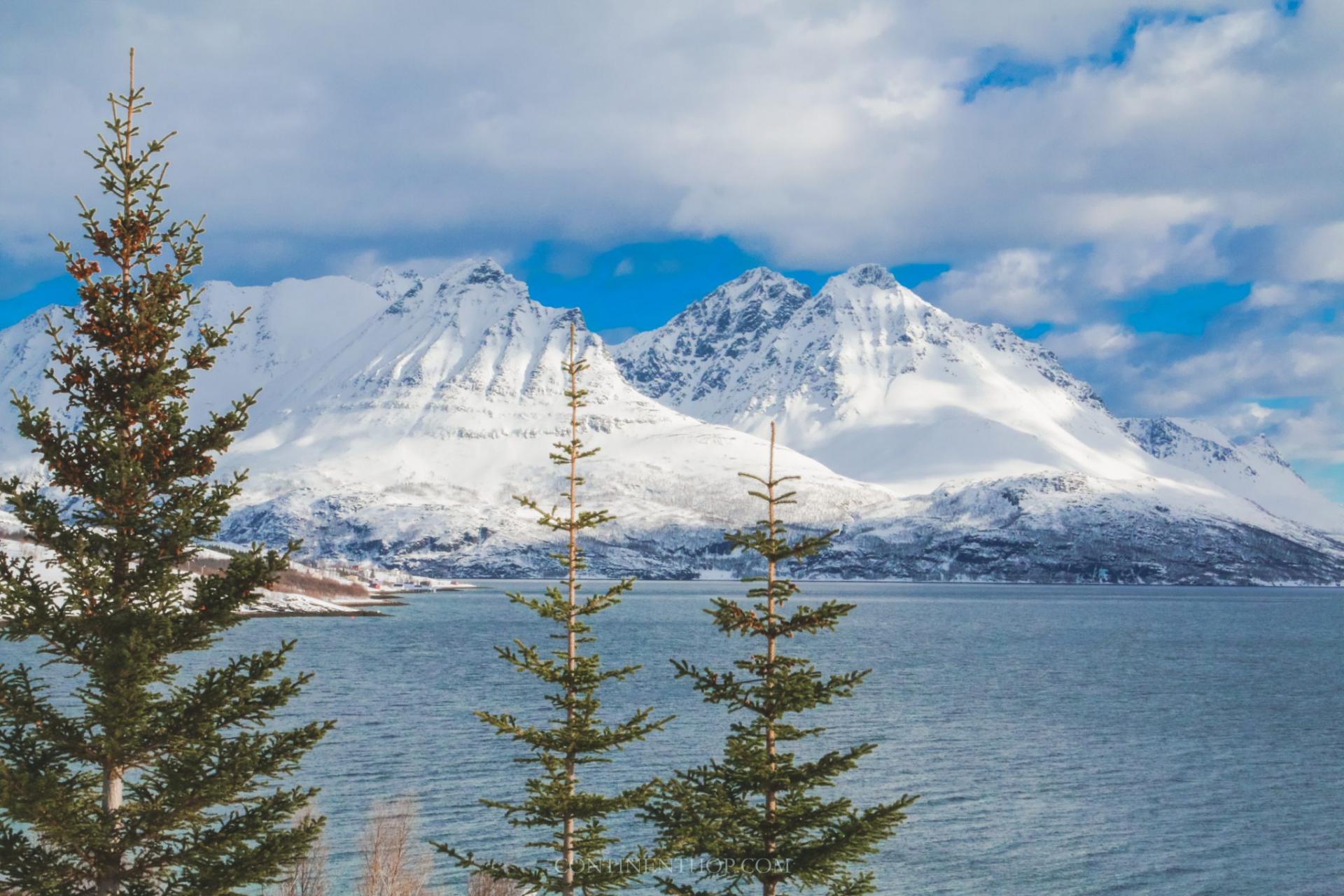
In a frenzy of ensuring my expenditure stayed low, I happened to find such a place in a remote location near Tromso called Uloya.
An island with about 80 inhabitants, most of whom only visited to get a glimpse of the Northern Lights, the location exemplified ‘offbeat’. Hidden on the other end of the island was Arctic Panorama Lodge.
It wasn’t a mean task getting to the lodge, though. After getting to Tromso, a 3-hour drive and a 40-minute ferry later, we met Svein, on Uloya, who looked very similar to a character from ‘Frozen’ to me.
He greeted us with a smile that made his eyes disappear. After feeling happy at the initial welcome, I headed to Arctic Panorama.
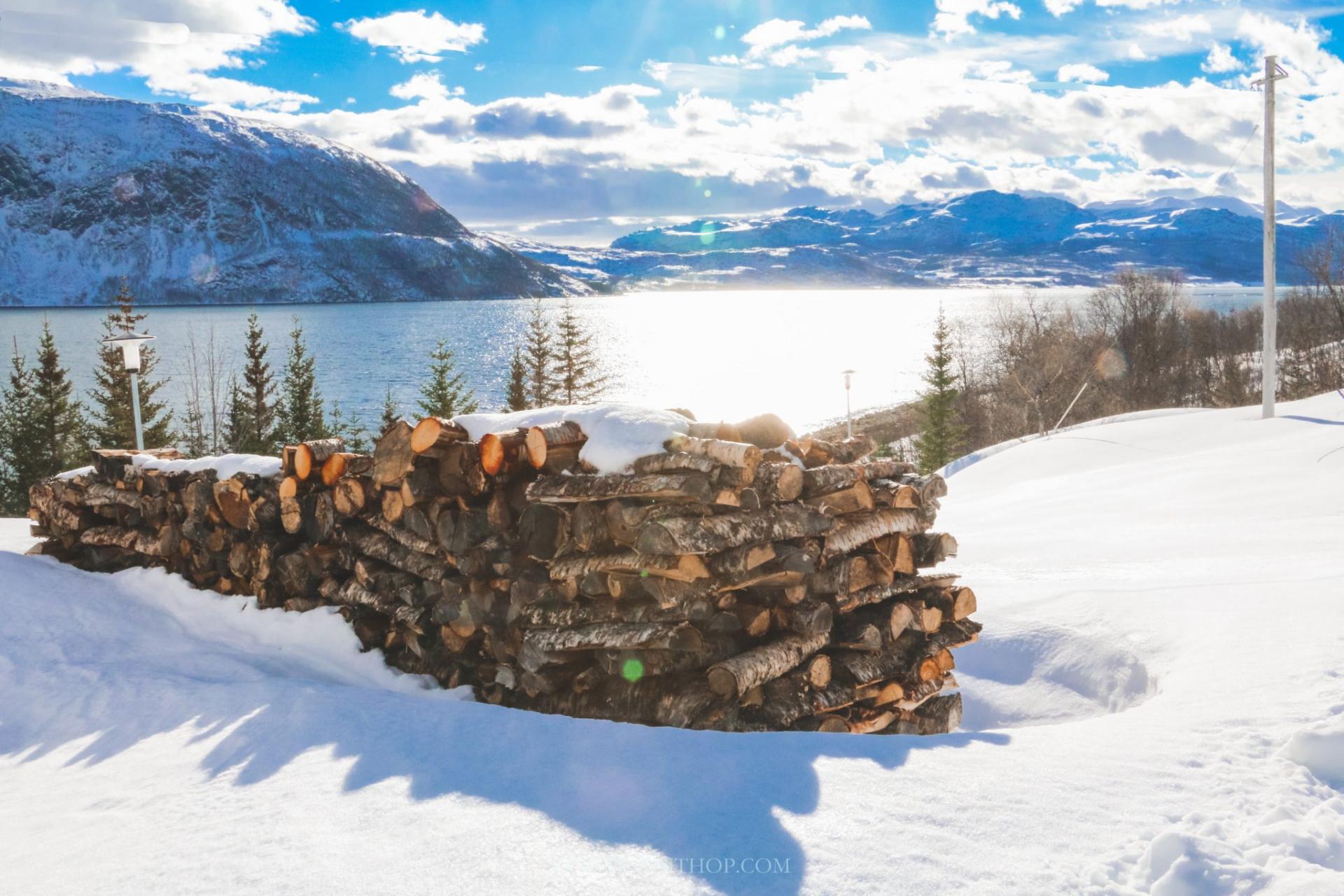
The lodge was anything but a ‘lodge’! A full-stocked bar was present as soon as we entered and the massive living room was done tastefully in hues of brown.
Fancy furnishings dotted the corners and it all felt very welcome right from the first instance. We headed to the bedroom, which was again, homely. The bathroom was elegant, super spacious and extremely clean.
After getting refreshed, I headed out to wander around. The kitchen was well stocked and Aud and Sheila were busy preparing meals and setting the table. Miniature reindeer sat on the counter.
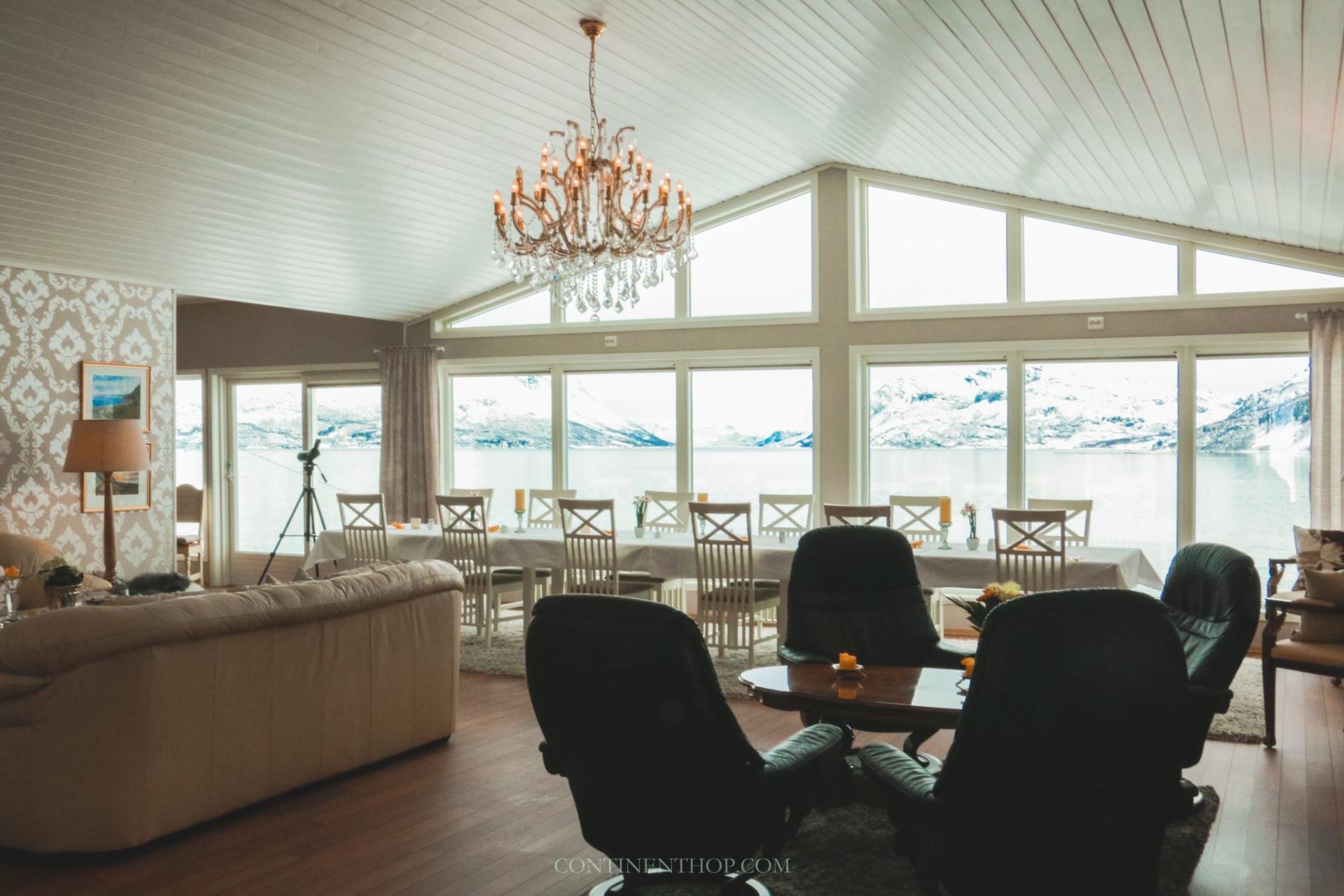
The food smelled lovely. While waiting for the table to be set, I was pleasantly surprised when I realised the dining room had full-length windows by its side and the majestic mountains were being reflected in the Arctic sea.
Not a soul was in sight other than some migrating birds. Svein chuckled and said, ‘It’s to keep an eye out to ensure we don’t miss the lights while we eat!’
While we ate delicious roe soup and heard tales from a bygone era from Aud, the lights faintly flickered outside the window.
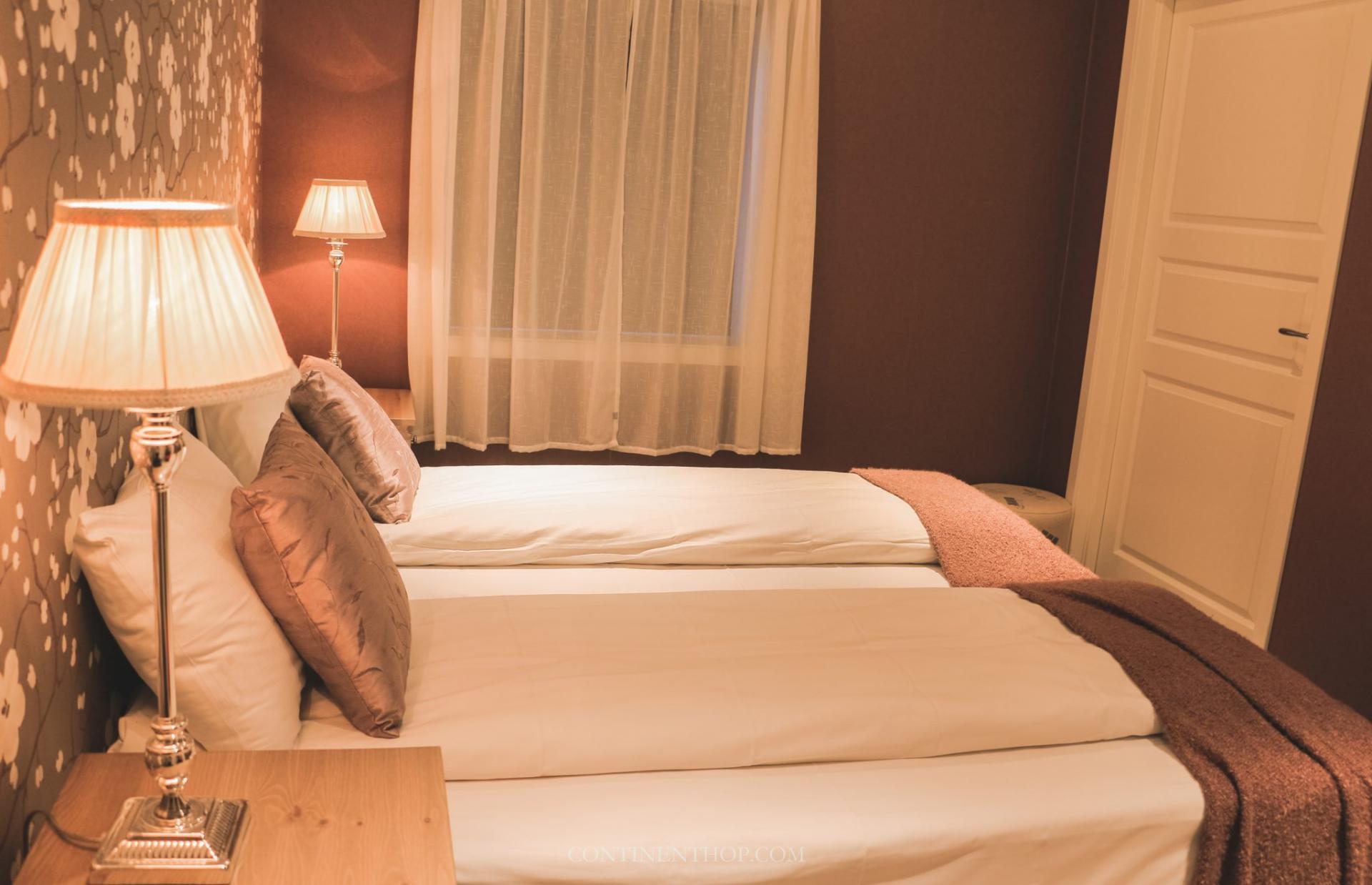
I finished my meal in a hurry, used some of the spare boots and jackets to layer myself and headed outside to wait for the Northern lights.
It wasn’t too cold, and I was reassured by the fact that if I felt cold, bed would be just a minute away.
The lights did make an appearance and it was an experience like no other. I giggled, cried and muffled my screams.
A hot tub bubbled to the side of the lodge, looking very inviting. A few other guests decided to give it a try while sipping some beer.

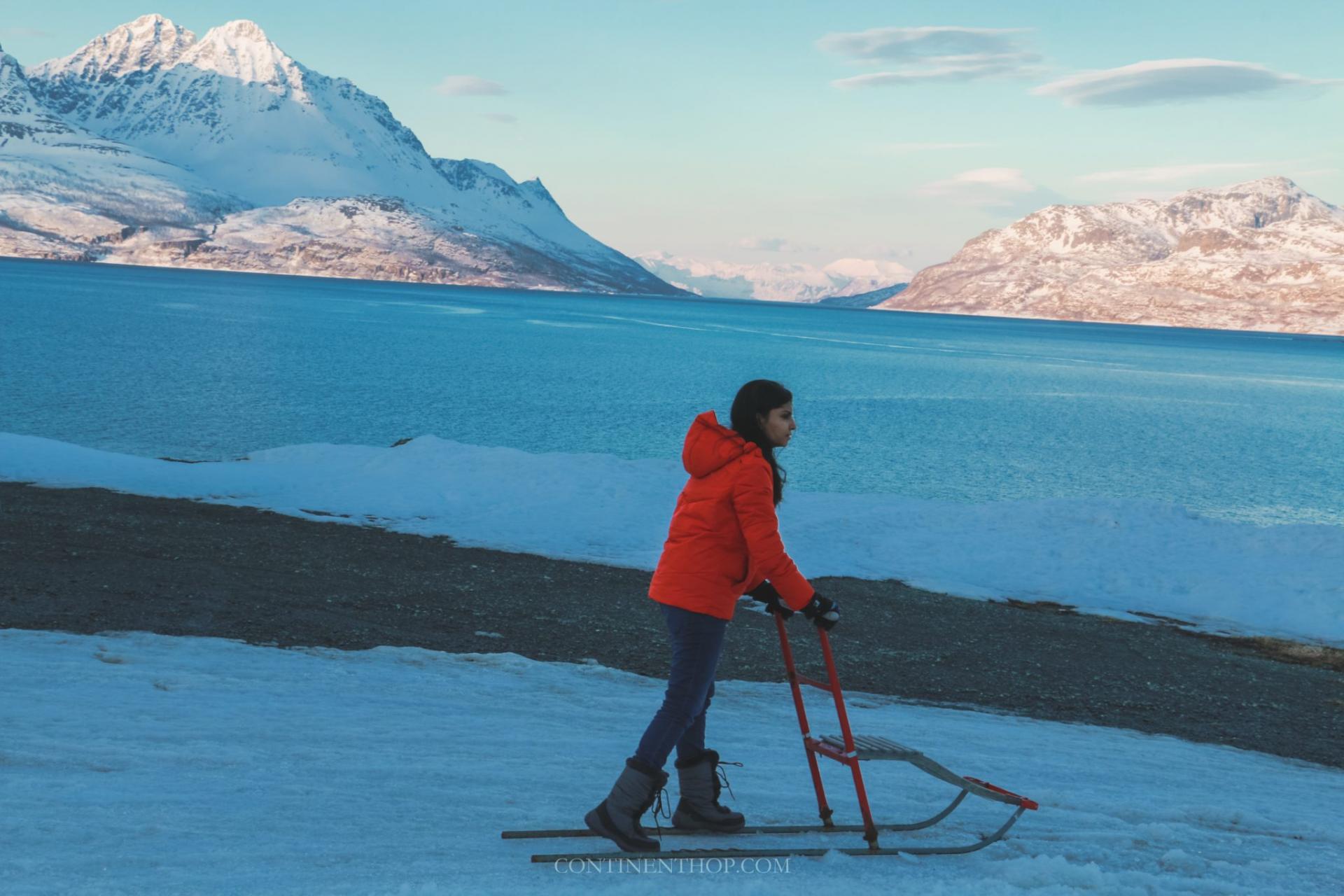
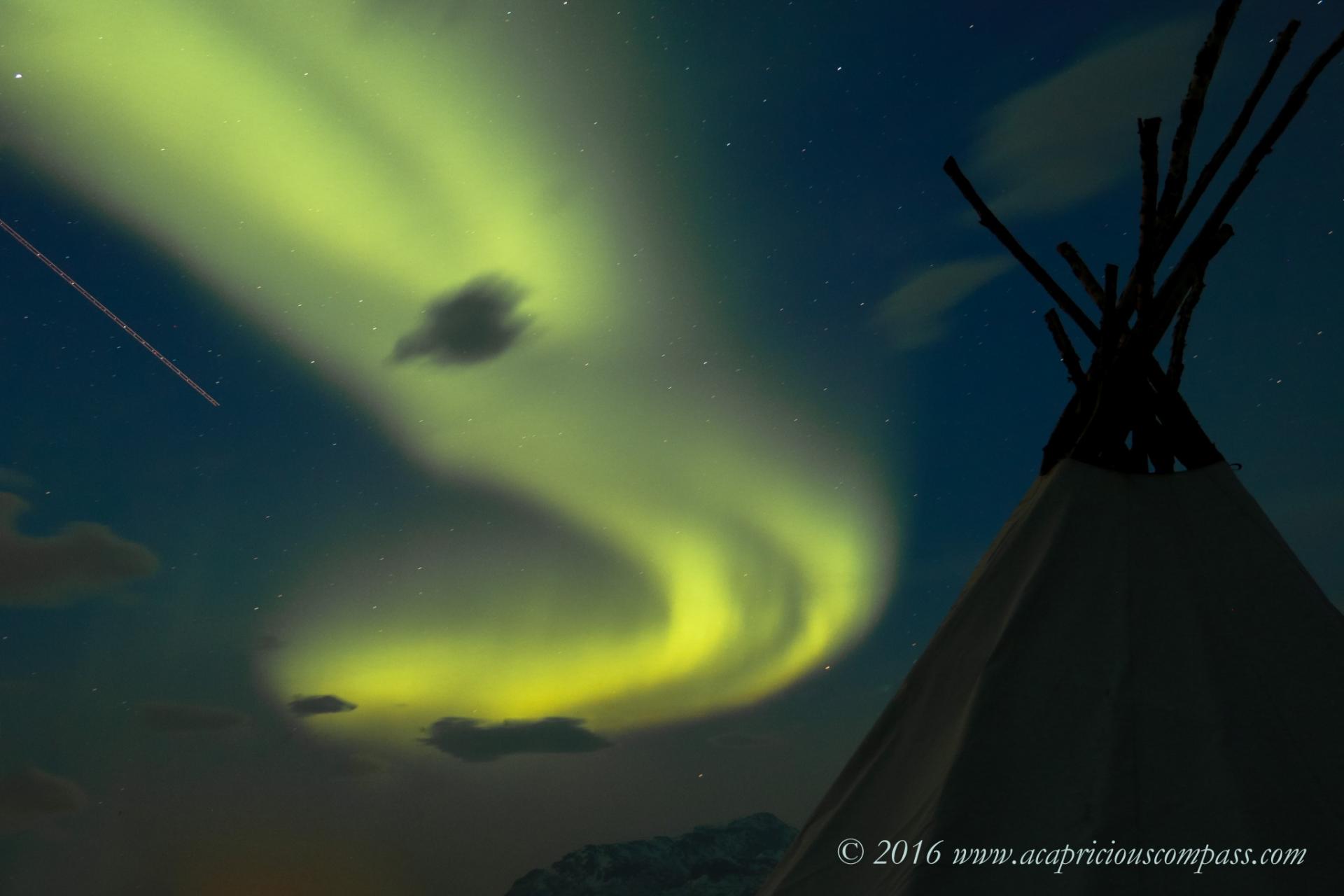
I started to feel cold and headed to my room to continue watching the lights from the window.
As I continued to watch the lights I realised, I had truly found a place that was magical, away from civilisation, where it was possible to feel both like a tourist and a local at the same time.
PIN FOR LATER!
EXPLORE MORE OF NORWAY
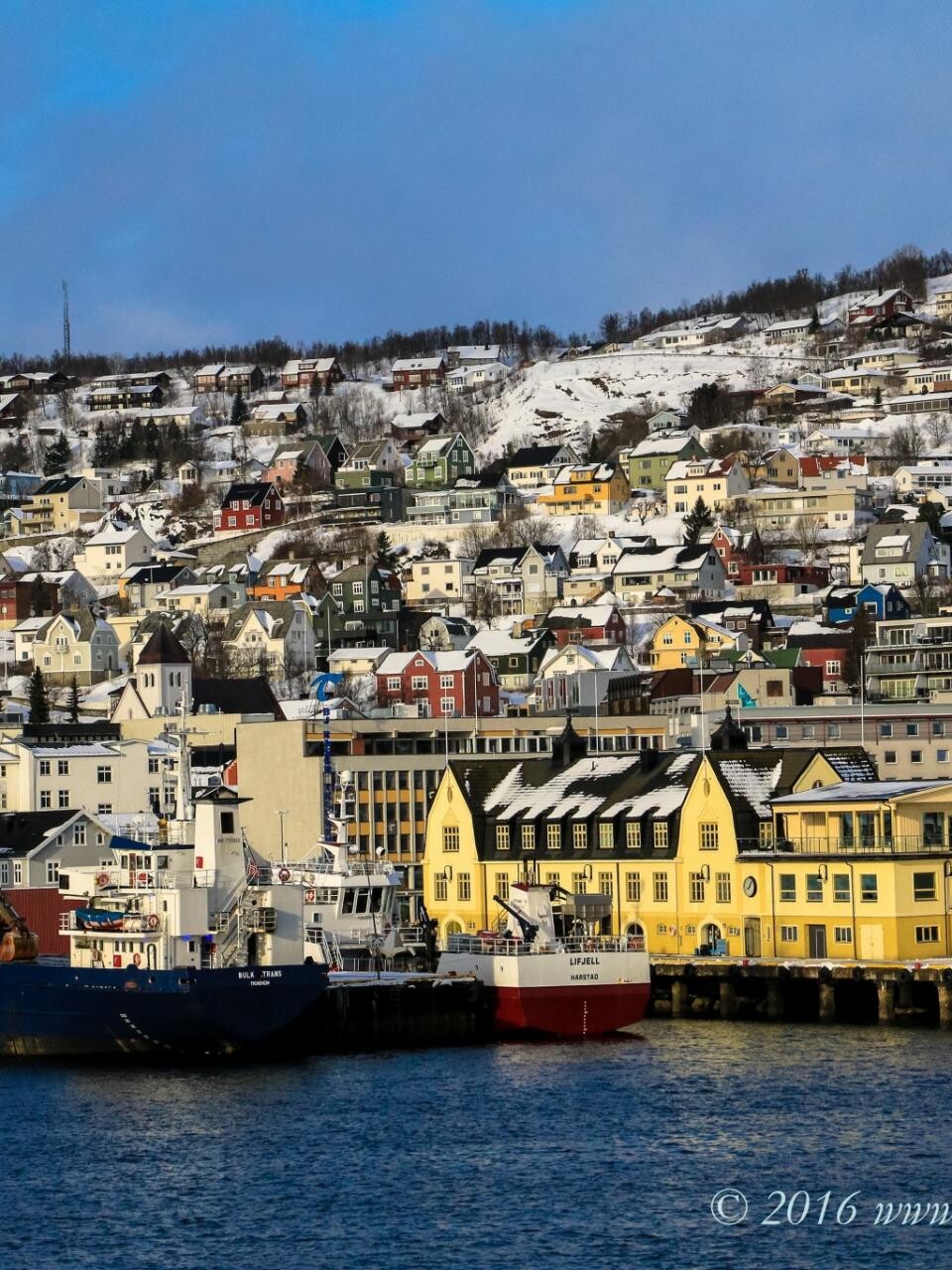

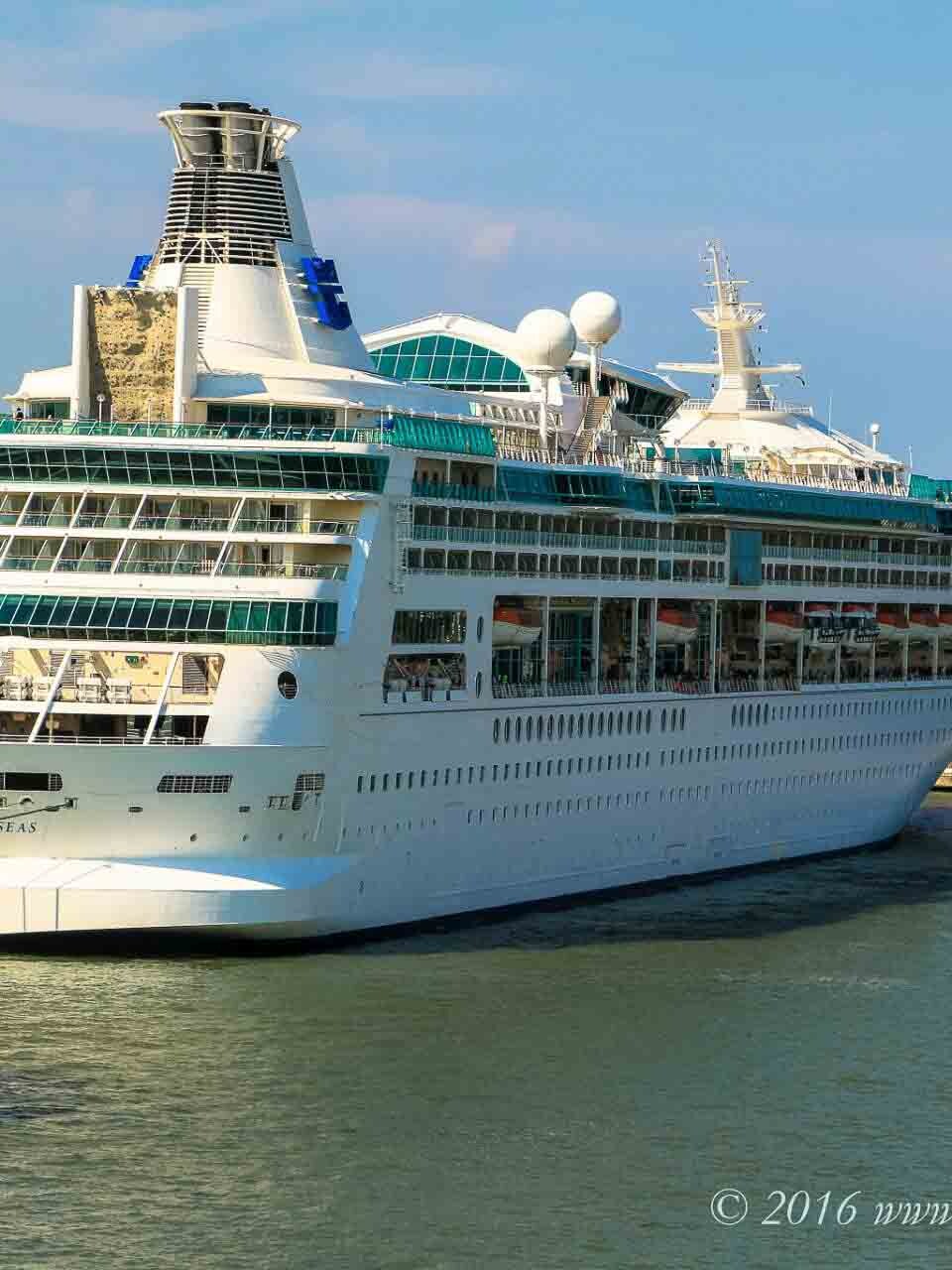
Some of the links on this post are affiliate links. These do not cost you extra to use, but will help provide Continent Hop with a small commission if/when you purchase through them, to recover some of the costs of running this website and providing free content to help you plan your travel. I appreciate your support!
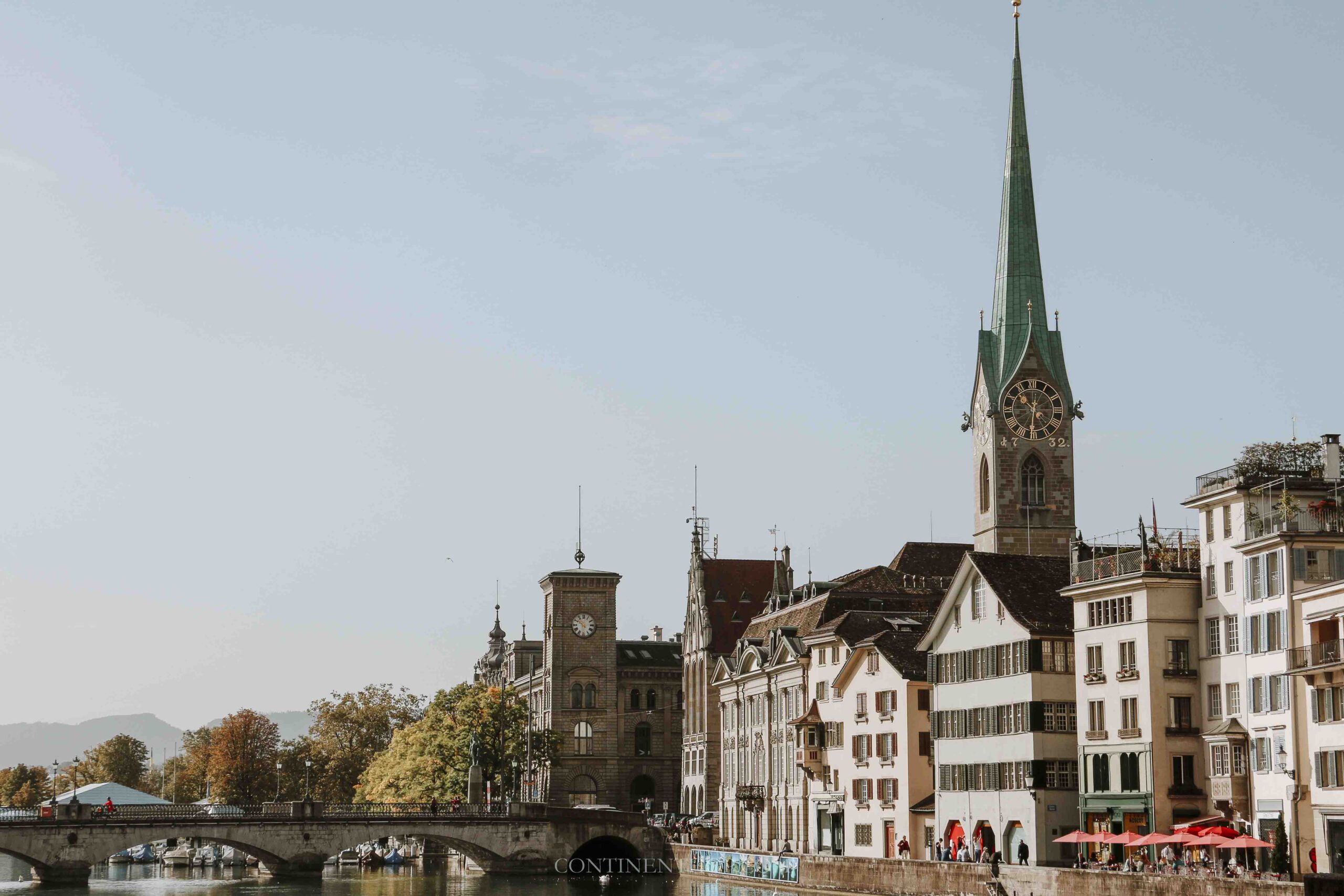
10 Best 2 Days in Switzerland Itinerary Ideas (2026)
How Do You Make the Most of 2 Days in Switzerland?
To make the most of 2 days in Switzerland, focus on two cities or one region, pair Zurich or Geneva with Lucerne, Bern, Lausanne, or Montreux for the best mix of culture and alpine scenery. Swiss trains are the easiest way to connect highlights fast. Don’t forget to sart early, use a Swiss Travel Pass, and prioritize Old Town strolls, lake views, mountain day trips, and classic local food. You can mix town walks with one alpine outing for a memorable weekend.
Updated: June 18, 2026
What can I say about the snowy paradise of Switzerland that hasn’t been said before?
It’s easy to feel tiny amidst the towering, mesmerising Alps. Fairytale villages like Grindelwald, Interlaken, and the wooden chapel bridge in Lucerne make you feel you’ve stepped back in time!
Is there a way to fit all this into a weekend trip to Switzerland? Yes, there are 10 ways to plan your 2 days in Switzerland itinerary and make the best of your time in Switzerland in 2 days. Let my experience of Switzerland travel guide your Swiss adventure!
MAKE THE MOST OF YOUR SWITZERLAND TRIP
Tours in Switzerland worth checking out
- Stein am Rhein and Rhine Falls day trip
- Engelberg, Titlis, and Lucerne Day Tour from Zurich
- Day Trip to Jungfraujoch Mountain
Where to stay in Switzerland
- Boutique Hotel Seidenhof in Zurich
- Hotel Wettstein in Basel
- Hotel Du Nord in Interlaken

Getting around on your 2 days in Switzerland itinerary
Train travel in Switzerland
The extensive network of trains in Switzerland covers the majority of the country, making it the easiest way to get around without burning a hole in your pocket. The best part about Swiss trains is you don’t have to buy tickets and pay the full amount every time you decide to use this mode of transport. There are different passes available, depending on the routes you choose and how many days you are spending in the country.
The most popular option is the Swiss Travel Pass which can be bought for 3, 4, 6, 8, or 15 days. You do not have to buy tickets at the station. Get on the train and show this pass if and when needed. You will still get discounted rates when you have a Swiss Travel Pass for most excursions and entry to almost all museums is included.
If you are spending more than 15 days in Switzerland, then consider buying a Half Fare Card. As the name suggests, this card will give you a flat 50% off on all the train journeys as well as buses, boats and mountain transport. It is valid for 30 days and you will need to buy tickets before boarding a train. Carry the card every time you use public transport as you have to show it with a ticket when asked.
I recommend opting for train travel in Switzerland as it takes you to so many beautiful landscapes and is also a eco-friendly way to travel. Be it the snow-capped mountains or scenic valleys, you will truly get to soak in the natural charm of Switzerland when travelling by train.
The train announcements are often made in English and signs are usually in English, German, French, and Italian. You can carry your luggage with you without paying any extra baggage fee or you can use luggage lockers that are available on several Swiss stations.
Please visit the official website of Swiss Federal Railways (SSB) where train timings, fares, routes, and all the information about saver passes are mentioned.
2 days in Switzerland itinerary
|
Itinerary |
Day 1 | Day 2 |
| Zurich & Lucerne | Zurich Old Town, Museum, Lake Zurich | Train to Lucerne, Chapel Bridge, Mount Rigi |
| Geneva & Montreux | Palace of Nations, Old Town, Red Cross Museum | Montreux, Chateau de Chillon, Lake Promenade |
| Zurich & Bern | Zurich Old Town, Bahnhofstrasse, Museums | Bern Old Town, Zytglogge, Rose Garden |
| Geneva & Lausanne | Geneva Old Town, Red Cross Museum, UN HQ | Lausanne Cathedral, Olympic Museum, Lake Geneva |
2 days in Switzerland itinerary – 1st itinerary: Zurich itinerary for 2 days
For those spending a weekend in Switzerland for the first time, dedicating the entire time to Zurich would be ideal.
Be it the historic Altstad or modern Bahnhofstrasse, this largest Swiss city has the perfect amalgamation of both worlds. Here is how you can plan a weekend trip to Switzerland to soak in Zurich’s beauty –
Day 1 in Zurich
Start your day with Zurich Altstadt or Old Town and stroll around pedestrian-only Neiderdorf. You can also visit Grossmünster church and Fraumünster church here as both are only minutes away.
You will find plenty of cafes and restaurants around Zurich’s old town where you can have lunch or grab some snacks on your way to more points of interest.
Reserve 1st day afternoon in Zurich for world-renowned museums. The Swiss National Museum and Kunsthaus Zürich are the two must-visit places when spending 2 days in Switzerland. If you have purchased a Swiss travel pass, most museums will be included in the pass!
Book a late afternoon tour of Lindt Home of Chocolate as this is the place for kids and adults alike.
Take a walk around Lake Zurich in the evening and opt for a boat ride or a cruise tour to enjoy the twinkling lights of the city from the water.
Day 2 in Zurich
Get out of the city on your 2nd day in Zurich and go for the Stein am Rhein and Rhine Falls day trip.
For those spending a long weekend in Switzerland, the majestic Rhine Falls and the charming town of Titisee are recommended. It will give you a chance to combine the best tourist attractions near Zurich.
After the tour, you will be back in Zurich for the evening. Reserve it for a leisurely retail therapy at Bahnhofstrasse.
If you are not in the mood to splurge, you can enjoy window shopping and find a restaurant for delicious food around here.
Where to stay in Zurich
Boutique Hotel Seidenhof is one of the top hotels in Zurich near the city centre. It’s only a few minutes away from Altstadt and is near Bahnhofstrasse, making it a perfect choice when you are spending only 2 days in Switzerland and want to experience the best of the attractions.
2 days in Switzerland itinerary – 2nd Itinerary: Lucerne and Rigi in 2 days
If you are visiting Switzerland and want to go beyond Zurich, this Lucerne and Rigi itinerary is ideal. It will get you out of busy Zurich and take you in the lap of nature.
There are more than 40 direct trains from Zurich to Lucerne. It is recommended to book your tickets in advance. If you have a Swiss Travel Pass, then nearly all the train and bus journeys in Switzerland will be covered.
It will allow you unlimited train, bus, and boat travel. As most of the Switzerland itineraries suggest the use of public transport to travel between cities, buying a Swiss Travel Pass is highly recommended.
If you want, you can spend some time in Zurich and then head to Lucerne. It will take an hour to reach Lucerne by train from Zurich.
Here’s how you can plan your 2-day Lucerne itinerary where city attractions are covered and the beauty of the Alps is also included –
Day 1 in Lucerne
Lucerne is a small city with a compact old town area where you can find most of the popular attractions. No matter how you plan your day in Lucerne, you are bound to come across the famous Chapel Bridge.
This 14th-century structure is Europe’s oldest covered wooden bridge. Walk on the Chapel Bridge to admire the artwork adorning the roof.
You can stop by the Jesuit Church as this 17th-century Catholic church is known for beautifully painted ceilings and baroque architecture along with organ recitals.
As you walk around Lucerne Old Town, you will notice historical, well-preserved houses and buildings. This architecturally rich part of Lucerne makes for an interesting stroll.
When you go beyond the Old Town, you will find the popular Lion Monument in Lucerne. This sombre memorial was created in the 1820s to honour the massacred Swiss Guards in the 1792 French Revolution.
Go towards the northern side of Old Town and you will find remains of historic fortification. With 9 towers and the medieval wall, Museggmauer is one of the top free tourist attractions in Lucerne. Go to the tower top and you will be welcomed by captivating vistas of Lake Lucerne and Alps mountains.
Depending on your interest, choose Sammlung Rosengart or The Swiss Museum of Transport before calling it a day. If you’re looking for a traditional meal, head to Le Lapin for the best dishes in town!
This Lucerne in winter article will be a perfect guide if you are planning your Swiss trip in or around December.
Day 2 in Lucerne
When you spend 2 days in Lucerne Switzerland, you can reserve the 2nd day for a trip out of the city.
The day trip to Mount Rigi from Lucerne can be done in under 8 hours, making it the popular choice when you have 2 days in Lucerne.
You can take the train to Arth Goldau and then the Rigi Cogwheel train will take you to the top from there.
You can also opt for a boat ride across Lake Lucerne – one of the best lake cruises you will ever take, and deboard at Vitznau and then Europe’s oldest mountain railway will take you to Mount Rigi.
I suggest booking this Classic Rigi Round Trip from Lucerne as it allows you to choose between half-day and full-day tours, depending on your itinerary.
Where to stay in Lucerne?
Hotel De la Paix is located in the heart of the city, making it one of the top hotels in Lucerne amongst travellers. The Restaurant Lapin-brasserie on the premises is known for offering local cuisine and you will also get amenities like free wifi and parking.
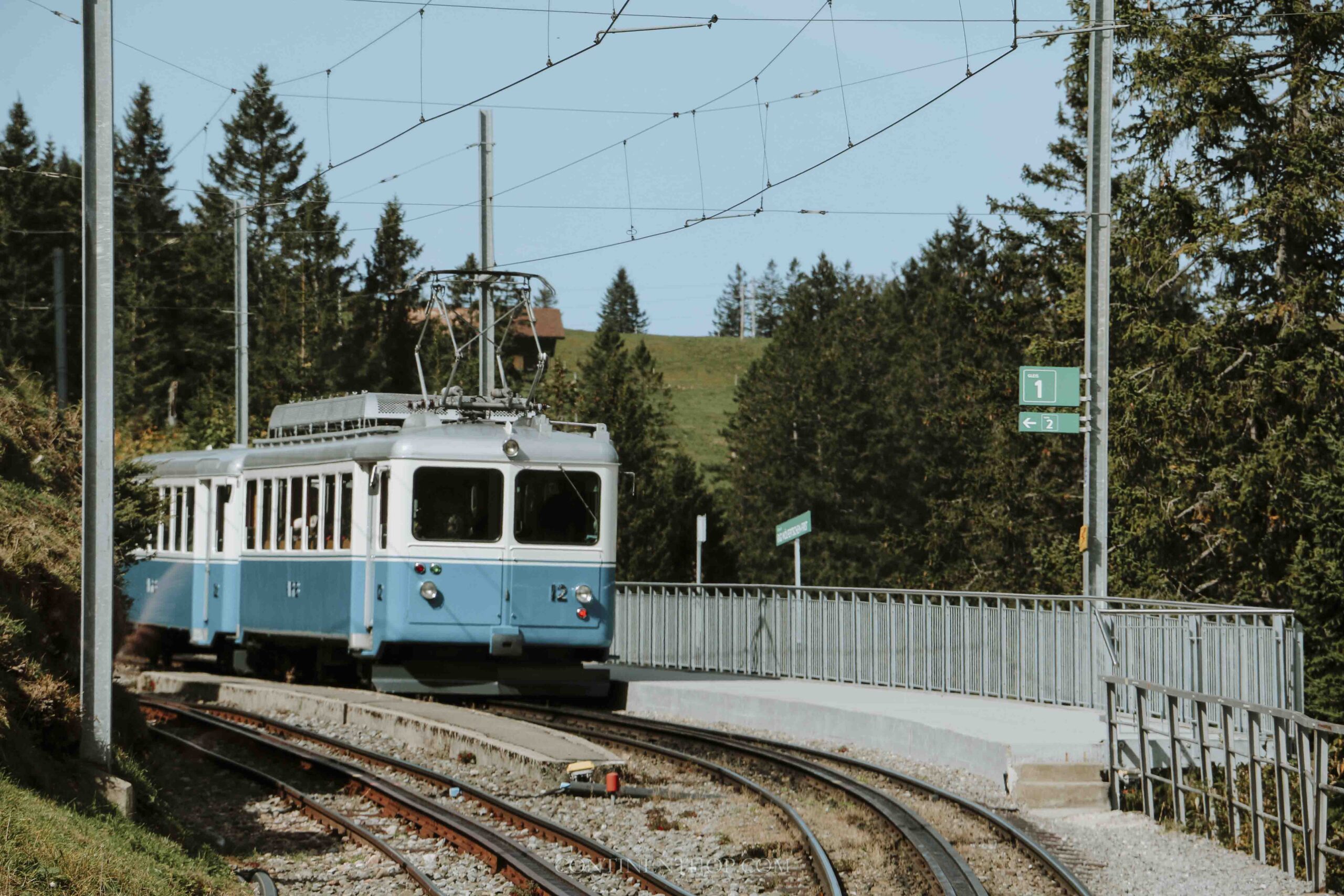
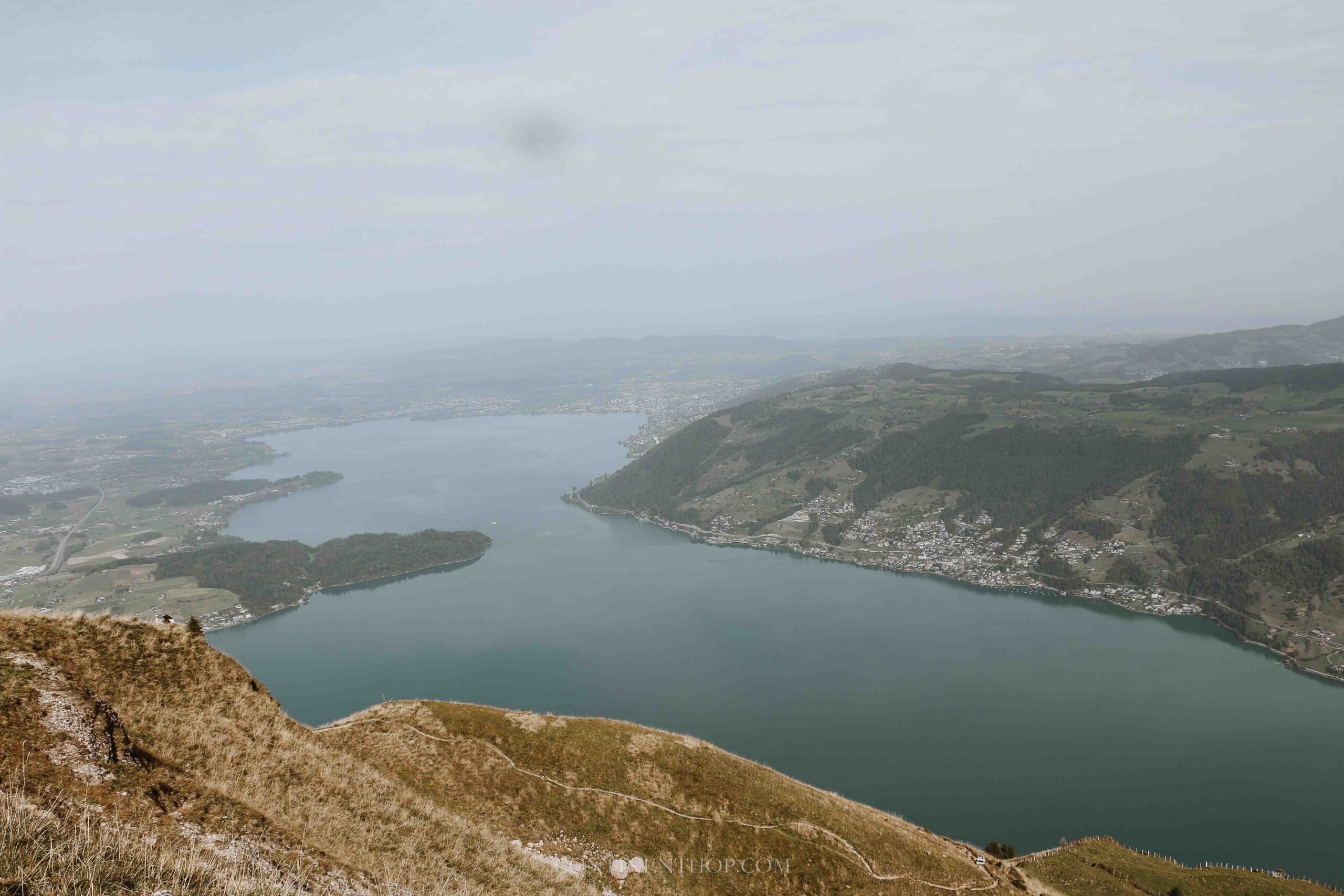
2 days in Switzerland itinerary – Itinerary 3: A Zurich and Bern 2-day itinerary for a long weekend in Switzerland
When you have a long weekend in Switzerland, you can consider this Zurich and Bern itinerary. From the modern streets of Zurich, the Bern trip will take you back in time.
This medieval city is compact, and easily walkable, making it an ideal choice for a weekend in Switzerland.
I have already covered how to explore Zurich in a day or two depending on how much time you want to spend in this Swiss city. Now, you can decide how to plan your trip to Bern.
1 day in Bern
The Bern Altstadt is a UNESCO World Heritage Site where you can stroll and shop to your heart’s content. The baroque tower of Käfigturm, with a history dating back to 1256, can be found in the old town.
The medieval tower of Zytglogge, which has served as a clock tower, guard tower, and prison, is one of Bern’s most popular tourist attractions.
You can take a guided tour of Zytglogge if you have some free time in your Bern itinerary.
If you are interested in museums, then Bern has plenty of options for you. Check the Bernisches Historisches Museum as it is one of the largest museums in Switzerland.
Other places include the Museum of Communication, Zentrum Paul Klee, and Einstein House.
When it comes to spending some peaceful time away from the hustle and bustle of the city, Rosengarten is the place to be. This serene park will introduce you to beautiful flower displays and sweeping city views.
Where to stay in Bern?
Kreuz Bern Modern City Hotel is the preferred choice amongst travellers regarding top hotels in Bern. As it is located in the centre of the city, staying here will give you the ease of exploring.
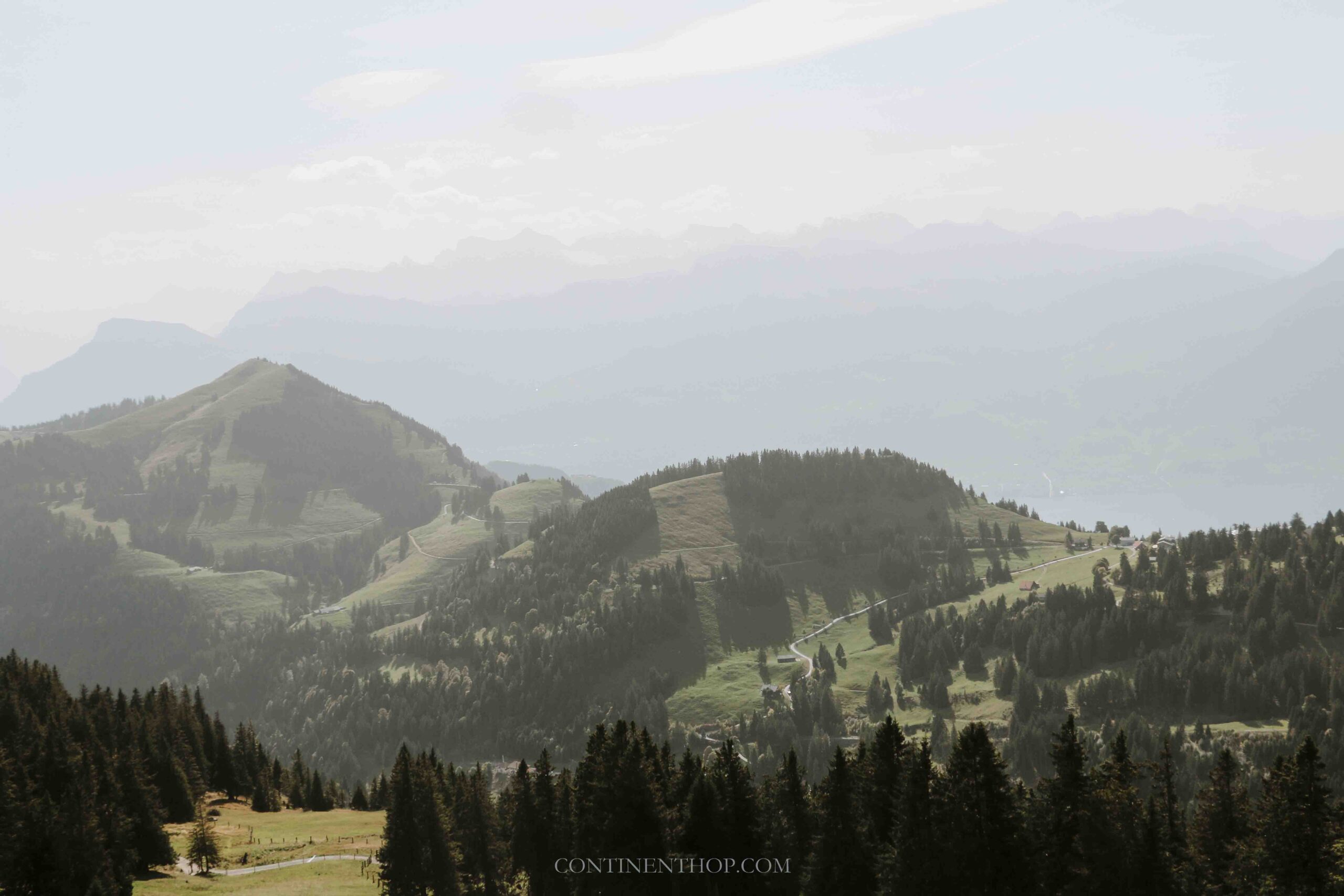
2 days in Switzerland itinerary – 4th itinerary: Zurich, Engelberg, Titlis, and Lucerne
After seeing what Zurich has to offer on the first day, you can head out of the city and take a tour of the popular Engelberg and Titlis.
You can also stop in Lucerne for some time. The lovely town of Engelberg in the Swiss countryside and the narrow suspended bridge on the Titlis Cliff Walk will be the highlights of this Switzerland itinerary.
If you think planning for different destinations when you only have one day might be difficult, you can book the Engelberg, Titlis, and Lucerne Day Tour from Zurich. This will allow you to enjoy the pristine beauty without worrying about all the logistics.
2 days in Switzerland itinerary – 5th itinerary: Zurich and Basel 2-day itinerary
Combine Zurich and Basel for your Switzerland trip and you will get the best itinerary for 48 hours.
Refer to the 1st Zurich itinerary to understand how you can plan your first day and then hop onto a direct Intercity Express (ICE) train to get to Basel from Zurich in an hour.
You can also opt for a bus ride or a road trip from Zurich to Basel, but it will take around 2 hours to reach your destination.
1 day in Basel
As goes with many European towns, the city centre of Basel is full of historical surprises.
The towering Basel Minster that dates back to 1019 and towers above Basel Old Town is the main attraction here. Visit Basel Town Hall as this striking red building will take you on the town’s historic and political journey.
Cross the Mittlere Brücke as this is the oldest existing bridge site across the Rhine.
Spalentor is another historic site of interest as it is one of the oldest city gates with a sculpted facade and a tiled roof.
For lunch, you can head to Markthalle where the indoor food market is bustling with food stalls. Be it the delicious local cuisine or popular international food items, you will find everything under one roof.
You will find several museums in Basel to take you back in time or to show you the artistic side of the city.
The Basel Fine Arts Museum and Natural History Museum are top attractions in Basel. Depending on your interest, you can also add the Basel Historical Museum, Basel Paper Mill, and Museum Tinguely to your trip plan.
Where to stay in Basel?
Hotel Wettstein is a charming establishment located a stone’s throw away from the Rhine River in the central residential quarter of the city. Booking this hotel in Basel means getting a delicious breakfast, comfy beds, and free Wi-Fi.
2 days in Switzerland itinerary – 6th itinerary: Zurich, Lucerne, and Interlaken
This trip plan is fast-paced and focused mainly on covering Interlaken. So, opt for this itinerary when you are spending a long weekend in Switzerland and have already visited Zurich.
You can land in Zurich, take a train to Lucerne, spend half a day exploring Old Town, and then head straight to Interlaken if you want a weekend in Switzerland to be in the heart of the Alps.
You can skip Lucerne and take a direct train from Zurich to Interlaken.
Day 1 in Interlaken
You will probably get only the afternoon in Interlaken on this day. So, spend a couple of hours exploring the town as this tiny central area is full of surprises.
If you get enough time and the weather stays nice, then take a funicular ride to the top of the Harder Kulm.
The glass-bottom viewing platform on the top of this mountain is known for stunning vistas that let you soak in the Alpine beauty. It is recommended to book a Funicular Ticket to Harder Kulm in advance to save some time.
For the evening, include either Lake Brienz or Lake Thun in your Switzerland itinerary for a cruise ride or kayaking.
Day 2 in Interlaken
When you wonder what to see in Switzerland in 2 days, come to Interlaken and this tiny resort town and the nearby villages will keep you engaged for the entire time so much so that you will crave more time to spend in this tranquil land.
If it is the adrenaline rush that you are seeking, then opt for this Day Trip to Jungfraujoch Mountain.
This meticulously planned tour will give you a chance to visit Alpine Sensation, Sphinx Observation Terrace, Plateau, and the Ice Palace. You can also go paragliding, zip lining, and sledging when here.
If you are looking for a peaceful time in the heart of picturesque nature, then head to Lauterbrunnen as it is less than half an hour away from Interlaken. It has more than 70 waterfalls in the region and the most popular is Staubbach Falls.
Then take a train to Grindelwald and you will get to see the most charming village in Switzerland.
Make it a fast-paced itinerary and you will be back in Interlaken in the evening. Head back to Zurich or stay the night in Interlaken, depending on your schedule.
Where to stay in Interlaken?
Hotel Du Nord is the famous accommodation in Interlaken where you can enjoy panoramic mountain views even when staying near Interlaken Ost Train Station. This excellent location is near different restaurants, cafes, and multiple tourist attractions.
2 days in Switzerland itinerary – 7th itinerary: Geneva and Montreux
With direct flights from all over Europe to this second largest city in Switzerland, you can include Geneva when planning 2 days in Switzerland itinerary. Combine it with Montreux and you will have a memorable trip.
Day 1 in Geneva
The city of Geneva is internationally known for 2 things – the European United Nations and headquarters for the Red Cross. Visitors and tours are allowed at both sites.
You can explore Palais des Nations as this historically and politically significant place is located in Ariana Park. You will find all the necessary information regarding guided tours of the Palace of Nations here.
The International Museum of the Red Cross and Red Crescent is another site to visit when you have 2 days in Geneva.
Explore the exhibits here and you will get a deeper understanding of the history of humanitarian action and the challenges in front of us.
Ensure to stroll around the old town of Geneva in the afternoon. The lazy walk will lead you to popular gems like Cathedrale Saint-Pierre and Jardin Anglais. You will find interesting shops, cafes, and restaurants around Place du Molard Square.
Get ready for the Lake Geneva Cruise after you are done exploring tourist attractions and then learn more about local landmarks and the history of the city. You will also get to see the famous Jet D’Eau before calling it a day.
Day 2 in Geneva
Get out of Geneva and head off to Montreux for a day trip. There are several direct trains between Geneva and Montreux running at frequent intervals. The journey takes around an hour, taking you through picturesque mountains and vineyards.
Get off the train and head to the old town area where waterside cafes and restaurants make for the perfect stop.
After pampering your taste buds, continue your walk along the lakeside promenade. A little more than half an hour and you will reach the famous Chillon Castle.
You will be in awe of this 1000-year-old castle in Switzerland where great halls, courtyards, and bedrooms are open to the public. You will get to see different weapons, armour, and furniture items giving you a glimpse of a bygone era.
If you have some free time before heading back to Geneva, consider taking a cog railway to the top of the mountain from Montreux station. There are different viewpoints on the top offering spectacular vistas.
Where to stay in Geneva?
There are several hotels near Geneva airport, but Ibis Genève Centre Nations in the heart of the city should be your choice. The modern rooms here will ensure you are comfortable and the location of this Geneva hotel guarantees you can make the most of your time in the city.

2 days in Switzerland itinerary – 8th itinerary: Geneva and Lausanne
If you want something more fast-paced than Montreux, Lausanne is the best option. This urban lakeside city is full of museums, parks, and historic landmarks.
Geneva and Lausanne are the best additions to your 2 days in Switzerland itinerary. A direct train from Geneva to Lausanne takes under an hour.
With the potential to keep you engaged for more than a day, Lausanne can be a quick tour or a relaxing getaway from Geneva, depending on your schedule.
1 day in Lausanne
Do you feel all the Switzerland itineraries start with exploring old town areas in different cities? Well, you are not wrong because all the Swiss Altstadt are full of charming tourist attractions and Lausanne is no exception.
This is where you will find Lausanne Cathedral with its beautiful rose window and ornate painted portal.
Place de la Palud is a cobbled square and a 16th-century fountain along with a statue of justice.
If you are visiting Lausanne on Wednesday or Saturday, then cheese sampling at the local market is a must.
You can spend an afternoon at the Olympic Museum where 10,000 artefacts along with permanent as well as temporary exhibits are displayed. It is the best place for sports enthusiasts. Parque Olímpico is the extension of the museum and is a great place to spend some peaceful time.
Alternatively, you can decide to visit the Cantonal Museum of Fine Arts Lausanne, Collection de l’Art Brut, and Explanada de Montbenon.
I would suggest combining Lausanne and Montreux as even though it is tiring, it will give you a chance to explore the best of two beautiful Swiss towns. Book this Lausanne, Montreux, and Chateau Chillon Tour for a hassle-free day trip from Geneva.
Opt for a ferry shuttle to reach Montreux as it will give you an opportunity to enjoy Lake Geneva. With stunning Alps in the background, the Lake Geneva in Lausanne looks postcard-perfect.
Where to stay in Lausanne?
If you decide to spend the night in Lausanne, then book a room at the Best Western Plus Hotel Mirabeau. This pet-friendly hotel in Lausanne is only minutes away from the city centre.

2 days in Switzerland itinerary – 9th itinerary: Geneva, Chamonix and Mont-Blanc
Refer to the 6th trip plan to know how to spend one day in Geneva. Then, for the second day, opt for the most popular destinations in Switzerland – Chamonix and Mont-Blanc.
This day trip from Geneva will take at least 10 hours and you will have to be on your toes to cover all the important points of interest.
That is why it is recommended to book the Guided Day Trip to Chamonix and Mont-Blanc from Geneva. Take the cable car to Aiguille du Midi and ride the Montenvers rack railway to the Mer de Glace glacier with this well-planned tour.
You can also consider opting for this Chamonix, Mont Blanc & Ice Cave Guided Day Tour. taking a guided tour of Chamonix village and exploring the glacier’s ice caves at Mer de Glace will be a memorable experience.
2 days in Switzerland itinerary – 10th itinerary: Geneva and Zermatt
It is important to plan a long weekend in Switzerland to make the best of Zermatt. This popular Switzerland mountain resort is all about skiing, hiking, and climbing.
So, get ready for an adrenaline-rushing experience when you visit Zermatt. You can spend a few hours in this paradise and go back to Geneva or you can choose the Zermatt itinerary 2 days and get enough time for each activity.
If you decide to spend only 1 day in Zermatt, then going with this Village Walk and Mt. Gornergrat Private Tour will be a wise choice.
Spend 2 days in Zermatt and you can include Matterhorn Glacier Paradise for the 1st day morning. For the afternoon, going to Gornergrat is recommended.
You can also enjoy winter sports and adventure activities on the 2nd day to your heart’s content. 48 hours in Zermatt will allow you to soak in the Alpine vibes without hurrying.
Where to stay in Zermatt?
Book your stay at Hotel Bahnhof and you will find 5 ski lifts nearby. This Zermatt hotel is located a stone’s throw away from Zermatt Train Station and the free ski bus stop is located right outside this property. You can enjoy amenities like a ski storage room, free Wi-Fi, a shared kitchen, and a laundry room.
Best time to visit Switzerland
The snowy paradise of Switzerland can be a year-round destination depending on the activities and attractions you are interested in.
Usually, the best time to visit Switzerland is from June to August as summer is the peak tourist season. If you are interested in winter sports, then December to February is best suited for you. The combination of skiing and Christmas markets is a dream come true for every traveller.
Spring in Switzerland is from March to June and promises warm weather and refreshing scenery.
For those looking for shoulder season for 2 days in Switzerland itinerary, then April to June or the months of September and October are ideal. The crowd will be less, the hotels will offer discounted prices, and flight tickets will be cheaper.
Do you still need more reasons to visit this extraordinary country? Take a look at these quotes on Switzerland and you will be inspired to take a Swiss trip.
How to get around Switzerland
Travelling in Switzerland is easy and convenient. With well-connected public transport options, you can explore the country without renting a car or booking a taxi.
Travelling by train in Switzerland: this is the most preferred way to explore this beautiful country as the train network is vast and the vistas it offers are breathtaking.
If you are planning to use trains, buses, and boats for most of your Switzerland travel, then it is recommended to buy the Swiss Travel Pass.
This includes unlimited travel by trains, buses, and boats in more than 90 Swiss cities and towns. It has free admission to more than 500 museums in the country. Rigi, Stanserhorn and Stoos mountain excursions are also included.
The price may feel a little steep when buying, but if you plan your itinerary well and are keen on visiting museums, and using public transport, then the Swiss Travel Pass is a game changer for you. You will have to book it for a minimum of 3 days.
Other options: you can check the schedule of Flixbus, find trams, and book funiculars where necessary.

How to reach Switzerland
If you are travelling from a nearby European country like Austria, France, Italy, Germany, or Liechtenstein, then the best way to enter Switzerland would be by train.
When you book a flight to Switzerland, you will find most flights to Zurich as this is the largest and busiest airport in Switzerland.
Booking a flight to Geneva is also an option but the number of connecting flights is lesser and it may limit your options.
If you are in Germany or France and are in the mood for a trip, then by all means, hop in a car and get ready for a picturesque road trip because Switzerland is easily accessible by road as well. Make sure you are carrying all the necessary documents required at the border check.
Switzerland’s Prettiest Places: A Quick Guide
Some of Switzerland’s prettiest places for a 2-day itinerary are the Old Towns of Lucerne and Bern, the Lauterbrunnen Valley with its 70+ waterfalls, the lakeside promenade at Montreux, and the scenic panoramas at Zermatt near the Matterhorn. For pure alpine awe, Interlaken and the Jungfrau region deliver peak Swiss magic, while Zurich and Geneva charm with cosmopolitan culture. If you want fairytale villages and wooden bridges, Lucerne and Grindelwald are simply hard to beat. The good news? Every single one of these destinations is reachable by train, so you can tick off as many as possible during your 2 days in Switzerland.
Sample 2-Day Itineraries: Zurich and Geneva Routes
Not sure where to begin? These two quick-reference routes are the most searched starting points for a 2 days in Switzerland itinerary, and both are easy to execute with Swiss trains alone.
If landing in Zurich:
- Day 1: Spend the morning in Zurich Old Town (Niederdorf, Grossmünster, Fraumünster), visit the Swiss National Museum or Kunsthaus Zürich in the afternoon, and enjoy the Bahnhofstrasse and a Lake Zurich stroll in the evening.
- Day 2: Take an early train to Lucerne, explore Chapel Bridge and the Lion Monument, enjoy lunch in the Old Town, and end with Lake Lucerne views or a Mount Rigi side-trip before returning to Zurich.
If landing in Geneva:
- Day 1: Visit the Palace of Nations, the Red Cross Museum, and explore Geneva’s Old Town, including Cathedrale Saint-Pierre and Jardin Anglais. End the evening with a walk to see the famous Jet D’Eau.
- Day 2: Take a direct train to Lausanne for the cathedral and Olympic Museum, or head straight to Montreux for the lake promenade and Château de Chillon. A ferry shuttle between the two adds a stunning Lake Geneva experience.
What Not to Do in Switzerland as a Tourist
Switzerland rewards travellers who pay attention to the local culture, and a few simple rules will make your 2 days in Switzerland significantly smoother and more enjoyable.
Avoid being late, the Swiss take punctuality seriously in every aspect of daily life, and Swiss trains run to the minute. Do not make noise on public transport; quiet carriages are observed and fellow passengers will notice. Ignoring recycling rules is another easy mistake to avoid, bins are colour-coded and littering can result in fines.
Respect local traditions: always greet with a polite “Grüezi” in German-speaking areas or “Bonjour” in French-speaking cantons. Never try to skip a queue. Do not expect stores to be open late or on Sundays, as many shops are closed and planning ahead will save you frustration. Tipping is not customarily required in Switzerland, but rounding up the bill is always appreciated by service staff.
It is important not to cross the street on a red light, jaywalk, or disregard pedestrian rules, fines are enforced even for tourists. When it comes to the outdoors, avoid careless hiking or veering off the marked paths, especially in the Alps. Always wear or carry correct outdoor gear, as mountain weather can change rapidly and trails outside designated paths can be genuinely dangerous.
Key Takeaways
- Choose 2 cities or regions for a 2-day Switzerland itinerary to get the best mix of culture and alpine scenery without exhausting yourself.
- Use Swiss trains for fast, scenic travel; the rail network connects almost every corner of the country, and the views are spectacular.
- The Swiss Travel Pass covers trains, buses, boats, and museum entry, making it the smartest single purchase for a short trip.
- Zurich and Geneva are the two main entry points, and both cities offer excellent day-trip options to surrounding destinations.
- Lucerne, Bern, and Interlaken are the top scenic picks to pair with your arrival city for a classic 2-day itinerary.
- Explore Old Towns and lake promenades; they are free, walkable, and deliver the most authentic Swiss experience.
- Following local etiquette and train rules, punctuality, quiet travel, and respect for recycling and pedestrian rules will make your trip far more enjoyable.
With so many 2 days in Switzerland itinerary options, which one are you choosing?
Is Zurich, Lucerne, and beyond your calling? Or do you want to explore Geneva and Zermatt for all the snow sports fun? No matter what you pick, Switzerland will definitely be worth every penny you invest for those memories in technicolour!
FAQs – Switzerland 2 days itinerary
-
Are 2 days enough for Switzerland?
Spending 2 days in Switzerland will give you a chance to explore at least 2 Swiss cities and visit the primary tourist attractions. Though tiring and fast-paced 2 days in Switzerland are enough to spend some time in the heart of picturesque Alps.
-
How can I explore Switzerland in 2 days?
When you are spending 2 days in Switzerland, the most preferred Swiss itinerary is to take a flight to Zurich, explore the city, and then spend the next day in Lucerne or Bern. You can also include a guided tour of Interlaken.
If you are taking a flight to Geneva, then spend 1 day in Geneva and reserve 2nd day in Switzerland for Lausanne and Montreux.
-
Where to go for 2 days in Switzerland?
Top choices for a 2 days in Switzerland itinerary: Zurich and Lucerne, Geneva and Lausanne, or mix Zurich with Bern. Each combo blends city culture and at least one alpine or lakeside highlight.
-
Is Geneva or Zurich better for 2 days?
Geneva and Zurich, both the cities come with their own charm and interesting things to do. Zurich has more fun activities for all age groups as compared to Geneva whereas Geneva offers some of the best day trips to Alps towns.
When you have only 2 days in Switzerland and want to explore any one city, many will prefer Zurich as it can keep you engaged for 3-4 days.
-
Which is the prettiest place in Switzerland for a 2-day visit?
Some of the prettiest places to see in 2 days include Lucerne’s Chapel Bridge, Lauterbrunnen’s waterfalls, Zermatt for Matterhorn views, and the lakeside promenades of Montreux or Interlaken.
-
How many days are ok for Switzerland?
You will need at least 7 days in Switzerland If you are interested in outdoor adventures and activities like hiking and skiing in Switzerland.
When you are mainly focused on Swiss cities and leisurely mountain villages, 5 days in Switzerland can also be enough. If you want to combine adventure and leisure, then it is recommended to spend 10 days in Switzerland.
-
How many days are ideal for Switzerland?
For outdoor adventures like hiking and skiing, you will need at least 7 days in Switzerland. If you are mainly focused on Swiss cities and leisurely mountain villages, 5 days in Switzerland can also be enough. If you want to combine adventure and leisure thoroughly, then it is recommended to spend 10 days in Switzerland for the most complete and relaxed experience.
PIN FOR LATER!
EXPLORE MORE OF SWITZERLAND
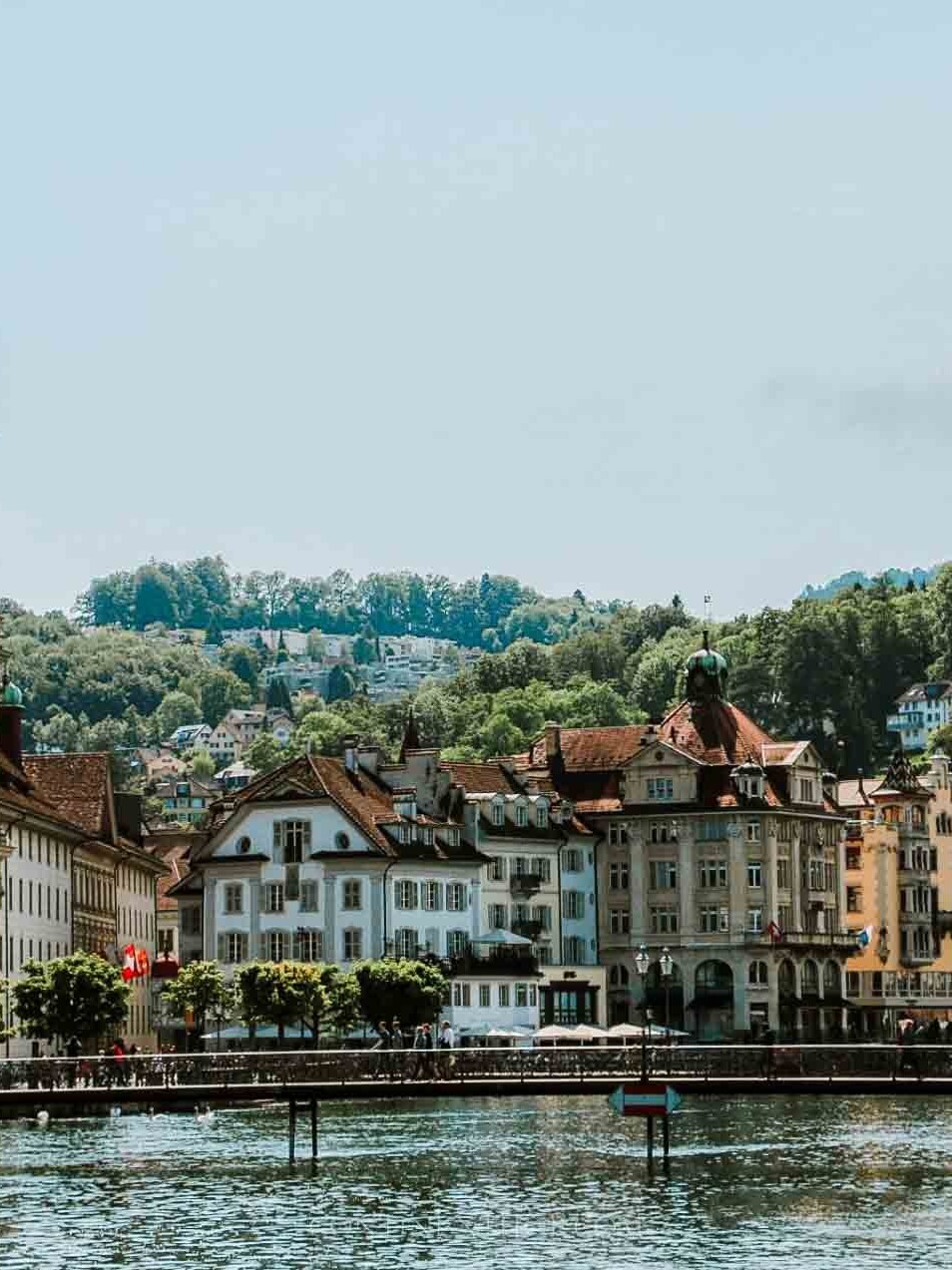
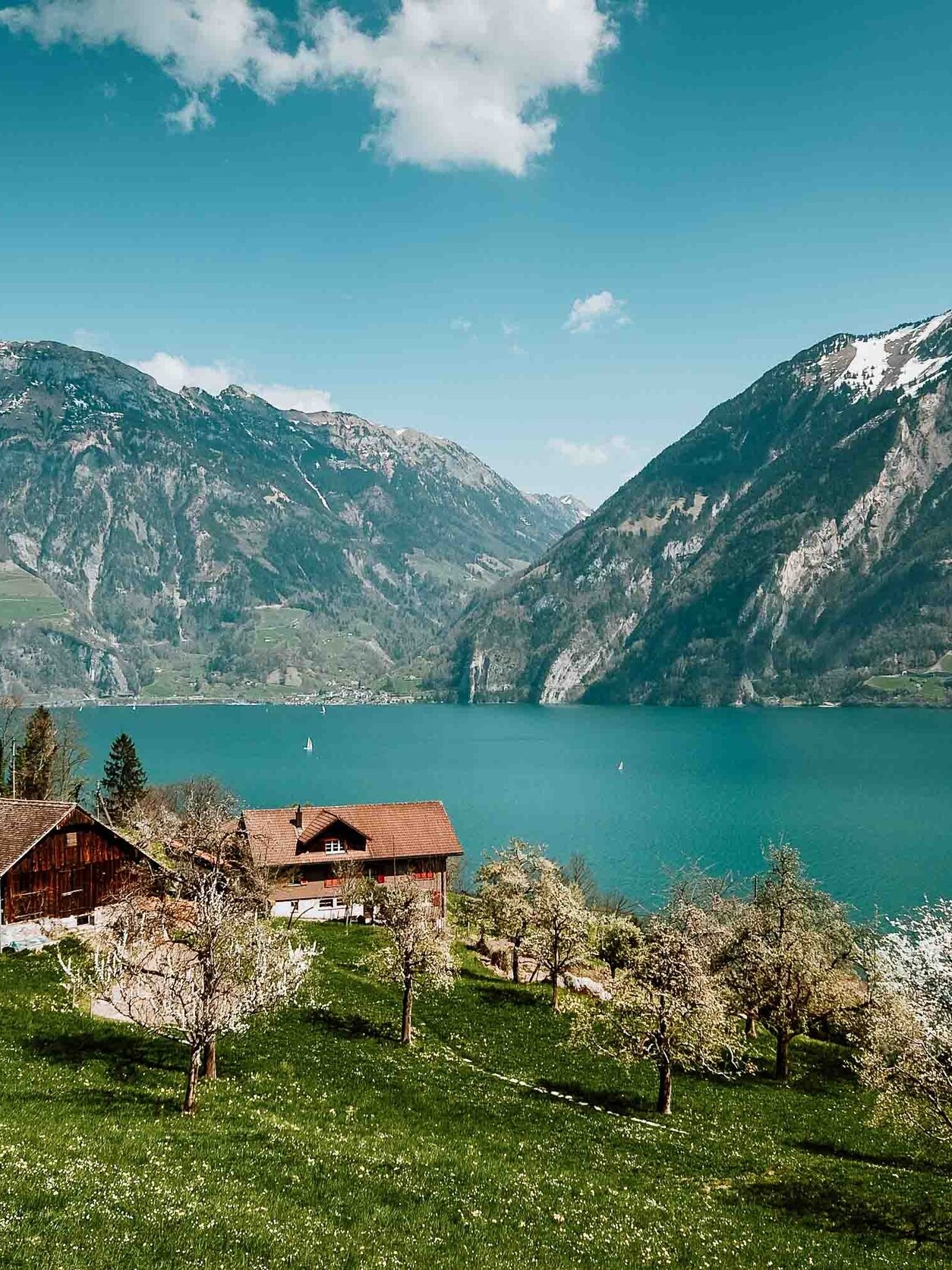


Some of the links on this post are affiliate links. These do not cost you extra to use, but will help provide Continent Hop with a small commission if/when you purchase through them, to recover some of the costs of running this website and providing free content to help you plan your travel. I appreciate your support!

Is Tunisia Worth Visiting (2026)? Here's Why + The Best Cities in Tunisia (2026)
Tunisia is underrated and many tend to overlook it! But if you’re still wondering ‘Is Tunisia worth visiting’ then here’s why you should, the best cities in Tunisia, safety in Tunisia, and the best places to go in Tunisia
Tunisia is worth visiting for its underrated pristine beaches with hardly a tourist in sight at many. However, that’s not all you get to do when you visit the country.
It is rich in history, the food is delish and ancient ruins like Carthage and EL Jem share a colourful past. Not to forget, spending a night in the Sahara is an unparalleled experience.
The Medina Guided Walking Tour in Tunis introduced me to the country’s vibrant culture, and I knew it was a place I could return!
If you adore exploring new places across the globe and adding them to your trip lists, then here’s info on why visit Tunisia, safety in Tunisia and I also answer ‘Is Tunisia worth visiting’!
PLANNING YOUR TUNISIA TRIP | THE ESSENTIALS
Guided tours for the best Tunisia experience –
Recommended hotels for the Tunisia trip –

Is Tunisia worth visiting?
Reasons to visit Tunisia
Is Tunisia a good holiday destination?
Tunisia, is a North African country and located on the north-eastern coast, Tunis is the capital city as well as the largest city in Tunisia.
The New York Times mentions Tunisia as a land of golden beaches, sunny weather & affordable luxuries.
But is Tunisia worth visiting for all this? If you are someone who loves to visit places that have it all – beaches & mountains, historic sites & modern architecture all at the same time, then Tunisia is a country you must visit.
It is absolutely worth it.
Best Cities In Tunisia
Tunis, Sidi Bou Said, Hammamet, Kairouan, Sousse are known to be some of the best cities to visit in Tunisia.

Tunis
Tunis is the capital city as well as the largest city in Tunisia.
Why is Tunis worth visiting? Because it is the place where traditions & modernity blend very well.
Most of the popular sites in the city are walkable and within a short distance of each other.
The Medina i.e. the city centre is a UNESCO World Heritage Site and an important part of the city. Take a guided tour of the Medina Of Tunis and explore different mosques and shops in the old city.
Being the capital city, the place is the centre of Tunisia’s political as well as cultural activity.
This city is known to be the richest in the Islamic world and still holds a strong influence of Islamic spirituality.
But is Tunis worth visiting for travellers who are interested in exploring the city? Tourists will never have a dull day in this city. There are a number of museums, historic places as well as architectural sites which are a must visit.
The National Bardo Museum is one of the most important museums in the Mediterranean region. If you are curious about the history of Tunisia, you must visit this museum.
Zitouna Mosque and Cathedral Of St. Vincent de Paul, Ben Bahr, and Kasbah Square are just a few places to visit!
Tunis has colourful markets, huge roads, and infrastructure all under one roof. Tourists can have a good time even if they go on a simple stroll around the city, doing nothing but admiring the wares around the Medina.
Where to stay in Tunisia?
Hotel Suisse Tunis is located in a great area of Tunis, very close to the main market.
Dar Ben Abdallah Museum, Dar Bach Hamba, and Theatre municipal de Tunis are the nearest tourist points from the hotel. Tunis Carthage is the nearest airport, 11 kilometres away from the hotel.

Hammamet
Previously, Hammamet was a fishing village surrounded by lemon groves. Presently, Hammamet is one of its popular tourist destinations due to its beaches.
If you are travelling to Tunisia, you must include this in your itinerary.
Tunisia shares its Mediterranean coastline with Egypt, which is hardly an hour away from Tunis Airport. There are a number of beach resorts and hotels.
You can also enjoy water sports on the beach. There are many beautiful beaches in Hammamet, but the beach at Mregza is comparatively secluded, and so attracts fewer crowds. You can spend time watching the sunset or if you are into swimming, this beach is perfect.
Hammamet is also famous for its beautiful 12th-century Kasbah and attractive Medina – the historic centre with narrow alleyways. Worth spending an evening strolling in this area.
If you are short on time, you can consider booking this Hammamet and Nabeul Tour from Tunis. But I would insist on spending at least 2 days in Hammamet to soak in its beauty.
Where to stay in Hammamet?
You can choose from a wide range of budget hotels to boutique hotels for your stay in Hammamet.
Hotel Khella is a basic 3-star accommodation that is known for its comfortable rooms and delicious breakfast.

Sidi Bou Said
Sidi Bou Said is also known to be one of the best cities in Tunisia.
You all might have come across many beautiful images of this place while browsing the web but visiting the city in person is magical, it will truly win you over!
Sidi Bou Said is hardly 20 minutes away from Tunis. This city is located on a cliff with impressive views overlooking the beautiful Mediterranean Sea.
The houses here are painted in white and blue. Beautiful bright bougainvillaea plants add a punch to the white & blue houses.
The city is home to numerous small yet pretty cafes, art shops, and souvenirs shops.
You can shop till you drop here if you are a shopaholic. Places like Sidi Bou Said make Tunisia worth visiting.
The city has many historical landmarks. You can also visit the Baths of Antonius and Ennejma Ezzahra Palace.
Where to stay in Sidi Bou Said?
You may love to stay at Hotel Chez Adac, a beautiful budget hotel. The beach is 850 meters away from the hotel, so you can always walk to it whenever you feel like it!

Kairouan
Kairouan is a holy city in Tunisia and holds a special significance for those who follow Islam.
The Great Mosque Of Kairouan is one of the oldest Islamic landmarks in the northern side of Africa.
Kairouan is also known for some of the best carpets in Tunisia. If you are one who loves to buy souvenirs for your home or for your friends, you should visit the carpet market in Kairouan.
Buying a carpet and travelling back with that can be expensive, but it’s still worth taking a stroll to admire them. Just make sure if you do end up buying something you bargain well – this guide should help!
Sousse
Sousse, also known as Soussa, is another popular city in Tunisia. It is located 140 kilometres south of the capital city of Tunis.
The city has many popular attractions, like the Ribat of Sousse and the Grand Mosque of Sousse.
This city is significant when it comes to Islamic culture. Sousse is also known as the pearl of the Sahel.
Like many other cities in Tunisia, Sousse also gives you lots of options for a beautiful beach holiday along the Mediterranean coast. It has many family friendly resorts and is worth visiting for a wellness getaway or a weekend away.
Where to stay in Sousse?
Dar Lekibra Boutique is a boutique hotel that serves halal breakfasts. The property is recently renovated.
El Jem, Matmata, Tamerza, and Chebika are a few more cities in Tunisia that you should check if you are planning a trip to Tunisia.


Day trip to the Sahara Desert
during your Tunisia trip
The Sahara Desert is one of the best places to visit in Tunisia, if you’re looking for an unforgettable experience.
Plan an overnight stay in a tent in the desert or opt for a jeep safari to get the best experience. This Sahara Desert Jeep Tour is currently offering discounts with complimentary lunch. A pretty good deal not to be missed.
Most resorts or hotels can arrange a desert tour for you. Star Wars and The English Patient were once shot here, making it even more fascinating for movie buffs.
Tunisia is definitely worth a trip even if its just about visiting the Sahara!
A Tunisia road trip
If you are someone who prefers road trips then Tunisia is worth considering to go on one.
But is Tunisia worth visiting for a road trip?
Yes, because there’s so much to do and transportation is unreliable in the country so having your own vehicle helps immensely. However, worth keeping in mind that driving is rash here and not all rules are followed. Hence, safety on the roads can’t be guaranteed.
If you’d still prefer to go on one, worth speaking to your hotel about arranging a dedicated cab for a day or a multi-day trip with a local driver/chauffeur included, as most cabs unless hired from places like Enterprise include one.
If you are planning a road trip in Tunisia, you must carry your national and international driving licences. Presenting both documents can help you avoid legal issues.

Is Tunisia expensive?
Tunisia can help you have a holiday that suits all budgets.
While public transport is cheap, it is unreliable. Cabs if hired, can vary. They can be cheap or expensive if you bargain well. Shared taxi’s are available in some cities.
It is worth booking your taxi in advance from your hotel for your airport pickup and drop as most places do not have the option to book a car or opt for a taxi at the airport.
You will find restaurants to suit all budgets however, most places are budget friendly and offer a wide variety of dishes too suit all palates.
Shopping is inexpensive but of course depend son what you plan on purchasing. Most items are cheap but some like carpets and perfumes can be expensive.

Why Is Tunisia so cheap?
Tunisia has been popular with families for ages however a couple of years ago, fell off the radar due to an incident which made people opt for alternate destinations like Morocco.
However, Tunisia is quite safe and if you travel to Tunisia with your family, you can have a good time on a limited budget.
A semi-luxurious resort would cost you anywhere from £75 to £125 and most resorts include buffet meals that are delish and even include items like unlimited prawns!
If you don’t leave your resort that’s quite cheap but even if you do, it can still be budget-friendly as food elsewhere is cheap too!
Best time to visit Tunisia
Tunisia is a place which has a hot dry summer and mild winter. The place is known for its Mediterranean climate that’s usually pleasant.
The best time to visit Tunisia is between May & September if you are fine with high temperatures.
If you prefer something milder, autumn that’s mainly October and November is better.
January also is a good time to visit Tunisia with average maximum temperatures being around 16 degrees.

Is Tunisia dangerous for tourists?
No! The UK Foreign Office believes most part of Tunisia is safe to travel to, although they warn against travelling to the areas near its borders with Algeria.
Visiting religious sites during festivals can be overwhelming so plan your trip when it’s not Ramadan as most places also tend to be shut.
Tunisia is ranked 94th for solo woman travellers so it is worth visiting as a solo female traveller as well. It is definitely safe for families too.
Follow basic safety tips to stay out of trouble, avoid crowded areas if you find it overwhelming and ensure you keep someone aware of your whereabouts!
Safety in Tunisia
Tunisia is generally very safe and even more so if you plan a resort getaway.
It is still safe if you plan on visiting solo as a female traveller or otherwise.
As with all places around the world, make sure you are aware of your surroundings, keep someone informed of your plans and make sure you avoid places you haven’t researched well.
Scams are common in places and its best to politely decline an offer if you’re not comfortable.
Only plan on asking prices for goods and bargaining if you plan on buying the product.
Why visit Tunisia?
You can experience a diverse culture in Tunisia. From spiritual places to deserts, beaches to museums, art shops to cafes and boutique hotels, affordable living to luxury living, you can get literally everything in Tunisia.
That’s the reason: if you are someone who prefers offbeat destinations that offer value for money, Tunisia is the right place for you!

That sums up all you need to know about visiting Tunisia – at least for the best spots and the first time! Visiting Tunisia is definitely worth it but make sure you do your research well, book in advance and plan intercity travel well!
FAQs – Is Tunisia worth visiting?
Is Tunisia worth visiting?
Yes. You should definitely think of visiting Tunisia if you are a someone who loves nature, history, adventure, and spirituality, all in one trip.
Is Tunisia good for tourists?
Tunisia is a very good destination for tourists. It is beautiful. Cheap. Vibrant and peaceful at the same time.
Is Morocco or Tunisia better to visit?
Both have their specialities, so it would be unfair to choose only one. Both have a rich history and culture with a mix of Arab, African, and European influences.
Is Tunis worth seeing?
Yes. Tunisia has a lot to offer to tourists who expect a trip full of lifetime memories and experiences.
Why do people want to visit Tunisia?
Tunisia is a country that gives you a flavour of northernmost African life, history, and culture. You should definitely visit and experience it.
Is Tunisia a good place to visit?
Absolutely! It’s safe, budget-friendly and one of the best when it comes to family holidays and resort all inclusive stays!
PIN FOR LATER!


EXPLORE MORE OF AFRICA
Some of the links on this post are affiliate links. These do not cost you extra to use, but will help provide Continent Hop with a small commission if/when you purchase through them, to recover some of the costs of running this website and providing free content to help you plan your travel. I appreciate your support!

A DREAMY 5 day Itinerary Mauritius for First-Timers (2026)
Mauritius is perfect and it isn’t just worth visiting for a honeymoon! Here’s a FAB 5 – 7 day itinerary for Mauritius that has the best bits covered for the whole island!
Mauritius, a stunning island country in the Indian Ocean, managed to stay under the tourist radar for a long time, but when the world finally discovered this breath-taking African destination, it went to the top spot especially for couples!
Here is a 5 day Mauritius itinerary I followed to experience the best of everything from Flic en Flac to Grand Bay.
And of course, your Mauritius itinerary must places to try the food in Mauritius as the traditional dishes are mouth-watering. So, let’s dive into this 5 to 7 days itinerary for Mauritius that covers the best bits!
MAKE THE MOST OF YOUR 5 DAY ITINERARY MAURITIUS
Tours in Mauritius worth checking out
- Full-Day Catamaran Cruise to the Northern Isles
- Trou d’Eau Douce: Southeast 5 Island Adventure
- Île aux Bénitiers: Snorkeling w/Dolphins Boat Tour & Lunch
Where to stay in Mauritius
- Le Suffren Hotel & Marina in Port Louis
- Tamarina Golf & Spa Boutique Hotel in Flic-en-Flac
- Ocean Villas Hotel in Grand Baie

A 5 to 7 day itinerary for Mauritius for first-timers
Itinerary Mauritius
North Mauritius (2/3) days + things to do
Day 1 – Grand Bay – Sunset Boulevard – Cap Malheureux
Begin your 7 days in Mauritius journey with a trip to Grand Bay in the north-western part of the island. It is a tourist town and one of the island’s liveliest areas.
You will come upon a magnificent public beach with little boats of colourful fishermen drifting in the turquoise seas of the ocean.
Several trailers along the coast provide snacks and fresh fruit while wandering along Sunset Boulevard (Grand Bay’s central commercial district) or sitting peacefully on the beach.
For lunch, the new ‘Eatwithfingers’ restaurant, which serves gourmet and healthful (but not traditionally Mauritian) food is worth a try. It is situated on Twenty Foot Road, just outside town (you will probably need a taxi to get there).
After your journey to Grand Bay, you may spend a few hours swimming at Peyrrbere Beach, just 10 kilometres away.
Some spots permit fishing, but do check if you need permits.
In the late afternoon, take a journey to Cap Malheureux, located just north of the island, and enjoy the spectacular scenery. To round off your first day, watch the sunset on the gorgeous beach from there.


Day 2 – Port Louis – Central Market – Caudan Waterfront – The Blue Penny Museum
The following day, go to Port Louis. Apart from the island’s famous beaches, hotels, and natural landscape, Port Louis is a vibrant city where you will learn about local life and culture.
This port is the place to go if you want to learn about Mauritanian culture and traditional Mauritian street food from the bottom up.
Start your day by touring the bazaar, Port Louis’ central market. It is one of the city’s most recognizable landmarks. You won’t miss it if you go to the bus station. There’s also a big market on Queen Street that you can explore.
The market is massive, with stalls offering fruits and vegetables, ‘mines’ (Chinese noodles), and other locally produced items.
Following your market exploration, go to Port Louis’ business core at the Caudan Waterfront, located directly on the waterfront. It’s a short walk from the marketplace.
Caudan is a beautiful destination to spend a day wandering. It has the feel of a little town while still offering contemporary amenities such as shops, restaurants, and mobile food stalls, all set against the gorgeous backdrop of the sea.
The Blue Penny Museum, which commemorates Mauritian history and culture, is one of the top museums on the island and is located in Caudan.
Eat on the beach while watching the sunset, and then go to a show on a Friday or Saturday night.
DETAILS
Port Louis’ central market
Address: 9 Corderie St, Port Louis, Mauritius
Timings: Monday to Saturday – 5 am to 5.30 pm, Sunday from 5 am to 11.30 am
Price: Free
DETAILS
The Blue Penny Museum
Address: Dans Caudan Water Front, Port Louis, Mauritius
Timings: Monday to Saturday – 10 am to 5 pm, Sunday closed
Price: MUR 280 for adults and MUR 136 for children

Day 3 – Pamplemousses Botanical Garden (half day)
A visit to the Pamplemousses Botanical Garden in the island’s north-central section is a must on your third day. The bus ride from adjacent places like Port Louis takes a couple of hours. The bus stop is just outside the door, making it simple to get there.
A half-day visit to the garden is possible. A picnic on the grass, bench, or kiosk is highly recommended. The garden, built in the 18th century by a French botanist, has a wide variety of local flora and exotic plants from all over the world.
The 37-hectare park is ideal for walking due to its well-kept walks and stunning vegetation, including giant water lilies and several palm trees. There are also some tropical fruit trees and scented plants.
Adult admission is €8, and children’s admission is €5.
After visiting the botanical garden of Pamplemousses, proceed to the island’s west coast.
DETAILS
Pamplemousses Botanical Garden
Address: VHWJ+448, Pamplemousses, Mauritius
Timings: Monday to Sunday – 8.30 am to 5 pm
Price: MUR 300 for adults and free for kids under 5
Where to stay in Mauritius?
Mauritius has a lot to offer, and deciding where to stay in Mauritius can be confusing if you are planning to explore most of this island country. So, here are a few options depending on which areas you are visiting –
Le Suffren Hotel & Marina in Port Louis is located only a kilometre from the centre, making it easy to explore the capital city of Mauritius.
Tamarina Golf & Spa Boutique Hotel in Flic-en-Flac is perfect for exploring the best of the West Coast. It is a stone’s throw away from the beach, where you can soak in the sunset and it is also near the dolphin sanctuary.
Ocean Villas Hotel in Grand Baie is loved by visitors for its own private beach area, This hotel in Mauritius also offers massages and a hammam along with organizing snorkelling session.

Mauritius itinerary
South Mauritius (2/3) days + things to do
Day 3 – Flic en Flac (half day)
Proceed to Flic en Flac on the island’s west coast after your half-day visit to Pamplemousses. It is the liveliest tourist city in the western region. You can enjoy a superb beach with views of the Morne Brabant (mountain), water activities, restaurants and clubs.
In the afternoon, have a tan on the white sand or go swimming, snorkelling, or scuba diving.
Get some snacks along with fresh fruit sold by the beach merchants such as ‘Roti Aka’, located at the beginning of the beach among the first caravans. End the third day with a sumptuous dinner in one of the beach restaurants.
Day 4 – Grand Bassin – The Eureka Creole House
The next morning, begin your fourth day in Mauritius by touring Grand Bassin, commonly known as Ganga Talao.
It is a holy area where you can visit various Hindu temples, wander along the large natural lake, and view the massive sculptures of the gods’ Shiva and Durga. Durga’s statue is also the world’s most enormous female goddess statue!
Grand Basin is a pilgrimage site for Hindus in Mauritius, who trek there once a year from the four corners of the island to commemorate Maha Shivaratri.
You can tour the Grand Bassin site in half a day at a leisurely pace, and admission is free! You may visit the temples, write a ‘tika’ on the forehead if you desire, and explore the landscape that surrounds the lake and the many religious sculptures that line its perimeter.
After touring Grand Bassin in the morning, spend the afternoon exploring one of Mauritius’ last and most spectacular colonial Creole houses: the Eureka home near Moka in the island’s middle.
This 1830 colonial house was converted into a museum in 1986. It belonged to the French and British aristocracy, which dominated the island then, and now enables visitors to experience nineteenth-century colonial life.
DETAILS
The Eureka Creole House
Address: Montagne Ory, Eureka Lane, Moka, Mauritius
Timings: Monday to Saturday- 9 am to 4.30 pm, closed on Sunday
Price: MUR 300 for adults. Different packages are available.

Day 5 – Black River Gorges National Park – Tamarin Beach
Day 5 begins with a trip to Tamarin City. Tamarin is located immediately next to Flic-en-Flac and is easily accessible by bus.
You may trek at Tamarin’s Black River Gorges National Park during the morning. It is the largest island (6754 hectares) and provides a beautiful journey amid the rainforest, surrounded by rich foliage. The park is your chance to explore stunning landscapes, rivers, waterfalls, and diverse flora and wildlife.
The guided trek will last the entire morning, from 8 to 10 hours. If you want to hike alone, remember to take your bearings and plan your route beforehand since there are several pathways.
You can eat a picnic lunch in the park’s wilderness. Afterwards, go to Tamarin Beach, just a few kilometres away. You can have a relaxing afternoon there with beautiful views of the setting sun.
If you’re looking for a 7 day itinerary for Mauritius
Day 6 – Le Morne Mountain – Le Morne Beach – Rhumerie de Chamarel
Spend your sixth day at the southwest end’s Morne Mountain, a UNESCO World Heritage Site.
Start climbing Morne in the morning. The last section of the trek is a challenging climb to the peak. But the view from the summit is simply incredible. You will be treated to a spectacular vista of Mauritius’ whole south coast and the Indian Ocean.
After all this, spend 1 – 2 hours on the beautiful beach of Le Morne, which is pristine and calm.
Afterwards, take the route to Chamarel, just a few minutes away by bus or cab from the beach. Chamarel is where you may find one of Mauritius’ most famous natural wonders: the Earth of Seven Colours.
The admission fee to the site is around 3 euros per person.
To round up the day, go to the Rhumerie de Chamarel, often known as the ‘Curious Corner’ of Chamarel. It is the museum of optical illusions and is near the entrance. The visit will last 1 hour and is amusing and engaging especially if you have kids.
Day 7 – Trou d’Eau Douce – Deer Island
Visit Trou d’Eau Douce on your last day in Mauritius. You can take a boat from the beach to the island of Deer. Deer Island is a little paradise with white sand beaches and clear seas. You may spend the day there resting and bathing.
The island also includes several stores where you may purchase gifts to take home and excellent restaurants serving a range of cuisines. This is a fitting way to end your 7 days in Mauritius trip.
This 7-day itinerary should help you plan a great vacation, especially if it’s your first visit here.


Tips for your itinerary Mauritius
Visiting Mauritius may be a fascinating and enlightening adventure. As exciting as an experience may be, it’s tempting to let yourself get carried away. Keep in mind the importance of safety and security measures when travelling internationally.
If you follow these tips, your vacation to Mauritius will be one to remember for all the right reasons.
Get familiar with your travel destination.
You should learn about the best areas to stay in, the least dangerous hotels, and crime rates by reading reviews written by other travelers and talking to locals.
The suggestions listed above by region are some of the best on the island and are well-rated.
Pack your things appropriately.
Even though it is warm all year, you should still bring a thick sweater and long trousers. Mosquitoes may also be a serious problem in Mauritius. Mosquitoes are common all year, especially in national parks. Malaria and dengue fever are not a concern in Mauritius; however, mosquito bites are. Mosquito repellent is always important, but you can get it just as readily at the local stores nearby.
Also, note that Mauritius has a different power outlet arrangement from that of the majority of Europe. Most hotels provide converters or have regular European outlets in addition to Mauritian ones. However, just to be safe, we suggest taking a travel adapter along with your things.
Get some safety equipment
It would be best if you took precautions against pickpockets by purchasing clothing and accessories that make stealing valuables harder.
Keep your guard up while using public Wi-Fi
Credit cards and Social Security numbers are easy pickings for hackers who target people using public Wi-Fi. Installing a virtual private network (VPN) before leaving home is the safest way to use the Internet when away from home.

How do I get around Mauritius?
Transportation options include using public transportation like the bus or hiring a taxi or vehicle (with or without a driver). The hotel may call you a taxi or provide information on reliable transport services.
Public transport in Mauritius
If you want to experience real life in Mauritius and meet locals, you should take the bus at least once. The several bus companies in Mauritius cover almost all of the island’s major thoroughfares.
The buses run from 5:30 a.m. to 8:30 p.m. on weekdays in the city and from 6:30 a.m. to 6:30 p.m. on weekdays in the countryside. Before you leave, find out from the front desk or your host what time the local buses run.
Private driver in Mauritius
You can hire a private driver with your Mauritius car rental. All of the drivers are very courteous and focused on the needs of the passenger. The drivers are bilingual in English and French and may accommodate requests for drivers who speak other languages.
The private driver service is also available for night-time rentals. You can go out dancing at a local nightclub, dine at a five-star restaurant, or do whatever your heart desires.
Local transport services in Mauritius provide convenient, on-demand access to a wide variety of vehicles, each staffed by a licensed driver, for all land transportation needs, including transfers to and from the airport.
Depending on the number of people and your tastes, you can choose from family cars, SUVs, or luxury coaches.
Renting a car in Mauritius
Renting a vehicle, scooter, or bicycle and bringing a map or GPS device will allow you to explore the island at your speed. It’s cheap to rent here.
Keep in mind that in Mauritius, traffic flows from right to left, and left turns are always given the right of way. If you need help, stop and ask a stranger for directions.

It isn’t surprising that a island like Mauritius has almost everything to offer to visitors no matter their tastes and preferences.
The island is lush and full of activities to suit every type of traveller. Make sure you plan your itinerary for Mauritius well as you can add plenty of items to suit your tastes! Irrespective of the month the itinerary is perfect to get the most from your holiday in one of the most beautiful regions of Africa!
Itinerary Mauritius – FAQs
When are the best times to go to Mauritius?
October to December is the best time to go to Mauritius however shoulder season helps you save during the months of January – March and September.
March provides ideal weather conditions for a trip to Mauritius. Mauritius has a subtropical climate that is often sunny, warm, and clear, making it a perfect beach resort for most of the year.
The southern Chamarel Mountains get rain all year, giving them a lush green cover. Still, the rest of the island sometimes receives considerable rainfall for long periods in January and February when storms come in from the Indian Ocean.
How many days in Mauritius?
7 days in Mauritius is ideal for a first visit. The above 7 day itinerary for Mauritius should help. A shorter vacation to Mauritius would not provide enough time to relax and enjoy the island’s numerous incredible sights and activities. You need to stay at least a week in Mauritius to take in the attractions it has to offer.
What is the official currency of Mauritius?
Mauritian rupee is the country’s official currency. Most tourist-oriented businesses accept credit cards. You may use your card to withdraw local money from numerous ATMs around the country.
Like other tourist destinations, you should carry local currency for small purchases and tips. Credit cards, particularly Visa, Mastercard, and American Express, are also accepted practically everywhere in Mauritius.
Is Mauritius expensive?
Traveling to Mauritius might be expensive, but it’s possible to save significant savings by carefully planning your trip and booking your accommodations.
PIN FOR LATER!


EXPLORE MORE OF MAURITIUS
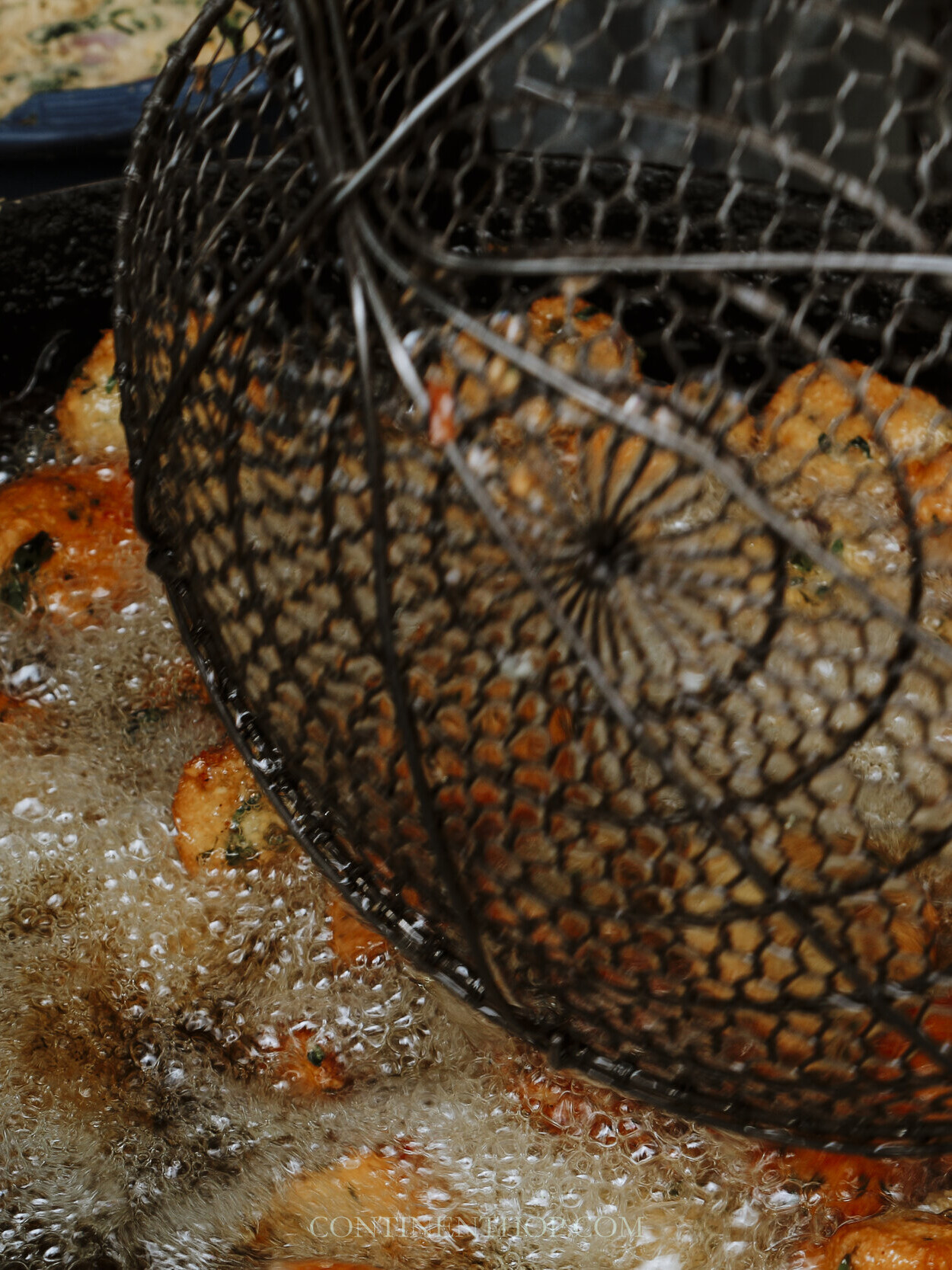
Some of the links on this post are affiliate links. These do not cost you extra to use, but will help provide Continent Hop with a small commission if/when you purchase through them, to recover some of the costs of running this website and providing free content to help you plan your travel. I appreciate your support!
Swimming in the Dead Sea Jordan + Dead Sea tips! (2026)
Swimming in the dead sea might look like a lot of fun and can be however you have a keep a few things in mind to ensure the water doesn’t sting you! Visiting the Dead Sea Jordan is a better option and here’s all the tips and tricks you need for a fun visit!
A few people continued swimming in the Dead Sea; the saltiest lake in the world, their faces caked with therapeutic mud while the sky gradually turned a blazing orange!
We were visiting the Dead Sea in Jordan, which honestly had far better amenities than the Dead Sea on the side of Israel, however, it also had one drawback: there were only a few public spots where one could take a dip in the Dead Sea.
Most areas were private, accessible only to the hotels and resorts present there. However, there were a few hotels were you could buy a day pass and head to float on the Dead Sea.
After a busy day inside Petra, it felt like dedicating a day or two here on our Jordan itinerary was justified.
After our dip in the warm waters, we walked back to our rooms while the buffet was served and belly dancers got ready to perform!
I’d visited the Dead Sea in Israel and I was ready for another swim the next day! Here’s the important Dead Sea tips and tricks you need to keep in mind!
PLANNING YOUR TURKEY ITINERARY | THE ESSENTIALS
Top-rated tours in Turkey:
- From Amman: Petra and Dead Sea Private Day Tour
- Jordan: Private Tour to The Dead Sea and Baptism Site
- From Amman: Dead Sea, Mount Nebo, Madaba, & Baptism Day Trip
Recommended hotels for the Dead Sea trip –
Why is the Dead Sea called ‘Dead Sea’?
The Dead Sea is not really a sea but is actually a saltwater lake in the Jordan Rift Valley with the Jordan River as its biggest tributary. The surface of the lake lies at 1,412 feet below sea level and that makes the region surrounding the lake the lowest point on Earth!
What’s even more fascinating is that the Dead Sea lake is actually one of the most saline water bodies in the world – even more so than the world’s oceans. While oceans have an average salinity of 4%, the Dead Sea has almost 35% salinity.
It is because of these reasons that no life can flourish and the lake is absolutely devoid of any plants or animals, thus the name the ‘Dead’ Sea.
Swimming in the Dead Sea – Visiting the Dead Sea Jordan
The Dead Sea has been a very popular tourist destination in Israel. Most tourists visiting Israel make it a point to experience the Dead Sea, but what most do not know is that the Jordanian side of the lake is equally spectacular and is one of the best places to visit in Jordan.
What’s even better is that the Dead Sea in Jordan sees far fewer tourists than Israel – meaning your experience of the Dead Sea might actually be better in Jordan than in Israel!
It is possible to visit the Dead Sea during a day trip from either Amman or Aqaba. To complete the perfect route, visit Petra first, and then make your way to the Dead Sea the next day.
For those who would like the complete experience of witnessing this saltwater lake’s magic even at night, there are enough resorts to spend a night or two.
The easiest way to reach the Dead Sea is by hiring a car. It is the most convenient and fastest way. With the vast expanse of the Dead Sea on one side and Jordanian hills on the other, this by road trip is something worth experiencing.
If you’re not into driving, you could also hire a taxi from Amman or Aqaba. But if you’re on a strict budget and don’t mind roughing it up, buses run frequently from Amman to Rame which drop you a couple of kilometers before the Dead Sea.
From here on, you could hitchhike as getting a lift is not difficult here but if you’re a solo woman please ensure you put your safety first and stay aware! This is applicable for almost every country in the world.
Places to stay near Dead Sea Jordan
Most places to stay near Dead Sea Jordan are located on the north shore of the lake. From luxurious resorts to budget hotels and hostels, there are enough options for everyone.
For those with a cushy budget and willing to splurge, these Dead Sea resorts come with their own stretches of private beach with showers to wash off the salt after your swim.
Check best prices here:
-
Ma’in hot Springs (best if you’d like to stay someplace offbeat but close to the Dead Sea)
In case swimming in the Dead Sea is not something you’re interested in, both these resorts also have their own pool where you can enjoy a not-so-salty swim!
There are also plenty of mid-range hotels available around the Dead Sea in Jordan. These are all affordable yet fancy enough for a comfortable stay. We stayed at the Dead sea Spa hotel and had a great time but did check out the other properties in the area too!
Check best prices here:
For those on a tight budget, these options are decent.
-
Dead Sea Resthouse
-
O Beach Dead Sea
Otherwise, consider spending the night in Amman and taking a day trip to the Dead Sea since the lakeside stay options on a budget are next to none.
However, for those looking to get out of Amman for the night and still staying within budget, spending the night in the town of Swemeh would be a convenient option.
Weather in Dead Sea Jordan
During the peak tourist season in the summers, the temperatures around the Dead Sea in Jordan can range from 30 to 40 degrees Celsius. On the other hand, winters can be quite chilly and make it difficult to go for a dip in the Dead Sea.
The best time to visit the Dead Sea in Jordan is usually around spring (March and April) and autumn (October and November). This is when the weather is not too hot and not too cold – making it just perfect for a swim.
Another plus point of visiting during the fringes of peak season is that you get very sparse crowds – almost as if you have the entire place to yourselves. Additionally, taxi and hotel rates also drop so it’s a win-win situation!
Amman to the Dead Sea
The Dead Sea in Jordan is most easily accessible by Amman. Amman to Dead Sea is 60 kilometers and it just takes 45 minutes to drive down to this paradise.
If renting your own car is not an option, taxis can be easily booked for the day. There are also daily JETT buses that leave for the Dead Sea at 9 am and come back to Amman at 6 pm the same day. So whether you’re going for a day trip or to spend a night, this is another convenient (and cost-effective) way to reach the Dead Sea from Amman.
Can you swim in the Dead Sea?
Swimming in the Dead Sea is much different than swimming in any other water body – for the simple reason that because of the lake’s salinity, its density changes, making it nearly impossible for you to swim in the Dead Sea.
The moment you enter the water, you will feel much lighter because of your body’s buoyancy and a few meters in, it will be impossible to stand or swim and floating in the Dead Sea will be the only option. Swimming in the Dead Sea is actually a great experience, but a few pointers need to be kept in mind:
IMPORTANT TIPS WHEN VISITING THE DEAD SEA
-
Make sure the water from the Dead Sea does not enter your nose, mouth, eyes or ears. Unlike ocean water, Dead Sea water is much saltier and will irritate you in case it enters your body
-
Try not shaving a few days before swimming in the Dead Sea. Due to its high salt content, open wounds can sting a lot when they come in contact with the Dead Sea water
-
Since the Dead Sea is the lowest point on this planet, it makes getting sunburnt much harder and you can enjoy a nice sunbathing session when here. However, it’s always good to follow basic sun protection practices like applying sunscreen before entering the water (unless you’ve already applied some mud)
-
It is totally okay to wear a bikini or a swimsuit while swimming in the Dead Sea resorts in Jordan. However, if you choose to visit a public beach, it is best to gauge by yourself what clothing you feel comfortable wearing as there may be a few stares involved especially if you visit in peak season
-
Make sure you don’t stay in the water too long in one go. The recommended time is not more than 20 minutes
-
Try to wear a dark colored bathing suit and not a light one as it is sometimes difficult to take the mud off!
Healing properties of Dead Sea mud Jordan
Due to the high amount of minerals found in the Dead Sea, it is often known as one of the world’s first natural spas. With minerals such as potassium, calcium chloride and magnesium, this lake is far from dead. In fact, it is believed that Herod the Great built a health resort on the banks of the Dead Sea which Cleopatra wanted to invade just so she could access the mud from the Dead Sea!
A bucket of Dead Sea mud would cost you close to a hundred dollars at the mall, but it is completely free when you visit the Dead Sea in person. You just have to ask the guards at the resort to get some for you and apply it all over after a dip. The high mineral content will give your skin a moisturizer-like effect and your hair will be shiny for a whole week!
Since the Dead Sea is also the lowest point of Earth, it has 15% more oxygen than most other parts – leaving you happier than you came. The sunlight here is also used somewhat like natural phototherapy and is known to cure a number of skin ailments.
Simply put, a visit to the Dead Sea is nothing short of a full-fledged natural spa. The only difference is, it’s all free.
Dead Sea cosmetics
As already mentioned, the Dead Sea and its water, soil and sunlight have innumerable benefits for hair and skincare. It is of no surprise then that a range of Dead Sea products is available in Jordan – both in markets and online shopping portals.
Dead Sea products are definitely some of the most sought after souvenirs for tourists to take back home for family and friends and for personal use. Some products worth looking out for include the Dead Sea mud to use as a face mask, the Dead Sea bath salts to use in baths and/or pedicures, and Dead Sea mineral exfoliators to use on the face and body.
Things to do in Dead Sea Jordan
-
Hammamat Ma’in – Ma’in Hot Springs
Hammamat Ma’in or the Ma’n Hot Springs are located between the Dead Sea and Madaba. There are a total of 63 springs in total with varying temperatures, up to 63 degrees Celsius! The springs are rich in hydrogen sulfide, calcium, sodium and other important elements which are known to cure skin, bone and muscular ailments.
-
Wadi Mujib
Wadi Mujib is a river canyon near the Dead Sea in Jordan. It is home to a number of endemic birds and animals species and boasts of an interesting hike one can do while wading the shallow waters of the narrow stream.
-
Mukawir
Mukawir – or Machaerus – is a fortified palace located atop a hill overlooking the Dead Sea in Jordan. It once used to be the stronghold of Herod the Great and its ancient ruins can be explored by visitors to this date. This site is especially a great spot during sunset with the skies changing colors dramatically over the Dead Sea!
-
Lisan Peninsula
The Lisan Peninsula or Al Lisan is a piece of land that separates the North and South basins of the Dead Sea. Lisan translates to ‘tongue’ in Arabic and the peninsula is largely made by white calcareous sediment containing gypsum and salt.
You will also find several evaporation pools here, from which bromine, potassium chloride and calcium are extracted. It’s a great place to get a panoramic view of the Dead Sea, while you also get your Instagram pics!
-
Sodom and Gomorrah Sites
Sodom and Gomorrah used to be Biblical cities that were (re)discovered around the Dead Sea area between Israel and Jordan. On the Jordanian side, they have been turned into archeological sites that tourists can now visit. These include the Lot’s Cave Monastery, Kerak Castle (one of Jordan’s best-preserved castles) and Bab Ab-Dhraa, a fortified town from the Bronze Age which is now left abandoned.
Dead Sea Jordan or Israel?
Whether you decide to visit the Dead Sea on the Israeli side or the Jordanian side – the experience will be more or less the same. Ask this question to a bunch of people, and the vote would stand at about 50-50.
Each side has its own uniqueness and style. The Israeli side is more commercial. While this may mean more tourists where you go, it also means cheaper stay options and more open beaches.
On the other hand, since the Jordanian side of the Dead Sea is not very developed, it sees far fewer tourists than Israel but the beaches can’t be easily accessed and mostly tend to be private; however they’re worth it!
These resorts in Jordan are nothing less than spectacular and are as luxurious as they come. But this also means fewer options if you’re on a budget. Ultimately, it all comes down to what is your travel style and what kind of a holiday you are looking for.
I had one of the best ‘swims’ of my life the next day as well and was utterly please with myself for including a sat at the Dead Sea on my itinerary. My skin was glowing and my hair was soft!
It was my second time swimming in the Dead Sea and the jaw-dropping experience of floating here never got old.
I left for Amman that evening hoping it wasn’t my last visit here and wishing I returned soon!
Swimming in the Dead Sea – FAQs
-
Is the Dead Sea OK to swim in?
You cannot actually swim in the Dead Sea. If you think that water’s high salt and mineral content will not let you drown, making it safe to swim in the Dead Sea, then you are wrong.
The water will keep you afloat, but if you try to swim in it, then it is almost impossible. Also, the salinity of water will lead to eye irritation way worse than in ocean water.
-
What happens if you swim in the Dead Sea?
It is not possible to swim in the Dead Sea. But if you try, the water will push you upwards, not letting you sink. As the salinity of the Dead Sea is more than 34% and it is way denser than freshwater, you will float effortlessly.
Do not let your head go underwater as this highly salty water is dangerous to your eyes.
-
How long can you swim in the Dead Sea?
It is recommended to stay in the Dead Sea water for less than half an hour or up to 20 minutes at a stretch. The high salt and mineral content will leave your skin soft and the chances of cutting yourself on crystals are way higher then.
Plus, spending more time in such salty water may lead to dehydration and electrolyte imbalance.
-
Why is the Dead Sea so hard to swim in?
The Dead Sea is 10 times saltier than the oceans and has over 34% water salinity. That makes salt and minerals in water concentrated around the bottom. So, it results in buoyancy when you try to swim in the Dead Sea.
Buoyancy is the tendency of your body to float or rise to the surface of the water.
PIN FOR LATER!

EXPLORE MORE OF JORDAN
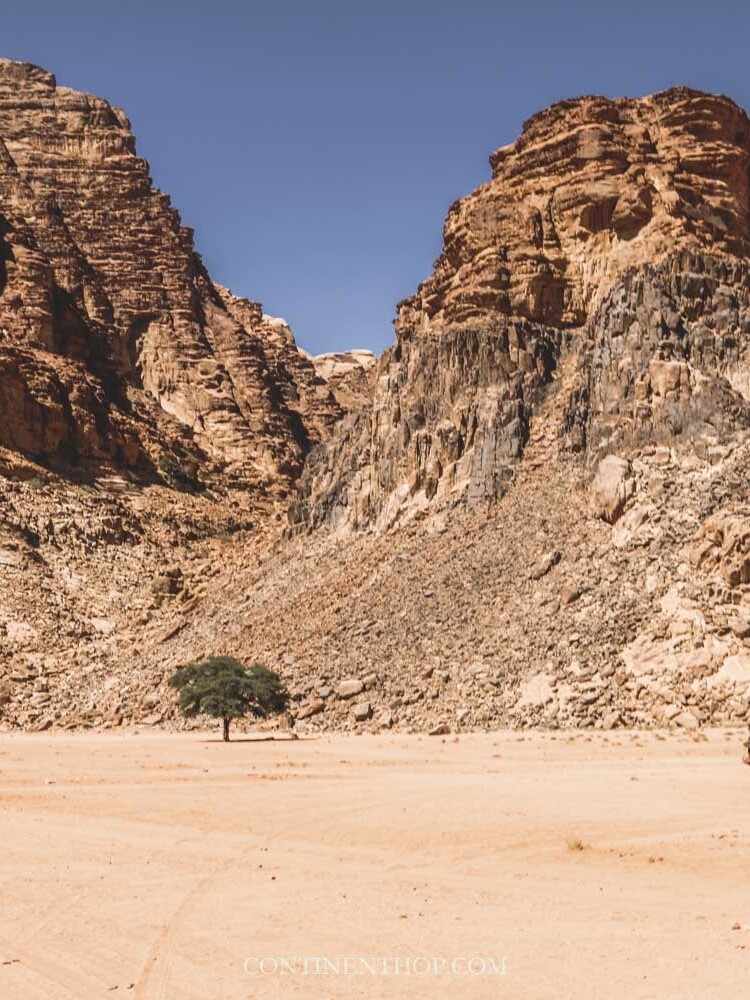
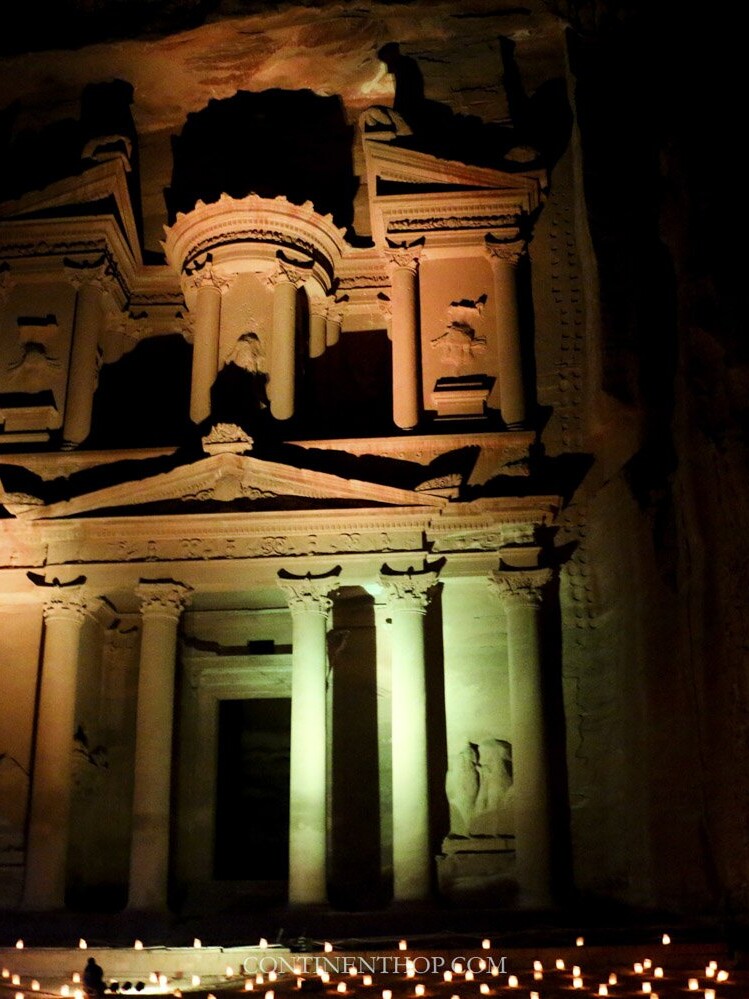
Some of the links on this post are affiliate links. These do not cost you extra to use, but will help provide Continent Hop with a small commission if/when you purchase through them, to recover some of the costs of running this website and providing free content to help you plan your travel. I appreciate your support!

A Holy Land Pilgrimage to Israel (2026) - All Details and Info

Apprx. Reading Time: 6 minutes
Currently, the world could do with hope. Hope that stems from faith. Belief.
While religion may be on the decline (Sometimes for good, I think), my recent visit to Israel proved that the ones that still do believe, believe with all they've got. Even if you're a festive Christian like me, there's something about the fervor in the air in Israel, which makes you think not just about life; the path you've chosen, the good (or bad) you've done but also takes you on a journey through history and culture.
The three biggest religions have their holiest places in Jerusalem - all located within an area of 1 km of each other.
Christians, Jews, and Muslims - all praying, crying and thanking the Lord. While I also visited the Dome of the Rock and the Western Wall, I spent some time trying to figure out the political situation and trying to sample the local culture and food too, but the most was spent on visiting all the religious places I could.
For many of you that do not believe in religion, these places are still definitely worth a visit because they're brimming with history and stories.
For the ones that do, here's a list of the must visit Biblical places in Israel.
West Bank - Bethlehem
The Church of the Nativity
Luke 2: 1 – 14
“And the angel said to them, "Be not afraid; for behold, I bring you good news of a great joy which will come to all the people; For to you is born this day in the city of David a Savior, who is Christ the Lord. And this will be a sign for you: you will find a babe wrapped in swaddling cloths and lying in a manger.”
Jesus was born in Bethlehem and raised in Nazareth. The Church, a World Heritage site, has withstood centuries of destruction making it one of the oldest in the world.

holy land pilgrimage
We entered through a tiny entrance enough to just let one person pass at a time, to bow and show humility. We visited just before the Grotto was to be opened for visitors. Mass was underway and was being presided over by Greek Orthodox priests. I was mildly surprised when at Communion, a huge loaf of bread was blessed and divided. Visitors were not permitted till the ceremony was complete. We sat on the stairs that lead to the entrance and heard lively conversations between Roman Catholic, Armenian and Greek Orthodox priests who share custody of the Church while they swept and cleaned the place before it was opened for visitors.
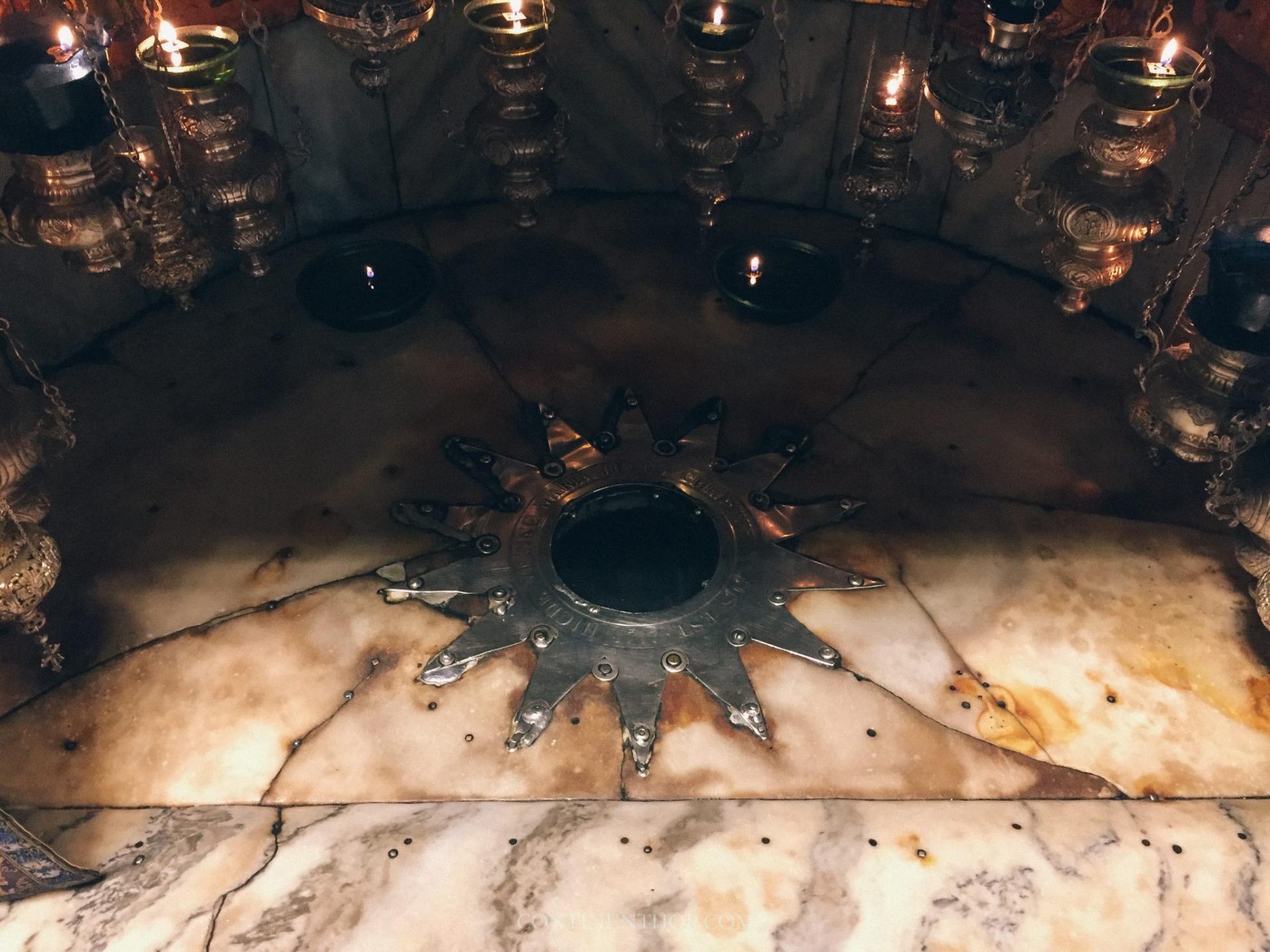
holy land pilgrimage
A Silver Star in the floor marked the spot where Christ is believed to have been born in the Grotto of the Nativity. The intricate carvings on the altar inside the Church, built by the Greek Orthodox are beautiful. Do not miss the original mosaic floor.
I’ve been to many tours around the world and had the pleasure of speaking t many guides, but Ashraf who shared his knowledge with us on this tour, was one of the best!Honestly though, Abraham hostels has the best of the lot. Ask for him when you book your tour with them!
The best time to visit is early morning about 9.00. Additional details can be found here.
Additional locations: The fields in the neighboring village of Bayt Sahur are believed to be the site of the angel's visitation to the shepherd's announcing the birth of Christ.
Nazareth
Basilica of the Annunciation
The Church has two levels - the lower level has a Grotto - The Cave of the Annunciation believed to be the home of Mary where the angel Gabriel announced to Her that she would be the mother of Christ.
Inside the courtyard are mosaics depicting the Virgin Mary donated from various countries. From the interior, the conical dome takes inspiration from the Madonna lily that signifies Mary's purity. When we visited, Mass was being conducted on the upper level in Chaldean, from the Aramaic family - known almost from the beginning of human history and thought to be used by Christ himself.
St. Joseph's Church
The Church is located a quick 2 minute walk away from the Basilica of the Annunciation. Stained glass windows depicting various Biblical scenes adorn the top level. Beneath the Church was a crypt which contained a grille through which we peeked into a cave, believed to be St. Joseph's carpentry workshop and his home. Some stone formations were still intact.
Church of the Multiplication of the Loaves and Fishes at Tabgha
Matthew 14: 17 – 21
“They said to him, "We have only five loaves here and two fish." And he said, "Bring them here to me." Then he ordered the crowds to sit down on the grass; and taking the five loaves and the two fish he looked up to heaven, and blessed, and broke and gave the loaves to the disciples, and the disciples gave them to the crowds. And they all ate and were satisfied. And they took up twelve baskets full of the broken pieces left over. And those who ate were about five thousand men, besides women and children.”

holy land pilgrimage
The location where Jesus performed the miracle of multiplying Bread and Fish and feeding 5000 people. The Church, although on the route of almost every Holy Land tour, is quite peaceful and has beautiful views of the Sea of Galilee.
I wandered off by myself and took a seat in one of the pews, pondering about the life of Christ. I then strolled around marveling at the main highlight of the Church - a reconstruction of the original mosaic floor depicting flora and fauna in that century. Beneath the altar is believed to be the original stone on which the meal was served and adjacent to it is a mosaic of loaves and fish.
Yardenit - The Baptismal site at the River Jordan
Mark 1:9-11
“In those days Jesus came from Nazareth of Galilee and was baptized by John in the Jordan. And when he came up out of the water, immediately He saw the heavens open and the Spirit descending upon him like a dove, and a voice came from heaven; “Thou art my beloved Son, with thee I am well pleased.”
Green - that's the first word that popped into my mind when I entered Yardenit. The atmosphere reverberated with the sound of Hymns as people dressed in white prepared to get baptized in the very place Jesus was baptized by John the Baptist and the Spirit descended on Him, in the River Jordan.
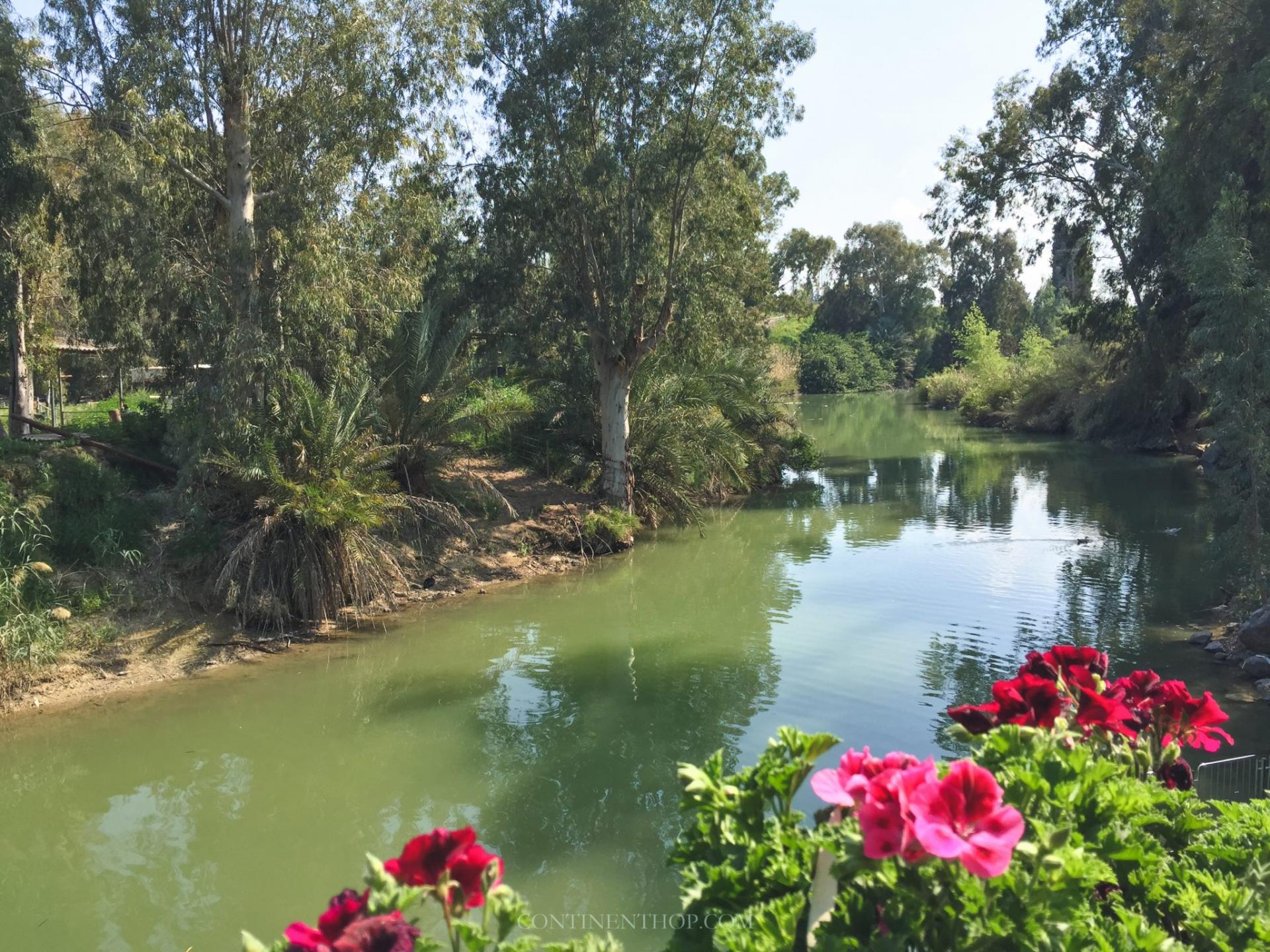
holy land pilgrimage
The verses above are inscribed on ceramic in more than 85 languages and run along the 'Wall of New Life' adjacent to the Baptismal Pools.
Travelers can buy or rent white robes, take a shower, change and buy refreshments at the Visitor's Center located adjacent to the river.
Cost: $10 for rent or $25 for purchasing a Baptismal Kit. You're not allowed to enter a pool without wearing the white robes provided and wearing a swimsuit underneath (preferably opt for a dark colored one, as the robes get almost transparent when wet). More details here.
Capharnaum - Capernaum National Park
Matthew 4:13
"And leaving Nazareth, He came and dwelt in Capernaum, which is by the sea..."
Jesus chose his disciples and performed many miracles here in Capernaum, also known as 'The Town of Jesus'. Within the park, A Church now stands on the upper level; the lower level contains a glass floor through which you can view the ruins, believed to be the house of Peter, located underneath.
The remnants of a synagogue where Jesus preached also stand nearby. A little ahead lies a small sanctuary leading to the Sea of Galilee. It was very peaceful here as the crowds were concentrated near the Church. In the Sea of Galilee was a small boat with a lone fisherman waiting patiently trying to catch some fish and it dawned on me that I was watching the very place where Jesus did the same with his disciples.
Cost: Entry is free of Charge.
Additional Locations
Cana
The village where Jesus was said to have turned water into wine at a wedding. The Greek Orthodox Church of St. George was built on the site of this miracle.
Church of the Transfiguration at Mount Tabor
The site of Jesus' Transfiguration where the prophets Moses and Elijah appeared next to him, and he spoke with them.
Mary's well
The place believed to be where Mary used to bathe young Jesus. The waters of the spring here are said to have healing properties.
Church of the Beatitudes
The location on the Mount of Beatitudes where Jesus preached the Sermon on the Mount.
A lot of the locations are in proximity to the Sea of Galilee and provide fabulous views.
The Jesus Trail is another option for the ones who love outdoors, to walk/hike on a trail from Nazareth to Capernaum. The route begins in Nazareth and passes through important sites such as Cana, Tabgha, Mount of the Beatitudes and ends in Capernaum. More details and adventurous options can be found here.
Jerusalem
Via Dolorosa
The Way of the Cross which ends at the Church of the Holy Sepulchre in Jerusalem. You'd probably need a map to figure out the whole route but the locals are very helpful and pointed us in the right direction. They even advised us to start in the opposite direction if we didn't mind as there had been a few local scuffles where the Via Dolorosa actually started, the Lions Gate. Wrought iron symbols mark the locations, and they're easy to find.
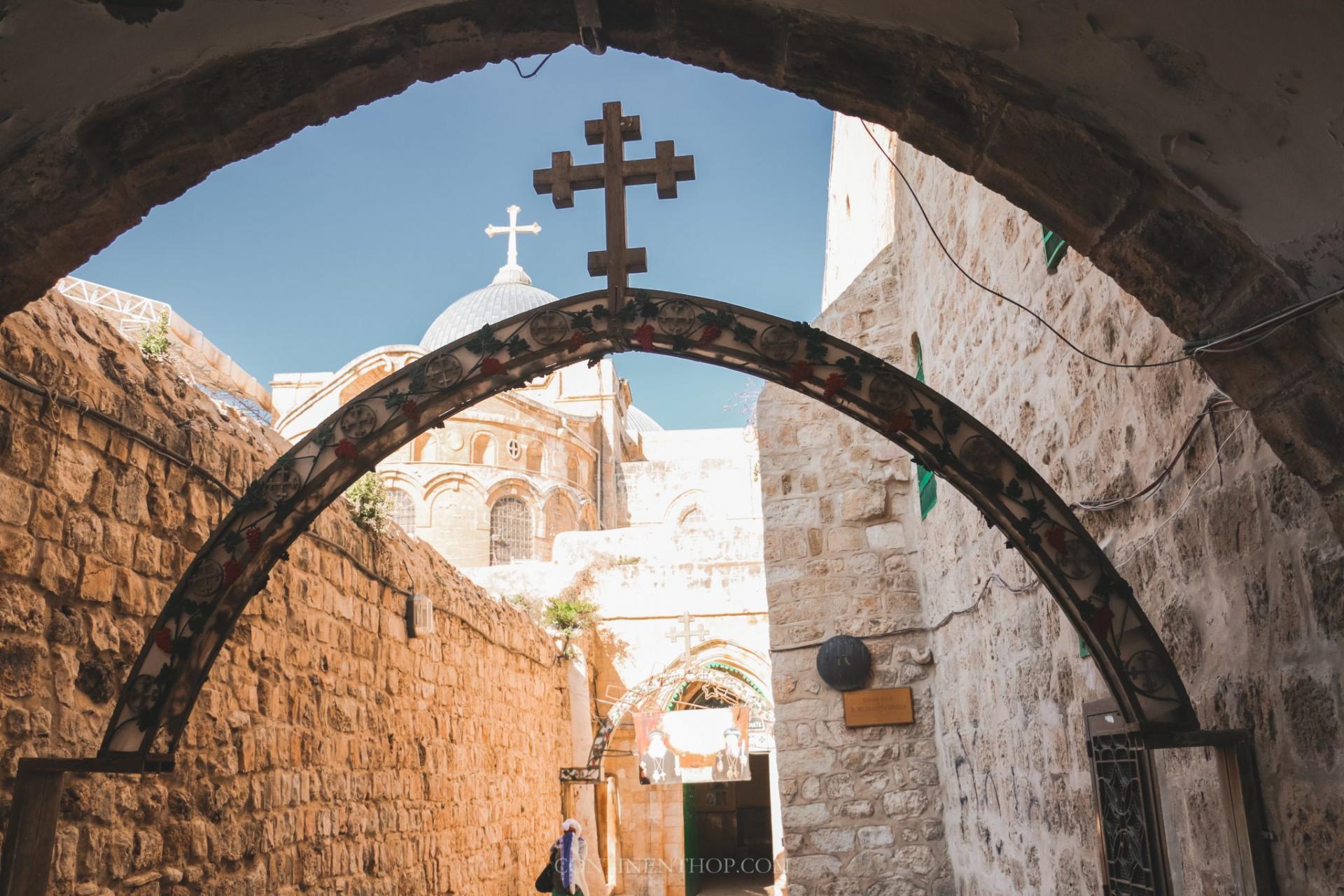
holy land pilgrimage
I got up early morning and took a walk around, trying to recall all the Stations of the Cross and imagining how it would have been when it was actually happening!⠀The pain, agony and the suffering....all for the people, many of whom betrayed Him. It made me realize we need to do good, not for others but to be at peace with yourself.
Church of the Holy Sepulchre
The Church of the Holy Sepulchre is unlike any other Church you’ve ever been before.
And this isn’t because it is believed to be the site of the Golgotha or that Jesus was crucified here or because he was buried and resurrected here. It is because silence isn’t a virtue here. People here express their emotions, talk, feel overwhelmed and it isn’t just Christians that do so. People from all religions pay a visit to the holiest of all shrines in Christianity. You can touch the rock believed to be on which Jesus was crucified on the top level. The anointing stone is present just as you enter the Church believed to be on which Jesus was anointed before His burial.
The Aedicule present on the other side of the Church, contains His tomb, and there’s usually a big queue lined up to pay respect. Best to arrive early morning.
It was a very emotional moment for me and I spent about 2 hours in the Church, visiting thrice during my stay.
On the Mount of Olives….
Garden of Gethsemane & The Church of all Nations
Luke 22: 44-45
“And being in agony He prayed more earnestly: and his sweat was as it were great drops of blood falling down to the ground.
And when he rose up from prayer and was come to his disciples, he found them sleeping for sorrow…”
The Church of all Nations which stands next to the Garden of Gethsemane marks the place believed to be where Jesus prayed to the Heavenly Father the night before He was crucified. Even with a huge number of pilgrims and tourists visiting the location, it is the perfect place to pray and meditate.

holy land pilgrimage
Our guide mentioned to us that the olive trees present in the garden are the oldest known to humankind and no, he wasn’t kidding neither was he trying to add drama to the story!
Olive trees can grow back from their roots even when they have been chopped down, so if the main tree you see in the garden was the exact one that Jesus prayed beneath remains a mystery to this day!
Pater Noster Church
Luke 11:2-4
"He said to them, When you pray, say: Father, hallowed be your name, your kingdom come. Give us each day our daily bread. Forgive us our sins, for we also forgive everyone who sins against us. And lead us not into temptation.”
The Pater Noster Church which stands next to the Church of the Eleona (Olive Grove) contains a grotto believed to be the location where Jesus taught the Lord's Prayer to His disciples. The 'Our Father' is inscribed in more than 100 languages here including Chaldean – believed to be one of the languages Jesus spoke. I happened to find one in Konkani and was overjoyed.
They keep adding to the plaques if new languages are brought to their notice.
Chapel of the Ascension
Believed to be the location where Jesus ascended into heaven forty days after His resurrection. The quirky history about this Chapel is that due to abandonment by worshipers and locals over time, unknown to the inhabitants the Chapel was converted to a Mosque!
Later after being discovered again, as a gesture of goodwill, a larger complex was created, and a Mosque was built within it which is now used for prayer. The Chapel also contains a stone with a footprint imprinted on it, believed to be that of Christ before He ascended into heaven.
Additional Locations
Garden Tomb
Believed by the Protestant Christians to be the site of the burial and resurrection of Christ
Church of St. John the Baptist
The birth-place of St. John the Baptist who baptized Jesus
Tomb of the Virgin Mary
Believed to be the burial place of Mother Mary
The Russian Orthodox Basilica of Saint Mary Magdalene
A Church dedicated to Mary Magdalene, who was the first to see Christ after His resurrection
The Cenacle- the Room of the Last Supper
The ‘Upper Room’ believed to the place where Jesus had His last supper with His disciples
The people visiting Israel do so with a lot of excitement – to visit the land where Jesus lived, The Prophet Mohammad ascended to heaven and where the Holy Wall stands, or just to wander around trying to take all the culture in.The people living there feel truly blessed to do so.
It is impossible to visit and not feel the energy pulsating in the air.
No matter why you choose to visit, you will definitely leave with a happy mix of feelings, some you may have never felt before!
PIN FOR LATER!
PRACTICAL DETAILS
Holy Land Pilgrimage
-
Most of the places have free entry, however it is best to go on a guided tour to learn more about the history
-
It is definitely very much safe to travel to Bethlehem and the West Bank
-
Do carry your passport when traveling to some places that have check-points
-
The best times to capture pictures are early morning
-
Carry a scarf to cover your shoulders when necessary and wear modest clothing
ADDITIONAL READS
Looking to head off to the islands to catch some sun and sea? Why not head to Mykonos? All details here!
Our Mount of Olives Tour was complimentary of Abraham Hostel, Jerusalem, however as alwaysall opinions are our own.
Any other items I should add to the list that you enjoyed? Let me know!
'Life's too busy and so are you! Articles to drive off the blue(s)!'Your e-mail will be kept strictly confidential!