

Offbeat Monuments in Prague (2026) - The Statues that Define the City
Prague may be popular for its beer gardens and stag parties, but this city comes with a bountiful helping of culture and architecture. There are numerous quirky monuments and statues scattered around Prague that give one a taste of its history and culture. Here are some you should visit!
While heading to my hotel, after an amazing day of trying some of the most scrumptious dishes in Czech cuisine in Prague 7, I watch with a grin on my face as a bunch of drunk Brits on a beer bike pass by.
However, what makes my heart skip a beat are super lean humans with blank expressions on their faces climbing down the stairs, in the background.
It’s almost dark and it takes me a few seconds to realise that it’s not humans but monuments (or statues) that are placed at the base of Petřín hill, Újezd street in the Malá Strana or the Lesser Town area.
A little shaken with the encounter, I decide to speak to the concierge at the hotel I’m staying at, ask for more info and return the next day to take a closer look at the monuments.
The concierge at the hotel tells me that Prague is rife with such quirky monuments.
They’re scattered all around the city, some in the more common spots, others located in areas not frequented by many. Each either tells a story or showcases a piece of art by a famous sculptor.
These silent statutes demonstrate a different side to Prague, one which also prioritises culture and history and makes sure it isn’t forgotten easily.
I started my journey to explore this side of Prague by first visiting The Memorial to the victims of Communism.

A few monuments in Prague that you shouldn’t miss
#1 Memorial to the victims of Communism
The super lean statues that startled me earlier are a series of bronze statues by noted sculpture artist Obram Zoubek and architects Zdenek Holzel and Jan Kerel.
The seven bronze statues represent male figures and are broken in several areas, one more than the other, till only a couple of legs remain. These are symbolic of the horrors faced by the victims of Communism in the Czech Republic.
More than two hundred thousand people were persecuted between the years 1948 and 1989 here, when it was formerly Czechoslovakia, for their political crimes. It is difficult for many to understand the symbolism as the statues seem to have undergone wear and tear over the years as well, which is why a metal strip which explains this better has been placed here and runs through the centre of the stairs between the victims.
While it is one of the few monuments that isn’t appreciated much due to its troubling state, it is one that conveys the most about the complex history that the Czech Republic has been through over the years.


#2 The Lennon Wall
While the victims of Communism are easy to miss, the bright wall full of graffiti which is the legendary Lennon Wall is not.
The only place in Prague where graffiti is legal, it enters a state of disrepair numerous times however looks exemplary after some quick maintenance. It served as an area of protest in the 1960’s and was referred to as the Crying Wall. However as soon as the authorities covered the graffiti with paint, new ones were put out almost immediately.
Since John Lennon’s songs praised freedom, after his murder in 1980 he became a hero to the locals and his pictures were painted on the wall despite the order of the police and threat of prison. Today the wall not only acts as a memorial to John Lennon but also as a monument towards free speech and non-violence.
#3 Man Hanging Out
In the heart of the Old Quarter of Prague, no matter what time of day, you’re bound to pass a group of travellers straining their necks to look upwards, to catch a glimpse of the ‘hanging’ man.
Sigmund Freud, an Austrian neurologist and the founder of psychoanalysis, is the seven foot tall hanging man of bronze, contemplating whether to hold on or let go. It is widely believed that Sigmund Freud suffered from a number of phobias, one among which was his fear of death.
This is one of the many works by artist David Cerny and while there’s many conflicting reports on what might possibly be running through Freud’s mind at the given time, it surely depicts Freud’s internal struggles as the psychoanalyst suffered from anxiety as well.
The Czech capital has an array of sculptures of Sigmund Freud scattered all around the city but the man hanging out seems to be the most popular possibly due to it being very lifelike and its location; on a pole over Husova Street.


#4 Babies by David Cerny
Another of David Cerny’s masterpieces, these babies which may not seem cute to many, are located across the river in Kampa Park just outside the Mala Strana Museum grounds.
Some babies are also installed on the Zizkov Television Tower in the eastern area of the city where people sometimes are shocked to see the little ones crawling up and down the pillars of the tower.
About ten babies are located on the tower and were supposed to be a temporary installation, however due to the response they garnered, they were replaced with more durable ones. The ones crawling on the ground were created much later as a means for viewers to see them from up close. However, doing so doesn’t make them any less creepy due to their blank garbled faces.


#5 The statues of Charles Bridge
The Charles Bridge connects the Prague Castle area with the Old Town. It was erected in place of another existing bridge under the orders of King Charles IV, from where it gets its name and is a great place to take a walk (albeit a very crowded one).
The construction of Charles Bridge started in 1357 and ended almost fifty years later in 1407. It possibly took this long because of the number of Baroque statues which were made, numbering thirty in total, which line up either side of this historic bridge.
The bridge is the only place in the city with such a high density of statues and a must-do for someone who admires architecture and history. These statues ranging from slaves, dogs and numerous saints, clearly depict the effort put in by the artists.
One of the statues is of Saint John of Nepomuk. It is believed that touching the statue brings good luck and helps visitors return to Prague. However, I would advise against it as this causes erosion and may even cause a bacterial infection to the person touching it.
Three bridge towers are also located here which help you see a bird’s-eye view of Prague. You can climb to the top of one of these for a nominal price.

#6 Franz Kafka’s Head
This piece of art which looks like a giant head made up of many layers is used to symbolize the many thoughts and struggles the writer faced throughout his life.
Another one of David Cerny’s creations, the 42 layers contained in this statue, moves independently and you have to wait for a couple of minutes for it to reform again, to get an Instagrammable picture!
What’s interesting is that these layers can be reprogrammed, so they tend to move differently if so done.
The location of the monument is important too as it is located near a shopping centre in Downtown Prague, near the bustling Wenceslas Square, where Kafka used to head for work.
#7 The Embryo
The Embryo is one ‘statue’ you’d easily miss as it isn’t mounted/placed anywhere on the floor.
It is very easy to miss if you aren’t leisurely walking through the centre of Prague and paying close attention, as it is mounted on a drainpipe on the facade of the Divadlo Na Zábradlí theatre. It only looks like an embryo when it is lit up faintly at night. During the day it may seem like an abstract installation.
Installed to celebrate the theatre’s 50th anniversary, it is again, one of David Cerny’s works, however the purpose behind this piece is unclear.


#8 Proudy (The Piss Sculpture)
For many who aren’t aware of the details, it may seem like a monument to dismiss as how could two men urinating be worth visiting when visiting a place such as Prague, however, this is one of David Cerny’s more ‘advanced’ creations and is quite interesting.
This is because, while it may seem like its just two bronze men peeing inside the map of Czech Republic, they are actually spelling out Czech literary quotes with their ‘pee’.
Many may not be able to figure this out due to the pool of water inside the map, and it doesn’t end here! The messages are customisable and on sending a text to the contact number located near the plaque, these statues will spell out the message sent to it.

#9 Upside down King Wenceslas (Prague’s upside down horse)
Wenceslas Square is easily the most favourite meeting point in Prague and it reflects the turbulent history of violence and deception faced by Prague, which often remains unknown to visitors to this city. The area can be recognised by the famous statue of King Wenceslas here.
The upside-down horse, which is a reference to this monument, took me a couple of tries to find, as it was located inside the Art Nouveau Lucerna Palace in Prague. It depicts King Wenceslas sitting on an upside-down dead horse and is yet again, one of David Cerny’s works.
David Cerny refrained from putting out what his thoughts were behind the piece.
However, many who are aware of the history of this piece believe that it possibly mocks one of the Czech Republic’s former presidents and hence provokes outrage in some. This is again one of the many interpretations.

#10 The Brown Nosers
Erected in 2003, the Brown Nosers are gigantic sculptures with the top half of their body missing. The bottom half of these sculptures is bent over, exposing a gaping hole in their backsides.
There’s ladders propped here, leading one to the butts of this interactive exhibit.
A television screen placed inside these gaps, repeatedly plays a video of two Czech politicians spoon feeding each other to “We Are the Champions” by Queens.
These permanent sculptures being another of David Cerny’s works, are supposedly a metaphor to the state of the politics in the Czech Republic.
The Brown Nosers are a little difficult to locate as they’re hidden in the garden at the back of the Futura museum, away from the center of the city, but are worth a visit if you’re looking to take a look at most of David Cerny’s work in Prague.

It had been a tiring day but one filled with an immense understanding and appreciation of the history and culture of Prague.
There were quite a few other ones that dotted the city like the Parable with Skull, the London Booster and the In Utero sculpture that I decided to check on my next visit as clearly this city had a lot more going on and food and architecture were just the start.

PIN FOR LATER!
This post has been created as a partnership with Visit Czech Republic. As always, all views are my own.
HERE’S MORE ARTICLES TO INSPIRE YOU TO VISIT THE CZECH REPUBLIC
Nothing found.
Some of the links on this post are affiliate links. These do not cost you extra to use, but will help provide Continent Hop with a small commission if/when you purchase through them, to recover some of the costs of running this website and providing free content to help you plan your travel. I appreciate your support!

Austria Itinerary - 5 days for a Fab Time in Austria (2026)
If you’re a first time visitor, here’s a tried and tested Austria Itinerary if you travel fast! Even if you don’t, this trip itinerary shall help you plan 1 – 2 days in Vienna, 2 days in Innsbruck and 2 days in Graz. It should help you with your tour of Austria to see some of the best places in Austria!
We’re sat at a couple of massive tables in Glockl Brau, a restaurant in Graz. There’s approximately about 40 of us and all of us are yodeling. It’s a bittersweet feeling as it brings back memories from my childhood, as the family sat together for a meal while Bollywood songs by Kishor Kumar, played in the background.
Many Indians have known and even yodeled without their knowledge since the 1970s. When I was a child, I did too; little did I know then that about 20 years later I would be doing so with about 50 people, from at least 15 different nationalities, while enjoying traditional Austrian food.
Many travelers associate yodeling with Switzerland but yodeling, which was used by the locals to communicate with each other in the Alps, is a tradition shared by a few countries in Europe and Austria is proud of it!
Vienna, the capital is the most visited city in Austria however the more you head to the countryside, the more you get introduced to traditions like these and the way Austrians go about their daily lives.
As a fast traveler, while many may prefer to just visit a single city or two in Austria, if you can spare a few extra days, you can see the best of Austria in about 5 days. Here’s an Austria itinerary for 5 days that will show you some of the best places in Austria.
If you have even fewer days to spare, adjust accordingly to spend 4 days in Austria.
PLANNING YOUR AUSTRIA TRIP | THE ESSENTIALS
Tours in Austria worth checking out
Where to stay in Austria
- Graz: Grand Hotel Weisler
- Innsbruck :Nala Individuelhotel
- Vienna: Hotel Altstadt
Day 1 of your Austria Itinerary: Graz
Things to see in Graz
While many would suggest starting your Austria trip in Vienna, I prefer to keep the city where you’re most likely to get your flights out from, for last, as it gives you time to settle down a bit.
How to get to Graz
From Vienna: Graz is about 2.5 hours away from Vienna and you can get here easily by train. Check this site for booking tickets and more info. If you’re looking to get here by flight, it takes about 35 minutes from Vienna and about an hour from Munich, Frankfurt and other connecting airports locate nearby.
If you’d rather drive, it takes about 2 hours 15 minutes by road to get to Graz.
From London: It takes about 4 – 6 hours to get to Graz from London. There are no direct flights to Graz so a connecting flight via Munich, Frankfurt or Vienna will be needed. You could also get a train from Vienna as mentioned above.
The airport is about 9 kilometers away, hence it takes about 15 minutes by cab to get to the town center. You could also take Bus 631 to get to town from the airport. If you have access to the internet, you can check updates here.
————
A walk around the historic old town, The Hauptplatz and Herrengasse
Depending on when you get to Graz, the best way to see Graz is by taking a walk around the center of town, the Hauptplatz (Main Square). We were staying at the Grand Hotel Weisler which was a 5-minute walk from the main square.
The town center is an eclectic mix of the old and new. Just like the center of Marrakech was an important trade hub, so was Graz where traders converged to sell their goods. Pastel-colored buildings are located around the Townhall (Rathaus) which takes center stage.
Each building is unique and has its grandeur in late Gothic, Baroque and Biedermeier styles. The most eye-catching of these are the Luegg house in Baroque style at one end of Sporgasse which culminates in the square and the ‘Painted house’ (Gemaltes Haus) at the intersection of the Hauptplatz and Herrengasse.
A statue of Archduke Johann, an important figure in the history of Graz is situated in the middle of the square and several food stalls are located around the statue that still gives the square character as a medieval marketplace.
Right next to the Hauptplatz is Herrengasse, where the town comes together to get some shopping done!
An interesting thing to note about Herrengasse is that here you’ll find three houses squished together in the huge town hall building. This is because in 1803 when a new town hall was built to accommodate the expanding population, a few residents refused to give up their space and hence these houses continue to stay just the way they are, thus adding more personality to this city.
DETAILS
Address: Hauptpl. 1, 8010 Graz, Austria
One of the free things to do in Graz


Explore the courtyards of Graz
The Hauptplatz branches off into little courtyards scattered around the square. One of these is the Grazer Landhaus or the Landhaus courtyard.
The first Renaissance building in the city of Graz, the Landhaus has the coat of arms on one of the walls while huge round-arched windows take up most of the space. The courtyard is connected to the square on one side and Herrengasse on the other and is used for various important concerts and musicals.
While this is the easiest to find there are other countless courtyards scattered all around Graz which double up as cafes, pop-up shops, and even Christmas markets. If you have time to spare, this is a great way to get to know the city!
DETAILS
Grazer Landhaus
Address: Herrengasse 16, 8010 Graz, Austria


The best views at Kastner & Öhler HOME store
About 250 meters away from the Hauptplatz is the massive department store, Kastner and Ohler. While retail therapy works well for many, it isn’t just shopping that you should visit Kastner and Ohler for.
Located on the 6th floor is the Freiblick Tagescafe, where you can have 360-degree views of the city while having a meal, but if it is just the views you’re after, you can most certainly just grab a drink and head to the sky-walk.
A platform with glass sides juts out over the roof and looks over the Hauptplatz and provides some great views of the clock tower too. If you’re not keen to hike or climb the stairs to the Schlossberg, this spot will help you get some of the best views of Graz!
DETAILS
Kastner and Ohler
Address: Sackstraße 7-13, 8010 Graz, Austria
Timings: Monday – Saturday 9:30 AM – 6:30 PM. Closed Sundays

Drinks at the Murinsel and Lunch at Hauptplatz
After taking a first look at Graz by exploring the old town why not have a few drinks at the Murinsel?
The Murinsel is an island that contains an amphitheater, shops and a cafe that floats on the river Mur and is connected to both banks of the river by footbridges. The toilets are quite a draw too as the cubicle is covered with mirrors!
The Murinsel looks like a glass conch shell which looks even cooler at night as it lights up!
It was designed by New York artist Vito Acconci to commemorate Graz being the European Capital of Culture in 2003. If you’re not too hungry you could try having a light lunch at the Island in the Mur cafe itself or head back to the square to enjoy a wide selection of meals which are budget-friendly too at one of the numerous stalls.
DETAILS
Address: Lendkai 19, 8020 Graz, Austria
Timings: Monday – Sunday 10:00 AM – 10:00 PM
More info can be found here on their website


Continue delving into the architecture scene at Kunsthaus Graz
The ‘friendly alien’ is an architectural icon you can’t miss in Graz. It was located right next to the Grand Hotel Weisler and it wasn’t easy to see the whole structure clearly but there was a small model right in front of it.
The Kunsthaus Graz houses the Graz Kunsthaus (Art Museum) and is called the friendly alien because it doesn’t quite fit into the surroundings but is more than welcome by the locals. It was named so by Colin Fournier, one of its two architects.
The Kunsthaus looks like a heart, a baby hippo, a sea slug, or a spaceship. It is whatever you wish it to be! It is another piece that was commissioned to commemorate the city being the European Capital of Culture in 2003.
The emergence of this building helped give rise to many unique establishments in the area. The lower floor of the museum houses a shop, an event room, and a cafe. The other levels have exhibition spaces where various exhibitions are held throughout the year.
The top-level is another spot that provides unforgettable views of Graz.
DETAILS
Address: Lendkai 1, 8020 Graz, Austria
Timings: Tuesday – Sunday 10:00 AM – 5:00 PM. ClosedMondays
Cost: Adults € 9.50, 24 hours – € 15, 48 hours – € 21. The full selection of tickets can be found here

Graz Cathedral, the mausoleum of Emperor Ferdinand II and the Spiral stairs
About an 8-10 minute walk away, is the Graz Cathedral and the Mausoleum of Emperor Ferdinand II. A medieval Gothic structure with refurbished baroque interiors, it is an important landmark to the city.
The Cathedral, part of the Stadtkrone (“Crown of the Town”) of Graz comprises other buildings like the Burg, the Old University and the Seminary, but many say that the blue dome of the Mausoleum does the job by itself!
The top of the tower is another spot for some amazing views of the city’s architecture up close.
Just opposite to the Cathedral is The Burg, the residence built by Emperor Frederick III, which is now the headquarters of the regional government.
While many may walk past it, if you head to the courtyard, it is here that you will find the ‘the stairs of reconciliation‘, the double spiral staircase. The two stone staircases meet at every full turn and provide great photo opp’s!
Graz Cathedral
DETAILS
Address: Burggasse, 8010 Graz, Austria
Closed for refurbishment until November 2019
Entry: Free
Stairs of Reconciliation
DETAILS
Address: Burggasse 3, 8010 Graz, Austria
Timings: Open everyday 7:30 AM – 8:00 PM
Entry: Free

Scout for street art and murals mostly in Lend
If you have time to spare, go on a hunt to find some great street art and murals scattered around the city. It’s a fun thing to do in Graz!
I always love coming across colorful murals, they brighten a city up and tell so much about its character and Graz has plenty!
While the one below is conveniently located right in the center of town, Lend, the adjoining hipster district, has many, especially near a street called Bürgerspitalgasse.
Lend is on the opposite side of the old town and sits on the other bank of the river Mur. It provides a modern angle to Graz with its mix of vintage and contemporary and will show you a different side of Graz.

Dinner at Glöckl Bräu
Wrap the day up with some dinner at Glockl Brau which serves some of the best traditional Austrian food you can ask for and beer in some of the largest pitchers I’ve seen! The setting is rustic and the staff friendly.
I had the Kasespatzle (tiny pasta with a local cheese that looks like macaroni and cheese with fried onion on top) here and some Backhendl (deep-fried traditional Austrian chicken), both of which are tasty.
They have an extensive menu and you can always refer to my post for suggestions on what to pick!
DETAILS
Address: Glockenspielpl. 2-3, 8010 Graz, Austria
Timings: Monday – Sunday 10:30 AM – 12:00 AM
The website and menu can be viewed here
Day 2 of your Austria Itinerary: Graz
Some more places to visit in Graz
Visit the farmer’s markets
Visiting a local farmers market is the best way to get to know a city through its food scene. You’re sure to find the best fresh produce, fruits that you can snack on and delicacies like spreads and cold cuts exclusive to the city!
The main markets in Graz are the one on Lendplatz and Kaiser Josefplatz with Kaiser Josef Market being the biggest in Graz. They’re open only in the mornings so you need to visit before 1 PM!
Make sure to buy some local bread, pumpkin seed oil, and pesto which the region is famous for here and cheese. Have a quick snack at one of the stalls if needed!
DETAILS
Address: Lendplatz, 8020 Graz
Timings: Monday – Saturday 6:00 AM – 1:00 PM
Schlossberg, the Clock tower, lunch at Aiola and the Slide down!
The clock tower located at the top of Schlossberg or castle hill is visible from almost all of Graz.
There’s a couple of ways to get to Schlossberg and the clock tower.
-
Climb to the top via the 260 steps set in the rocks starting from Schlossbergplatz square or using paths from Karmeliterplatz square or Wickenburggasse street
-
Get a ride to the top via the Schlossberglift with its glass cabins
-
Via the funicular which takes you up the castle hill of Graz
Once you’re at the top you’re sure to be rewarded with stunning 360-degree views of Graz. It is one of the best free things to do in Graz.
There’s an interesting feature about the clock tower. If you look at it closely, the long hand points to the hour and the short hand to the minutes. This is because only the hour hand was added initially and was made huge to be seen from a distance. The minute hand was added later and had to be made smaller to fit inside the clock!
Inside the mountain, there’s a network of tunnels that were used as shelters during WWII and now has many cool illuminated art installations.
The clock tower isn’t the only feature at the top. While I was taking a walk here one evening, even though the clouds were threatening to pour, someone played a beautiful melody on the piano placed here. It was the perfect romantic evening for many as you can see from the pictures!
There are multiple cafes, restaurants at the top due to which you can spend an entire morning and afternoon here without having to return to town for food.
DETAILS
Address: Am Schlossberg, 8010 Graz, Austria
Timings: Funicular – Monday – Thursday 10.00 AM – 12;00 AM, Friday – Saturday 10.00 AM – 02.00 AM, Sun 10.00 AM- 10.00 PM, Lift – Mon – Sun 08:00 – 0:30
Price: Funicular: 2.40 Euros, Lift: 1.60 Euros per person
LUNCH AT AIOLA UPSTAIRS
Having lunch at Aiola Upstairs isn’t just to skip going back to town, its because the restaurant provides some amazing views of the city while you eat. The food here is simple and delicious and uses organic produce from the region.
It will probably be one of the best meals you have during your time here from what I’ve heard from friends who’ve visited Aiola Upstairs!
DETAILS
Address: Schloßberg 2, 8010 Graz, Austria
Timings: Everyday 9:00 AM – 12:00 AM
BACK TO TOWN ON THE WORLDS TALLEST UNDERGROUND SLIDE
Once you’re done exploring the Schlossberg and its time to get back to the city, an alternate way to do so is via The Slide, the tallest underground slide in the world, located beneath the Schlossberg.
Fully enclosed it takes about 40 seconds to get to the bottom. It is one of the newest attractions in Graz opened in March 2019 and as such a must-try for people who aren’t afraid to do so!
I got here after it was closed but heard good reviews from friends who did go on it.
DETAILS
Address: Schlossberg-elevator from the bottom coming from the Schlossbergplatz or from the top right next to Cafe Aiola
Timings: Everyday 8 AM – 12.30 AM
Entry: 6.10 – 6.70 Euros for a combo ticket with a lift to the top. Single trip: 1.60 Euros


Dinner to wrap up our time in Graz
There are a few options to choose where to have dinner on your evening in Graz. There’s Aiola Im Schloss (not to be confused with Aiola at Schlossberg), there’s the Kunsthaus cafe which serves light meals or you could always head back to the Hauptplatz.
Aiola Im Schloss is a little away from the city but is a beautiful location with gardens and fountains around it. The restaurant which also has an event space is popular for its tavern and serves local specialties. The Aiola Upstairs is actually its sister restaurant!
After dinner, its time to call it a day and prepare for the next stop on our Austria trip itinerary, Innsbruck.
DETAILS
Address: Andritzer Reichsstraße 144, 8046 Graz, Austria
Timings: Wednesday, Thursday 5:00 PM – 1:00 AM, Saturday 12 PM – 2 AM, Sunday 12 PM – 10 PM, Closed Mondays, Tuesdays and Fridays
HOTELS
Grand Hotel Weisler is the perfect spot and is 5 minutes away from the old town and right next to the Friendly Alien.
Or you can look for alternate options here.
AIRBNB
If you prefer to stay in a Airbnb, prices for a private room can be from about £30- £70 with an entire house. If you’re new to Airbnb, sign up using this link to get £30 off your first booking.
How to get to Innsbruck
From Graz: Innsbruck is about 5 hours away by road and 6 hours by train. If it seems too long you can take a stop at Zell-am-See or Salzburg and maybe spend a day in these cities.
————
The Altstadt Von Innsbruck (Old Town)
The Altstadt aka the old town is the best place to start exploring Innsbruck, just like we did with Graz.
The old town contains The Golden Roof, a balcony on the old square that contains about 2657 gold-plated copper tiles. Built in 1946 to commemorate Emperor Maximilian’s marriage, the balcony was used as a viewing point by the Emperor and royal dignitaries to watch events in the main square.
You can also visit the Goldenes Dachl museum which contains a few of the original tiles.
Just opposite to the Golden Roof is the Helblinghaus with a baroque facade which looks like a building with icing on it.
A few steps from the Helblinghaus, is the Stadtturm, the watchtower in Innsbruck, which provides stunning views of Innsbruck and the river Inn.
DETAILS
THE GOLDEN ROOF
Address: Herzog-Friedrich-Straße 15, 6020 Innsbruck, Austria
Timings: Museum – Monday – Sunday 10:00 AM – 5:00 PM. The roof can be viewed from the square 24 hours
Price: Adult – 5 Euros, Child – 2.50 Euros. Free with the Innsbruck card. Get yours here
HELBLINGHAUS
Address: Herzog-Friedrich-Straße 10, 6020 Innsbruck, Austria
Timings: Not open to visitors however the building can be viewed from the square 24 hours
Price: Free
ALTSTADT
Address: Hofgasse 4, 6020 Innsbruck, Austria
Timings: Open 24 hours
Price: Free, however, if you’d like to learn more and have someone show you around, this tour is suggested. More info can be found here

Off to visit Ambras Castle
45 minutes from the Old Town is the Ambras Castle which is home to the oldest museum in the world.
Located on a hill above Innsbruck, it is surrounded by lush English gardens where a few peacocks roam freely.
The Castle is divided into the Lower Castle and the Upper Castle. The Lower Castle has the Chamber of Curiosities which is supposedly the oldest museum in the world and the Armories.
The Upper Castle has portraits from the era of the Hapsburgs, the chapel of St. Nicholas and a few Gothic sculptures.
DETAILS
Address: Schloßstraße 20, 6020 Innsbruck, Austria
Timings: Monday – Sunday 10:00 AM – 5:00 PM
Price: Adults – 12 Euros, Children – 8 Euros. Free with the Innsbruck card. Buy individual tickets here
Getting here by public transport: Get to Innsbruck Hauptbahnhof. There are a few buses that get to Ambras Castle and take about 30-40 minutes. The official website can be found here

Lunch at Fischerhausl
Once back in town, head to Fischerhausl which serves some great Tyrolean delicacies.
There’s Kaspressknodel Suppe, the cheese dumpling soup and the popular Wiener Schnitzel, that I had for lunch. Both were flavorful and budget-friendly.
Located in the town center, it is one of the oldest restaurants in Innsbruck.
DETAILS
Address: Herrengasse 8, 6020 Innsbruck, Austria
Timings: Monday – Saturday 10:00 AM – 1:00 AM. Closed Sundays
Explore the Hofburg district in Innsbruck
In the evening, explore the Hofburg district in the city. The Hofburg district houses the Imperial Palace, the Landestheater, the Hofgarten and Saint James’s Cathedral (Dom St.Jacob).
The tomb of Archduke Maximilian II is present in the Cathedral and so is the painting of The Madonna and Child in the Alps.
The Hofburg or the Imperial Palace is one of the top things to do in Innsbruck as the Giants Hall is magnificent and awe-inspiring. It has been featured in many movies and now contains portraits of Empress Maria Theresa’s relatives. There are 5 museums located in the Imperial Palace.
The Landestheater, which is the Tyrolean Provincial Theater is located a few steps ahead, in front of the Imperial Palace and the Hofgarten is located right next to the theater.
The theater hosts operas, musicals, and other performances. The Hofgarten is a great free thing to do in Innsbruck and you can take a break here while exploring the city.
DETAILS
Imperial Palace
Address: Rennweg 1/3, 6020 Innsbruck, Austria
Timings: Monday – Sunday 9:00 AM – 5:00 PM, Last admission 4.30 M
Price: 9.50 Euros. Free with the Innsbruck card
The official website can be found here
Landestheater
Address: Rennweg 2, 6020 Innsbruck, Austria
Entry: Free, however tickets for performances can be brought here
Hofgarten
Address: 6020 Innsbruck, Austria
Timings: Monday – Sunday 6:00 AM – 10:00 PM

Dinner at Stiftskellar
Stiftskellar has some of the best traditional Tyrolean fare in Innsbruck. I had the Tyrolean Grostl here, which is called Kedgeree in Britain. It is a traditional Tyrolean dish with fried potatoes, bacon and onion with was simple and hearty.
Stiftskellar has a good variety of beer and there are food options for vegetarians available as well.
DETAILS
Address: Stiftgasse 1-7, 6020 Innsbruck, Austria
Timings: Monday – Sunday 10:00 AM – 12:00 AM
Day 4 of your Austria Itinerary: Innsbruck
Our Austrian vacation itinerary continues in Innsbruck by starting the day off with a walk down Maria Theresein Strasse.
The street is great for shopping or people-watching while having a meal or a drink and stretches from the Triumphal Ark to the Altstadt with many buildings constructed in the baroque architecture style.
Christmas markets are held here in December and the mountains look picturesque placed at one end of the street.
While I’d highly suggest spending at least 3 days in Innsbruck to fully enjoy all that the city has to offer, if you only have 2 days at hand in Innsbruck, you need to choose between spending the rest of the day at either of the Swarovski Crystal Worlds (Swarovski Kristallwelten) or head to the mountains and visit the Karwendel Nature Park.
Both options are great and it depends on what you like to do with your time in Innsbruck.
If you have limited time to spare, for families I would highly suggest a visiting the Swarovski Crystal World, but if you love the mountains and hiking then take the Nordkette cable car to the top of the mountain range.
The Nordkette cable car has a few stops. These are Hafelekar, Seegrube and Hungerberg. All of these stops have a few things that that you can do at each of them.
The highest stop is the Hafelekar, which provides some of the best views of both Innsbruck and the mountains.
There are various restaurants that you can have lunch at, cafes and even a small cable car museum here. You should allocate at-least three quarters of your day if you opt to spend your time here.
If you need more details about what to do at each of the stations, more information can be found here.
If you choose to visit the Swarovski Crystal Worlds you will need at least half a day to visit the various Chambers.
Each chamber unique and is conceptualized and put together by famous people around the world. But it isn’t just the Chamber of Wonders that you can find here.
There’s also a Crystal cloud, a human circus and the latest find, Roman excavations that were found here that you can see. You can even spend an entire day here if you choose to!
End the evening with a meal at the Hotel Sacher and have the famous Sachertorte for dessert!
DETAILS
Swarovski Crystal World
Address: Kristallweltenstraße 1, 6112 Wattens, Austria
Timings: Monday – Sunday 8:30 AM – 10:00 PM
Tickets: 19 Euros for adults, 7.50 for children (6-14 years). Free with the Innsbruck card. Tickets with hotel pickup can be found here
Website: The latest info and additional details can be found here
Hotel Sacher
Address: Rennweg 1, 6020 Innsbruck, Austria
Timings: Monday – Sunday 8:30 AM – 10:00 PM
Entry: The concerts are free. Donations are encouraged. The latest calendar of events can be found here
Nordkette Cable car
Address: Innsbrucker Nordkettenbahnen – Kongress, Rennweg 3, A-6020 Innsbruck/Austria
Timings: Monday – Friday 07:15 AM – 07:15 PM. Saturday, Sunday and public holidays 08:00 AM – 07:15 PM
Entry: Euro 36.50 for a round trip right till Hafelekar, 9.50 Euros round trip till Hungerberg. Free with the Innsbruck card. Individual tickets can be purchased here
More information about the Nordkette can be found here


HOTELS
Most of the attractions are close to the old town hence anywhere near there or in the old town would work.
I stayed at the Nala Individuelhotel, near the Triumphal Arch, about 8 minutes away from town. The rooms are clean, spacious and come with a tiny, basic kitchen. Some rooms have a terrace or a small garden and a sitting area too.
You can look for alternative hotels and prices here
AIRBNB
If you prefer to stay in a Airbnb, prices for a private room can be from about £25- £40 with an entire house starting from £40 onwards. If you’re new to Airbnb, sign up using this link to get £30 off your first booking.
Day 5 of your Austria Itinerary: Vienna
Things to do in Vienna
An Austrian itinerary isn’t complete without a visit to Vienna. Vienna is what I’d like to call posh as everything that I saw here was classy, the architecture here was diverse and there was a lot of history on offer.
————
A traditional start to the day at a coffee house
Another item that you can’t miss while in Vienna is it’s coffee culture. Vienna has a couple of majestic coffee houses with the most popular being Cafe Central. If you haven’t had a chance to grab breakfast yet the best way to start your 1 day itinerary in Vienna is by having some cake, coffee and maybe breakfast at Cafe Central.
Other options to get some coffee and grab a bite are Cafe Demel or Cafe Hawelka.
Cafe Sacher is also very popular if you’d like to have the famous Sachertorte in the morning!
Most of the attractions in Vienna are encompassed by the Ringstrasse or the Ring Road. These are the Vienna State Opera, the Palace of Justice, Austrian Parliament Building, City Hall, Burgtheater, University of Vienna and the Museum Quarter to name a few.
The very center of the Ringstrasse of the First District is Saint Stephen’s cathedral or the Stephansdom in Vienna which provides some excellent views of Vienna.
So after having breakfast, it is time to head to the Cathedral.
DETAILS
Cafe Central
Address: Herrengasse 14, 1010 Wien, Austria
Timings: Monday – Saturday 7.30 AM – 10 PM, Sunday 10 Am – 10 PM
St. Stephen’s Cathedral (Stephansdom)
The Cathedral has the North and the South towers and it also has catacombs. The catacombs are where some of the Hapsburgs are laid to rest.
Catacombs can only be viewed via a guided tour. It can get quite busy at the Towers so allocate at least an hour for the same.
DETAILS
Address: Stephansplatz 3, Metro: Stephansplatz (U1 or U3 Line)
Timings: Church – Monday – Saturday, 6 AM – 10 PM and Sunday 7 AM – 10 PM,
Catacombs – Tours for the catacombs leave every 10-15 minutes. Monday – Saturday from 10 AM – 11:30 AM and 1:30 PM – 4:30 PM and Sundays from 1:30 PM – 4:30 PM; South Tower Monday – Sunday 9 AM – 5:30 PM
Tickets: Catacombs – Adults, €5; Children 14 and below €2. South Tower: Adults, €4; Children €1.50

Mozart House
Once you have visited the Cathedral, located right next to it is the Mozart house. The famous composer Wolfgang Amadeus Mozart moved to Vienna after giving up his teaching career in Salzburg when he was 25.
It was in Vienna that Mozart came up with his most famous compositions. The Mozart house has pictures from his life and some of his compositions.
DETAILS
Address: A-1010 Vienna, Domgasse 5
Timings: Everyday 10 AM – 7 PM last admission at 6:30 PM
Tickets: Adults €10, Children 14 and younger €3 Family Tickets available
The Hofburg Palace
The next attraction on our Vienna itinerary is paying a visit to The Hofburg Palace. A visit to the Palace is one item you should definitely include on your list of things to do in Vienna. Used as a place of residence by the Hapsburgs, it is is one of the most important landmarks in the history of Vienna.
The palace was rebuilt multiple times hence it is a mix of architectural styles.
The palace now has the Sisi Museum , the Imperial Apartments and the silver collection. Located within the Palace is also the Spanish Riding School. You can pay a visit to the stables and check one of the demonstrations by buying a combo ticket.
You would need to allocate at least 1-2 hours and an additional hour if you decide to pay a visit to the Riding School.
DETAILS
Address: Michaelerkuppel, 1010 Wien, Austria
Timings: September – June, 9 AM – 5:30 PM, July – August 9 AM to 6 PM
Tickets: Adults – €11.50 Children – €7 Students 19 25 – €10.50. Guide led tours cost 2 Euros more and start daily at 2 PM
Austrian National Library (Österreichische Staatsbibliothek)
The next stop is the Austrian National Library which is part of the Hofburg Palace however the main entrance is at Josefsplatz so you will have to walk a few steps away from the palace.
One of the biggest and oldest libraries in all of Austria, the library has on-site museums, one of which is the world’s largest papyrus collection. As a book lover, I would visit the library just to smell the books!
DETAILS
Address: Josefsplatz 1, 1015 Wien, Austria
Timings: Tuesday – Wednesday and Friday – Sunday 10 AM – 6 PM Thursday 10 AM – 9 PM, Closed Mondays
Tickets: State Hall Only Ticket – Adults €7, Combi Ticket for the Esperanto, Globe, and Papyrus Museums – Adults €4, Children under 18 go free with an adult ticket

DETAILS
Rathaus
Address: Friedrich-Schmidt-Platz 1, 1010 Wien, Austria
Timings: Monday – Friday 7.30 AM – 6 PM, Closed Saturdays and Sundays
Museums Quarter
Address: Museumsplatz 1, 1070 Wien, Austria
Timings and Tickets for all museums can be accessed here
Opera house
Address: Opernring 2, 1010 Wien, Austria
Timings and Tickets for the latest shows can be viewed here
The Rathaus (Town Hall)
Zum weißen Rauchfangkehrer and Reinthaler’s Beisl are a few options to grab a meal during your day in Vienna. While I haven’t visited myself they come highly recommended.
Once you’ve enjoyed your lunch, start walking towards the Rathaus, the town hall of Vienna. Various events are held at the Rathaus throughout the year. When I visited there was an international food festival taking place so if you’re lucky you could even grab lunch here.
The Rathaus is a great spot to grab some Instagrammable pictures and once you’ve done so, the next stop while exploring the first district of Vienna is the Museums quarter. The Rathaus Tower provides great views of Vienna and is accessible by more than 300 steps. Consider if you have more than a day t spend in Vienna.
Museums Quarter
The museums quarter is home to a collection of museums and is one of the biggest cultural complexes in the world.
Some of the museums here are the Leopold Museum which has Viennese pieces of art, The mumok that has contemporary and modern art pieces, the Kunsthalle Wien is about photography, video and other forms of new media. My favorite was the ZOOM museum which is designed for kids but is equally fun for adults.
In addition to the museums, there are also a few cafes here where you can grab a traditional Austrian meal for dinner.
Opera House
The best way to end a day in Vienna is by enjoying a performance at the Vienna Opera House. If you haven’t seen an opera performance before this is one of the best ways to get acquainted with it. Sometimes the performance is preceded by an orchestra playing some of Mozart’s compositions.
During the day you can take a tour of the Opera House which lasts for about 40 minutes. The performances are held in the evenings. You have to pre-book well in advance as most of the time it is sold out. If it is sold out, there are other numerous options to enjoy a lovely evening in Vienna, one of them is Musikverein.

HOTELS
I stayed at Hotel Altstadt and Hotel Ruby Marie and can say more of them were very unique and definitely worth a stay. The interiors and the attention to detail in addition to the service is highly recommendable.
Or you could check alternate options here.
AIRBNB
If you prefer to stay in an Airbnb, prices for a private room can be from about £31 – 79. If you’re new to Airbnb, sign up using this link to get £30 off your first booking.
There are various other alternatives to spend 1 day in Vienna. If you’re planning on visiting the Belvedere Palace or the Schonbrunn Palace, I highly recommend spending an additional day or two in Vienna. If you’re pressed on time, another option to enjoy the sights on the Ringstrasse, is to take a tram ride.
If you still have some more time to spend in Vienna or would like to end the day by partying, why not visit Vienna’s Party district Schwedenplatz!
Austria will certainly give you your money’s (and time’s worth) if you decide to spend time here. No matter where I’ve visited, I have received exceptional service and never been disappointed.
The diversity in the natural landscapes has something for everyone and I hope this itinerary helps you plan your visit to this country soon!
WHAT IS THE BEST TIME TO VISIT AUSTRIA
No matter when you visit Austria for a vacation, it will be a fantastic experience!
The cities will have plenty to offer no matter when you arrive. While I prefer summer, Innsbruck is ideal for winter visitors because there are so many activities to do and see the snow-capped mountains up close.
From October to May, temperatures range from below zero to around ten degrees, and from June to September, they rise to about fifteen. The two times I went, in May and July, the weather was beautiful with brief downpours.
PIN FOR LATER!


EXPLORE MORE OF AUSTRIA
Nothing found.
Some of the links on this post are affiliate links. These do not cost you extra to use, but will help provide Continent Hop with a small commission if/when you purchase through them, to recover some of the costs of running this website and providing free content to help you plan your travel. I appreciate your support!
Swimming in the Dead Sea Jordan + Dead Sea tips! (2026)
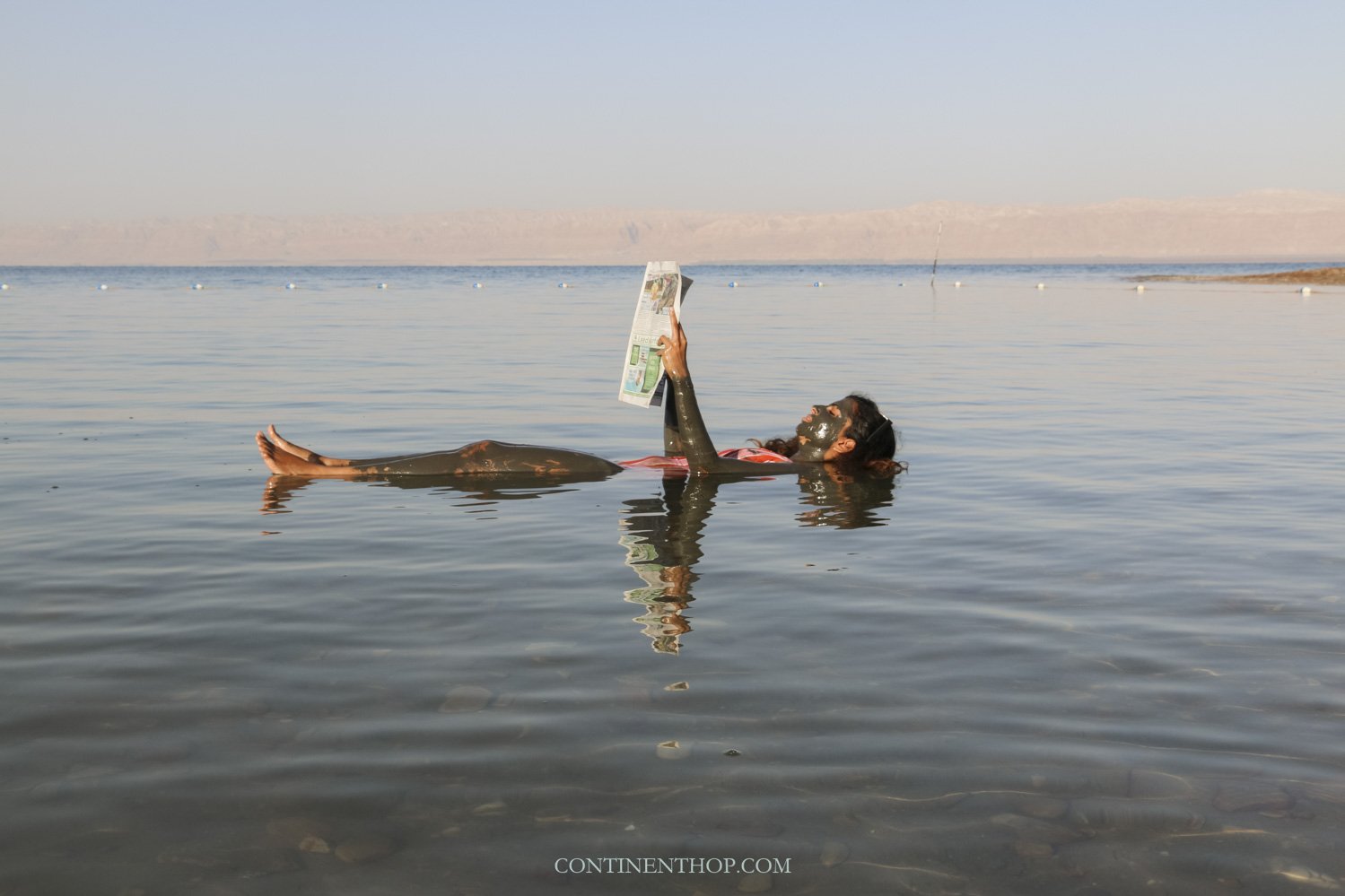
Swimming in the dead sea might look like a lot of fun and can be however you have a keep a few things in mind to ensure the water doesn’t sting you! Visiting the Dead Sea Jordan is a better option and here’s all the tips and tricks you need for a fun visit!
A few people continued swimming in the Dead Sea; the saltiest lake in the world, their faces caked with therapeutic mud while the sky gradually turned a blazing orange!
We were visiting the Dead Sea in Jordan, which honestly had far better amenities than the Dead Sea on the side of Israel, however, it also had one drawback: there were only a few public spots where one could take a dip in the Dead Sea.
Most areas were private, accessible only to the hotels and resorts present there. However, there were a few hotels were you could buy a day pass and head to float on the Dead Sea.
After a busy day inside Petra, it felt like dedicating a day or two here on our Jordan itinerary was justified.
After our dip in the warm waters, we walked back to our rooms while the buffet was served and belly dancers got ready to perform!
I’d visited the Dead Sea in Israel and I was ready for another swim the next day! Here’s the important Dead Sea tips and tricks you need to keep in mind!
PLANNING YOUR TURKEY ITINERARY | THE ESSENTIALS
Top-rated tours in Turkey:
- From Amman: Petra and Dead Sea Private Day Tour
- Jordan: Private Tour to The Dead Sea and Baptism Site
- From Amman: Dead Sea, Mount Nebo, Madaba, & Baptism Day Trip
Recommended hotels for the Dead Sea trip –
Why is the Dead Sea called ‘Dead Sea’?
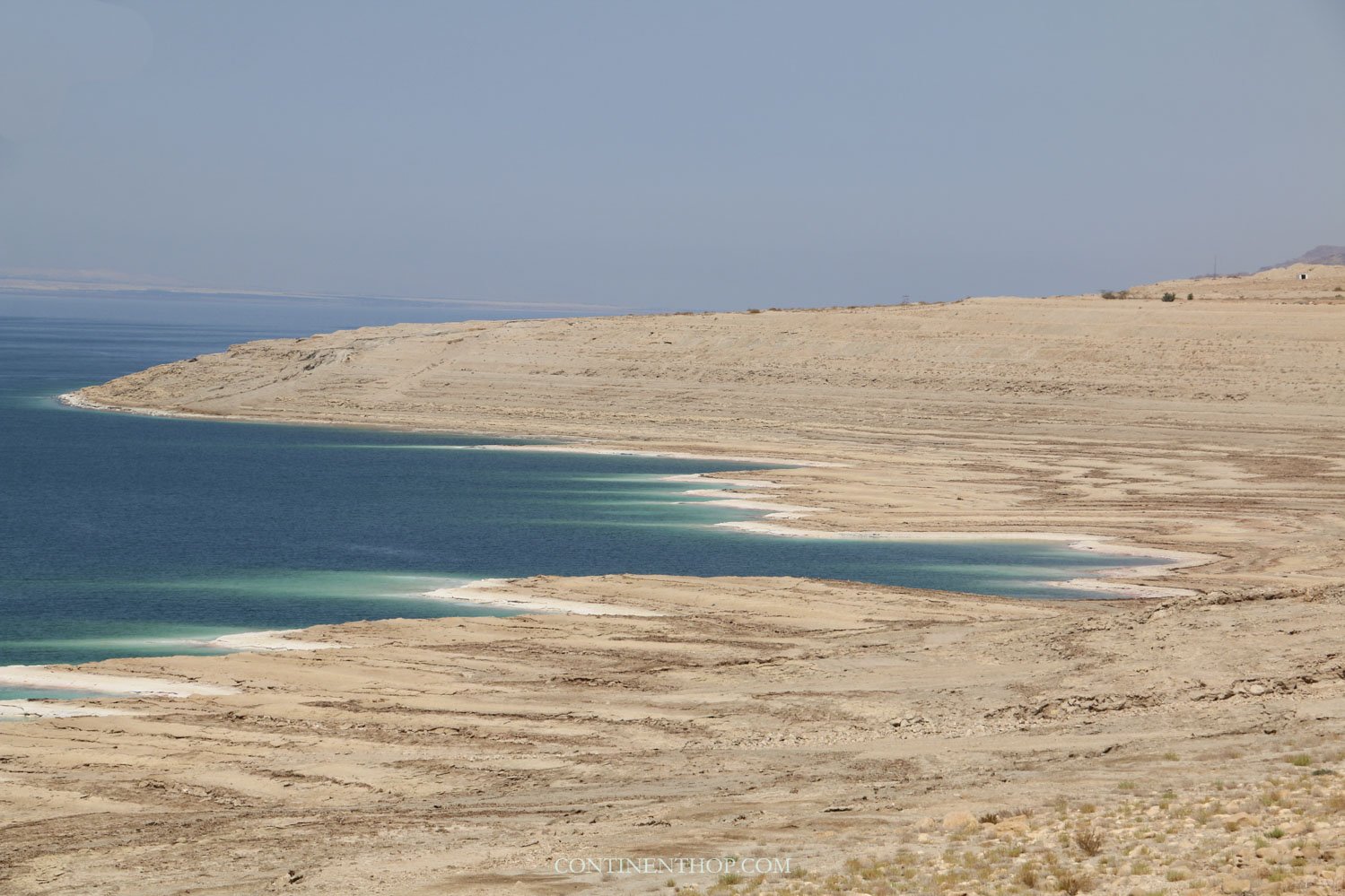
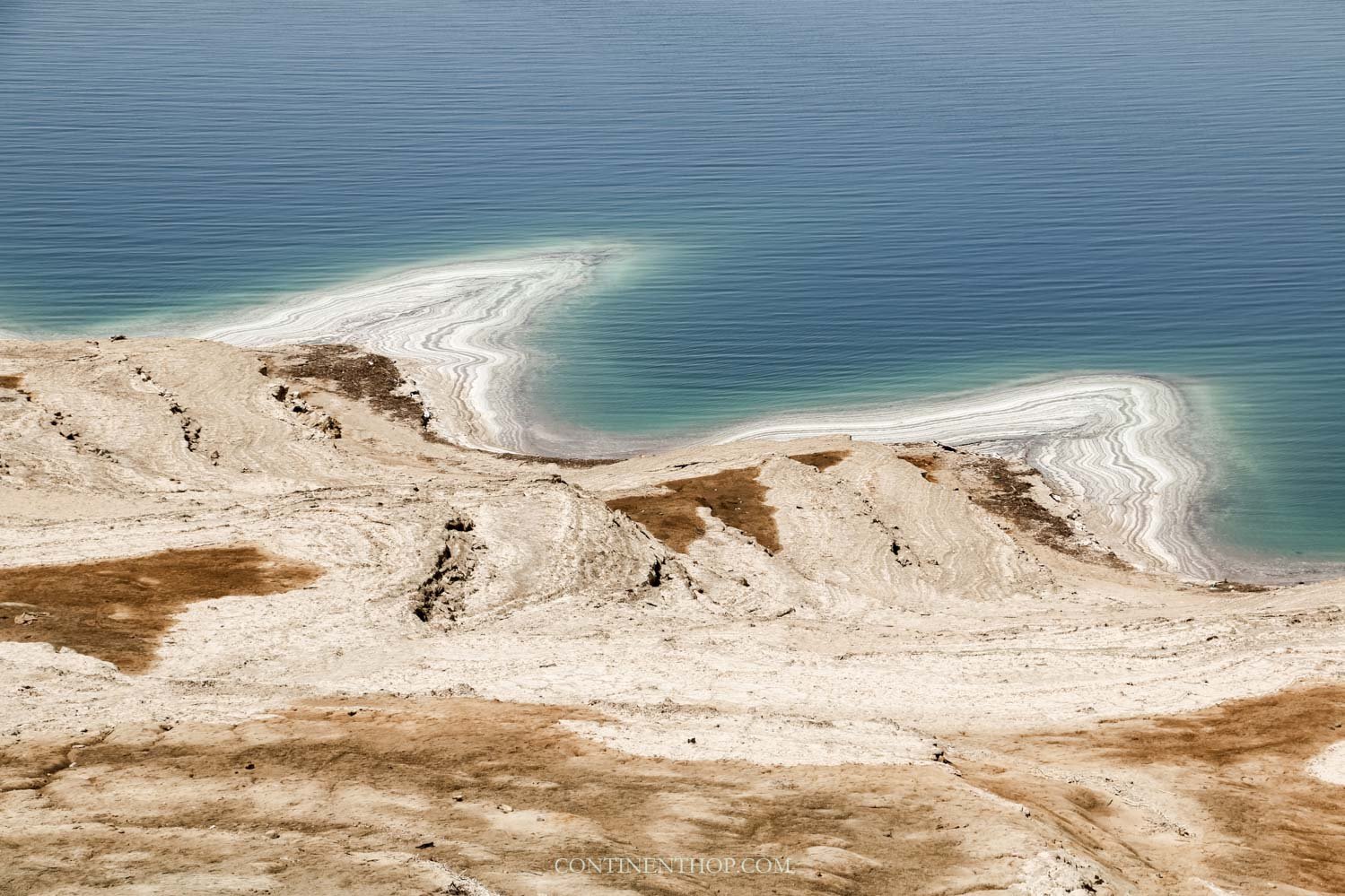
The Dead Sea is not really a sea but is actually a saltwater lake in the Jordan Rift Valley with the Jordan River as its biggest tributary. The surface of the lake lies at 1,412 feet below sea level and that makes the region surrounding the lake the lowest point on Earth!
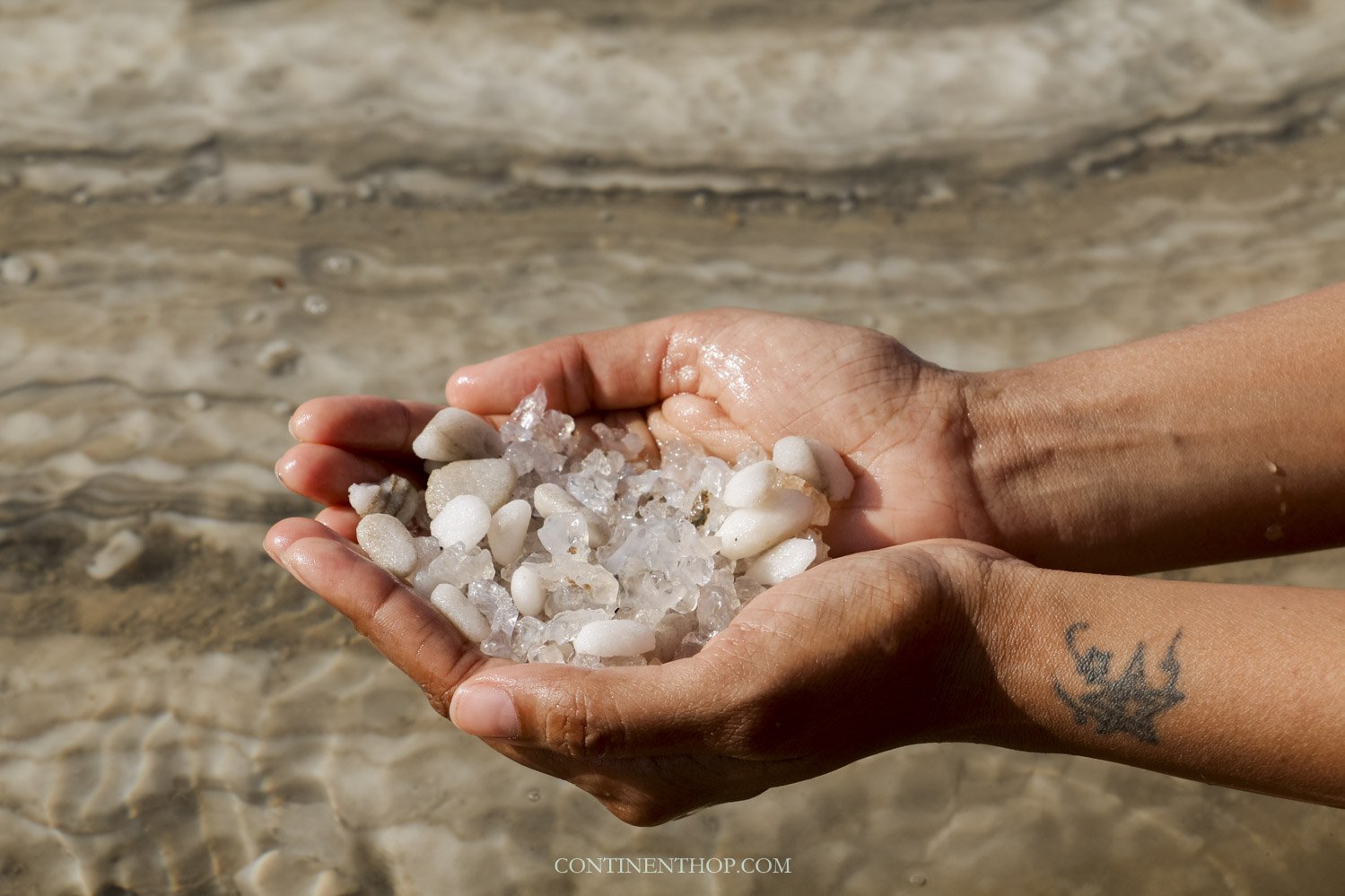
What’s even more fascinating is that the Dead Sea lake is actually one of the most saline water bodies in the world – even more so than the world’s oceans. While oceans have an average salinity of 4%, the Dead Sea has almost 35% salinity.
It is because of these reasons that no life can flourish and the lake is absolutely devoid of any plants or animals, thus the name the ‘Dead’ Sea.
Swimming in the Dead Sea – Visiting the Dead Sea Jordan
The Dead Sea has been a very popular tourist destination in Israel. Most tourists visiting Israel make it a point to experience the Dead Sea, but what most do not know is that the Jordanian side of the lake is equally spectacular and is one of the best places to visit in Jordan.
What’s even better is that the Dead Sea in Jordan sees far fewer tourists than Israel – meaning your experience of the Dead Sea might actually be better in Jordan than in Israel!
It is possible to visit the Dead Sea during a day trip from either Amman or Aqaba. To complete the perfect route, visit Petra first, and then make your way to the Dead Sea the next day.
For those who would like the complete experience of witnessing this saltwater lake’s magic even at night, there are enough resorts to spend a night or two.
The easiest way to reach the Dead Sea is by hiring a car. It is the most convenient and fastest way. With the vast expanse of the Dead Sea on one side and Jordanian hills on the other, this by road trip is something worth experiencing.
If you’re not into driving, you could also hire a taxi from Amman or Aqaba. But if you’re on a strict budget and don’t mind roughing it up, buses run frequently from Amman to Rame which drop you a couple of kilometers before the Dead Sea.
From here on, you could hitchhike as getting a lift is not difficult here but if you’re a solo woman please ensure you put your safety first and stay aware! This is applicable for almost every country in the world.

Places to stay near Dead Sea Jordan
Most places to stay near Dead Sea Jordan are located on the north shore of the lake. From luxurious resorts to budget hotels and hostels, there are enough options for everyone.
For those with a cushy budget and willing to splurge, these Dead Sea resorts come with their own stretches of private beach with showers to wash off the salt after your swim.
Check best prices here:
-
Ma’in hot Springs (best if you’d like to stay someplace offbeat but close to the Dead Sea)
In case swimming in the Dead Sea is not something you’re interested in, both these resorts also have their own pool where you can enjoy a not-so-salty swim!
There are also plenty of mid-range hotels available around the Dead Sea in Jordan. These are all affordable yet fancy enough for a comfortable stay. We stayed at the Dead sea Spa hotel and had a great time but did check out the other properties in the area too!
Check best prices here:
For those on a tight budget, these options are decent.
-
Dead Sea Resthouse
-
O Beach Dead Sea
Otherwise, consider spending the night in Amman and taking a day trip to the Dead Sea since the lakeside stay options on a budget are next to none.
However, for those looking to get out of Amman for the night and still staying within budget, spending the night in the town of Swemeh would be a convenient option.
Weather in Dead Sea Jordan
During the peak tourist season in the summers, the temperatures around the Dead Sea in Jordan can range from 30 to 40 degrees Celsius. On the other hand, winters can be quite chilly and make it difficult to go for a dip in the Dead Sea.
The best time to visit the Dead Sea in Jordan is usually around spring (March and April) and autumn (October and November). This is when the weather is not too hot and not too cold – making it just perfect for a swim.
Another plus point of visiting during the fringes of peak season is that you get very sparse crowds – almost as if you have the entire place to yourselves. Additionally, taxi and hotel rates also drop so it’s a win-win situation!
Amman to the Dead Sea
The Dead Sea in Jordan is most easily accessible by Amman. Amman to Dead Sea is 60 kilometers and it just takes 45 minutes to drive down to this paradise.
If renting your own car is not an option, taxis can be easily booked for the day. There are also daily JETT buses that leave for the Dead Sea at 9 am and come back to Amman at 6 pm the same day. So whether you’re going for a day trip or to spend a night, this is another convenient (and cost-effective) way to reach the Dead Sea from Amman.
Can you swim in the Dead Sea?
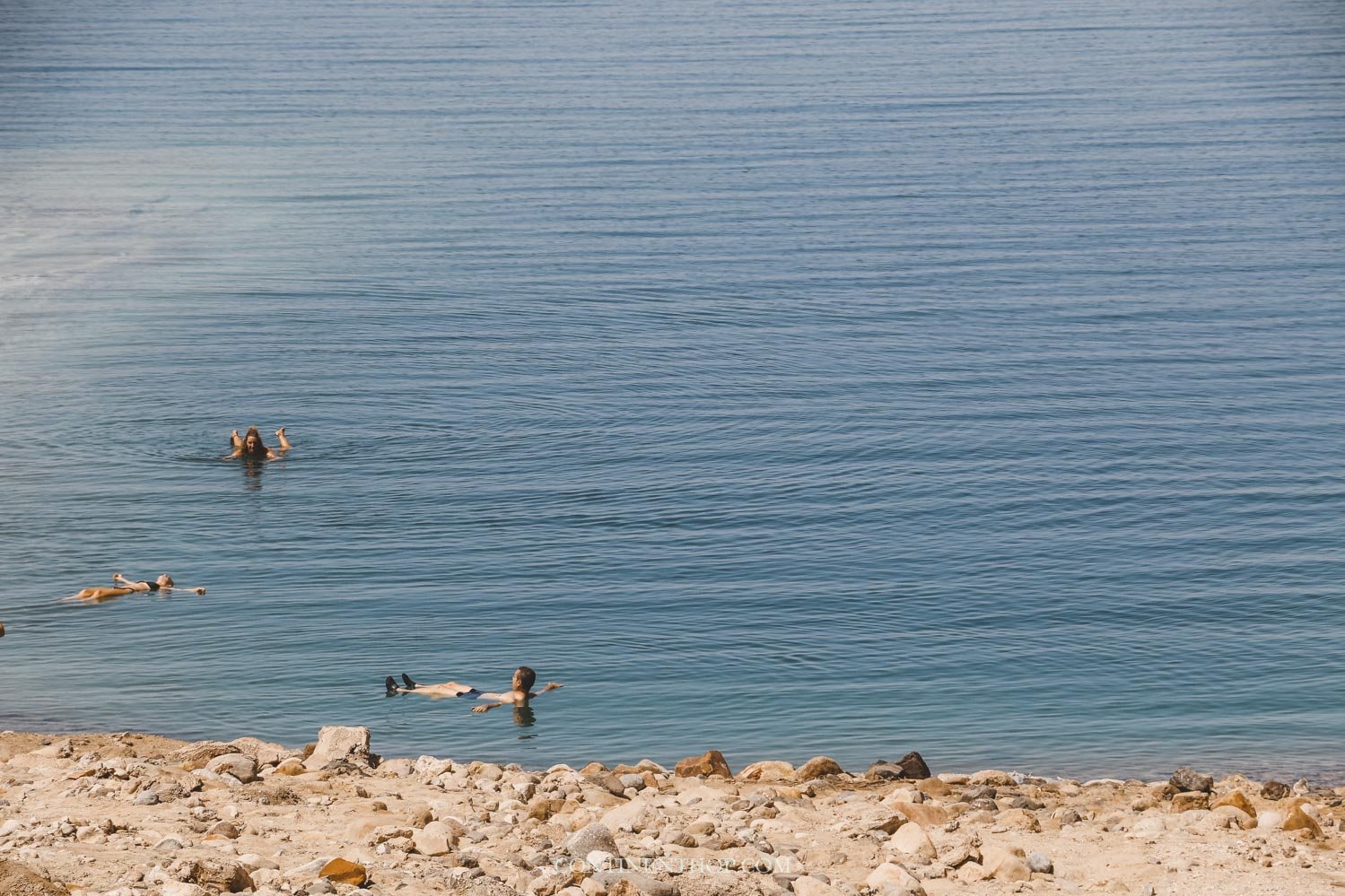
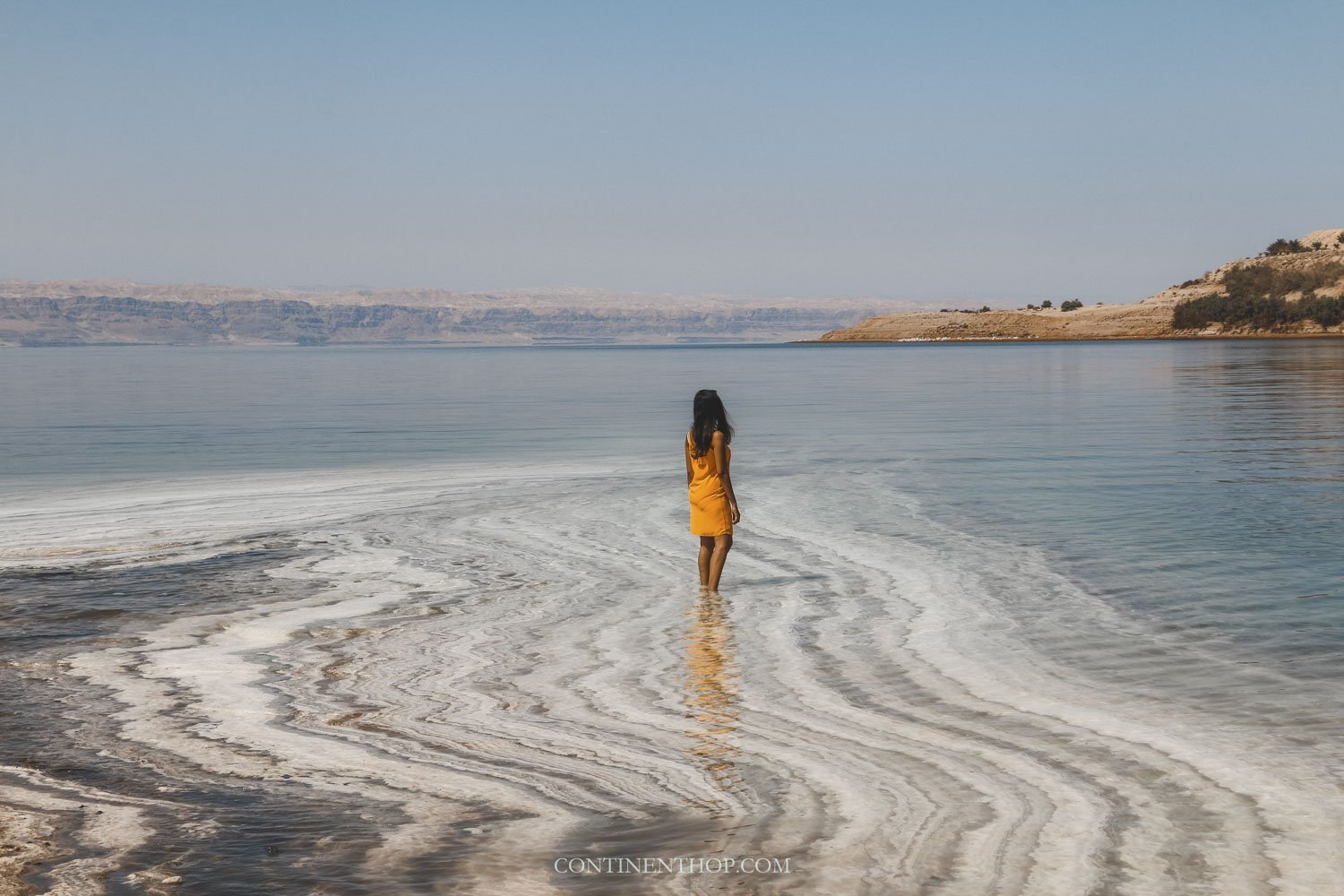
Swimming in the Dead Sea is much different than swimming in any other water body – for the simple reason that because of the lake’s salinity, its density changes, making it nearly impossible for you to swim in the Dead Sea.
The moment you enter the water, you will feel much lighter because of your body’s buoyancy and a few meters in, it will be impossible to stand or swim and floating in the Dead Sea will be the only option. Swimming in the Dead Sea is actually a great experience, but a few pointers need to be kept in mind:
IMPORTANT TIPS WHEN VISITING THE DEAD SEA
-
Make sure the water from the Dead Sea does not enter your nose, mouth, eyes or ears. Unlike ocean water, Dead Sea water is much saltier and will irritate you in case it enters your body
-
Try not shaving a few days before swimming in the Dead Sea. Due to its high salt content, open wounds can sting a lot when they come in contact with the Dead Sea water
-
Since the Dead Sea is the lowest point on this planet, it makes getting sunburnt much harder and you can enjoy a nice sunbathing session when here. However, it’s always good to follow basic sun protection practices like applying sunscreen before entering the water (unless you’ve already applied some mud)
-
It is totally okay to wear a bikini or a swimsuit while swimming in the Dead Sea resorts in Jordan. However, if you choose to visit a public beach, it is best to gauge by yourself what clothing you feel comfortable wearing as there may be a few stares involved especially if you visit in peak season
-
Make sure you don’t stay in the water too long in one go. The recommended time is not more than 20 minutes
-
Try to wear a dark colored bathing suit and not a light one as it is sometimes difficult to take the mud off!
Healing properties of Dead Sea mud Jordan
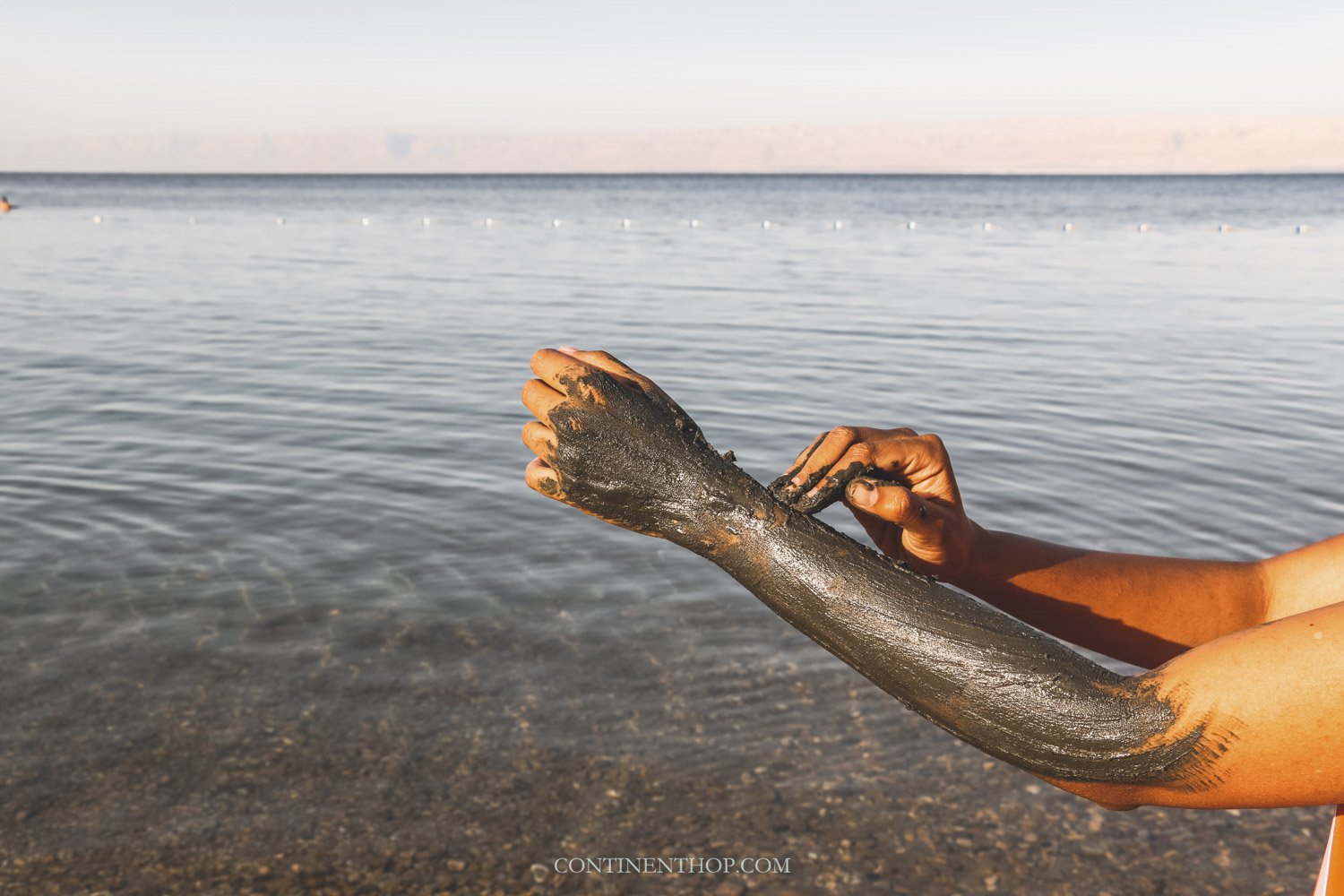
Due to the high amount of minerals found in the Dead Sea, it is often known as one of the world’s first natural spas. With minerals such as potassium, calcium chloride and magnesium, this lake is far from dead. In fact, it is believed that Herod the Great built a health resort on the banks of the Dead Sea which Cleopatra wanted to invade just so she could access the mud from the Dead Sea!
A bucket of Dead Sea mud would cost you close to a hundred dollars at the mall, but it is completely free when you visit the Dead Sea in person. You just have to ask the guards at the resort to get some for you and apply it all over after a dip. The high mineral content will give your skin a moisturizer-like effect and your hair will be shiny for a whole week!
Since the Dead Sea is also the lowest point of Earth, it has 15% more oxygen than most other parts – leaving you happier than you came. The sunlight here is also used somewhat like natural phototherapy and is known to cure a number of skin ailments.
Simply put, a visit to the Dead Sea is nothing short of a full-fledged natural spa. The only difference is, it’s all free.
Dead Sea cosmetics
As already mentioned, the Dead Sea and its water, soil and sunlight have innumerable benefits for hair and skincare. It is of no surprise then that a range of Dead Sea products is available in Jordan – both in markets and online shopping portals.
Dead Sea products are definitely some of the most sought after souvenirs for tourists to take back home for family and friends and for personal use. Some products worth looking out for include the Dead Sea mud to use as a face mask, the Dead Sea bath salts to use in baths and/or pedicures, and Dead Sea mineral exfoliators to use on the face and body.
Things to do in Dead Sea Jordan
-
Hammamat Ma’in – Ma’in Hot Springs
Hammamat Ma’in or the Ma’n Hot Springs are located between the Dead Sea and Madaba. There are a total of 63 springs in total with varying temperatures, up to 63 degrees Celsius! The springs are rich in hydrogen sulfide, calcium, sodium and other important elements which are known to cure skin, bone and muscular ailments.
-
Wadi Mujib
Wadi Mujib is a river canyon near the Dead Sea in Jordan. It is home to a number of endemic birds and animals species and boasts of an interesting hike one can do while wading the shallow waters of the narrow stream.
-
Mukawir
Mukawir – or Machaerus – is a fortified palace located atop a hill overlooking the Dead Sea in Jordan. It once used to be the stronghold of Herod the Great and its ancient ruins can be explored by visitors to this date. This site is especially a great spot during sunset with the skies changing colors dramatically over the Dead Sea!
-
Lisan Peninsula
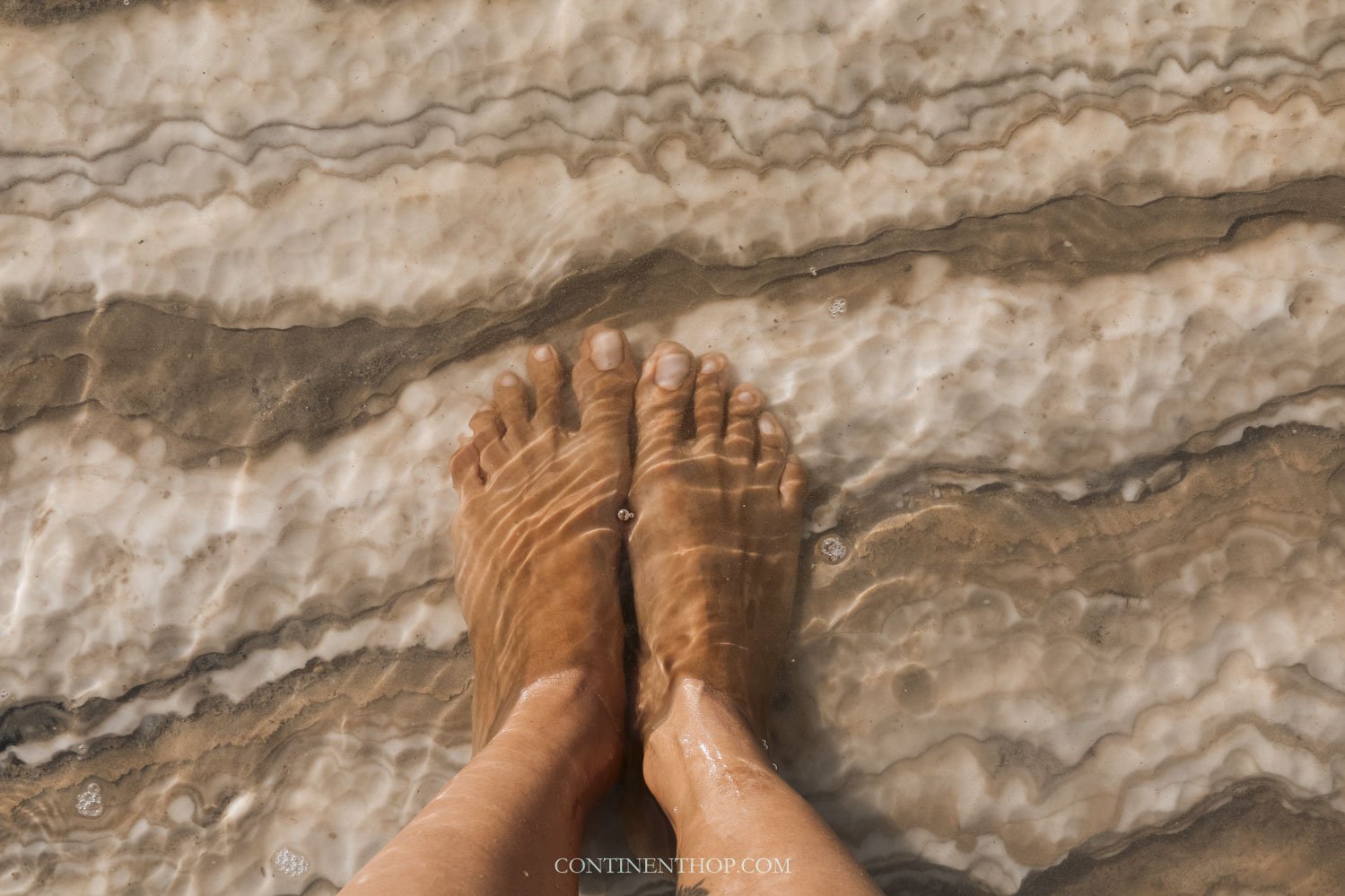
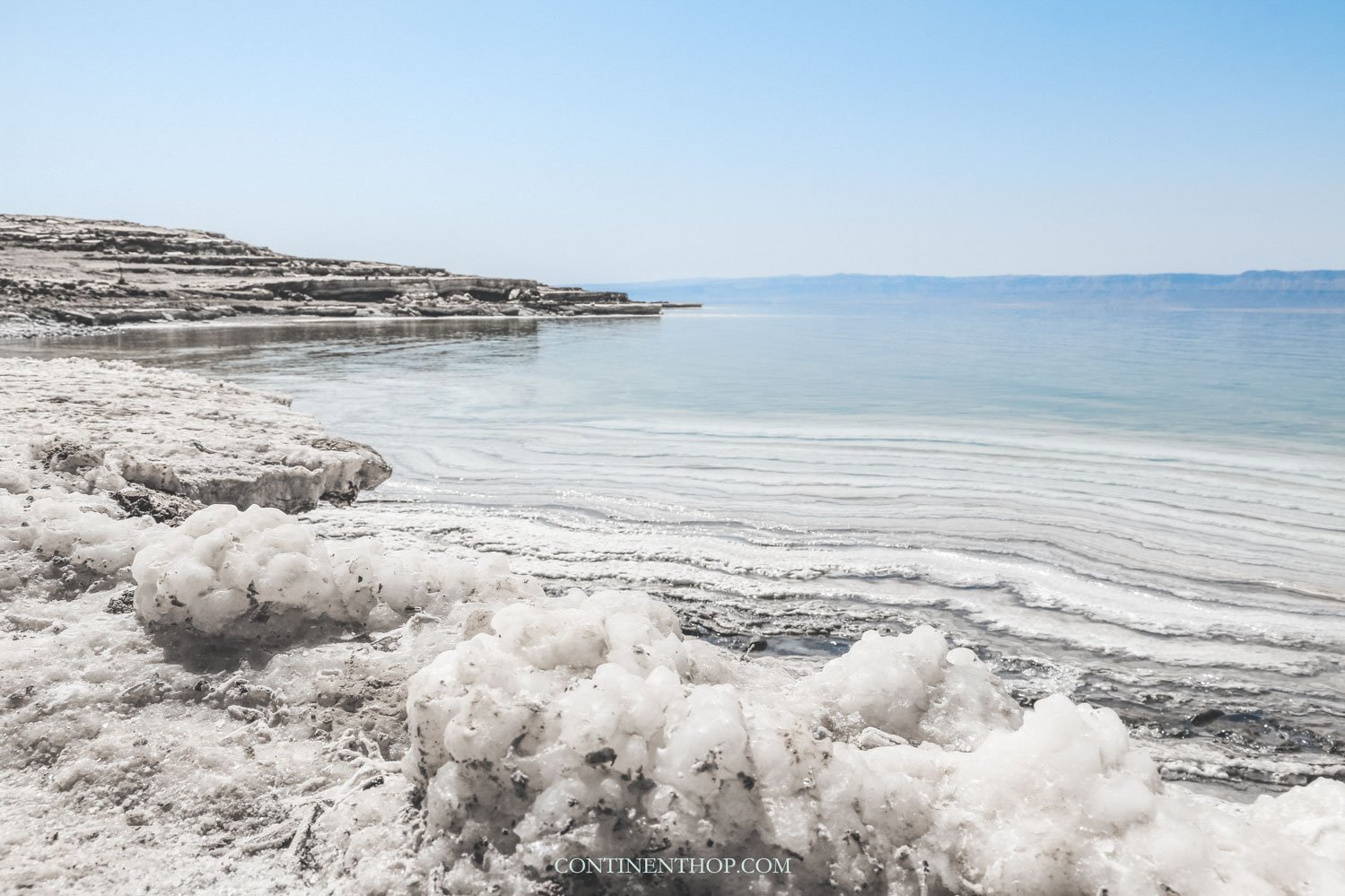
The Lisan Peninsula or Al Lisan is a piece of land that separates the North and South basins of the Dead Sea. Lisan translates to ‘tongue’ in Arabic and the peninsula is largely made by white calcareous sediment containing gypsum and salt.
You will also find several evaporation pools here, from which bromine, potassium chloride and calcium are extracted. It’s a great place to get a panoramic view of the Dead Sea, while you also get your Instagram pics!
-
Sodom and Gomorrah Sites
Sodom and Gomorrah used to be Biblical cities that were (re)discovered around the Dead Sea area between Israel and Jordan. On the Jordanian side, they have been turned into archeological sites that tourists can now visit. These include the Lot’s Cave Monastery, Kerak Castle (one of Jordan’s best-preserved castles) and Bab Ab-Dhraa, a fortified town from the Bronze Age which is now left abandoned.
Dead Sea Jordan or Israel?
Whether you decide to visit the Dead Sea on the Israeli side or the Jordanian side – the experience will be more or less the same. Ask this question to a bunch of people, and the vote would stand at about 50-50.
Each side has its own uniqueness and style. The Israeli side is more commercial. While this may mean more tourists where you go, it also means cheaper stay options and more open beaches.
On the other hand, since the Jordanian side of the Dead Sea is not very developed, it sees far fewer tourists than Israel but the beaches can’t be easily accessed and mostly tend to be private; however they’re worth it!
These resorts in Jordan are nothing less than spectacular and are as luxurious as they come. But this also means fewer options if you’re on a budget. Ultimately, it all comes down to what is your travel style and what kind of a holiday you are looking for.
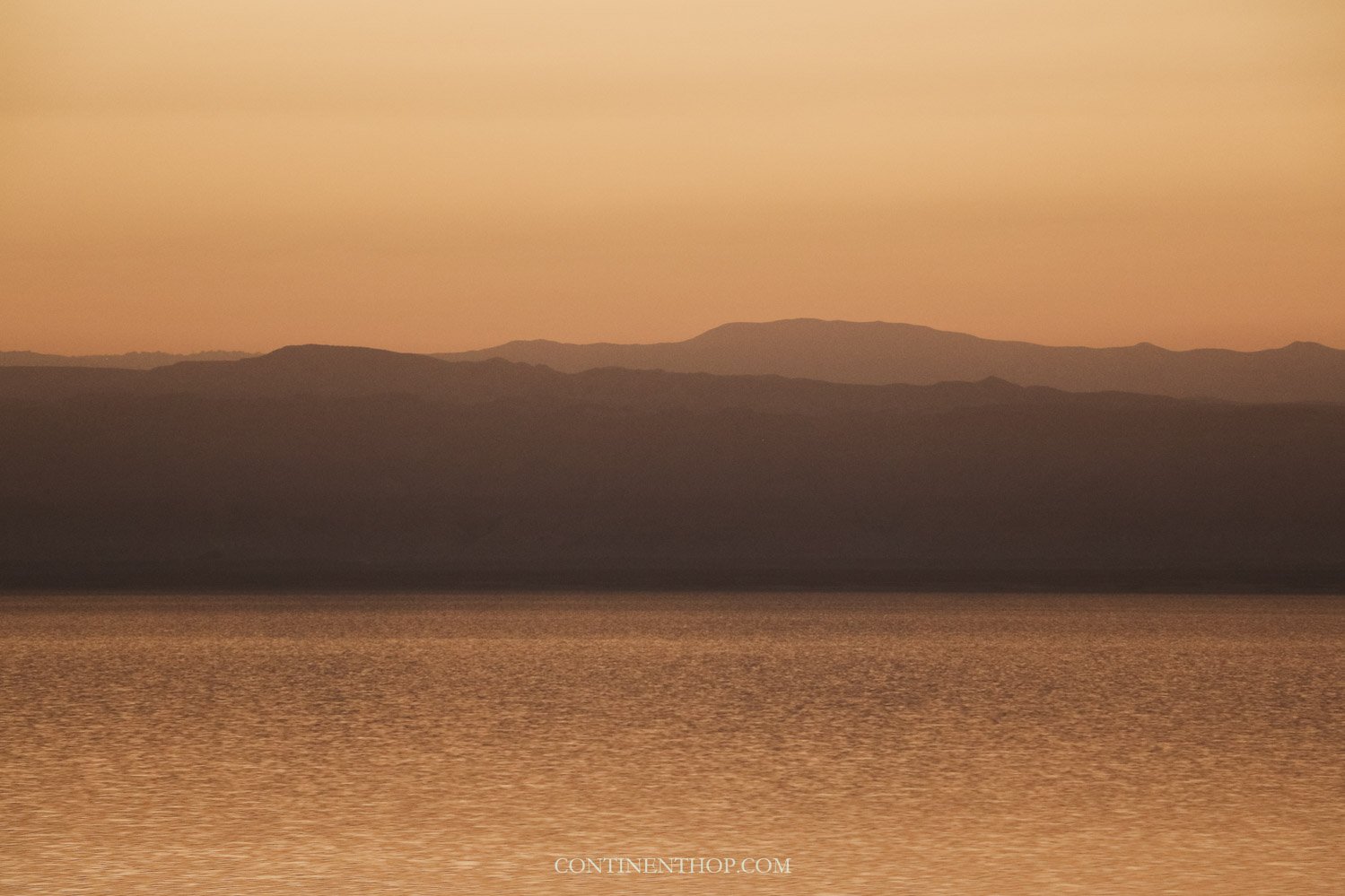
I had one of the best ‘swims’ of my life the next day as well and was utterly please with myself for including a sat at the Dead Sea on my itinerary. My skin was glowing and my hair was soft!
It was my second time swimming in the Dead Sea and the jaw-dropping experience of floating here never got old.
I left for Amman that evening hoping it wasn’t my last visit here and wishing I returned soon!
Swimming in the Dead Sea – FAQs
-
Is the Dead Sea OK to swim in?
You cannot actually swim in the Dead Sea. If you think that water’s high salt and mineral content will not let you drown, making it safe to swim in the Dead Sea, then you are wrong.
The water will keep you afloat, but if you try to swim in it, then it is almost impossible. Also, the salinity of water will lead to eye irritation way worse than in ocean water.
-
What happens if you swim in the Dead Sea?
It is not possible to swim in the Dead Sea. But if you try, the water will push you upwards, not letting you sink. As the salinity of the Dead Sea is more than 34% and it is way denser than freshwater, you will float effortlessly.
Do not let your head go underwater as this highly salty water is dangerous to your eyes.
-
How long can you swim in the Dead Sea?
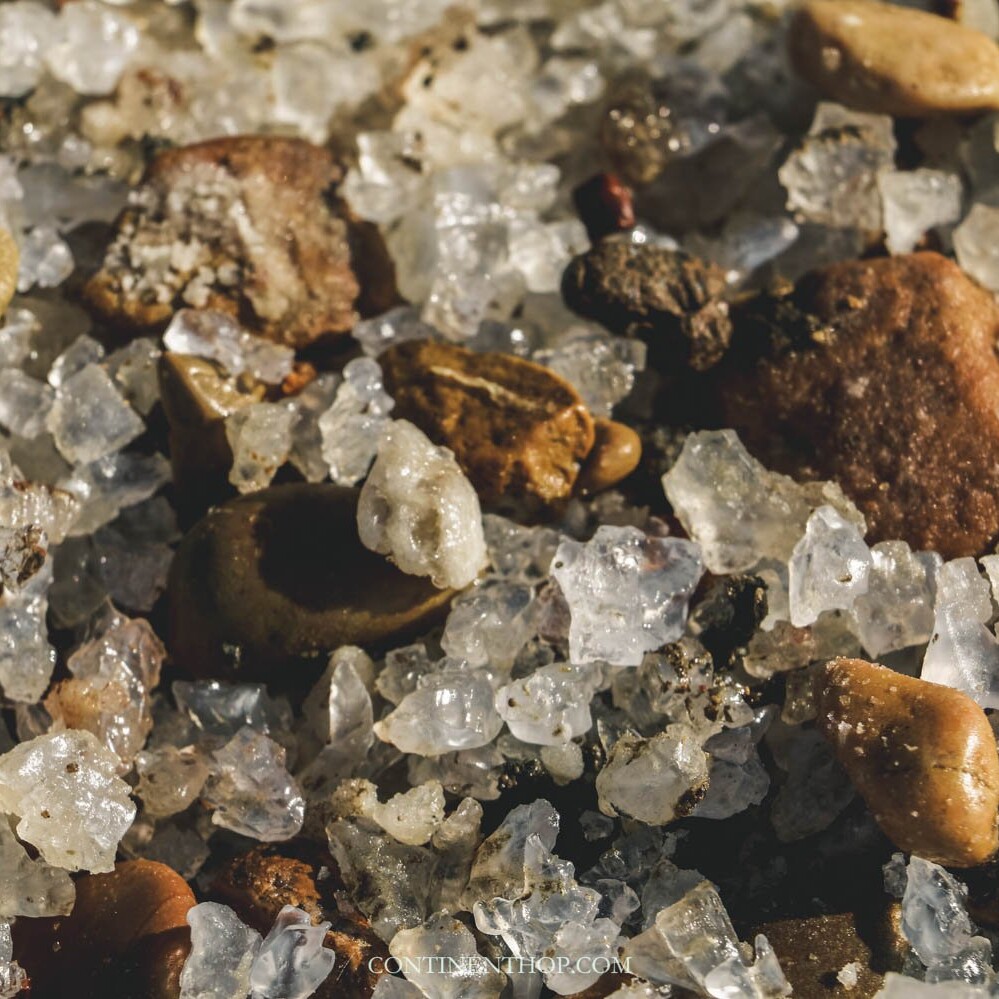
It is recommended to stay in the Dead Sea water for less than half an hour or up to 20 minutes at a stretch. The high salt and mineral content will leave your skin soft and the chances of cutting yourself on crystals are way higher then.
Plus, spending more time in such salty water may lead to dehydration and electrolyte imbalance.
-
Why is the Dead Sea so hard to swim in?
The Dead Sea is 10 times saltier than the oceans and has over 34% water salinity. That makes salt and minerals in water concentrated around the bottom. So, it results in buoyancy when you try to swim in the Dead Sea.
Buoyancy is the tendency of your body to float or rise to the surface of the water.
PIN FOR LATER!

EXPLORE MORE OF JORDAN
Nothing found.
Some of the links on this post are affiliate links. These do not cost you extra to use, but will help provide Continent Hop with a small commission if/when you purchase through them, to recover some of the costs of running this website and providing free content to help you plan your travel. I appreciate your support!

Why Visit Santorini Greece? (2026) - Here’s All the Reasons to Visit Santorini!
Why visit Santorini Greece is a question many have on their mind. They wonder if it is worth visting this island that may be crowded and expensive at times. Here’s all the reasons to visit Santorini if you’re still wondering and are planning your trip!
I couldn’t believe my luck as I sat in my jacuzzi, watching the sunset by the caldera. It was one of the most stunning sunsets I’d ever seen, and it wasn’t the only time I was blessed to see one.
Sunsets in Santorini were mesmerising every single day. For many, a trip to Greece is incomplete without a visit to Santorini – it was no different for me.
From iconic architecture to scrumptious meals and relaxing beaches, this volcanic island has a lot to offer. I loved how the highlight of my trip was the Top Sights Guided Day Trip, Wine Tasting, & Oia Sunset.
But is Santorini worth visiting? That is the most common question I get.
So, here are my top reasons that will tell you why visit Santorini.
PLANNING YOUR SANTORINI GREECE TRIP | THE ESSENTIALS
Popular tours in Santorini –
- Luxury Catamaran Day Trip with Meal and Open Bar
- Top Sights Day Trip, Wine Tasting, & Oia Sunset
- Horse Riding Trip to Black Sandy Beach
Recommended hotels for Santorini trip –
- Cocoon Suites in Imerovigli
- Charisma Suites in Oia
- La Perla Villas and Suites in Oia

Where is Santorini?
A Greek Island located in the middle of the Aegean Sea, Santorini is approximately 300 km from Athens, the capital city of Greece. It is located 140 km north of Crete and 150 km south of Mykonos.
You can easily get to Santorini via direct flights from most European cities in summer.
At other times, there are direct flights from Athens. You can also catch a ferry from Mykonos too, to get to Santorini.
How to get around Santorini?
The best way to get around Santorini is to rent a car. The car rental prices in Santorini may cost you around 25 to 35 euros per day. Renting a vehicle in Santorini is easy as almost all the rental services are available at the airport or the port.
If you are looking for an adventure, then renting an ATV in Santorini is also possible. But remember that Santorini is usually packed with tourists, and riding an ATV may not be fun if you are not an experienced driver.
Taking a bus in Santorini is the cheapest and easiest way to explore the island. The ticket prices for Santorini buses range between 1.60 euros and 2.30 euros.
The only thing to keep in mind is that Fira is the central station for all the buses, and all the routes start and end in Fira. Check the official Santorini bus timetable if you are interested in using public transport in Santorini.
Santorini taxis are another option for getting around the island. The only issue is that there may not be enough taxis at night or during peak travel season. Be ready for longer wait times.
Where to stay in Santorini if you choose to visit
Plan a stay from where you can enjoy views of the Caldera, such as Fira, Imerovigli, Firostefani and Oia. This is because its absolutely priceless watching the sunset while relaxing in a jacuzzi.
COCOON SUITES – We spent the night here. The massive caldera stood just in front of us, accompanied by a stunning sunset, as we dreamily relaxed in our private jacuzzi.
While booking, we also looked into several other options, which are worth considering:
CHARISMA SUITES – The ideal guests for this hotel are newlyweds seeking a romantic honeymoon. The view from the accommodation is among the most breathtaking in Oia and beyond!
LA PERLA VILLAS – Traditionally built cave suites with a swimming pool outside and a breathtaking view of the sea and caldera.
GABBIANO TRADITIONAL APARTMENTS – If you prefer an apartment, these typical caldera-view apartments with all amenities are ideal.

Why visit Santorini Greece: All the reasons to visit Santorini
Watch the breathtaking sunsets
Santorini has the world’s best sunsets, irrespective of your location.
Watch the sunset into the horizon as the skies turn into stunning hues of crimson, blue and other shades with views of the Caldera and the ocean.
The most popular spot to watch this picturesque view is the village of Oia, located on the north side of the island and built on top of cliffs.
But with popularity comes huge crowds as people race to find a spot to watch the view set against the whitewashed houses.
Alternatively, choose Akrotiri, Emborio and Pyrgos, villages located on the southeastern side of the island, to watch the sun depart for the day.
They are less crowded and quieter, offering a relaxing evening.
For a more exclusive experience, set sail on a sunset catamaran tour.
The five-hour excursion includes several beaches, food and drinks whilst offering the picturesque sunsets from a different perspective.
Walk amongst the beautiful whitewashed houses and architecture
Marvel at the beautiful Greek architecture, unique with their lanes and whitewashed houses.
Santorini is famous for the quintessential white-washed buildings. Irrespective of the town or village, wander through the narrow streets and alleyways and snap pictures in front of their buildings that are contrasted with colourful flowers.
The most interesting structures are the cave dwellings in the villages constructed in volcanic rock. They always remain in the perfect temperature that is cool during summer and warm in the winter. Also, don’t forget to admire the Neo-classical 19th-century mansion houses found in almost all villages and towns that were built by wealthy captains.
Why not try these highly-recommended tours for some of the best experiences on the island?
Relaxing: Luxury Small Group Catamaran w/ Meal & Open Bar: One of the best tours to cruise around Santorini, the best sunsets and beaches
Gastronomy: Highlights Tour with Wine Tasting & Sunset in Oia: Best to reserve for a wine tasting of the finest wines on the island
Adventure: Horseback Riding Experience in Volcanic Landscape If you love horse riding, this one is definitely for you! Or you could opt for this one.
Sunset Sea Kayak with Light Dinner if you like kayaking

Relax at the volcanic beaches
Santorini was formed by volcanic activity thousands of years ago and the evidence lies in the various rock and mineral formations across the island. It also gave rise to unique beaches that offer splendid views of the Aegean Sea and crystal-clear waters and another reason why visit Santorini.
Kamari Beach is a black-sand beach with vivid nightlife. The waterfront area is filled with traditional tavernas, bars, restaurants and water sports facilities. Equally beautiful beaches are Perivolos, Perissa and Monolithos located on the east coastal side.
Also, add the Red Beach on the western side of the island to the travel itinerary. Located near Akrotiri village, it is covered in pebbled sand with different shades of red. The impressive cliffs and breathtaking views of the Aegean Sea will make for a once-in-a-lifetime experience.
Recommended: Horse Riding Trip to Black Sandy Beach
Take a dip in the hot springs
The tiny, uninhabited islet of Nea Kameni is home to Santorini’s hot springs and the volcano.
The continuous underground activity from the nearby active volcano maintains the temperature between 30 degrees Celsius and 35 Degree Celsius of this natural wonder.
The water here is rich in iron and manganese that can stain clothes. Therefore, it is essential to be careful. However, the minerals are also said to have healing properties. Either way, take a dip in the rejuvenating hot water and melt the stress away.
Recommended: Luxury Small Group Catamaran w/ Meal & Open Bar is a good excursion to opt for as these take you to the hot springs as well as the beaches on a whole day trip
Learn about archaeology
History buffs will be excited to learn that Santorini is home to a plethora of archaeological sites.
Akrotiri is an unmissable settlement of the Minoan civilization around 4000 years ago. But a volcanic eruption 3600 years ago destroyed it and covered the settlement in volcanic ash. It managed to preserve various objects like frescoes.
Stop by the Archaeological Museum or the Museum of Prehistoric Thera to witness the loot gathered from the latest excavations.
DETAILS
Museum of Prehistoric Thera
Address: Thera 847 00, Greece
Timings: 8.30 AM to 3 PM everyday except Tuesday. Closed on Tuesdays
Price: 6 Euros per person

Sip on the unique flavoured wine
Pay a visit to some of the world’s oldest vineyards to taste the award-winning wines of Santorini.
The island is home to 13 wineries with each of them offering a different take on the drink. The largest and must-visit winery is Santo Wines which was built in 1947. The local wines are of red, white and rose varieties with the most famous being dry and fruity whites.
To get an insight into the industry, take a winery tour. And there are many options like a guided winery tour, a private tour of Santorini or a wine tour clubbed with sunset in Oia.
Also, don’t be surprised if the vineyards are not easily visible. The reason is that the grapes are grown low almost on the ground, which is something not expected of a traditional vineyard. If the grapes are cultivated along poles, the winds of Santorini will blow away much of the harvest.
DETAILS
Santo Wines
Address: Pyrgos Santorini ZIP CODE 84701
Timings: Four tastings daily, 10 AM, 1 PM, 2 PM, 5 PM
Price: They have about 6 tour options, prices vary depending on your selection. Details can be found here
Gorge on the scrumptious Greek food
Santorini is heaven on earth for all Greek food lovers. From fusion food to fine dining areas and traditional platters at taverns, it is evolving into a gastronomy destination.
Traditional Greek food contains a plethora of cold dishes, cold meat cuts and sea-inspired living. And it’s no surprise that Santorini is famous for its seafood. Try the family-run restaurants along the seafronts for a grilled feast that does not need anything else except drops of lemon juice.
For people who do not eat meat or fish, the local food still has options that will satisfy cravings.
Did you know tomatoes have been grown on this island since 1890? And a puree of this fresh fruit is rolled into balls of dough and fried in oil to make the delicious tomato keftedes: a local speciality. Another dish to try is saganaki which is fried cheese wrapped in filo pastry topped off with honey.
Don’t forget to visit the Red Bicycle Restaurant. A fine dining open-air experience, the taster menu consists of experimental food based on traditional local dishes. Another restaurant that is recommended and personally tried is Salt and Pepper.
DETAILS
Salt and Pepper
Address: 25is Martiou 405, Thira 847 00, Greece
Timings: Lunch 1.30 PM – 3.30 PM, Dinner 7 PM – 11 PM

Shopping in Santorini
The vibes of Santorini are perfect for shopping enthusiasts, as towns like Fira and Oia are dotted with quirky boutiques, small local markets, and high-end stores.
You will find everything from antiques and vintage items to international brands and handmade artworks while shopping in Santorini.
For book lovers, Atlantis Books in Oia is heaven.
Fabrica Shopping Center in Thira is the only commercial mall on the island where all the brands come together.
Nomikos Street is Oia is perfect for souvenirs like whimsical as well as elegant jewellery.
You may wonder why visit Santorini and that too only for shopping.
But, as you go around the island, meet welcoming locals, and surround yourself with all the artistic things this island has, you will realize that shopping in Santorini is a far different experience than only buying a few things. It allows you to take a piece of Greece back home with a plethora of memories.
The windmills of Santorini
The Cyclades are very windy and many locals have taken advantage of it. They harnessed the wind power to grind flour by constructing windmills. And the locals in Santorini are no different.
Spot the traditional windmills on the island, especially in Oia. For a fantastic view of them, stand on the Oia castle. And adventure lovers can also stay in a windmill to get a feel of it from the inside.
Explore the hiking routes
Another reason why visit Santorini are the scenic hiking routes.
The most popular hiking route is from Fira to Oia, which is an 11 kilometres hike that can last between 2 to 5 hours depending on the pace. Start in Fira and walk through the stunning villages of Imerovigli and Firostefani and end the hike at Oia.
It is an incredible experience featuring beautiful landscapes and views.
A photographer’s dream
From the above points, it is clear that Santorini is very photogenic.
The outstanding views, breath-taking sceneries, colourful beaches and the traditional whitewashed houses make the perfect landscape for shooting a month’s worth of Instagram content.
Photograph the village of Oia, the most famous sunset spot all over the world. It is an icon featured in all postcards and island pictures across the globe.

Perfect for honeymooners and couples
For couples, Santorini is a dream destination.
Apart from the postcard-perfect sunsets and picturesque lanes lined with white-washed houses, this Greek island has a lot to offer honeymooners.
Why visit Santorini for couples? is the usual question, as many underestimate its beauty. Consider booking this Oia Village Professional Photo Shoot, a fun way of creating memories with your partner.
If you want to make the most of your Santorini trip, I suggest booking this Private Guided Sightseeing Day Tour, which covers Perissa, Oia, Fira, and Pyrgos.
This is the perfect opportunity to understand Santorini without being disturbed by tourist crowds.
When you are wondering why visit Santorini for couples, then head to a lesser-known beach and get the whole sandy stretch to yourself. Take a stroll with your loved one or find a winery where you can enjoy a glass of the finest wine.
Visiting Santorini is always a memorable experience.
It isn’t too expensive
The best thing about Santorini is that the budget will never be an issue. There are amenities for everyone, irrespective of the spending capacity and the best reason on the list why visit Santorini.
Places to stay on the island range from full-service resorts to private villas and quaint hostels.
Many gourmet restaurants cater to the wealthier crowd. But equally, many affordable restaurants and taverns offer a unique Greek experience without having to loosen the purse strings.
Irrespective of the budget and stay duration, a holiday in Santorini will be unforgettable. Every village, view, food, drink and landscape is unique to the island and that adds to the charm of the place.
I hope I’ve added enough to answer the question of ‘why visit Santorini’. If you still have any, feel free to reach out via socials.
And now I have one question: When are you planning to visit Santorini?
FAQs – Why visit Santorini Greece
-
How many days in Santorini?
Santorini is more than picturesque beaches and blue dome buildings. The island offers a surprising number of fun activities that suit various travel styles and budgets.
We recommend setting aside at least two to four days during a trip to Greece to gain enough time to relax, try local cuisine, view popular sites and cover most of the island.
-
When is the best time to visit Santorini?
The best time to visit is either from April to May or September to October. During these months, the weather is warm and tourists are scarce, thus, giving you an opportunity to explore the island peacefully.
Santorini, like the other Cyclades, welcomes most visitors during the summer months between June to August. Therefore, it would require making reservations months in advance plus the trip would be heavy on the wallet.
-
How to get around Santorini?
The two best ways to get around Santorini are through bus or foot. It is easy to walk around the tiny seaside towns but the buses are the most viable option to get from one town to another.
The KETL bus routes go from the capital city of Fira to many different destinations around the main island. They also offer services to the airport though we recommend taking a cab for ease to travel.
For island hopping, there are ferries available from Athinios, which is around 8 kilometres south of Fira.
PIN FOR LATER!


EXPLORE MORE OF GREECE
Nothing found.
Some of the links on this post are affiliate links. These do not cost you extra to use, but will help provide Continent Hop with a small commission if/when you purchase through them, to recover some of the costs of running this website and providing free content to help you plan your travel. I appreciate your support!

Jemaa El Fna Square Marrakech (2026) - Tips for Visiting a Chaotic and Mystical Market Square
Jemaa el Fna square is the heart of Marrakech. At this fascinating spot, you’ll find snake charmers, the magical souk, monkeys and henna artists. You’ll also find street food and scams! Here’s a guide to the Djemaa El Fna, the main square in Marrakech!
The snake charmer in Jemaa El Fna chased me as I kept repeating to him I did not want a picture with the cobra, yet he insisted it’d make for a good picture with the snake around my shoulders!
Sounds hilarious but in reality it wasn’t!
It was tiring in the hot sun as just before this incident, a lady who’d insisted the henna tattoo was free, asked me to pay for it after drawing a few lines on my palm. After paying her, she wouldn’t let go of my hand and insisted it would look nice if she did a pattern right till my elbow.
At dusk, Jemaa El Fna lights up and you tend to forget the incidents of the day as delicious smells of street food waft through the air and mystical lanterns light up this Marrakech square.
This main square in Marrakech sits right outside the entrance to the Marrakech souk. During day, hawkers sell colorful wares while tourists haggle with them and fruit vendors sell blood orange juice; at night, live music, fortune tellers and numerous performers dot the square, turning Jemaa el Fna into a whole new spectacle.
Here’s how to get around, support locals, avoid being scammed and ensure you leave after having the best time at Jemaa El Fna.

How to best experience Jemaa El Fna square
What is Jemaa El Fna?
Jemaa el-Fna, Djemaa el-Fna or Djemaa el-Fnaa is the main market square in the medina quarter or the old city of Marrakech. To date, it is the main square for most commercial activities for both tourists and locals in this Moroccan city.
The name Jemaa El Fna has a lot of interpretations and history to it. To begin with, the most straightforward translation would be ‘gathering area’ in Arabic. But Jemaa El Fna could also mean ‘assembly of the dead’ referring to the mass public executions that used to happen here back in 1050 CE.
Jemaa El Fna has seen its share of history. In its earliest days, when the city of Marrakech was founded by the Almoravid Dynasty, it served as the public execution place. But much later on, it continued to remain the heart of the city and transformed into a space for traditional Friday markets and public entertainment in the evenings.
The square also had a stage for fantasia performances – which is the traditional exhibition of Maghreb horsemanship. Even though Jemaa El Fnaa has never had a proper architectural layout, it still thrives to be one of the most important sites in Marrakech even today and has been listed as a UNESCO Intangible Cultural Heritage Site.
How to Reach Jemaa El Fna?
Jemaa El Fna is located right at the entrance of the medina, or the old city. This triangular ‘square’ has the Marrakech souk on one side, and several hotels, garden cafes, rooftop restaurants and more on the other side. Also worth checking out are the narrow alleys that lead into the city’s old quarters to get a feel of Marrakech.
Jemaa El Fna is a 20-minute walk from Bab Doukkala and a 15 minute walk from Place des Ferblantiers. If you are in the central part of the city, it is best to take Bus 1 or Bus 16 from Gueliz.
Where to stay near Jemaa El Fna?
There’s numerous options for stay in the Medina at Marrakech which is closest to Jemaa el Fna. I wouldn’t suggest staying in the square as it can get quite busy, however anywhere in the medina in a Riad or hotel is perfect. There’s many resorts as well on the outskirts of Marrakech outside the Medina.
We stayed at the Riad Merzouga and I would highly recommend it!
Here are other options to stay in Marrakech –
Riad et SPA Misria Les Orangers
Address : 17, derb Anboub. Quartier Barroudyine. Médina Marrakech 40008
Address : 2, Derb Chelligui, Sidi Ben Slimane, Marrakech 40000

What to do in Jemaa El Fna?
Jemaa El Fna is a meeting place for both locals and tourists and also an important marketplace in Marrakech. It represents Moroccan culture quite beautifully through food, performances, art and other forms of entertainment.
It is also a place where you’ll mostly be picked up for your road trip or tour if you’ve booked any.
Djemaa El Fna is bustling at night as well. With ‘human’ performers who tell old tales, play Berber instruments and sell exotic lamps, it is definitely worthwhile to pay a visit in the late evening.
Jemaa El Fna – Know Before You Go
While a visit to Jemaa El Fna is definitely a must-do on your trip to Marrakech, it is definitely an assault to the senses and can sometimes get overwhelming as well. Here are a few tips that are worth knowing before you end up at this popular site:
-
During the day, be cautious of vehicles and carts going around the square. After 2 pm, no vehicles are allowed so you’re free to walk around without worries.
-
Look out for pickpockets and gropers that mostly come out once it’s dark. (Although there are always enough cops nearby to report any mishap).
-
For the best seats around the performers of music, dance and poetry, it is best to come early. 4 pm is usually a good time before things start to pick up.
-
It’s good to have a few loose dirhams on you to tip the performers after the performances. (A little more if you took pictures would be nice).
-
It is here that you’ll find snakes in Marrakech. Chained monkeys and snake charmers are aplenty around the square – both ethically questionable practices. It is best to avoid them and not indulge in the abuse of animals.
Here are some of the best things you can try in Jemaa El Fna
Get a henna tattoo in Jemaa El Fna
Henna in Morocco originates from Berber culture. Henna tattoos have long been a symbol of good luck. Some also strongly believe that having a henna tattoo can guard you against the evil eye – for this reason, many traditional henna tattoo designs in Morocco include motifs like the hamsa, diamond shapes or an eye.
There are several henna artists sitting around the Jemaa El Fna where you can pick out designs and get yourself one by a traditional artist.
I would however highly recommend you do your due diligence as sometimes the henna tends to have black colored dye mixed in it for the colours to pop, hence best to get it done from a local store, like the Marrakech Henna Art Cafe, than the Jemaa El Fna square.
Price: Varies per vendor. Negotiate and set a price before sitting down for a tattoo. Tattoos are not free even though vendors mention it that way


Try the local street food in Jemaa El Fna
Jemaa El Fna is flanked by blood orange juice stalls everywhere during the day to fight the heat. After walking around the city, a stop here to catch a breath, look around while sipping on some freshly squeezed fruit juice is the best way to begin your tour of this market square. There are also several water carriers walking around the square.
These water carriers give out water in a very traditional Moroccan way – in brass cups from a leather water bag making such a mundane experience feel all new!
During the evening, several street food stalls prop up everywhere in the market. The street food scene in Jemaa El Fna is definitely something worth checking out as its different to the meze most people are familiar with. Some of the many popular dishes here include sheep’s brain, snail soup, skewered hearts and more. Stall number 1 is known for its brochettes or kebabs and tajines.
Stall 32 is great for harira, a vegetarian soup made with coriander, tomatoes, saffron, onion, lentils and chickpeas, as well as grilled merguez sausage served with bread. Stall number 14 is the place to go for fried fish and calamari. Some other things worth trying out include fried sardines in chermoula, sheep’s testicles, Marrakashi tanjia, Merguez sandwich and bite-sized grilled lamb with cumin.
Post dinner, making your way to the southern stalls for some tea might be a good idea. The speciality here is the traditional ginger tea known as khoudenjal. It is made with cinnamon, cardamom and mace.
This tea goes best with a dense, sticky, spicy cake that is often served along with it. Stall number 71 is usually where most locals flock to get their night tea! If you’re looking for some more traditional beverages, try the mint tea (also often known as Berber Whiskey), nus-nus which is half and half coffee with steamed milk.

Watch a musical performance in Jemaa El Fna
The Jemaa El Fnaa is flocked by traditional musician circles that play for hours at a go once evening falls. The Amazigh music of the Berber or the Imazighen people steals the show every evening at the square.
The music takes on folk traditions and particular African rhythms. These musician circles also use a variety of traditional Berber instruments including wind instruments like mizwid, zukra and nafir, string instruments like rebab and ginbri, and percussion instruments like tabl and bendir.
This live music scene in the Jemaa El Fnaa is a great insight into the traditional ways of the Berber people and a fantastic local experience to have in Morocco.
Learn about traditional medicine in Jemaa El Fna
For several thousand years, Moroccans, especially the Berber people who live nomadic lives, have sustained traditional forms of medicines using various parts of various plants to cure illnesses.
The practice of being able to identify these medicinal herbs, and where to find them is slowly dying as the new generations are losing their roots. But at the Jemaa El Fna square, time stands still as several traditional medicine stalls prop up everywhere.
Here, you can sit and chat with the traditional healers and ask about the several medicines on display, where they come from and what their uses are. This is another experience that will make you feel in awe of the Berber people and how they have survived for centuries without allopathic medications.
Have your fortune told in Jemaa El Fna
If there’s one thing Jemaa El Fna is known for, it has to be its fortune-tellers – usually really old men and women – who can be found sitting under blue umbrellas, waiting for people to drop by to find out about what the future holds for them.
These fortune-tellers are locally known as ‘Lalla’, a title of reverence. These fortune-tellers either read palms or ask customers to pick out tarot cards to help foresee their future. Whether it really works or not, is something you will just have to try and see.
Price: Varies per vendor. As always ask and set a price before trying it out

Listen to age-old poetry and stories in Jemaa El Fna
Another group of performers at the square are storytellers and poets. These performers mostly have a local audience as they tell their stories and recite poetry mostly in either Arabic or the Berber language. But it is quite an experience as a foreigner, nonetheless, to sit and watch these performers entranced by the stories they are narrating.
These are the very last of the remaining storytellers of Morocco, an art now slowly losing its way with the advent of modernization. Of these, Abdelilah Amal and Mostafa Dardak are two of the most renowned performers who’ve been practicing the art for over 25 years. If you end up here, enquire about their performances and be sure not to miss them!

Experience a traditional dance performance in Jemaa El Fna
The square has also served as a stage for several Berber dancers for decades. The Raissat are professional dancers from the Berber tribe who put on performances almost every evening at the Jemaa El Fna.
They mostly hail from the regions of Tiznit and Agadir and perform pentatonic music with traditional dance steps. Another dance group to look out for are the gnaoua dancers with their troop of live music playing the sintir instrument.
This hypnotic trance music and the kouyou dance that is paired with it has been traditionally used by the Gnawa people to call on ancient spirits to drive out evil, cure mental illnesses and treat scorpion stings. It is an interesting sight to watch as the dancers perform these traditional ceremonies at the Jemaa el Fna.
Shop for souvenirs in Jemaa El Fna
Not only is the square a cultural hotspot, but it is also home to handicrafts which make for the perfect souvenirs to take back home. From leather bags and sandals, terra cotta pots, spices, beautifully woven carpets and more, there is something for everyone here.
Price: Do not ask for prices unless you intend to buy. Only start haggling once you’re sure of what you want to buy
People-watch from a rooftop cafe in Jemaa El Fna
The Jemaa El Fna square is flanked by rooftop cafes on its sides which make for the perfect place to take wide-angle photos of this bustling market center or to just sit back and sip on mint tea as you indulge in some people watching.
Café de Paris and Café du Grand Balcon are the two most perfect spots here that allow you to enjoy your time in peace, but with a view of the city’s heart!

Jemaa El Fna – Frequently Asked Questions
What does Jemaa El Fna mean in English?
Jemaa El Fna roughly translates to several things in English. It could mean ‘place of gathering’, ‘gathering of the dead’ or ‘mosque ruins’ depending on what context in history we look at while translating it from Arabic.
What does Djemaa el Fna offer a visitor?
Djemaa el Fna has a lot on offer. Of these, its traditional Moroccan street food stalls are the most popular. For beverages, mint tea and orange juice can be found aplenty. Visitors can also shop for souvenirs including leather handicrafts, spices, carpets and rugs and much more.
Another highlight of the square is its many types of arts and entertainment performances. From henna tattoos to folk dance and music and even storytelling and poetry sessions – you can find them all here!
What is the main square in Marrakech called?
Jemaa El Fna is the main market square in Marrakech and is also a point of bustling cultural activity.
When was Jemaa El Fna created?
Jemaa El Fna was created sometime in the early 11th century by the Almoravids Dynasty.
What are Moroccan markets called?
Moroccan markets are called ‘souks’. Souk is a widely used term for marketplaces across the Arabic world.
PIN FOR LATER!


Have you ever visited any small towns in Morocco?
I’d love to hear in the comments below!
EXPLORE MORE OF MOROCCO
Nothing found.
Some of the links on this post are affiliate links. These do not cost you extra to use, but will help provide Continent Hop with a small commission if/when you purchase through them, to recover some of the costs of running this website and providing free content to help you plan your travel. I appreciate your support!

Murano And Burano - Which Islands of Venice do you Visit? (2026)
Murano and Burano islands are the two most famous islands of Venice. A Murano Burano Torcello Vaporetto (water taxi) tour is a popular day trip from Venice. If you’re short on time, which island do you pick? Read on!
Almost all houses had bright, colorful hues no matter which direction I turned.
People were friendly and continued about their daily chores; some hung clothes up on a clothesline to dry, others knitted lace while children ran around playing their usual games.
Everyone was enjoying Italy in summer, including us, as were we on our Murano and Burano tour.
Burano and Murano islands are in the Venetian lagoon, a few miles away from the city. Torcello, known for the Basilica of Santa Maria Assunta, is another island situated close by.
Burano is known for its colourful homes and lace-making, while Murano is known for glassmaking.
Many tend to spend two days in Venice usually on their European itinerary, however it is worth extending your stay and going for a day tour to the islands of Burano and Murano.
It’s quite easy to hop on a Murano to Burano vaporetto, ensuring you can get a Glimpse of Murano, Torcello & Burano Islands with this tour.
However, if you’re short on time or would rather spend a day just on one island, here’s all the info you need to pick one!
PLANNING YOUR MURANO & BURANO ITINERARY | THE ESSENTIALS
Popular tours in Murano & Burano –
- Glimpse of Murano, Torcello & Burano Islands
- Murano Glass & Burano Colors Guided Visit
- Murano and Burano Half-Day Island Tour by Boat
Recommended hotels for Murano & Burano trip –

Some history about the Murano and Burano islands
Torcello became a settlement in the 5th century AD. Murano Burano & Torcello were first inhabited by Romans who fled Altino during the Barbarian invasion. Torcello was the first island to be settled in the lagoon long before Venice was established.
Torcello was land that no one wanted: mudflats in the middle of salty marshes in a lagoon. The island thrived, and 20,000 people were inhabiting the island at one point.
Plague and malaria caused living on the island difficult, and by the 14th century, the island was emptied, and people had moved to what is now present-day Venice. Torcello means ‘tower and sky’.
Much of the present-day island is a nature reserve which you can access through walking paths.
Burano’s name comes from ‘Porta Boreana’, a door in Altino from where people fled to the city. Murano is actually made up of seven small islands linked together by bridges and canals.
The first houses on these islands were made from woven canes and mud as the ground was too tender. These houses were later replaced by bricks.
The exact reason for the colourful houses in Burano is unknown.
But the most believable legend is that homes were painted in bright colours so that fishermen returning to the island could navigate to their houses when fog blanketed the island.
Murano has its own lighthouse and is primarily known for its glassmaking.
Murano, too, was inhabited by the people fleeing the Barbaric invasion but was an independent commune until it became a part of the commune of Venice.

Getting to Murano and Burano (or Torcello)
It’s easy to get to Murano Burano Torcello from Venice. You can take the Vaporetto (water bus) or hire a private water taxi.
Murano Burano Vaporetto/Murano Burano Torcello Vaporetto – Murano and Burano islands as well as Torcello as easily accessible by Venice Vaporettos.
They are a reliable mode of getting to the islands. Details on Vaporetto schedules and costs are in the sections ahead.
Murano Burano Torcello tours
Organised half-day or day-long trips from Venice to Murano Burano Torcello are available for as low as 20€. Packages through a private boat cost 100-200€. Check for tours here.
You could also do a half day trip to Burano and Murano. Lagoon tours take you around the islands and Venice lagoon for the whole day and are also worth checking.
Should you visit Murano or Burano?
If you would like to see how Venetian glass is made, visit Murano.
If you would like to see the colourful houses in Burano, get photos against the colourful background and see how Venetian lace is made; visit Burano. It depends on how much time you have.
Most tourists take half of the day or a day to visit Murano or Burano/Murano and Burano.
It depends on your itinerary. If you have only two days in Venice and want to spend half a day in either Murano or Burano and spend the other half seeing some of the attractions in the city, then you should visit either Murano or Burano.
If you’d like to glassmaking, visit Murano. If you’d like to see pastel-coloured houses and lace-making, visit Burano.
If you are someone who can stick to schedules and would like to see Murano and Burano in half a day, it is possible. Start your day early. Take the ferry from F.te Nove terminal, and get down at Murano.
See the glass making at a factory/workshop. Take the Murano to Burano Vaporetto – it takes half an hour to reach Burano. Spend time walking around Burano and visiting lace shops. You can get back to Venice and spend the other half of the day visiting a museum or two.
This two day in Venice itinerary suggests spending half-day in Murano and Burano and the other half on Venice’s attractions.
Or, if you have an entire day, you can easily take a day trip to Murano and Burano.

Here’s how to get to Murano – Burano – Torcello
How to get to Murano from Venice
The Vaporetto on route 12 from the Fondamenta Nova ferry terminal will take you to Murano. It’ll take only 8 minutes to reach Murano.
How to get to Burano from Venice
The same Vaporetto on route 12 Fondamenta Nova ferry terminal goes further to Burano. Venice to Burano is 40 minutes by the water bus.
How to get from Murano to Burano and Burano to Murano
You can take the same Vaporetto that starts from Venice to get from Murano to Burano.
More details about getting from Venice to Burano , ferry tickets and costs (including stops to other islands) can be found in this article.
Check the timetable here to figure out how to get from Venice to Burano by ferry.
Vaporetto info for Murano and Burano (and Torcello)
For getting from Burano to Murano, take the returning Vaporetto on the same route. It starts at Punta Sabbioni and ends at Venice.
It takes 30 minutes to reach from Murano to Burano or Burano to Murano.
The route 12 Vaporetto service from Venice runs every 20-30 minutes throughout the day. Use this timetable to see the Vaporetto timings, and it’ll also help you understand the route for your Murano or Burano trip.
You have to pay €7.5 for a 75-minute ride (75 minutes from the time of validation) and €15 for a two-way ride (75 minutes twice from the time of validation).
Assuming you will be using the Vaporetto to travel from one place to another in Venice, it is cheaper to buy the day-long Venezia Unica pass for €21.
If you want to spend more time in the city, consider buying the 2-day/3-day or 7-day Venezia Unica pass. You can buy the pass here. You can also purchase passes from here to help you save money on entrance fees for some of Venice’s attractions.
You could also take a private water taxi to Burano or Murano. Private water taxis are costly. If you’d like to take a private water taxi to the islands and take the same taxi back to Venice, it will cost 150-200€. This does not include waiting time while you spend time on the islands.
If the taxi allows multiple seating, you can share the cost amongst a group, which will be cheaper. Though, using the Vaporetto is easy. The Vaporetto service is reliable and costs substantially less.
Or consider taking a Murano Burano Torcello tour, a 4-6 hour tour that involves a pickup from Venice through a motorboat and a drop-off back to Venice.
The boat waits while tourists spend time at Murano Burano & Torcello. A few tours include the entry ticket to a glass factory in Murano. Check for Murano Burano Torcello tours here.

In brief:
Costs
€7.50 for a 75 minute ride each way, €15 for a round trip (to Burano), €22.50 (with a stop to Murano).
€21 for a City pass including Vaporetto public transport, starting from €150 for a private transfer
Timings
To Murano from Venice – about 15 minutes on ferry
To Burano from Venice – about 35 minutes on ferry

A day trip/half-day trip to Burano and Murano
If you start from Venice, your first stop would be Murano. Or if you start very early in the morning and reach before 10 am when the glass factories or Murano Glass Museum is closed, you should first see Burano and then visit Murano while returning to Venice.
Things to do in Murano
See the Museo del Vetro
Museo del Vetro, Murano’s glass museum, which showcases the history of glass produced on the island.
After visiting the museum, see how glass is made in the glass factories on the island. Murano glass is made by mixing silica, soda, potassium, and lime in a high-temperature furnace.
These minerals fuse at 1200-1500°C to form liquid glass. Glass workers then do several things like blowing, crushing, pitching, cutting this glass, and using other materials to give it the desired shape and colour.
The factories have shops selling beautiful glass items such as gifts, vases, jewellery, sculptures, and chandeliers. Mazzega glass factory and Guarnieri Glass Factory are well-known ones, but there are many glass factories in Murano which you should be able to find easily once you cross the Ponte Longo bridge.
Authentic Murano glass items which are handmade can be pretty expensive. While small jewellery costs a few euros, bigger items cost hundreds of euros. Making these handmade items needs a lot of skill and time.
You can actually see workers working on glass from outside if you wouldn’t like to pay and save a little money. But spending a small fee will let you peek in and see this from close.
People also like to take glass making workshops in Venice, where you can learn how to create something of your own from a local artist.
The glass factories in Murano are closed usually from mid-July to August. It is too hot for the workers to work during this time. Before planning your trip to Murano, check if the glass factories are open.
Be wary of the ‘free Murano tour’ offers in Venice
Salesmen around Venice offer tourists a ‘free tour’ to a glass factory in Murano. They do this to draw buyers to Murano.
Tourists are shown a limited glass blowing demonstration, taken to the glass factory shop and left for a long duration to buy glass items at inflated prices.
It is best to wander around the island and find the factories by yourself. Murano isn’t too huge. You should be able to spot the glass factories easily once you reach Murano.
DETAILS
Murano Glass Museum
Address: Fondamenta Marco Giustinian, 8, 30141 Venezia VE, Italy
Timings: 10 AM – 6 PM every day
Cost:11Є, 8.50Є for students and those aged above 65

Basilica of Saint Mary and Saint Donatus
If you have more time to spend in Murano, you can see the Basilica of Saint Mary and Saint Donatus. This church is commonly called the San Donato. According to tradition, the church dedicated to Mother Mary was founded by the Roman Emperor, Otto the Great, in 950.
Medieval chronicles have a different story. According to these, the church was built by inhabitants who came to live on the island after fleeing Altino in the 7th century.
The church is known for its beautiful, multicolored mosaic floor. The animals and figurative patterns represent Christian symbolism.
DETAILS
Basilica of Saint Mary and Donatus
Address: Campo S. Donato, 11, 30141 Venezia VE, Italy
Timings: 9 AM to 5 PM from Monday-Saturday, 12 PM – 3.30 PM on Sunday
Cost: Free
hings to do in Burano
Burano is mainly known for its colourful houses – great backgrounds for Instagram photos. There’s a lace museum here if you’d like to learn more about the history of Venetian lace-making.
The main street here, known as Galuppi street, has lovely shops and restaurants to eat at. Try Gelato Burano – there are many shops in Galuppi street that have great Italian gelato and bakeries with delicious Bussola (cookies), a speciality of Burano.
A Michelin recognized restaurant called the Trattoria Al Gatto Nero is located on Galuppi street known for its pasta and seafood and is worth a try!
This post has a detailed description of all things to do in Burano during your day trip to Murano and Burano.
Including Torcello on your Burano and Murano tour
Tour Murano Burano Torcello
If you take a day trip to Murano and Burano or half a day trip to Murano or Burano and have some time left before the next thing on your itinerary, consider visiting Torcello.
A few of the half-day tours mentioned before combine the Murano Burano tour with a visit to Torcello.
You can take the Vaporetto on line 9 from Burano to Torcello. A Vaporetto leaves every 15 mins from Burano to Torcello and Torcello to Burano between 9.30 am and 6 pm. The timetable is available here.
Torcello is mainly visited for the Cathedral of Santa Maria Dell’Assunta. The Torcello Basilica (Cathedral Santa Maria Dell’Assunta) is worth visiting for its beautiful Byzantine mosaics, some of the earliest mosaics in Venice.
There’s also a small museum next to this church, the Provincial Museum of Torcello or Museo Provinciale di Torcello.
DETAILS
Cathedral Santa Maria Dell’Assunta
Address: Via isola di, Campiello Lazzari, 30142 campello VE, Italy
Timings: 10.30 AM – 5 PM every day
Cost: 4Є-6Є

Planning to stay one night on Burano?
There are many cosy and homey apartment rentals and guest homes. Staying one night at Burano has an added advantage as one gets to experience the island at night among the locals and minus the tourist crowds. Here are some stay options:
-
Casa Sul Cielo Di Burano
This is an AirBnb ideal for a bigger group. With 3 bedrooms and 2 bathrooms, this option also comes with a patio and balcony
-
A lovely modern guest house that offers spectacular views of the island. All modern amenities are available
-
Venissa
An elegant and stylish boutique hotel, which is surrounded by orchards and vineyards
Best time to visit Murano or Burano
Tourism in Murano or Burano corresponds with that in Venice. The best time for visiting Murano and Burano is April, May, September, and October when the weather is mild.
June to August is the peak season for Venice. So Murano and Burano are likely to have more visitors in these months.
Before planning a trip to Murano to see glass making, keep in mind that glass factories are closed from mid-July to the end of August due to the heat. It’s best to check if the factories are open before planning a trip to Murano.
When it rains a lot, the islands are prone to flooding, so lesser tourists visit Murano or Burano in winter.

The islands aren’t located too far away from Venice. The islands also have a very different feel to it compared to other places in Italy.
From walking among the colorful houses to gorging on scrumptious local food, there are many things to do on each island, some of which are quite characteristic of the island and talk about its culture and history.
Make sure to dedicate more than a day to Venice so that you don’t miss out on experiencing this colorful island, a short distance from Venice!
FAQs for visiting Burano, Venice
Here are some answers to frequently asked questions about Burano, Murano, Torcello near Venice.
-
Which is better, Murano or Burano?
If you are interested in seeing how Venetian glass is made, visit Murano. If you would like to see how handmade lace products are made, visit Burano. And for those who love taking photos, Burano’s pastel-coloured homes are worth capturing.
-
Is Murano and Burano worth visiting?
Murano and Burano are worth visiting if you’d like to see the colourful houses and lace-making in Burano and glassmaking in Murano. Some glass making factories and shops may be closed if you’re here off-season. Murano and Burano are quieter as compared to Venice. Though, if you were to visit Burano in summer, Burano does get quite busy because many tourists visit the island from Venice.
-
Is it worth visiting Burano?
Burano is worth visiting for its colourful houses and to see how Venetian lace is made. Burano is quieter than Venice, and most tourists from Venice spend half a day to a day here.
-
Why are the islands of Murano and Burano famous?
Burano is known for its lace-making industry and colourful houses, while Murano is known for its glassmaking. Murano or Burano are a short ride away from Venice and are often frequented by tourists who come to see Venice.
-
What is the difference between Murano and Burano, Venice?
Even though they have similar sounding names, these places are very different. Murano is much closer to Venice and is known for its glass industry. Venice’s glass workshops were moved to Murano in 1291, as they posed a great fire risk in the city.
Since then, the Murano glass has gained fame all over the world with the glass factory tours being a popular tourist attraction.
PIN FOR LATER!


EXPLORE MORE OF ITALY
Nothing found.
Some of the links on this post are affiliate links. These do not cost you extra to use, but will help provide Continent Hop with a small commission if/when you purchase through them, to recover some of the costs of running this website and providing free content to help you plan your travel. I appreciate your support!

European Itinerary 2 Weeks (2026) - 6 Exciting Itineraries to cover Europe!
Europe is vast and honestly it is impossible to cover all of it in 2 weeks however depending on your travel style, it is possible to cover quite a few places if planned right! Here’s 6 in-depth European itinerary 2 weeks to help you see the best of Europe on your 2 week trip to Europe!
Europe is a medley of cultures: there are about 160 culturally distinct groups on the continent.
Santorini in Greece, Venice in Italy, Andalusia in Spain, and Cornwall in the UK…are just 4 of the numerous breathtaking places in Europe that I’ve had the fortune of exploring.
However, I visited each of these on 4 separate trips.
Sure, it can be done in one trip if you fly everywhere; however, that would be quite tiring and expensive!
I suggest picking a few countries based on your interests and sticking to the main cities.
If you have 2 weeks in Europe and are keen to see the most and yet ensure you do it in a budget-friendly and fun way, I’ve put together these itineraries from personal experience by region, so you can get the best out of your two week trip to Europe!
They are all fully customisable and flexible, and you can choose to stay longer in a place, skip destinations you don’t prefer and even fly to a different place and continue if you wish!

6 Europe itineraries for a 2 week trip to Europe
General Info
European itinerary 2 weeks
Here’s some information about the 2 week European itineraries I have suggested in this post and so that you have the required info when planning a 2 week trip to Europe :
-
These Europe itineraries 2 weeks suggest at least two days in every city and one day for travel between the two cities
-
These itineraries have been planned with one day for travel between two cities. Even in cases where the cities are 200-400 km away, you’ll literally be country hopping
For flights, one needs to plan, keeping in mind the time to get to the airport and to get to the city from the airport. It’s safe to say that you won’t have much time or energy to do sightseeing in many cases when travelling from one city to another
-
If you have limited time, stick to the main cities. Plan for fewer cities/countries in your Europe itineraries 2 weeks if you want to visit offbeat places – travelling to these would need more time
-
Planning ahead is key
Book accommodations, flight tickets/train tickets, and have a rough idea of what you’d do on the two days in every city.In fact, if you are visiting during peak season, i.e. planning a Europe summer holiday, I recommend having an exact plan and bookings. Some places are very crowded and offer ‘skip the queue’ tickets
-
For instance, if you are planning to be in Italy in summer during your 2 weeks in Europe, you need to have advance bookings for accommodation and flights, or it’s super expensive during this season
-
The first four Europe itineraries 2 weeks here are based roughly on dividing the continent into these regions – South, Central (and UK), East and North-West. The fifth one is an itinerary for Italy, Switzerland and Luxembourg
There’s also one for seeing the Northern lights in Europe, i.e. a winter vacation to Europe
- Consider using Holafly’s European eSIM with unlimited data and 1GB per day to share with others, and stay connected across 40 European countries. With customizable days, you only pay for what you actually need. Say goodbye to roaming charges and enjoy fast, reliable internet no matter where you go – using the link gets you a 5% discount as well!


European Itinerary 2 Weeks
Itinerary 1
South Europe – Spain, France, Italy, Greece
Cities: Madrid, Paris, Rome, Santorini, Athens
Day 1, 2 – Madrid
Spend time seeing the Prado, one of the best art museums in Europe, the Royal Palace, Thyssen-Bornemisza Museum of Art and the Reina Sofia Museum. Football fans can visit Santiago Bernabéu Stadium, the home stadium of Real Madrid in the city. Or spend some time at El Retiro Park, a vast urban park around a lake.
Flamenco shows with dinner are popular among tourists here. Or you could take a tapas or walking history tour to learn more about the city’s food, wine, and history.
Day 3 – Madrid to Paris
There is no direct train from Madrid to Paris. Travelling by train (which includes a transfer) would need 11 hours. You can take a flight to Paris.
Day 4,5 – Paris
Visit the iconic Eiffel Tower. Purchase skip-the-line tickets for the Eiffel tower if it is on your Europe summer itinerary as it is one of the busiest tourist destinations in Paris.
The Louvre Museum, Notre Dame Cathedral, and Seine river cruises are a few other tourist hotspots. Additionally, you may check out Sainte-Chapelle, a royal chapel with amazing stained glass windows, and the Musée d’Orsay, a gallery with stunning impressionist artwork.
If you want to do anything other than visit museums, think about going on a wine tour or tasting with a local company or going to the Moulin Rouge to see cabaret and theatre.
Day 6 – Paris to Rome
If you want to take the train, there is no direct train from Paris to Rome. You’ll have to take a high-speed train from Rome and change to another train in Milan. This will need a little more than 11 hours. You can also take a flight to Rome.
Day 7, 8 and 9 – Rome
I suggest at least three days in Rome to get enough time to admire Roman art and historical attractions.
Admire the mighty Colosseum, stroll through St. Peter’s square and throw coins in the water at the Trevi Fountain. Visit the Vatican museums and the Sistine chapel.
See the Basilica di Santa Maria Maggiore, the Pantheon and the Spanish Steps. See one of Italy’s most important Roman ruins by visiting the Roman Forum. Palatine Hill, a part of this complex, also contains remarkable ruins. Visit art museums like the Galleria Borghese and Musei Capitolini.

Day 10 – Rome to Santorini
Fly to Santorini from Rome.
Day 11, 12 – Santorini
Check out this 2 days in Santorini itinerary to have the best time.
You can spend a day in Santorini and fly or take a ferry to Athens. This post can help you decide how many days in Santorini Greece is enough and has a one-day itinerary if you want to spend only a day here and get to Athens.
Day 13 – Santorini to Athens
If you want to take the ferry to Athens, take the high speed one so that you’d spend less time travelling or take the overnight ferry so that you save more time for sightseeing in Athens. Or take a 50-minute direct flight to Athens.
Day 14 – Athens
Visit the Acropolis, Acropolis Museum and Parthenon during your time in Athens. If you are spending longer here, there are other sites of Greek history to see, such as the Philopappos Hill, Temple of Hephaestus and Temple of Olympian Zeus.
Flying home from Santorini is likely to be more expensive. That’s why I suggest flying from Rome to Santorini and then getting to Athens. Compare costs and check – you can also fly from Athens to Rome and end your trip in Santorini if this is not an issue.
If you’re more of a beach person, you can skip Athens and spend your time at Naxos, Ios or another island around Santorini.

Itinerary 2
England and Central Europe – Belgium, Netherlands, Germany
Cities: London – Brussels – Amsterdam – Berlin – Munich
Day 1, 2 – London
Start off your Europe 2 Weeks Itinerary in Hyde Park, the changing of the guard at Buckingham Palace, Westminster Abbey, Houses of Parliament and Big Ben. You can see the state apartments inside Buckingham palace during the summer months.
Walk by Trafalgar Square and see the National Gallery. Take a ride on the London eye in the evening to watch the setting sun paint the city with beautiful red hues. Pop into a pub to enjoy London’s pub scene.
On the next day, you can see the London Tower, tower bridge and eat at the nearby Borough Market, the city’s well-known food market. Pick between the Science Museum and the Natural History Museum and see the beautiful Kensington Garden and Palace.
Day 3 – London to Brussels
A high-speed train will take 2 hours to reach from London to Brussels whereas flights need an hour for the journey.
Day 4,5 – Brussels
If you are in Brussels between 21 July to the end of September, visit the Royal Palace of Brussels. It is the workplace of the King of Belgium. If the palace isn’t open when you visit, you can see the Musées Royaux des Beaux-Arts instead, a group of six art museums in the city.
I recommend taking a chocolate tour or chocolate-making workshop in the afternoon – after all, you’re in the city called the world’s chocolate capital. Chocolate tours or tasting sessions range from 2 to 4 hours. If you’re visiting during Europe summer holidays, pre-book as they get sold out quickly.
In the evening, take a look at the Manneken Pis (a sculpture of a little boy peeing), which attracts many tourists and check out Galeries Royales Saint, one of the first shopping arcades built in Europe.
For your second day, take a day trip to Bruges. The charming city is only an hour away from Brussels. You can take a train or bus to Bruges.
See the city’s historic centre, a UNESCO world heritage site, and take a ride in one of the quiet canals. See the Belfry and nearby market halls. Other things worth doing are – a guided tour at the De Halve Mann brewery and seeing the Church of our Lady and Groeninge Museum.
Here’s more options for where to stay in Brussels if you plan to stay the night.

Day 6 – Brussels to Amsterdam ( or Bruges to Amsterdam if you spend the night in Bruges)
Brussels and Bruges are about 210 and 250 km away from Amsterdam. You can take a flight or train.
Day 7, 8 – Amsterdam
See the Anne Frank museum, the house where the Frank family hid for two years during the war. Visit the Rijksmuseum and Van Gogh Museum. And take a canal cruise in the evening.
Or see the Jordaan neighbourhood on foot – this neighbourhood is known for its food and architecture. Explore Des 9 Straatjes or ‘the nine streets’, which is excellent for food, shopping and seeing the canal houses.
If you’re here in spring (end of March to May), don’t miss out on visiting Keukenhof to see the incredible tulip gardens.
Day 9 – Amsterdam to Berlin
Take the train from Amsterdam to Berlin (a 6.5-hour journey) or fly to Berlin (close to 3 hours at least as there is no direct flight)
Day 10,11 – Berlin
See the Brandenburg Gate, the Holocaust Memorial and the Reichstag Dome. If you want to spend some time in nature, go to Tiergarten, a big garden in the middle of the city.
There are so many museums in the city and not enough time to see them all in two days. I think you should definitely visit the Pergamon museum: it features grand reconstructions of Greek and Roman architectural monuments.
On your next day in Berlin, see the neighbourhood of Kreuzberg and the Eastside Gallery, a large open gallery with painted graffiti on it.
Do a guided tour of the Topography of Terror, a museum that displays the history of the Nazi party. Consider doing a street art tour to discover more about the beautiful street art of the city or visit the Urban Nation museum to see some of the street art.
Day 12 – Berlin to Munich
Take the direct train to Munich (4 hours) or a direct flight (a little over an hour)
Day 13, 14 – Munich
Begin your day in Munich at the Marienplatz, the city’s central square and see the nearby New Town Hall. Watch the miniature knight show at the Glockenspiel outside the New Town Hall. The show starts at 11 am and 12 pm, and people gather to see the miniature knights come to life.
Visit St. Peter’s Church, the oldest church in Munich. In the afternoon, visit the Frauenkirche or Munich Cathedral, the city’s largest church.
End your day by visiting the Munich Residenz, a large urban palace that was home to the royal Wittelsbach family of Bavaria. This palace is enormous and if you are short on time, just check out a few highlights of the palace.
For the first part of your second day in Munich, I suggest taking a short history/food or football tour. Later, see the Nymphenburg Palace and BMW Museum. If you have some time to relax, walk through the Englischer Garten, a vast garden with trails and water bodies.


Itinerary 3
Eastern Europe – Poland, Czechia, Austria, Slovakia, Hungary
Cities: Warsaw – Prague – Vienna – Bratislava – Budapest
Day 1,2 – Warsaw
Start your Warsaw sightseeing by walking around the Royal Way. It is a famous street in the city with lots of landmarks like the Copernicus statue, Chopin benches and the Presidential Palace along the route.
If you like seeing royal residences, see Castle Square from the inside. Castle Square marks the end of the Royal way. See the old town area which has some very photogenic streets. See the Warsaw uprising monument and POLIN Museum of the history of Polish Jews.
The Jewish Ghetto memorial is right in front of this museum.
On the next day, learn about the Warsaw uprising and its consequences by visiting the Warsaw uprising museum. Spend your afternoon in Lazienki Park. In the evening, you’ll have to choose between the Copernicus Science Centre or Chopin Museum.
Day 3 – Warsaw to Prague
Train journeys need 8 to 9 hours, or you can fly to Prague through a direct flight in 1.5 hours.
Day 4,5 – Prague
Start your sightseeing in the Old Town area – most of the city’s best sights are here.
Take a walking tour of this area to learn about its history or explore places like the astronomical clock and the Tyn Church, or Josefov, the Jewish quarter of Prague yourself. See the Prague Castle – seeing the castle and other buildings like the St. Vitus Cathedral, the Royal Palace, and St. George’s Basilica would need 3 hours. Ride a cruise on the Vltava river.
Prague is also known for its beer, street food and nightlife. Try the beer in some of Prague’s old pubs and head to Wenceslas Square for the street food.
Day 6 – Prague to Vienna
A train journey from Prague to Vienna, Austria needs 5 hours, or you can take a flight to Vienna, a 2.5-hour trip.
Day 7,8 – Vienna
Start with the Museums Quartier, an area with 60 cultural institutions. You will be overwhelmed by the city’s abundance of museums. Determining which ones to choose will rely on your interests. Popular attractions include Kunsthalle Wien, the Natural History Museum, the Leopold Museum, the MUMOK (Museum of Modern Art), and the ZOOM Kindermuseum.
The Hofberg is another speciality museum nearby. Marvel At Vienna’s Belvedere Palace and experience the cafe culture at one of the cafes in the city. See the Schönbrunn Palace and gardens. Stroll through the city’s centre or perhaps shop at Graben, one of the city’s best shopping streets.
Don’t miss out on the Vienna State Opera, known for its performance and the grand venue. Tickets are expensive. You can get cheaper tickets if you stand in line 60-90 minutes before the show.

Day 9 – Vienna to Bratislava
Bratislava is only about 80 km away from Vienna. Take a shared cab, drive or take a ferry or bus to Bratislava: the trip will need an hour to a half.
Day 10, 11 – Bratislava
Many of the city’s attractions are in the old town area. You can walk around the area to see St Michael’s Gate, St. Martin’s Cathedral, Church of St. Elisabeth and Primate’s Palace.
There are more museums than you can see in 2 days in this city too! Nedbalka Gallery is a favourite among tourists and has stunning Slovak art on display. Another popular one is the Bratislava city museum which showcases the city’s history.
On your next day in the city, see the Devin Castle, a few km away from the city. Return to the city to see the Bratislava castle, a landmark that overlooks the Danube river. Hang out by the Danube river and try Slovakian food at one of the restaurants on the banks.
Day 12 – Bratislava to Budapest
Take a shared ride or drive to Budapest. Or take a bus or train. The journey will take 2.5 hours. Budapest is only 200 km away from Bratislava.
Day 13,14 – Budapest
Start your tour from the Fisherman’s bastion (Halaszbastya). See the Matthias Church nearby, Buda Castle and stroll through Castle Hill till you reach the Szenchenyi Chain Bridge. Walk to the St Stephen’s Basilica. See the Danube Promenade and Central Market Hall (Nagy Vásárcsarnok) next.
Take a bath at the Gellért Baths, Budapest’s famous hot spring bath. Climb up Gellert Hill for a panoramic view of the city.
On your second day, ensure you see the shoes on the promenade along the Danube river. These shoes have been sculpted as a tribute to the Jews shot here by Nazis during World War II.
Across this is the Parliament House, another landmark of the city. Pre-book if you want to see it from inside, as slots get sold out quickly.
See the House of Terror Museum and Heroes Square (Hosuk Tere). End your trip by relaxing in another famous bath in Budapest – the Széchenyi Thermal Bath.
Itinerary 4
Northwest Europe – Iceland, Denmark, Norway, Sweden, and Finland
Cities: Reykjavik – Copenhagen – Oslo – Stockholm – Helsinki
Day 1, Day 2 – Reykjavik
Start with visiting the Perlan, a museum and an excellent place for a panoramic view of the city; visit the Hallgrímskirkja, a beautiful church in the city and the National Museum of Iceland.
Other things worth doing are seeing the Reykjavik Art Museum, admiring the beautiful street art and exploring the nightlife in downtown Reykjavik.
Keep an entire day out of your 2 day Reykjavik itinerary to take a Blue Lagoon and Golden Circle tour.
This way, you’ll have some time for some fun activities like glacier snowmobiling or swimming in a lagoon and visit places such as the Gullfoss Waterfall, Geysir Geothermal Area and Thingvellir National Park.
Day 3 – Reykjavik to Copenhagen
Fly from Reykjavik to Copenhagen (3-3.5 hour flight journey)
Day 4, 5 – Copenhagen
Stroll through Nyhavn, the port area of the city. See the Amalienborg Palace, home to the Danish royal family in winter and see the change of guards ceremony here.
Walk through Christiania, a self-proclaimed autonomous district of about 1000 people who have their own flag and rules.
Try some Danish food at the Torvehallerne Market. Finish your day at the Tivoli Gardens, the quaint amusement park, the world’s second-oldest operating amusement park.
There are many stunning places around Copenhagen that you can visit through a day trip on Day 2. Choose from either of these –
-
Take a road trip or train to Møns Klint and relax by the Baltic Sea.
-
See the Roskilde Cathedral and learn about the Vikings’ history in the Viking Ship Museum at Roskilde.
-
Visit another charming amusement park, Bakken: the oldest amusement park in the world!


Day 6 – Copenhagen to Oslo
There’s no direct train. Take the bus to Oslo (8.5 hours) or fly to Oslo (1 hour 10 minutes)
Day 7, 8 – Oslo
Oslo has spectacular museums – the Fram Museum, Viking Ship Museum, the Holmenkollen Ski Museum and Norsk Folkemuseum. Wander through Frogner Park and Vigeland Skulpturpark.
On your second day, you can see the Akershus Fortress and explore the Royal Palace and Park. One thing you shouldn’t miss out on in Oslo is taking a harbour for sightseeing in the Oslo Fjord.
For those planning European itineraries 3 weeks, I recommend spending more time here and driving from Oslo to Bergen or taking the train to Bergen. The train passes through the mountains, offering breathtakingly beautiful views of the terrain and is considered one of the most scenic routes in Europe.
Day 9 – Oslo to Stockholm
Take the train (5-6 hours) or fly to Stockholm (1 hour)
Day 10, 11 – Stockholm
Start with walking through Gamla Stan & Riddarholmen, the old town areas of the city. Next, you can see the Vasa Museum and Skansen Open-Air Museum. There’s also the Stockholm City Hall, which offers a great view of the city.
On Day 2, you can tour the Royal Palace and see the Fotografiska, a museum that displays contemporary photography. You can also take a Stockholm Boat Tour under the bridges.
Day 12 – Stockholm to Helsinki
Fly from Stockholm to Helsinki – it is an hour-long journey.
Day 13,14 – Helsinki
Start Day 1 by visiting the Senate Square plaza and the Helsinki Cathedral. Next, spend time at the Suomenlinna Sea Fortress, a small sea fortress that’s a UNESCO world heritage site. Next, see the Seurasaari Island and Open-Air Museum.
For your second day in Helsinki, see the Temppeliaukio Church, a church carved from rock. The Ateneum, an art museum with classics of Finnish art, is another great place to visit. Relax by taking a dip in the Allas Sea Pool or at any of the spas in the city.
Itinerary 5
Italy, Switzerland, Luxembourg
Cities: Venice – Milan – Lucerne – Zurich – Luxembourg city
Day 1, Day 2 – Venice
Start by visiting the Saint Mark’s Basilica and the Doge’s Palace. Enjoy the views in Piazza San Marco and eat at one of the many well-known cafes in the area.
Head to the top of St. Mark’s Campanile for a panoramic view of the city. Wander along the Riva Degli Schiavoni to spend some time by the lagoon. Take a gondola ride to explore more of Venice.
For your second day, I suggest either of these –
-
A day trip to Burano, Murano and Torcello: from Venice to Burano ferry needs only 45 minutes.
-
A day trip to Verona, only 120 km away from the city
Day 3 – Venice to Milan
Take the high-speed train to Milan, which takes 2.5 hours.
Day 4, 5 – Milan
For your first day in Milan, visit the Duomo, II Cenacolo, Sforzesco Castle and the Pinacoteca di Brera. Stroll through Monte Napoleone, Milan’s upscale fashion district with shops from all luxury brands.
For your second day in Milan, take a day trip to any of the lakes in the Lombardy region – Lake Garda, Lake Iseo and Lake Maggiore. These lakes are surrounded by picturesque villages that are popular tourist destinations in all seasons.
Day 6 – Milan to Lucerne
Milan to Lucerne by train is a 3 to 4-hour journey vs a 1 hour one through a non-stop flight.
Day 7, 8 – Lucerne
On your first day, explore Alstadt (Old town). See the Chapel Bridge, Jesuit Church and the Church of St. Leodegar. Spend time at the Lion Monument.
If you are here in the warmer months, it’d be fun to get out on Lake Lucerne: hire a small pedal or take a cruise ride.
Keep the second day reserved for a trip to Mt.Pilatus. This involves taking a scenic train/gondola ride from Lucerne, cog railway, cable car, and then bus back to Lucerne. An organised tour can help you do this excursion: check for Lucerne’s golden, silver round trip.

Day 9 – Lucerne to Zurich
Lucerne is only 51 km from Zurich. You can easily take a train ride or drive to Zurich.
Day 10, 11 – Zurich
Start with Altstadt, Zurich’s old town. Explore the area on foot and see the beautiful alleys, cafes and cobbled streets.
See the Grossmuster church. Check out the Bahnhofstrasse, Zurich’s shopping street with many designers and luxury brand shops. On the other side of the river across from the Grossmuster is the Fraumunster Church.
Take a chocolate tour at the Lindt chocolate factory. Remember to pre-book your ticket as they have limited slots.
On your second day in Zurich, take a boat ride on Lake Zurich.
If you’re here in summer, one of the best things to do in Zurich is to swim in the ‘badi’ or open-air swimming pools created in lakes and rivers. You can also hike to the top of the Uetliberg mountain, an easy hike that promises stunning views. Uetliberg is only a half an hour train ride from Zurich.
Day 12 – Zurich to Luxembourg city
Flying to Luxembourg would need 2.5 hours. You can also take a train or bus which would need 5-5.5 hours and 6.5 hours respectively. There is no direct train to Luxembourg; you’ll have to change the train at Mulhouse.
Day 13,14 – Luxembourg city
Start by seeing the Place Guillaume II, a square in downtown Luxembourg. See the Cathédrale Notre-Dame, the Grand Ducal Palace and Saint Michael’s Church.
Spend some time at the Bock Promontory and Bock Casemates. The Bock Casemates is a series of underground tunnels used as a bomb shelter during World War II.
Once you exit the Casemates, you’ll be at the Le Chemin de la Corniche, also called the Walls of the Corniche. It is a walking path along the fortified walls of the Alzette valley, which is famous for the stellar views of the city.
You can walk down from here or take the Ascenseur Plateur St. Esprit elevator to Grund to see one of the city’s oldest areas and enjoy the nightlife in the lively Clausen district.
For day 2, go to Vianden, about 22 km north of the city. See the beautiful Romanesque style Vianden castle and wander through Vianden. Get back to the city to take a ride on the Pfaffenthal Elevator, a glass elevator you can ride for free for panoramic views of the Alzette valley.
Itinerary 6 – Northern lights itinerary
Iceland, Denmark, Sweden, Finland, Norway
Reykjavik – Copenhagen – Stockholm – Helsinki – Tromso
Day 1, Day 2 – Reykjavik
See itinerary 4 for the best things to do in Reykjavik.
Keep at least an entire day to take a tour to see the Northern lights. You can take a combined tour to see the Golden Circle and Northern lights or the Blue Lagoon and the Northern lights.
Day 3 – Reykjavik to Copenhagen
Fly from Reykjavik to Copenhagen (3-3.5 hour flight journey)
Day 4, 5 – Copenhagen
See itinerary 4 for information on spending 2 days in Copenhagen.
Day 6 – Copenhagen to Stockholm
A direct train trip between the cities needs 5 and a half hours, or you can fly to Stockholm (a little over an hour).
Day 7, 8 – Stockholm
See itinerary 4 for a 2 day Stockholm itinerary
Day 9 – Stockholm to Helsinki
Fly from Stockholm to Helsinki – it is an hour-long journey
Day 10, 11 – Helsinki
See itinerary 4 for a 2 day Helsinki itinerary
Day 12 – Helsinki to Tromso
Fly to Tromso
Day 13,14 – Tromso
Keep one of the two days aside for a Northern lights tour. Tromso is a great place to view the northern lights in Norway.
For the other day, I suggest these activities and places –
-
Cable car and Sherpa steps
-
Tromso Cathedral
-
Taking a fjord cruise

You have to keep in mind that Europe is vast and the possibilities are endless!
Based on your travel style, your itinerary can be as hectic or as relaxing as you’d like it to be however, in two weeks you’ll only be able to cover a fraction of the region.
However, that means you can and absolutely should visit Europe again as there’s so much to see and do and you’ll never be disappointed with the time you spend here and to craft everlasting memories!
European Itinerary 2 Weeks – frequently asked questions
How many countries in Europe can you visit in 2 weeks?
You can visit three to four countries in 2 weeks in Europe. They are incredibly close to each other in some areas, so you can squeeze in a fifth one in your itinerary. Three to four countries are ideal for 2 week European itineraries.
Is 2 weeks long enough for Europe?
2 weeks is definitely not long enough for Europe. Through 2 week European itineraries, you can only see one city in three to four countries in the continent or five countries if they are close to each other.
What is the best way to see Europe in 2 weeks?
The easiest approach to tour Europe in 2 weeks is to choose a region and keep close to neighbouring countries to save time on travel. For Europe itineraries 2 weeks, I also recommend sticking to the major, well-connected cities.
How easy is it to travel around Europe?
It’s pretty easy to travel around Europe. The main cities in many countries are well connected by public transport. You can take a flight to get from one country to another, or the train connections are excellent between many countries.
Can you drive a car across Europe?
You can hire and drive a car across countries in Europe. But most countries need an International Driving Permit (IDP). Ensure you have insurance for your car, pay heed to all rules by the rental car company and traffic rules in that particular country
PIN FOR LATER!


What’s a Mediterranean destination you love?
I’d love to hear them in the comments below!
EXPLORE MORE OF EUROPE

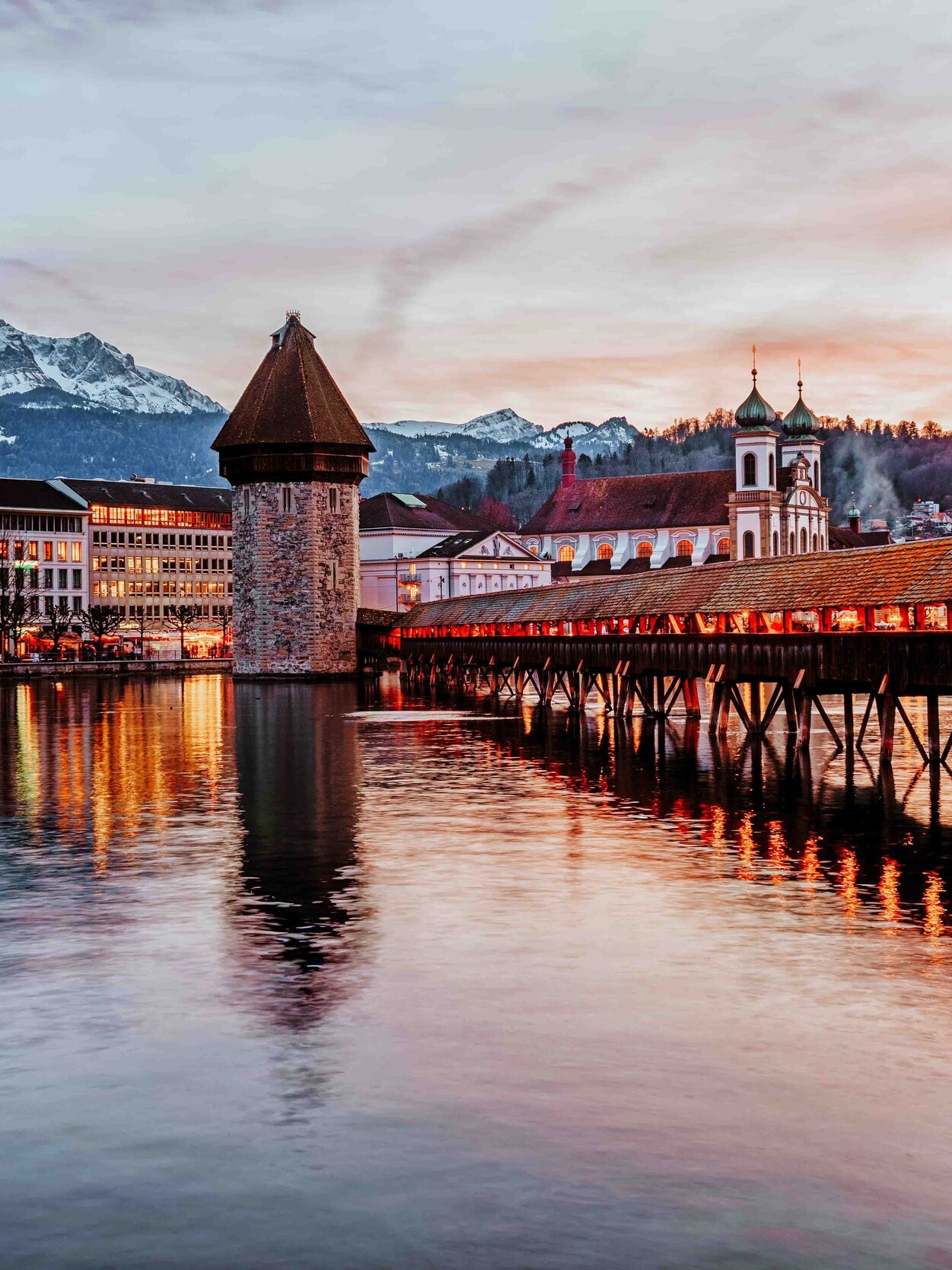


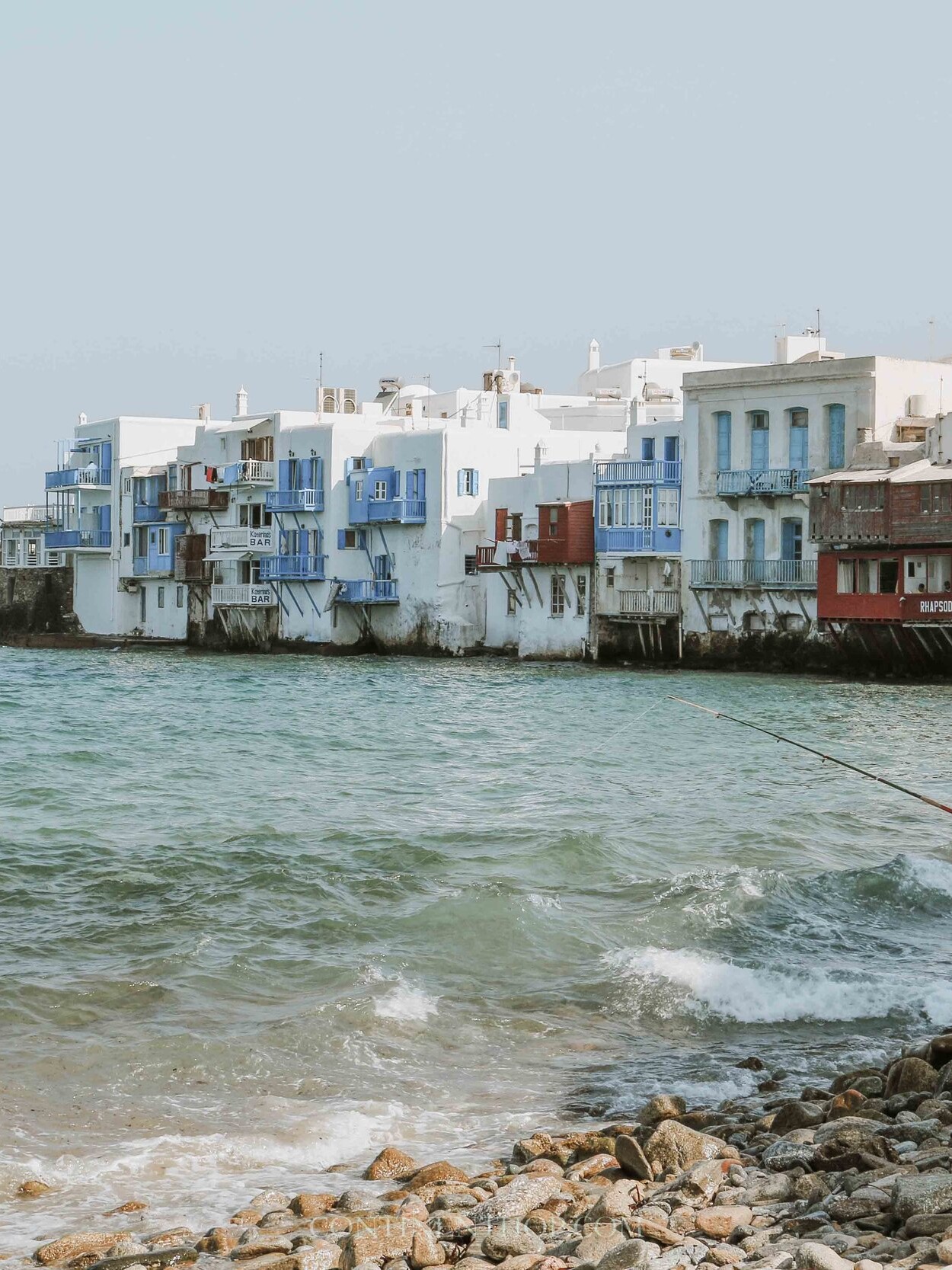
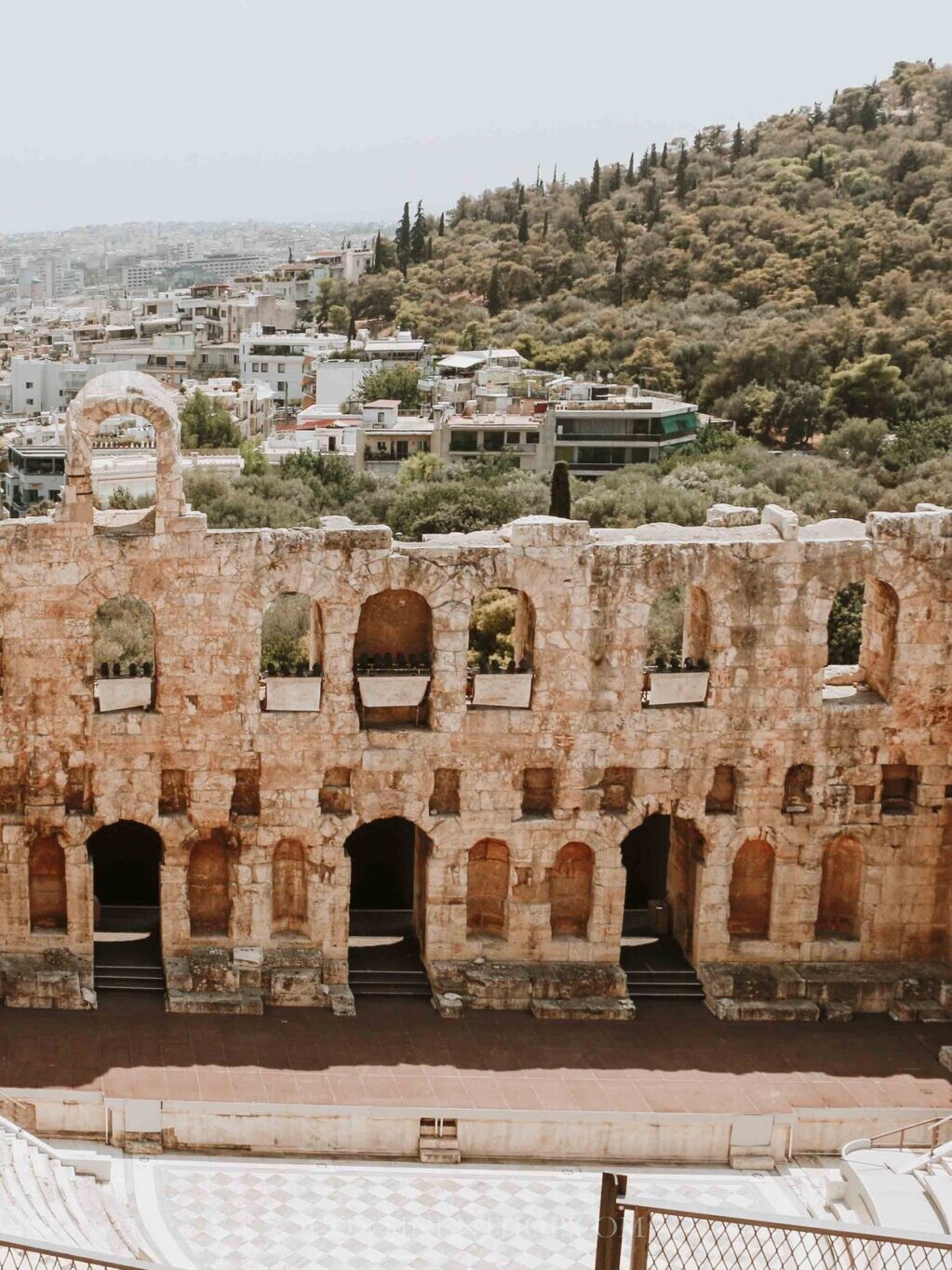


Some of the links on this post are affiliate links. These do not cost you extra to use, but will help provide Continent Hop with a small commission if/when you purchase through them, to recover some of the costs of running this website and providing free content to help you plan your travel. I appreciate your support!

Weekend trips from Barcelona (2026) - Fab Day Trips and Excursions
Barcelona is the perfect and the most popular getaway for most visitors to Spain. While many plan to visit just Barcelona, there’s many great weekend trips from Barcelona that are worth visiting. Here’s 9 of the best trips you can take!
Spain is huge compared to other European destinations, making it quite popular not just for the tapas that change by region but also for landscapes and culture.
Perfect for city breaks, Barcelona is full of life with lots to do. However, the city of art and architecture is close to several major Spanish cities and towns.
And that means you can opt for different weekend trips from Barcelona or even day trips to make the best of your stay.
This is ideal if you’re looking to catch some sun by the beach in Costa Brava or check out the dramatic landscapes of Montserrat; these make for ideal weekend getaways from Barcelona.
If you are interested in off-the-beaten-path experiences, then this Besalú & Medieval Towns Tour would be the perfect choice.
Read on and choose from some of the best weekend trips from Barcelona for your next Spain trip.
Recommendations for weekend trips from Barcelona:
Popular tours from Barcelona
- Montserrat & Ancient Winery Tour with Tapas/Lunch
- Costa Brava Kayak, Snorkel & Cliff Jump & Lunch
- Tarragona & Sitges Full Day Tour with Pickup
Best hotels for weekend trips from Barcelona
- Hotel Món Sant Benet in Montserrat
- Hotel Bulevard in Coasta Brava
- Eurostars Sitges in Stiges

Here’s the best weekend trips from Barcelona
Montserrat
Montserrat is known to be one of the most beautiful places in Catalonia or Catalunya as its known by the locals. Packed with mountains, astonishing natural beauty and spirituality, Montserrat is one of the best weekend trips from Barcelona.
Along with the several hiking spots that Montserrat has, the place is very well-known for its Montserrat Monastery. People from various parts of the world even plan a pilgrimage itinerary to Montserrat.
How to reach Montserrat from Barcelona
Distance: Montserrat is situated only at a distance of 38 km from the centre of Barcelona city.
How to get there: Since it is very close to Barcelona, it’s very easy to reach Montserrat. Following are the options to reach Montserrat from Barcelona.
-
By train: It is quick to reach Montserrat from Barcelona. You can take a train starting from Barcelona Estació d’Espanya station to reach Monistrol de Montserrat station.
You will then need to switch trains and get to Cremallera de Montserrat to reach Montserrat or you could take a taxi as its just 2 kms away. Day trips from Barcelona by train take up to one hour and costs up to 8 euros one way
-
By car: You can even choose to self-drive or share a ride with co-passengers to Montserrat.
It takes about an hour to reach Montserrat (or more, depending on where you’re staying in Barcelona). A day trip to Montserrat by car costs around 30-35 euros.
-
By Bus: This is not a very convenient and popular option to reach Monserrat since you can easily travel by train.
However, if you wish to, there is a bus that runs from Estació Sants bus station to Montserrat at least once a day. The journey takes about 1.5 hours and costs about 7 euros per person.
By booking tours: This option is probably the most convenient one in terms of transportation. On booking a day trip from Barcelona, fab day tours like these covers the travel with pick and drop, visits to important places with an experienced guide throughout your trip. This one also has wine and lunch on offer!
Places to stay in Montserrat
Montserrat is a beautiful city and choosing a nice place to stay would make your weekend trip more exciting. Here are two recommended stay options in Montserrat.
Hotel Mon Sant Benet – This is one of the most rated and lavish stay options in Montserrat. Situated next to the monastery of Sant Benet de Bages itself, the location is amidst natural beauty.
There are many tourist attractions within a radius of 7 km making it convenient for you to make visits and get back. The service and amenities of the hotel are great and make your stay comfortable. Book here
El celler de la Guardia – This rustic and super local stay is located within the Montserrat nature reserve and on the Camino de Santiago Pilgrimage Route.
It is perfect as it also has a restaurant, great also for families as there’s a game room and a lounge and bar. The monastery is about 20 minutes away. Book here
Things to Do in Montserrat
Montserrat is a place very well-known for its natural beauty of mountains and serenity. Here are a few things you must do when on this superb Barcelona weekend break.
Rock-climbing – Montserrat mountain is extremely popular amongst hikers for its options with more than 5000 routes to reach the top. Located at the heart of Catalonia, the routes are scenic and quite memorable.
Visit the monastery – If you are a person fond of pilgrim spots, visiting the monastery of Montserrat would be a perfect choice. The monastery has an elegant statue of the Virgin Mary with a ball in one of her hands. It is believed that, touching the ball, fulfills a long-cherished wish.
Visit the art museum – The Museum of Montserrat is home to several artefacts and archaeological inheritances of the thousand-year-old Abbey of Montserrat. The art museum also has an exhibition that educates visitors on the history of the monastery of Montserrat. The museum displays some amazing artworks of Pablo Picasso and Salvador Dalí.
So if you are an artist or art lover, this place might just be for you!

Costa Brava
Costa Brava is a world-famous tourist destination and is totally worth visiting. Costa Brava is one of the best weekend trips from Barcelona as it is perfect for tourism year-long but early summer is the perfect time to visit!
Not to forget the gorgeous restaurants and bars that serve some popular tapas in Spain, Costa Brava is perfect for every type of traveller. Getting to Costa Brava can be tiresome at times so this tour not only takes you to the best beaches but also has kayaking and snorkelling options with gear.
How to reach Costa Brava from Barcelona
Distance – Costa Brava is about 149 km away from Barcelona and is very convenient to travel due to the connectivity that the cities offer.
How to get there – The two most popular options to travel from Barcelona to Costa Brava are as follows.
-
By Bus: You can take a bus from Estacio del Nord to Lloret de Mar- Fenals which runs every three hours.
It is an hour’s journey and costs about 13 Euros. From Lloret de Mar – Fenals you can switch to local bus transport towards Costa Brava, which is a short journey of fewer than 15 minutes and costs less than 5 Euros.
Overall the bus journey from Barcelona to Costa Brava is the cheapest and a recommended transport option
-
By Train: This is the second-cheapest option for day trips from Barcelona by train. However, it might need a bit more time and could be less convenient.
You can take a train from Passeig De Gracia toward Sils. On reaching Sils, you would need to switch to other means of local transport to reach Costa Brava. The complete journey from Barcelona to Costa Brava needs about 1.5 hours or more and costs about 20 euros.
-
Car Hire – If you choose to travel privately, you can hire a car to self-drive or book a taxi from Barcelona to Costa Brava. The journey takes about 2 hours to cover a distance of 78 km.

Places to Stay in Costa Brava
Costa Brava is one of the most beautiful places in Spain graced with the most gorgeous beaches in the world. Here’s 2 recommended stays to consider while on your weekend trip to Costa Brava.
Hotel Cala del Pi – This is one of the top-rated luxury stay options in Costa Brava. Most rooms offer an elegant Mediterranean sea view that certainly makes for a memorable stay.
Heated pools, saunas, hydromassage options and hotel decor are one-of-a-kind and instantly catch your eye. Apart from that, you can even expect the tastiest Spanish cuisines on your plate for every meal you take here.
This stay option is close to Playa Cala Rovira, one of the major tourist spots in Costa Brava. Do note that it is an adults only property. Book here
Hotel Bulevard – It is one of the most visited and top-rated stays in Costa Brava.
At a mere distance of 50 m from the beach, the place is surrounded by the best restaurants, shops, and bars.
The rooms are air-conditioned and hotel service are promising, comfortable and satisfactory. It is situated at the heart of the town and there are more than 8 tourist spots close by. Book here
Things to Do in Costa Brava
If you have been dreaming of a perfect beach holiday, Costa Brava might look exactly like the best one in your imagination. A city full of clean sandy beaches, stunningly beautiful views, and rocky cliffs, there’s so much to do when in Costa Brava.
Visit the Cap de Creus Natural Park – Situated in the Cap de Creus peninsula, this natural park is known for its coves, cliffs, forests and beautiful bays. If you are a swimmer or a hiker, this place is for you. By visiting the lighthouse you are bound to get a memorable view of the natural setting of the park.
Seafood at the Cadaques beach – Close to Cap de Creus Natural Park is the tiny town of Cadaques. The place is known for its art galleries, seafood, and narrow alleys, which are a must-visit when in Costa Brava.
Kayaking along the coasts – A trip to Costa Brava is incomplete without water sports. Amidst the prettiest-looking water bodies in Spain, spending time kayaking in bays and beaches makes for the perfect activity. You can also stop by to do some floating in the sea in between kayaking if you prefer!
Wine Tasting – Costa Brava is known as a top wine destination in Spain. It is recommended to take vineyard tours, go wine tasting and visit the wine museums on the Emporda route.
Visit hidden beaches – The best part of Costa Brava is, of course, its beaches! There are countless beaches along Costa Brava’s 214 km long coastline. Go beach hunting to find yourself a less-crowded beach to take a walk or just relax and spend a nice day.

Madrid
Madrid is known for its picturesque royal architecture, historical buildings, museums and lively nightlife. Madrid is one of the most chosen excursions from Barcelona. If you are someone who loves city breaks, Madrid is for you even if it seems a little far-fetched for a Barcelona weekend break.
How to reach Madrid from Barcelona
Distance – Madrid is about 625 km away from Barcelona.
How to get there – Madrid is about 506 km away from Barcelona and so, it is recommended to choose the fastest and the most convenient mode of transport amongst the following.
-
By Train – This is one of the fastest options for day trips from barcelona by train.
The train covers the distance between the two cities in less than 3 hours, depending upon which train schedule you choose. There are direct trains running all day from Barcelona to Madrid and cost between 55-120 Euros.
-
By Flight – There are direct flights from Barcelona and take around 1.5 hours to reach Madrid.
The journey costs around 30-100 Euros on one side. However, if you choose to travel by flight to Madrid, there will be a considerable amount of travel involved toward and away from each of the airports.
-
By Rideshare – Reaching Madrid by ridesharing from Barcelona requires at least 7 hours and costs around 40 euros.
-
By Self-drive – Barcelona to Madrid by car is a 6-hour journey and costs around 100 Euros excluding the car hiring fee. This is one of the costliest and time-consuming options to reach Madrid.
-
By Bus: This is the least recommended travel option from Barcelona to Madrid. Travelling by bus requires around 8 hours and costs around 80 Euros.
Places to stay in Madrid
Here are the top picks to stay when in Madrid.
The Westin Palace Madrid – If you are looking for a premium stay in the heart of Madrid, with fab amenities this place might just be for you.
The Westin Palace has top-rated rooms with antique furniture, 24 hour service teams, spa and is located close to the Prado, Thyssen and Reina Sofia Museums. The bar is one of the most famous in Madrid! Preferred by couples. Book here
Ibis Madrid Aeropuerto Barajas – This hotel is situated just 3 km away from Madrid airport and would be easy to reach on arrival.
The rooms are comfortable with air conditioning, clean and has a restaurant with a 24 hour snack bar. Located at a 10 minute walk from the Barajas Metro Station. Book here
Things to Do in Madrid
Madrid is the capital of Spain and is definitely worth a visit. Spending a weekend in Madrid can be quite fun and lively due to various activities on offer. Here’s what to do when visiting Madrid.
Visit the Prado – Being one of the most famous art museums in the world, when in Madrid, this place is a must-visit. You will be amazed by the masterpieces and artefacts created by masters.
Visit the Royal Palace – A holiday in Madrid is incomplete without visiting the Royal Palace. Build-in 1700, it is known to be the largest royal palace in western Europe. Pay a visit to experience the stunning beauty of the royal collection including jewellery, fabrics, watches, silverware, etc. A guided tour is a good option and this one makes sure you have skip the line access and a guide.
Visit the Plaza Mayor – This renaissance square has nine entrance points and was built in the early 1600s. The plaza is huge and also a giant statue of King Philip III that was built 400 years ago.
Shop at El Rastro – If you are a person who loves to shop, this is a must-visit place. You can buy souvenirs to take home or buy some antiques for yourself. The market has a huge collection of unique things and you will fall short of time exploring it.

Sitges
Sitges is a coastal town in the Catalonia region and is known for its vibrant nightlife, beaches and marketplaces. If you are a beach person Sitges is the one excursion from Barcelona that you would want to choose for yourself. This tour is great for a whole day out, hotel pickup and a visit to the best spots. This one takes you on a bike ride through vineyards!
How to reach Sitges from Barcelona
Distance – Sitges is very close to Barcelona and is situated 35 km southwest to Barcelona.
How to get there – Travelling from Barcelona to Sitges isn’t very challenging because it is not very far away. There are 3 options to reach Sitges. You can choose the best one for yourself depending on the availability of time and budget.
-
By Train – This is the fastest and the most cost-effective way for a day trips from Barcelona by train. Barcelona to Sitges by train requires only about 40 minutes and costs around 9-12 Euros. You will need to transfer train once at Vilanova i la Geltrú and then head toward Sitges. The trains run all day and hence is the most convenient option to travel.
-
By Bus: The advantage of travelling by bus is that there is no transfer involved and there is a direct bus from Barcelona to Sitges. The travel time is of an hour and costs 15-18 Euros. Several bus schedules are available throughout the day, making it very convenient for you.
-
By Self-drive or Rideshare – Barcelona to Sitges by car is approximately a 40 minutes journey. It costs around 70-80 Euros by rideshare and about 10-15 Euros by self-drive.
Places to stay in Sitges
Sitges is a tiny old town with amazing old-fashioned architecture It is a perfect weekend trip destination from Barcelona. Here are a few stay options in Sitges.
Dolce by Wyndham – This is one of the most beautiful stay locations in Sitges. A property amidst sea views equipped with luxury of every kind at your service. Situated very close to most tourist attractions in Sitges, this is a perfect stay pick and has 3 restaurants, 3 bars and a very popular spa. Perfect even for a Barcelona stay as it is 25 minutes from Barcelona town. Book here
Hotel El Cid – This is a top-rated budget stay option with numerous amenities including a swimming pool however is just 250 yards from the beach. It is a charming location and the rooms offer a comfortable experience. Book here
Things to Do in Sitges
Sitges is a quick escape beach place and offers unmatched enthusiasm. Here are the top things to do in Sitges.
Walk and sunbathe along the beach – Most tourists visit Sitges for its nude beaches. If that’s not for you. walking along the beachfront of Sitges is fun and relaxing as the beaches are clean and perfect especially if you have family with you.
Photoshoot at the Marina – Marina is a beach club that situated up on a hill. It is best known for being a perfect photo shoot location and you would certainly not want to miss it!
Party during the night – Sitges is known for its nightlife and if you like partying, you should visit the numerous bars and pubs here.

Cala Fonda
Also known by the name Waikiki, Cala Fonda is located in Marquesa Woods and is amongst the top ten most beautiful beaches in Spain. The sea views are peaceful, making it one of the best weekend trips from Barcelona.
If you are someone seeking a quiet yet amazing weekend holiday destination, Cala Fonda is for you!
How to reach Cala Fonda from Barcelona
Distance – Cala Fonda is about 90 km away from Barcelona.
How to get there – There are three options to reach Cala Fonda from Barcelona.
-
By Train – You can take a train from Barcelona-Sants toward Alicante and then switch trains and head toward Cala Fonda. The total journey requires around 6 hours and costs around 50 Euros.
-
By Bus – Starting from Barcelona, you can take a bus to head toward Benidorm and then switch to head toward Av. Mariners de la Vila 21. Barcelona to Cala Fonda is approximately an 8-hour journey and costs around 60 Euros.
-
By Car: This is one of the most convenient options to reach Cala Fonda. It requires around 5 hours and costs around 90 Euros.
Places to stay in Cala Fonda
Cala Fonda is an exotic weekend holiday destination. Here are a few stay options
Sofia suites – About a 11 to 15 minute walk from most beaches like Playa de la Llosa, Sofia suites are chic with the decor clean and breezy. Located in close proximity to most activities like hiking, cycling and fishing, it is liked by most couples and is budget friendly. Book here
AldeaMia, Rural Bed & Breakfast – One of the best locations to stay in Cala Fonda, the hotel is 8 mins away from the beach with mountain views. It also has a pool and most rooms also have a terrace. Service is also great here! Book here
Things to Do in Cala Fonda
Cala Fonda is known for its peaceful setting away from the crowded cities in Spain. Reaching any of the following places might need a little walk but doing so is totally worth it.
Walk through the forest – To reach any beach area in Cala Fonda, you would need to take a walk through a forest area. The walks are fun and not too tiring, you get to relax on the beach once done!
Sunbathe and Relax at Llarga Beach – An early morning walk on Llarga beach could be the best start to your day. Since it is a secluded beach, not many people are seen around. Hence, you won’t find the usual beach activities. However, that brings an opportunity to disconnect from the rest of the world.
Ibiza
Ibiza is an Balearic island and one of the best weekend trips from Barcelona, for its lively nightlife, electronic dance music clubs, yoga retreats, quieter towns, and much more!
How to reach Ibiza from Barcelona
Distance – Ibiza is about 580 km away from Barcelona.
How to get there – The three cost-effective ways to travel from Barcelona to Ibiza are as follows.
-
By Train: You can take a train from Barcelona toward Puerta de Atocha. It takes around 3 hours and costs about 120 Euros on one side. Involves a ferry crossing at the end
-
Self-drive: Barcelona to Ibiza by car requires around 6 hours and costs around 100 Euros.
-
By Flight: There is a direct flight from Barcelona to Ibiza. The journey takes about an hour and costs less than 110 Euros if booked in advance. This is the most recommended option to travel from Barcelona to Ibiza.
Places to stay in Ibiza
Ibiza is an island place that offers a one-of-a-kind experience. Here are the best places to stay in Ibiza to make your stay a great one.
ME Ibiza – Packed with amenities for peace and rejuvenation, this place offers comfort to its visitors that would make their stay truly unique. Rooms offer an ocean view with amazing decor and service is prompt. It is located in proximity of the best tourist attractions and restaurants in Ibiza. There’s restaurants that offer organic meals, a great Thai spa and pools. Book here
Hotel Vibra Vila – Though situated in a quiet setting, this place is very close to the centre of Ibiza town and has a small rooftop pool and terrace. It also offers free sunbeds and great views of the sea and is 10 minutes walk from the port. A perfect place to stay in Ibiza. Book here
Things to Do in Ibiza
Though beaches are the primary attraction of the island, there are still a number of other things to be done when in Ibiza. If you’d like to get more done then this beach hopping tour is perfect and also has snacks! This one is a cruise to Cala Salada with snorkelling gear!
Visit Dalt Vila – A historical masterpiece Ibiza town is well-known for. Dalt Villa has gorgeous white buildings and many cactus varieties adorning the streets. You can also get a panoramic view of the city and of course the beach from the top of Dalt Villa.
Visit beaches to the northwest – You might want to find a car to reach this side of Ibiza. It has a string of clear water beaches that are quite pretty. You can visit Playa Cala Xarraca, Playa de La Cueva De Portinatx, and Cala D’En Serra beaches.
Cafe del Mar – A perfect place to enjoy some great drinks over beautiful sunsets.
Seafood at Fish Shack – A tiny restaurant without a menu card, when you visit the Fish Shack you will be told a list of fishes that have been caught on that particular day, to choose from. Super fresh and tasty!

Tibidabo
Mount Tibidabo has forever been one of the most famous excursions from Barcelona. If you are a beach, food, nature lover and photographer,
Mount Tibidabo is undoubtedly for you! While tours specific to Tibidabo are quick, this one takes you to Tibidabo and Montserrat, great for getting the most out of your holiday.
How to reach Mount Tibidabo
Distance – Tibidabo is about 15 km away from Barcelona.
How to get there – There are about 3 ways to reach Mount Tibidabo.
By Train – Perfect for a day trips from Barcelona by train. You can take a train from Catalunya toward Peu del Funicular which is a 15-minute journey and costs around 6-7 Euros.
By Bus – You can take a direct bus from Barcelona to Tibidabo. It is a 50-minute journey and costs around 5 Euros.
By Taxi – It takes around 25 minutes and costs around 35 Euros. This mode of travel from Barcelona to Mount Tibidabo is the most convenient, second cheapest and fastest.
Places to stay in Tibidabo
Gran Hotel La Florida G.L Monumento – Offers spectacular views of of Barcelona city and the Mediterranean sea. It has a spa run by L’Occitane and the products are available in every room as well. The restaurant serves Catalan, Spanish and Mediterranean cuisine and has 2 bars too. It is a specialty hotel as it has preserved it’s architecture from 1925. Book here
Catalonia Castellnou – Just 3 km away from mount Tibidabo, it is a good place to stay if you are on a weekend trip from Barcelona. It is budget friendly and has access to all the major restaurants and facilities making it one of the best spots to pick for easy access to facilities. Book here
Things to Do when visiting Mount Tibidabo
Mount Tibidabo is one of the major tourist attractions in Spain. It is filled with endless activities. Here’s a few.
View Barcelona – You wouldn’t want to miss aerial views of Barcelona city. The topmost point is picture-perfect.
Amusement Rides – The place is home to one of the world’s oldest functioning amusement parks. It is fun to try the exciting rides one after another spread across 6 zones in the park.
Templo Expiatorio del Sagrado Corazon – This is known to be the place where Jesus was tempted by the Devil. Enric Sagnier designed the present-day Church i-Villavecchia between the years 1902 to 1961. The interiors and the facade of the church are worth keeping an eye out for!
Tours of Tibidabo – You can explore the vicinity of mount Tibidabo by taking short walking tours available locally.
Besalu
Besalu is one of the many historic villages in Spain. It is a small town located near Girona, Spain. It is a great day trip from Barcelona, that you should not miss. Again, since it is in Costa Brava it is cheaper to go on a tour to get more out of your day. This one is an amazing medieval village tour that includes Beaslu and a few other villages. Includes hotel pickup.
This one takes you to the volcanic area and includes a lake cruise.
How to reach Besalu from Barcelona
Distance – Besalu is about 132 km away from Barcelona.
How to get there – You can reach Besalu from Barcelona the following ways.
-
By Bus – There is a direct bus from Barcelona to Besalu, running four times a day. Barcelona to Besalu by bus is approximately a 2-hour journey and costs around 20 Euros.
-
Self-drive – By hiring a private car, it is convenient to reach Besalu in 1.5 hours. The journey costs around 25 Euros.
Places to stay in Besalu
Besalu is a beautiful little town, one of a few in Girona. Here are the best places to stay in Besalu.
Els Jardins De La Martana – Located in the centre of Besalu, the property has beautiful rooms most of which have a mountain view. Located next to the Romanesque bridge, it has a rustic setting complete with a fireplace and terraces. It is a good choice for athletes as it offers massages and has bicycle and sport equipment hire. Book here
Mas Pere Pau – A unique property 2 miles from the centre, it is another rustic property with garden and mountain views, a game room and a restaurant that serves Catalan cuisine. Some rooms have a kitchenette too. Romantic and preferred by couples but great for families too because of the space! Book here
Things to Do in Besalu
The town is full of cultural and historic places. Here are the top things to do in Besalu.
Hike to Sagrat Cor Chapel – You can take the very popular scenic hike towards the Sacred Heart chapel that gives a brilliant aerial view of Besalu town. The path is full of foliage and flowers!
Visit the Sant Pere Monastery – Built between the 10th and 14 centuries, the monastery is well-known for its Roman art and is considered one of the best examples of Romanesque architecture in Catalunya.

Andorra
On the borders of France and Spain, Andorra is a perfect weekend trip destination from Barcelona. If you are a mountain person, Andorra is for you. And if you didn’t know, Andorra is one of the few countries located within a country so visiting 3 countries on a single visit is a fab idea if you like getting a taste of more countries in a single visit.
Start with A village in Spain, lunch in France and shopping in Andorra to end the day!
How to reach Andorra from Barcelona
Distance – Andorra is 138 km from Barcelona
How to get there – There are three options to reach Andorra from Barcelona as follows.
-
By Bus – There is a direct bus from Barcelona Sants to Andorra la Vella. It is a 3-hour journey and costs around 40 Euros.
-
By Car: This is a very easy option to travel towards Andorra and also the most convenient one. It takes around 2.5 hours and costs around 35 Euros excluding the car hire charges.
-
By Rideshare – The rideshare option takes approximately the same time as that of a car but the cost is about 15 Euros.
Places to stay in Andorra
Andorra is a heavenly destination and choosing the best place to stay makes your holiday more memorable.
Hotel MU & SPA – Located outside the village of Ordino, the property has terraces for a stunning view of the mountains and has a spa which is perfect after a tiring but fun day on the slopes. There’s buffet breakfast and the decor is chic, there’s also ski storage for all your gear! Book here
Hotel Les Neus – The hotel is 200 yards from the popular Granvalira ski slopes and has storage for your gear. The rooms are perfect especially in winter as they are heated. There’s buffet breakfasts and dinners after you’ve worked an appetite after a day on the slopes! Book here
Things to Do in Andorra
Here’s a few things to do when in Andorra, even though the country isn’t huge. Although many prefer Andorra for its activities, if you are on a holiday to relax, Andorra can still be perfect to spend a less-adventurous weekend. You can relax and appreciate the natural beauty around you!
Visit the town of Les Escaldes – The place has hot springs and is naturally beautiful. Small yet pretty, is it worth taking a stroll through the town
Enjoy winter Sports – Andorra is preferred by many locals from Spain for its skiing and snowboarding facilities. It also offers the opportunity to hire a helicopter in case you are keen on a private flight. You can stay at one of the resorts and spend a few days here for a complete experience.
Go hiking – There is a huge opportunity for mountain hiking in Andorra. Along with it, you can also enjoy some water sports at the water parks in the vicinity.
Tarragona
The coastal city of Tarragona is home to several ancient ruins, making it a perfect destination for history enthusiasts.
Whether you visit the medieval Old Town or the 2nd-century arena, the well-preserved sites will transport you back in time.
You can take this Tarragona full-day trip with pickup from Barcelona if you don’t want the hassle of arranging transport. It also includes Stiges.
If you are reaching Tarragona on your own, then this Roman Heritage Guided Walking Tour in Tarragona is perfect for you.
How to reach Tarragona from Barcelona
Distance – The distance between Barcelona and Tarragona is around 95 km, and it is one of the easiest weekend trips from Barcelona due to connectivity.
How to get there: Depending on your time and budget, you can choose from multiple ways to get from Barcelona to Tarragona.
By train: More than 40 trains run between Barcelona and Tarragona daily. The fastest train takes just half an hour to reach Tarragona, whereas the cheapest train costs 8-9 euros and takes one and a half hours to reach Tarragona from Barcelona.
By bus: There are several direct buses between Barcelona and Tarragona. You can catch a Barcelona-Tarragona bus from estació d’autobusos nord that needs one and a half hours to cover the distance.
By taxi: You can take a taxi to Tarragona during your weekend trip from Barcelona. It may cost you around 130 to 180 euros where taxes and tolls are included in the price. It will take a little more than an hour to reach Tarragona by road.
Places to stay in Tarragona
H10 Imperial Tarraco 4 Sup – located less than a kilometre from famous Playa del Miracle, this Tarragona hotel is known for clean and comfortable amenities. Along with free wifi and swimming pools, it also has an on-site restaurant serving Mediterranean and European cuisine.
Hotel Lauria – situated along the popular Rambla Nova street and a stone’s throw away from the Balcón del Mediterráneo Viewpoint, this is one of the best hotels in Tarragona. As it is near Tarragona Train Station and Roman amphitheatre, that makes it an ideal place to stay during your weekend trip from Barcelona.
Things to do in Tarragona
Visit the Roman Amphitheatre – The Roman Amphitheatre in Tarragona is an absolute must as these centuries-old ruins tell the tales of gladiatorial fights.
Go to the Roman Circus and the Praetorium Tower – The Roman Circus dates back to the 1st century and is one of the best-preserved structures of its kind. The Praetorium tower is also one of the well-preserved structures, making it an important part of your weekend trip From Barcelona itinerary.
Visit the Devil’s Bridge Aqueduct – Known as the Devil’s Bridge or Ferreres Aqueduct, this ancient structure is located a little away from the city and is part of UNESCO’s World Heritage Sites.
Explore the Medieval Quarter – Take a walk around the Tarragona Medieval Quarter, also known as Parte Alta, and you will get to see the city’s monumental heritage. Be it the ancient city walls or the manor houses, this area is perfect for history lovers. The popular Cathedral & cloisters are also located around here.

There’s so much to do in Barcelona, it is perfect for city breaks. But Spain is huge and while places like Granada and Malaga are a flight away the places mentioned above are not and are perfect to catch some sunshine by the beach!
I’m quite fond of Costa Brava and Ibiza because they have some of the best beaches!
Now that you know how to make the most of your Barcelona journey, which weekend getaways from Barcelona are you planning to take?
Weekend trips from Barcelona FAQs
-
Is Barcelona worth visiting?
Absolutely! Barcelona is one of the best European weekend trip destinations. Packed with ancient history, amazing culture, incredible architecture, pretty market places and of course relishing cuisines, Barcelona makes a perfect destination for a short weekend trip.
-
Are two days enough to explore Barcelona?
Yes, only if you wish to explore the major attractions of the city. However, Barcelona has a number of other hidden places, beaches and monuments that can be a bit challenging to visit during the weekends alone.
-
Do you need a visa for Barcelona?
A Schengen Visa is required for tourists from countries like India to visit any part of Spain including Barcelona. You can spend up to 90 days in Spain and other Schengen countries.
-
Is Barcelona expensive?
Barcelona is fairly expensive compared to most other cities in Spain. However, it is a lot cheaper than other popular cities like London and Paris. In Barcelona, if you are tight on your budget, you can choose to have cheaper options and keeps your costs low.
-
Is Barcelona a beach holiday place?
Yes. Barcelona is a perfect weekend trip destination for beach lovers. The city is blessed with a 360-mile coastline and many gorgeous, calm as well as adventurous beaches.
-
Are the beaches in Barcelona safe for swimming?
Yes, beaches in Barcelona are free from dangerous and huge waves. However, you must choose to swim only in the presence and availability of lifeguards. Usually, lifeguards are available during the summer season when tourism is at its peak.
PIN FOR LATER!


EXPLORE MORE OF SPAIN
Nothing found.
Some of the links on this post are affiliate links. These do not cost you extra to use, but will help provide Continent Hop with a small commission if/when you purchase through them, to recover some of the costs of running this website and providing free content to help you plan your travel. I appreciate your support!

Cyprus in September (2026) - Here’s all Info and Fun Things to do
Cyprus in September is perfect! Why you ask? Because the school holidays are over in the UK, children are back to school and prices have dropped! However, the Cyprus weather in September is still pleasant and the sea is still warm! Here’s all the info you need!
As I was taking a stroll on the promenade, I realised Cyprus in September was such an undiscovered location for many people chasing the summer sun.
It was one of the best places to add to a European itinerary and September was one of the best months to visit.
Families mainly from the UK had gone home as schools had reopened and crowds were sparse. Beaches were sandy, sunsets were some of the best and the traditional food in Cyprus was delish.
People were warm and so was the sea. Many resorts were lined up by the sea and prices were budget-friendly.
Cyprus was perfect for those interested in history, archaeology and surprisingly wine. It was one of the best for honeymoons as well!
If you’re confused about which places to visit and the things to do in Cyprus in September, this is your guide to help you through!

Cyprus in September – Stays, weather, activities & travel tips
Basic Info
WHEN | September
WEATHER | Sunny and hot during the day however not as scorching as the summer months. Temperatures range from 20-28 degree Celsius with a pleasant refreshing sea breeze in the coastal areas.
TOURIST CROWD | quite sparse. However, some areas like Paphos may be moderately busy
Accommodation
PAPHOS | If you’re travelling with kids or are just a child at heart, you’ll love the Leonardo Laura Beach & Splash Resort. If you’re looking for something more lux, you can rent out Villa Alexandros Palace.
NICOSIA | The Hypnos by Bed ‘n Mix is located in the city centre and offers an inclusive breakfast buffet. The Aelia Wellness Retreat offers natural surroundings, a spa, fine dining, AC and an array of rejuvenating activities from yoga to cycling to cooking classes.
LARNACA | While staying in Larnaca, you’ll want some beachfront views. Les Palmiers Beach Boutique Hotel is in the city centre and is quite well known for its great food.
Cyprus weather in September
Cyprus in September has its own unbeatable charm. One of the best months to visit Cyprus is September owing to its excellent weather apart from other amenities.
The Cyprus weather in September is sunny and hot during the day. The evenings, however, become comparatively cooler but are still warm enough to enjoy outside activities without feeling chilly.
Although September is still one of the hottest months in Cyprus, the weather won’t discourage you to explore the area and to attempt a few things to do.
Owing to the amazing beaches surrounding Cyprus, the sea breeze makes the evenings the perfect time to take a walk on the beach or if you love exploring the local nightlife when travelling, the evenings are perfect to do so.
The weather, although hot and sunny, is slowly moving towards the kind of weather that you would expect in the cooler months. If you’re visiting only for swimming in the sea, the weather is just right to do so; in the pool as well!
Best time to visit Cyprus
The best months to have a holiday in Cyprus are undoubtedly September and October, closely followed by May and June. August is one of the hottest and best avoided if possible.
The weather in these months is warm but not uncomfortably hot and you can opt for these months to head off on a beach holiday to Cyprus.
Whether it is a swim or just to soak in the sun, a holiday in Cyprus in September is worth it.
The crowds are much thinner than the usual tourist months, which may seem less attractive to some but it is actually a blessing in disguise since it allows you your own space and time to take in all the wonderful festivals and activities going on around you.
Along with many other tourist activities that you can plan to visit, the Limassol Wine Festival in September is hard to miss, especially if you love wine!


Average temperatures, rainfall, and humidity in Cyprus in September
Cyprus’s temperature in September is the best that you can expect and want for a pleasant holiday.
The average temperature in Cyprus in September during the day is around 27-28 degrees Celsius. The maximum temperature ranges from 24 degrees Celsius in the mountains to 34 degrees Celsius in the inland of Cyprus.
The West has a maximum temperature of 29 degrees Celsius and the South East has that of 31 degrees Celsius. However, the minimum temperature falls to about 20 degrees Celsius.
Don’t forget to pack your swimming costume because this weather in Cyprus in September will keep pulling you back into the pool for a lovely swim.
The sun shines for a long duration of 11 hours in September in Cyprus, allowing you to explore without the worry of falling short of time each day. The sun sets at around 7:30 in the evening, after which the land becomes considerably cooler due to the sea breeze.
The cloud cover is gradually increasing during this month and if you’re lucky you can even experience mild rainfall of about 3mm in September.
The humidity drops during September in Cyprus from 75% to about 40% with autumn slowly approaching by the end of September.
Things to do in Cyprus in September
Stavrovouni Monastery
Stavrovouni Monastery is a Greek Orthodox monastery located between Limassol and Larnaca in Cyprus on a hill called Stavrovouni. Founded by Saint Helena in around 327–329 AD, this is a go-to in practically any month if you like history and archaeology.
However, if you visit in September the sunsets here are not to be missed. The best part about the monastery is that even though it can be quite strenuous to explore the whole place, you do not have to do any hiking.
Due to its location, one is guaranteed excellent views of the countryside from the monastery.
DETAILS
Address: Near Pyrga, Larnaca district. The location can be found here
Timings: from September to March are: 7 am to 11 am and 2 pm to 5 pm, April to August: 7 am to 12 noon and 3 pm to 7 pm
Price: Entry is free for everyone all year round
More details can be found here
Mezze at Kolios Winery
Kolios Winery is a local winery in Cyprus about a kilometre from Statos Agios Fotios village.
Apart from the local charm, it is also the highest-located monastery on the island.
You can view the entire valley from here. The Mezze wine is un-missable. Apart from the delicious food which is grown and prepared by the owner’s wife, they also give you free wine tasting of some of their finest. Organic vineyards can be found just outside the winery.
DETAILS
Address: Statos – Ayios Fotios, Paphos 2651, Cyprus
Timings: Open in summer from Monday to Saturday 8:30 am to 4 pm, and in winter from 9 am to 3 pm. On Sundays, the winery only allows private parties of 50-plus people
Price: Entry is free for everyone all year round
Sunset picnics with champagne
One of the best things to do in Cyprus in September is to make good use of the scarce crowds and make good use of the space by indulging in a picnic, especially on the many beaches. (More info on beaches below)
The sea caves of Paphos are an excellent point to have your picnic in Cyprus.
Though the best spot is definitely the Akamas peninsula in Cyprus. The beaches and rocks in the peninsula are surprisingly easy and comfortable to sit on.
To top it off, the supermarkets around have readymade sandwiches. You don’t need to stress about getting a picnic ready, visit a supermarket and you should have everything you need to have a perfect evening here.


Swim at Blue Lagoon
To the north of the Akamas peninsula is the Blue Lagoon (not to be confused with the Blue Lagoon of Malta) a remote cove, to have your perfect September swim. The largest bay in the Akamas region it is also sometimes known as the Isle of Chamili.
It is one of the Paphos excursions you can take from Paphos as it is located in the district.
The reef located here is crystal clear and perfect not just for swimming but also for snorkelling and diving.
The best way to reach the lagoon is by renting a boat from Latchi. They have a number of cruise options, some of which also include a barbeque lunch. The more simple ones cost 18 Euros and include a drink and fruit to keep you company. You could also get to Latchi and continue to the village of Neo Chorio towards Peyeia and turn right from Fontana Amoroza.
Another way to get to the lagoon is via the coastal road that passes through the Baths of Aphrodite.
Quad biking
If you prefer outdoor activities, Quad biking is for you.
You can hire bikes of different models, depending on what suits your requirement and budget. You can ride these bikes not only on the designated tracks but also on the road. It is permitted and safe to do so as long as the roads are wide enough.
The most expensive bike cost about 100 Euros, which when shared doesn’t turn out to be too expensive for a day. Most bikes have storage at the back and can go up to 80 km/h.
Pro tip : Wearing loose clothing may be an issue as they may get stuck in the wheel. It is best to avoid white clothes as well to avoid stains and dust.
Visit the villages of Troodos
The Troodos mountain range is the highest in Cyprus with Mount Olympus being its highest peak. The Troodos villages in the mountains are your go-to to escape from the September day heat. These are a part of the wine-tasting routes, so that’s more reason to visit.
The three main villages there that are unmissable are Kakopetria, Omodos and Kalopanyiotis.
Kakopetria is a popular summer escape with an old centre surrounded by nature. Omodos is famous for its monastery and wines. However, it might be crowded at times in the month of September but worth taking a chance.
Kalopanyiotis is lesser known than the first two but just as pretty. It is located deeper into the mountains and it takes longer to get here.
There are numerous other villages as well, each with something unique to offer and all of them can be found here. UNESCO Heritage activities can also be found in the mountains.
Night out in Ayia Napa
The nightlife in Ayia Napa is legendary and one of the best-kept secrets in Europe. With more than 80 bars offering a wide variety of options, there’s something on offer no matter how you prefer to spend the evenings.
Bars and clubs play a wide range of music and parties are held at almost all restaurants and bars, some even hold foam parties and paint parties. Beach parties at Nisri Beach at Protaras in Fig Tree Bay are quite famous.
Ayia Napa is busiest from mid-June until mid-August with many world-famous DJs performing here during this period however many tend to perform in September too.
If you’re planning to visit the Ayia Napa strip, it is best to take a look at some of the events being held and book in advance if you’re particular about visiting certain performances.

Waterfalls
There’s no dearth of waterfalls in Cyprus. Many offer opportunities for hiking as well with stunning views.
The Caledonia (Kalidonia) Falls, one of the highest waterfalls in Cyprus are located in the village of Platres. They are easy to find and can be reached via an easy walking path that’s about 3 km long that lasts about 2 hours.
The Adonis Baths Falls, are located about 2 km from Kili village in the district of Paphos. Formed due to the water from the surrounding ravines, the water from the falls collects into a small lake that is said to have miraculous properties.
Taking a swim in these waters is said to restore a woman’s youth and a man’s strength.
In addition to this, there are other waterfalls too like Chantara and Millomeris that are worth a visit.
DETAILS
Adonis Baths waterfalls
Address: Location can be found here
Timings: September & October 9 AM – 6.30 PM, 9 AM – 8 PM in summer and 9 AM to 5 PM in winter
Price: €10 per person for use of the whole area
Go cruising on the sea
The dry sunny weather of Cyprus in September is just right to head off on a cruise, either for the whole day or for a relaxing evening.
Many companies especially around Paphos conduct cruises. The regular cruise includes options – a half-day cruise, a full-day cruise, a pirate cruise and a water sports cruise. Many also offer the opportunity to dive and snorkel too.
The pirate cruise option is one of its kind and includes a pirate show, belly dancing, and activities like walking the plank.

Beaches to visit in Cyprus in September
Nissi Beach
One of the prettiest beaches in Cyprus, named after the small island next to it, the shallow waters allow tourists to walk up to the islet easily, thus making it one of the busiest beaches in Cyprus.
Located in Ayia Napa, the coast is filled with restaurants and bars offering local food and wine to tourists. It is definitely not a beach to have a quiet time but the shallow waters and foam and snow parties held here make it quite popular with youngsters.
Make sure to get to the beach early if you’re looking to grab a sun bed as they tend to go off quite quickly!
Lara Beach
Close to the main town of Paphos and located about 20 minutes from Cap St George, this beach is quite popular with people who ride quad bikes as the road to the beach is bumpy. Known for the conservation of turtles that are conducted here, chairs and other furniture are not allowed on the beach.
Some parts are even restricted so that the turtles can nest there. Hiking or biking through the dirt track is the best way to visit the beach.
Considering no furniture, there are no cafes or restaurants of any kind on the shore.
Golden Beach
Golden Beach is the easternmost beach in Cyprus and you won’t find any umbrellas, sunbeds or bars here. There are a few cafes at the cliff but other than that no other facilities are available. It is also part of a national park since the loggerhead turtles hatch their eggs on these grounds.
Aphrodite’s Beach
Aphrodite’s beach is quite small and stony however what makes it popular is its proximity to Aphrodite’s rock which is an easy walk from the beach.
Apparently, Aphrodite – The goddess of love appeared from the sea here, which is why many make put it at the top of their things to do in Cyprus list but it is the views and sunsets here that are breathtaking.
You can also climb onto Aphrodite’s rock if you wish, the views get better, but the climb can be tricky.
Many cross the busy road and jump over the barriers to get to the beach but there is an underground path that runs under the road that leads directly to the beach.

Festivals to visit in Cyprus in September
One of the best parts about visiting Cyprus in September is the numerous festivals on offer. Try to attend at least one of them as these are planned specifically for tourists in the month of September and don’t tend to get too busy due to the sparse crowds.
Limassol wine festival
Held from the end of August till the start of September for about 2 weeks, the wine festival not only has Cyprus’ finest wines on offer but many events lined up celebrating music and dancing. Grape stomping is also on offer at times. Since the festival is quite popular it is best to book accommodation in the vicinity in advance.
The festival takes place at the Municipal Gardens of Limassol and tickets can be purchased at the entrance. Worth including in your Cyprus itinerary.
Paphos Aphrodite Festival/Pafos Aphrodite festival
The Paphos Aphrodite festival is held usually for 3 – 4 days anytime from the end of August to the first week of September. Each year a unique performance is held at the Paphos Castle in Kato Paphos to celebrate the culture of the region.
More details and the current dates can be found here.
Paradise Jazz Festival
Held late in September, the Paradise Jazz Festival has been showcasing some of the best Jazz music in the Paphos region. Musicians from most parts of Europe perform at the festival and is one of the most popular events to attend in Cyprus in September especially if you are spending time near Paphos.
The latest dates and news can be found here.
Visiting Cyprus in September is one of the best times to visit and experience this Mediterranean destination that not only has some of the best beaches in Europe but also the best sunsets I’ve ever experienced.
If you’re keen to travel more, destinations like Israel and Lebanon are a short flight away and worth a visit too!
Frequently asked questions about Cyprus in September
Is Cyprus hot in September?
The weather in Cyprus in September is warm and sunny like summer. The temperature during the day is 27-28 degrees Celsius and drops a few degrees at night.
What’s the weather like in Cyprus in September?
Days are usually hot with evenings starting to get cooler. Light and cool clothing are recommended
What is the hottest part of Cyprus in September?
The average maximum temperature in September is 29°C on the west coast, 31°C on the eastern-south coast, 34°C inland, and 24°C in the mountains.
PIN FOR LATER!


EXPLORE MORE OF CYPRUS
Nothing found.
Some of the links on this post are affiliate links. These do not cost you extra to use, but will help provide Continent Hop with a small commission if/when you purchase through them, to recover some of the costs of running this website and providing free content to help you plan your travel. I appreciate your support!

15+ Spring Office Outfits You Will Actually Want to Wear
Spring work outfits are all about lighter layers, clean silhouettes, and pieces that feel comfortable while still looking polished. With the right mix of structure and softness, cute spring work outfits can easily double as professional spring work outfits you’ll enjoy wearing on repeat.
Finding spring work outfits that feel polished yet comfortable can be surprisingly tricky as the weather shifts and schedules stay full. Lighter layers, softer colors, and practical shoes all need to work together. A good style should support long days without feeling boring or overdone.
This list of 15+ looks focuses on balance, mixing timeless basics with fresh seasonal details. Each option is easy to style and realistic for cute spring outfits. The goal is helping you feel confident, put together, and comfortable the moment you leave the house each day.
You will see professional spring work outfits that are elegant but still suited for meetings and busy calendars. These ideas are meant to simplify mornings and refresh your closet with pieces you can wear again and again all season long comfortably.
Classy Spring Office Outfits
1. Cropped Cream Blazer + Beige Tank + Tailored Shorts
By pairing a cropped cream blazer with tailored shorts, the silhouette stays sharp without feeling heavy. A beige tank softens the layers and keeps the palette cohesive. To maintain a professional finish, opt for mid-thigh shorts and pointed-toe flats or low block heels. Proof that cute spring work outfits can still feel polished, this look blends structure with ease.
2. Fluffy White Sweater + High-Waisted Black Skirt + Strappy Heels
A fluffy white sweater balances the clean lines of a high-waisted black skirt, creating an effortlessly flattering shape. Instead of fully tucking, try a gentle front tuck to define the waist without adding bulk. Strappy heels elevate the look and visually lengthen the leg. The soft texture and contrasting structure makes this look elegant for professional spring work outfits.
3. Oversized Chocolate Blazer + Straight Leg Jeans + Black Tote Bag
Nothing sharpens denim faster than an oversized blazer in a rich chocolate tone. Straight leg jeans keep the outfit grounded while still feeling relaxed enough for everyday wear. To avoid looking overwhelmed, cuff the sleeves and keep the blazer slightly boxy. A black tote adds structure and makes room for daily essentials.


4. Linen Vest + Matching Wide-Leg Trousers + Black Sneakers
Matching sets always make dressing easier, especially when cut in breathable linen. A tailored vest paired with wide-leg trousers creates a streamlined look that feels modern and office-appropriate. Black sneakers introduce comfort while keeping the outfit balanced and intentional. To maintain clean lines, skip bulky layers underneath.
5. Navy Button-Down Knit Top + Medium Wash Jeans + Cap-Toe Flats
Structure comes naturally with a button-down knit top that feels comfortable yet polished. Navy anchors the outfit and pairs seamlessly with medium wash jeans that read neat, not casual. Rather than pooling at the ankle, jeans should hit right at the shoe for a clean finish. Cap-toe flats add subtle contrast without sacrificing comfort.
6. Camel Cropped Blazer + White Bodysuit + Beige Palazzo Pants
A cropped blazer defines the waist while beige palazzo pants add flow and movement. Underneath, a white bodysuit keeps everything smooth and prevents bunching. Lightweight fabrics are key for staying comfortable throughout the day. Neutral heels and a minimalist bag complete the look with a refined finish.


7. Black Overcoat + White Button-Down + Light Grey Trousers
Sharp tailoring sets the tone with a structured black overcoat layered over crisp basics. Underneath, a white button-down keeps the look timeless and appropriate for the office. Light grey trousers soften the contrast and help the outfit feel seasonally fresh. For the most flattering result, coats that hit mid-thigh or slightly longer work best.
8. Taupe Double-Breasted Suit + Mustard Sweater + Grey Handbag
Unexpected color is what gives this tailored look its personality as the mustard sweater layered under a taupe double-breasted suit adds warmth while staying refined. Keeping the trousers clean and streamlined balances the added color nicely. A grey handbag pulls the palette together without competing for attention. Neutral footwear keeps the overall look cohesive and professional.
9. Black V-Neck Sweater + Pleated Midi Skirt + Black Leather Boots
Movement plays a key role in this sleek, monochrome outfit. A black v-neck sweater creates a clean neckline that pairs well with a pleated midi skirt. Flow in the skirt adds interest while still feeling polished enough for work. Black leather boots ground the look and offer all-day practicality. Choosing a sweater that lightly skims the waist keeps proportions in check.


10. Oatmeal Cardigan + High-Waisted Black Trousers + Cap-Toe Flats
An oatmeal cardigan brings warmth when styled with tailored black trousers. Wearing the cardigan buttoned or partially tucked helps define the waist subtly. High-waisted trousers lengthen the leg and keep the look office-ready. Cap-toe flats add a refined finish that works well for long days.
11. White Longline Blazer + Brown Ribbed Tank + Mauve Wide-Leg Trousers
Clean lines are the foundation of this modern office look. A white longline blazer creates a sleek frame when paired with wide-leg trousers. Depth comes in through a brown ribbed tank that adds texture without bulk. Mauve trousers soften the palette while still feeling polished. Smooth-fitting layers underneath keep the silhouette sharp and intentional.
12. White Crewneck Tee + Beige Tailored Pants + Woven Cream Bag
The white crewneck tee tucked into beige tailored pants looks relaxed yet professional. Structure in the waistband keeps the outfit crisp throughout the day. Texture shows up through a woven cream bag that feels light and seasonal. Minimal jewelry and neutral flats complete the look effortlessly.


13. Blue Striped Button-Down + Tan Mini Skirt + Black Loafers
Blue button-down tucked into a tan mini skirt creates a clean contrast that feels fresh for spring. Balance matters here, so keep the skirt tailored and not too short to maintain a professional look. Black loafers ground the outfit and make it comfortable for long days.
14. Pink Buttoned Cardigan + Light Wash Jeans + White Quilted Bag
Soft color sets the tone for this relaxed yet polished outfit. A pink buttoned cardigan brings warmth and structure when worn fully buttoned or slightly open at the top. Light wash jeans keep the look casual but still neat when the fit is straight or slightly tailored. Texture comes through with a white quilted bag that elevates the outfit.
15. Emerald Blazer + Abstract Print Blouse + Black Split-Hem Trousers
Bold color works beautifully when paired with clean tailoring. An emerald blazer instantly sharpens the look while adding personality to your work wardrobe. Underneath, an abstract print blouse adds interest without overpowering the outfit. Black split-hem trousers keep the silhouette modern and streamlined.


16. Blush Open Blazer + Floral High-Waisted Pants + Black Leather Tote
A blush blazer worn open creates an easy layer that feels polished but not stiff. Floral high-waisted pants add personality while still maintaining a structured shape. Keeping the top underneath simple helps balance the print. A black leather tote anchors the look and keeps it practical for everyday work essentials.
17. Black Short-Sleeved Crop Shirt + Beige Pleated Trousers + Black Shoulder Bag
Modern proportions make this outfit feel sharp and intentional. A short-sleeved black crop shirt works best when paired with high-waisted beige pleated trousers. The pleats add movement while keeping the look refined. A black shoulder bag ties everything together without drawing attention away from the silhouette. Choose sleek flats or low heels to maintain a clean, professional finish.


Refreshing your wardrobe with spring work outfits can make daily dressing feel easier and more enjoyable. Small updates like lighter fabrics or updated silhouettes help classic staples feel current. By mixing comfort with structure, you create outfits that support your workday and still reflect your personal style. This approach works well for changing weather and full schedules at the office each week or hybrid settings.
Try a few of these combinations this season and adjust them to fit your routine. Save your favorite looks, repeat what works, and build cute spring work outfits that feel effortless to wear. For a sharper finish, lean into professional spring work outfits that boost confidence. If this guide helped, share it, pin your favorite looks, and come back whenever your work style needs a refresh.
PIN FOR LATER!
EXPLORE MORE OUTFITS


Some of the links on this post are affiliate links. These do not cost you extra to use, but will help provide Continent Hop with a small commission if/when you purchase through them, to recover some of the costs of running this website and providing free content to help you plan your travel. I appreciate your support!

5 days in Egypt Itinerary for a Wonderful Trip! (2026)
Be it The Mummy or Raiders of the Lost Ark, Egypt is one country that continue’s to feature in movies beacuse it is magical and transports people to an outwordly place! This destination still has its old world charm intact and this 5 days in Egypt itinerary will cover must do places in Egypt!
Egypt is the country that still draws crowds due not just to the pyramids and the temple at Luxor but also its souks, warm people, and a cruise down the Nile…the things to do in Egypt are endless!
It is romantic, it is break taking and this 5 days in Egypt itinerary will make sure you get the best from your holiday here, a taster that will definitely make you return for more!
If you have more time on your hands, this 7 days in Egypt itinerary should help!
Also worth noting that Egypt being popular can get expensive when it comes to international roaming so worth checking this comparison when visiting!
PLANNING YOUR EGYPT TRIP | THE ESSENTIALS
Tours for a 5-day Egypt itinerary worth checking out:
- Pyramids of Giza, Sphinx, Saqqara & Memphis Tour from Cairo
- Alexandria Catacombs, Citadel Day Trip with Lunch from Cairo
- Luxor Valley of the Kings & Tutankhamun Tomb Trip
Where to stay in Egypt:
- Hilton Cairo Heliopolis Hotel in Cairo
- Sofitel Nile El Gezirah in Cairo
- House of Hathor in Luxor

A 5 days in Egypt Itinerary
Here’s what to do in Egypt on your 5 day trip
Day 1 of your 5 days in Egypt Itinerary – Cairo
Arriving in Cairo, if you plan to get the most out of your first day here, visit these unmissable sites. The pyramids are located here so depending on how busy you’d like it to be, space it out accordingly. This way you can either spend one day in Cairo or even 2 days in Cairo.
-
The Pyramids
The Pyramids are the cornerstone of attractions in Egypt. Therefore, you cannot miss exploring them. It’s one of the most astonishing attractions in this region and an iconic place of the entire Egyptian heritage. Being among the greatest wonders from the ancient civilization, a chance to see them is priceless. Built as the burial sites for ancient rulers, they are the perfect examples of the astonishing architecture that has been preserved until these days.
Consider taking the Pyramids of Giza, Sphinx, Saqqara & Memphis Tour for an immersive experience.
-
Egyptian Museum
Going further, stop by the Egyptian Museum. If you want to learn ancient history, then Egyptian Museum should be a must on your travel Egyptian bucket list. From royal jewelry to artefacts and other treasures, time flies while you are there. So, don’t forget to check the time.
-
Khan el-Khalili
In the evening, visit Khan el-Khalili to end your first-day activities. It’s a historic venue and the best place to buy some souvenirs.
If you’d like to do more, wander around town and visit the souks! Don’t forget to indulge in traditional cuisine and try local foods, which is one of the best ways to get to know the locals!


Where to stay in Cairo
Gezira is hands down, one of the best areas to stay in Cairo. It is actually an island on the River Nile and is the place to go to if you’re looking to escape from the usual touristy hustle-bustle.
It is also a very safe neighbourhood, with plenty of things to do around as well. If you’re looking for a luxurious stay in Gezira, check out the Sofitel Cairo Nile El Gezira. The Horus House Hotel and Om Kolthoom Hotel are also good options for budget accommodations.
Heliopolis is yet another good area in Cairo to stay. This place is close to the airport and not too far from the city too. Heliopolis is known for its heritage structures.
Some good hotels here include Hilton Cairo Heliopolis Hotel for a luxury stay, 1920s Boutique Hotel and Restaurants for a mid-range option and Colour Holidays for budget accommodation.
Places to eat in Cairo
To start off, Sobhy Kaber Restaurant is probably one of the best places to try out the local cuisine in Cairo. The food here tastes as close to homemade as it can get and the Molokhia/Mulukhiyah is a popular pick here. Baba Abdo is the place to go to to try the authentic Egyptian koshary and Zooba is a great cafe if you’re vegan. For a fancy meal experience, try dining at the Nile City Boat.
Day 2 of your 5 days in Egypt Itinerary – Road Trip to Alexandria
Wake up early and embark on a road trip to Alexandria from Cairo on your 5 days in Egypt itinerary. It takes about two and a half hours. Meanwhile, enjoy the view of the changing landscapes before you reach one of Egypt’s largest cities. It’s the best place to explore ancient roman civilization in Egypt and its influence visible in the region.
If you’re spending just one day in Alexandria, you can visit some of the following sites:
-
Roman Catacombs: you can marvel at ancient Roman’s idea of a burial ground.
-
Pompey’s Pillar: yet another show of ancient Romans architecture.
-
Visit Serapeum: here, you will find the remains of ancient Greek civilization. Explore the temple for an incredible ancient experience.
-
Other historical places to consider: the Citadel of Qaitbay and the Alexandria National Museum.
Grand view of the Mediterranean Blue Sea: after getting to know all the historical information you could encounter in Alexandria, visit the seaside. It offers a breath-taking view and is the best spot to chill out in the evening.
You can also book this popular Alexandria Catacombs, Citadel Day Trip with Lunch from Cairo, where everything from transport to a local guide is taken care of.

Where to Stay in Alexandria
Steigenberger Cecil and Paradise Inn Le Metropole are the top options for a luxurious stay in Alexandria overlooking the sea. Both of these are heritage hotels and still have an old-world charm to them. For more budget accommodation options, you can look out for Alkadi Hotel and New Hotel.
Places to Eat in Alexandria
To try out authentic Egyptian dishes, Foul Mohamed Ahmed is definitely the place to go. It is known for its foul – which is a traditional breakfast dish in Egypt. For seafood in Alexandria, head to Kadoura. They have the choicest dishes made from freshly caught seafood and it just couldn’t get any better! Lastly, Abou Fares is a good place to go to for Syrian food like shawarma and koftas.
Day 3 of your 5 days in Egypt Itinerary – Aswan
To save time, book a flight from Alexandria and land in Aswan. Aswan, is rich with archaeological sites and stunning natural views. Besides history, you can explore the cultural heritage of the Nubians here.
The places to visit in Aswan include:
-
Elephantine Island – You’ll encounter Nubian people and explore their culture and history.
-
Visit St. Simeon – ride through a dessert on a camel.
-
Historical Sites – Temple of Philae, Nubian Museum, Mausoleum of Aga Khan.
Where to Stay in Aswan
Aswan is a great place for travellers of varying budgets. From luxurious stays to low-budget accommodations, this city has it all. If you’re looking for something fancy and willing to splurge, check out Anakob and Movenpick.
If you’re a shoestring traveller and don’t have a lot to spend for your stay, places like David Hostel, Nubian Plaza Guest House and Baba Dooi have got you covered!
Places to Eat in Aswan
Aswan is a great place to eat your way through Egypt without burning a hole in your pocket. Solaih Nubian is a Nubian-themed restaurant that focuses on sustainability.
This place offers some great traditional dishes to try out that are so close to homemade and taste authentic. El Dokka is a great place to go to if you’re feeling like trying out some barbecued seafood! And if you’re in the mood to splurge a little, 1902 is a fine dining restaurant with various cuisines on offer.

Day 4 of your 5 days in Egypt Itinerary – Aswan to Luxor
The journey via land takes about three hours, so it’s worth considering. Use a car for an adventurous trip. Along the way, you can stop and visit Esna Temple, Edfu Temple, and Kom Ombo.
When you arrive in Luxor visit the following incredible sites, Luxor Temple and Karnak Temple. They are very close to the city and easy to reach.
Day 5 of your 5 days in Egypt Itinerary – Luxor
On the last day before departing to your home country, you can start an early morning tour of historical sites further from the city.
Having visited Luxor Temple and Karnak Temple the previous day, you could consider:
-
Valley of the Kings
-
Tomb of Seti – I (KV17)
-
Tomb of Ramises III, VI
-
Temple of Hatshepsut
-
Luxor Museum
There are great collections of historical ruins that depict ancient Egypt in Luxor but by visiting any of the above options, you will be content!
As you are spending only a day in Luxor, this Luxor Valley of the Kings & Tutankhamun Tomb Trip will be worth your time.
Make sure to enjoy some national Egyptian dishes, e.g. Ful, Molokhiyya before you depart!. Then board your flight from Luxor International Airport to your next destination which can be booked via these options.


Where to Stay in Luxor
Without surprise, Luxor is as luxurious as Egypt can get! House of Hathor and the Al Moudira Hotel are two of the fanciest hotels to stay in Luxor if you’re willing to splurge. But if not, don’t worry. There are several mid-range to budget accommodations available in Luxor as well.
For mid-range, you can check out Sofitel Winter Palace and Hilton Luxor Resort and Spa. For more budget-friendly options, Venus Hotel, Happy Land Luxor Hotel, Luxor Old Nile Hotel and Al Salam Camp are all great options.
Places to Eat in Luxor
To start off, The 1886 is the finest restaurant in all of Luxor. Here you can try out modern twists on Mediterranean and Egyptian food. Pizza Roma.
It is probably where the best pizzas in all of Egypt can be found! Gerda’s Garden is yet another popular eating joint in Luxor where all kinds of food from pasta and burgers to shawarmas and koftas can be found!
More Places to Visit in Egypt
Though 5 days can just never be enough to properly visit any country, some of us are bound by a certain thing called life so we make do with as many days we get! But in case you have some more days to explore the great things Egypt has an offer, here are some recommendations that you might like to take into consideration –
-
The Nile Cruise
The Nile River Cruise take place between the cities of Aswan and Luxor. There are several options to choose from – expensive and luxurious ones or basic ones that are easier on the pocket. There are multi-level ships that offer spacious lounges, cafes and even yoga classes on the deck!
The other ship, the Felucca is a traditional Egyptian sailboat powered by the wind which gives a much more authentic experience while cruising down the Nile. Regardless of which option you choose from, the cruise is definitely something worth experiencing!
What Documents are Needed to Enter Egypt?
If you have been awaiting an incoming vacation or a trip to Egypt, there are certain documents you will need to arrange. These documents are federal requirements and you must obtain them before being granted entry into the country.
They include:
COVID – Test
You’ll need to provide a negative test to prove you are free of COVID-19. The test must be taken within 72 hours before entering Egypt and this needs to be shown to the Egyptian authorities at the airport. Don’t forget to take it within this specific duration in advance of your trip to avoid being denied entry to Egypt.
Yellow Fever Certificate
This is only necessary if you are from a region with registered cases of Yellow Fever. Check it out first before you depart for Egypt if you need this certificate.
Egypt e-Visa
Getting a visa to Egypt can get quite stressful. A quick and easy way to tackle this is by procuring a electronic visa to Egypt. While several years ago you could only obtain a visa to Egypt by going through a demanding application process at Embassy, now you have an alternative. To apply for e-Visa online to Egypt, you just need a computer, stable internet connection and a couple of minutes.
This travel document can be issued either as a single-entry or multiple-entry permit. So depending on your plans of the trip to Egypt, choose the one that will fit your travel needs better. The best part is that you will receive this document in less than 72 hours.
Besides the e-visa, there are a few other Egypt visas that can be explored for your upcoming trip.
If you want to avoid the hassle of planning and obtaining the needed documents, you can explore the guided tours to Egypt option and book your spot in an organized group tour. The professionals that organize these tours will guide you in the process, obtain most of the documents for you, and plan a perfect Egypt itinerary.
There’s so much to do in Egypt! 5 days in Egypt will scratch the surface however it is enough to ensure you get a taste and to make sure you visit one of the natural wonders of the ancient world! This 5-day Egypt itinerary ensures each day is exciting and memorable yet not too stressful.
5 Day Egypt Itinerary – FAQs
-
How many days do you need for Egypt?
Seven days is usually an ideal amount of time to spend in Egypt to see places like Cairo, Aswan, Luxor and Alexandria and also sail down the Nile River. However, to see most major attractions of Egypt, 5 days should be enough too.
-
What is the best time to visit Egypt?
The winter and spring months from October to April are usually the best time to visit Egypt. During this time, the weather is neither too hot nor too cold and mostly pleasant throughout the day.
-
Is Egypt cheap to visit?
Egypt is usually cheaper to visit when compared to countries of Europe, North America, Iceland and New Zealand. Hotels can cost anywhere between 10 to 150 dollars, depending on what kind you choose. An average meal in Egypt usually costs about 5 to 10 dollars, whereas street food can be as cheap as 1 dollar!
PIN FOR LATER!
What’s your favourite beach? Do you also like the city it’s located in?
I’d love to hear in the comments below!
EXPLORE MORE OF NORTHERN IRELAND
Nothing found.
Some of the links on this post are affiliate links. These do not cost you extra to use, but will help provide Continent Hop with a small commission if/when you purchase through them, to recover some of the costs of running this website and providing free content to help you plan your travel. I appreciate your support!

Mauritius in March (2026) - Exciting Things to do for Less and Info!
A Mauritius in March visit is smart as its shoulder season, so while you may not find it busy, it sure is budget-friendly! Days are long and sunny, evenings cool and there’s plenty to do, even if there are a few spells of rain. Here’s all you need to know for Mauritius in March including the best things to do for first-timers!
Mauritius is one pretty island tucked away in the South next to the continent of Africa.
Despite its small size, the island has a lot to offer, including a reputation for being a great spot to relax on pristine beaches surrounded by crystal-clear water and magnificent mountain scenery.
Mauritius in March is when the island isn’t busy and honestly it is one of the best times to visit if you’re looking to save a little as it is one of the warmest places especially since it is still winter in the Northern hemisphere. It is even better if you’re travelling with family as you can time it with spring holidays/Easter holidays if doable.
If you’re planning to visit Mauritius in March, this guide will help you plan your vacation and experience its natural beauty, vibrant city life, and unique cuisine which is a fusion of Creole, Indian and a few other tastes!
Mauritius in March – how to get the best from your visit!

What to expect in Mauritius in March
It is the hottest month of the year in Mauritius however the scanty rains provide much needed relief and evenings are pleasant.
Travelers visiting Mauritius in March won’t be disappointed as there’s lots to do, from climbing the Le Morne Mountain to a trip to Pamplemousses Botanical Garden.
Nature’s entire splendour is on full display in Mauritius in March, from the cool air caressing your cheek to the lush vegetation made possible by the end of the rainy season.
In March, you may indulge in some of the island’s finest rums, unwind on its gorgeous beaches and experience the warm hospitality of its finest resorts and people.
Mauritius in March is not a bad time to visit as it is the month for big festivals such as Holi and Ugadi. This combined with the weather, makes March one of the best time to visit Mauritius and have a memorable vacation.
Weather in Mauritius in March
Mauritius is a tropical paradise off the Southeast coast of Africa in the Indian Ocean. And because of that, expect hot weather every day of the year, however temperatures vary quite a bit.
However, Mauritius weather in March even with wet spells, is still good for travel. Even if you go during the rainy season, you can expect plenty of warm, sunny days. You’ll stay cool thanks to the nearby ocean and the south-easterly breezes.
The temperatures in Mauritius in March is an average high of 30ºC, and the weather is mild even at night. Night-time lows are 22ºC, so you won’t need to bring layers of clothes. However, you should carry a waterproof jacket since it rains for a total of 77 mm over the month.
There will still be 12 hours of daylight each day; on average, there will be 7 hours of sunlight.
So don’t forget the sunscreen; UV rays will be pretty intense!
Even though Mauritius in March weather has high humidity, the Mauritius March water temperature is pleasant at 28ºC, making it ideal for swimming. Every day, sunset occurs at about 6:30 pm.


Mauritius in March by region
Port Louis in March
In March, the average temperature in Port Louis is 25°C, with 20 days of rain.
Port Louis, Mauritius’ capital is situated on the main island. Port Louis is famous for its French colonial architecture and the Champ de Mars horse-racing track, built in the nineteenth century. The Blue Penny Museum is dedicated to the island’s colonial and maritime histories and culture.
Go to Le Courtyard Restaurant for some exquisite Rougaille shrimp kombava and finish your meal with curry ice cream over granita coffee. Stay at the beachfront Le Suffren Hotel & Marina in Port Louis, where you may enjoy views of the Indian Ocean or the hotel’s gardens from the comfort of your room.
DETAILS
Blue Penny Museum
Address: Dans Caudan Water Front, Port Louis, Mauritius
Timings: Monday to Saturday 10 am – 4.30 pm. Closed Sundays
Price: Rs. 245 for adults and Rs. 120 for children. Group prices can be found here
Ile Aux Cerfs in March
The average temperature in Ile Aux Cerfs in March is 26°C, with 16 days of rain.
Ile Aux Cerfs, with its golden white dunes, is a must-see. Enjoy a Catamaran ride or soar high with some parasailing.
Dine in Le Flamboyant, a unique restaurant specializing in French and Mauritian delicacies. Stay in Bubble Lodge Ile aux Cerfs, an innovative hotel featuring streamlined rooms in transparent bubbles.


Grand Baie
In March, the average temperature in Grand Baie is 27.6°C, with 21.9 days of rain.
The town of Grand-Baie is located in northern Mauritius. Its sandy beaches include the isolated La Cuvette and the sailboat-filled Grand-Baie Public Beach, located in a protected bay.
To the northeast lies the famous Pereybere Public Beach. The town offers a selection of restaurants and vibrant bars.
La Rougaille Creole is the best seafood restaurant in town. Their seafood platter and crab soup are a must-try. Spend your lazy afternoon at one of Mauritius’s best beaches (pictures here), a stone’s throw away from the finest hotel in Grand Baie – LUX* Grand Baie.
Flic en Flac
The average temperature in Flic en Flac in March is 27°C, with 16 days of rain.
Flic en Flac is a very tourist-friendly city. It’s situated along the western shore. It’s famous for being home to Mont Choisy, the island’s longest and most well-known beach.
Located 300 feet from the beach, Sugar Reef West Coast is the best hotel in Flic en Flac. For good food, Sunset Garden offers a wide variety of exquisite dishes you will surely enjoy. With one of the lowest rainfalls in the region, Flic en Flac is a popular spot in Mauritius in March.
Chamarel
The average temperature in Chamarel in March is 29°C, with 23.6 days of rain.
Visiting the Chamarel Colored Earth is like seeing the Windows desktop materialize before your eyes. The seven sand colour levels here are significant tourist attractions, a rare event.
L’Alchimiste has fantastic cuisine and friendly, helpful staff, and it’s an excellent place to get lunch. The Lakaz Chamarel Exclusive Lodge is the best hotel option to stay in Chamarel.
DETAILS
Chamarel Seven Colored Earth Geopark
Address: 7 Colored Earth Road, Chamarel, Mauritius
Timings: Everyday from 8.30 am – 5 pm
Price: Starting from Rs.500 depending on ticket type

Pamplemousses
In March, the average temperature in Pamplemousses District is 26°C, with 7.9 days of rain.
Pamplemousses Park is undoubtedly one of the most excellent places to visit in Mauritius, particularly for garden enthusiasts. It has a diverse variety of plants from throughout the globe. The oldest botanical garden in the Southern hemisphere it is particularly famous for its giant water lilies.
Wine and dine at Le Fangourin for outstanding cuisine, a beautiful setting, one-of-a-kind drinks, and impeccable service. Pamplemousses’ finest hotel is the Luxury Cosy Guesthouse.
DETAILS
Pamplemousses Park – Sir Seewoosagur Ramgoolam Botanical Garden
Address: VHWJ+448, Pamplemousses, Mauritius
Timings: Everyday from 8.30 am – 5,30 pm
Price: Starting from Rs.200, more details can be found here
Trou-aux-Biches
The average temperature in Trou-aux-Biches in March is 29°C, with 20.8 days of rain.
The location is ideal for visiting at any time of day. Snorkeling and swimming are popular morning activities.
The whole zone is lined with several cafes that provide excellent Mauritian street food that you may munch on after each swim. L’Ananas offers delicious cuisine, friendly service, and a fun evening. Trou-aux-Biches’ finest hotel is the Beachcomber Golf Resort & Spa.
How do I get around Mauritius in March?
Transportation options include using public transportation like the bus or hiring a taxi or vehicle (with or without a driver). The hotel may call you a taxi or provide information on reliable transport services.
If you need to use your phone to book any services, it’s best to use a vpn.
Credit cards and Social Security numbers are easy pickings for hackers who target people using public Wi-Fi. Installing a VPN for international travel before leaving home is the safest way to use the Internet when away from home.
Public transport in Mauritius
If you want to experience real life in Mauritius and meet locals, you should take the bus at least once. The several bus companies in Mauritius cover almost all of the island’s major thoroughfares.
The buses are available from 5:30 am to 8:30 pm during weekdays in the city and from 6:30 am to 6:30 pm during the weekdays in the countryside. Find out from the front desk or your host what time the local buses run before you leave.
Private driver in Mauritius
You can hire a private driver with your Mauritius car rental. All of the drivers are very courteous and focused on the needs of the passenger. The drivers are bilingual in English and French and may accommodate requests for drivers who speak other languages.
The private driver service is also available for night-time rentals. You can go out dancing at a local nightclub, dine at a five-star restaurant, or do whatever your heart desires.
Local transport services in Mauritius provide convenient, on-demand access to a wide variety of vehicles, each staffed by a licensed driver, for all land transportation needs, including transfers to and from the airport. Depending on the number of people and your tastes, you can choose from family cars, SUVs, or luxury coaches.
Renting a car in Mauritius
Renting a vehicle, scooter, or bicycle and bringing a map or GPS device will allow you to explore the island at your speed. It’s cheap to rent here. Keep in mind that in Mauritius, traffic flows from right to left, and left turns are always given the right of way. If you need help, stop and ask a stranger for directions.

Where to stay in Mauritius in March
Since most visitors want to spend most of their time at the beach, the most outstanding hotels and resorts are naturally situated close to the shore. Many areas in Mauritius have been recognized as being considerably better suited for tourism. Therefore, hotels tend to be built near one another.
When one hotel opens in a particular location, it often spurs the development of similar establishments in the surrounding neighbourhood. It may take time to pick the perfect area from among the numerous available.
The best locations and top hotels in Mauritius are listed below.
Belle Mare
Belle Mare, on Mauritius’s south-eastern coast, is a stunning beach and the name of the town that sprang up around it. It’s a favourite for residents and visitors because of its breath-taking beauty. This town is a popular destination for swimmers, snorkelers, and scuba divers.
Windsurfing, parasailing, horseback riding, and other activities are also available.
Luxury: Constance Belle Mare Plage is the unanimous choice of visitors looking to stay in the are. The resort has a white-sand beach on a picturesque lagoon, a pool with luxurious facilities, tastefully decorated villas, and delectable dining and drinking options.
It’s great for honeymoons and family trips because of its accommodating layout. As one might expect, it also has a luxurious spa and a golf course!
Budget: Orchid Villas are not only budget friendly but also quite close to the beach. They’re done beautifully, have clean rooms and also pools, terrace and gardens with an on site restaurant.
Balaclava
Balaclava is often regarded as the best area to stay in Mauritius. The City of Balaclava is situated in the northern portion of the island, next to the tourist village of Grand Baie, which is quite popular by itself. It is also close to Pereybere, Mauritius’ premier public beach.
Luxury: The Westin Resort & Spa
Guests at the Westin get breath-taking views of the serene Indian Ocean. The swimming pool, gym, and tennis courts are great for families. Both parents and scuba divers will appreciate the on-site childcare and diving facility. There are patios or balconies off every room, which is a nice touch. Service is impeccable!
Budget: Maison Du Nord is located just 750 yards from the beach and is minimal and budget friendly. The location is well liked by families for its proximity to attractions around. Rooms are clean and service great!

Events and Festivals in March in Mauritius
Christians, Hindus, Muslims, and Buddhists live together peacefully on the island of Mauritius. In March, visitors to this melting pot of cultures get to experience the diversity of beliefs and customs practiced here for generations.
Holi
All kinds of people, from the Hindu and Sikh faiths to others, celebrate Holi, the festival of colours held annually in the spring. It’s a celebration of the beginning of spring and the victory of virtue over evil. The celebration begins on March 8, 2023, and might continue for up to sixteen days.
Mauritius National Day
Mauritius Independence Day is observed on March 12 every year. On the anniversary of Mauritius becoming an independent state within the Commonwealth, this day honours the island nation and its people, culture, and customs.
Ugadi
Ugadi is an important event observed on March 22 this year in Mauritius. In addition to being a day of celebration for the Telegu people, it is also a legal holiday. According to the Hindu calendar, March 23 is the first day of the New Year.
Families go shopping for new outfits a few weeks ahead of time. Cleaning and washing one’s home is an essential tradition for Telegu households.

Tips for Future Travelers when visiting Mauritius in March
Visiting Mauritius may be a fascinating and enlightening adventure. As exciting as an experience may be, it’s tempting to let yourself get carried away. Keep in mind the importance of safety and security measures when traveling internationally.
If you follow these tips, you can make your vacation to Mauritius one to remember for all the right reasons.
Get familiar with your travel destination
You should learn about the best areas to stay in, the least dangerous hotels, and crime rates by reading reviews written by other travelers and talking to locals.
The suggestions listed above by region are some of the best on the island and well-rated.
Pack your things appropriately
Even though it is warm all year, you should still bring a thick sweater and long trousers. Mosquitoes may also be a serious problem in Mauritius. Mosquitoes are common all year, especially in national parks. Malaria and dengue fever are not a concern in Mauritius; however, mosquito bites are. Mosquito repellent is always important, but you can get it just as readily at the local stores nearby.
Also note that Mauritius has a different power outlet arrangement than the majority of Europe. Most hotels provide converters or have regular European outlets in addition to Mauritian ones. However, just to be safe, we suggest taking a travel adapter along with your things.
Get some safety equipment
It would be best if you took precautions against pickpockets by purchasing clothing and accessories that make stealing valuables harder.
Keep your guard up while using public Wi-Fi
Credit cards and Social Security numbers are easy pickings for hackers who target people using public Wi-Fi. Installing a virtual private network (VPN) before leaving home is the safest way to use the Internet when away from home.
It isn’t surprising that a island like Mauritius has almost everything to offer to visitors no matter their tastes and preferences.
The island is lush and full of activities to suit every type of traveller. Make sure you plan well, especially if its your first time in Mauritius in March. Irrespective of the month the it is perfect time to get the most from your holiday in one of the most beautiful regions of Africa!

Mauritius in March – FAQs
When are the best times to go to Mauritius?
October to December is the best time to go to Mauritius however shoulder season helps you save during the months of January – March and September.
March provides ideal weather conditions for a trip to Mauritius. Mauritius has a subtropical climate that is often sunny, warm, and clear, making it a perfect beach resort for most of the year.
The southern Chamarel Mountains get rain all year, giving them a lush green cover. Still, the rest of the island sometimes receives considerable rainfall for long periods in January and February when storms come in from the Indian Ocean.
How many days in Mauritius?
7 days in Mauritius is ideal for a first visit. A shorter vacation to Mauritius would not provide enough time to relax and enjoy the island’s numerous incredible sights and activities. You need to stay at least a week in Mauritius to take in the attractions it has to offer.
What is the official currency of Mauritius?
Mauritian rupee is the country’s official currency. Most tourist-oriented businesses accept credit cards. You may use your card to withdraw local money from numerous ATMs around the country.
Like other tourist destinations, you should carry local currency for small purchases and tips. Credit cards, particularly Visa, Mastercard, and American Express, are also accepted practically everywhere in Mauritius.
Is Mauritius Expensive?
Traveling to Mauritius might be expensive, but it’s possible to save significant savings by carefully planning your trip and booking your accommodations.
PIN FOR LATER!


EXPLORE MORE OF MAURITIUS
Nothing found.
Some of the links on this post are affiliate links. These do not cost you extra to use, but will help provide Continent Hop with a small commission if/when you purchase through them, to recover some of the costs of running this website and providing free content to help you plan your travel. I appreciate your support!