
Chinese New Year is considered to be one of the most celebrated holidays in Chinese culture. It brings families together for feasts that are rich in symbolism.
Every dish that is served at the reunion dinner carries a meaning. It could be a wish for wealth to hope for a long, happy life. If you are new to these Chinese New Year dinners, the sheer number of recipes may feel overwhelming.
This guide breaks down 12 classic Chinese New Year dishes, explains their significance and points you toward trusted recipes so you can recreate an authentic feast at home. It’s a great starting point for you if you’re hosting your first celebration or simply curious about the customs of the New Year.
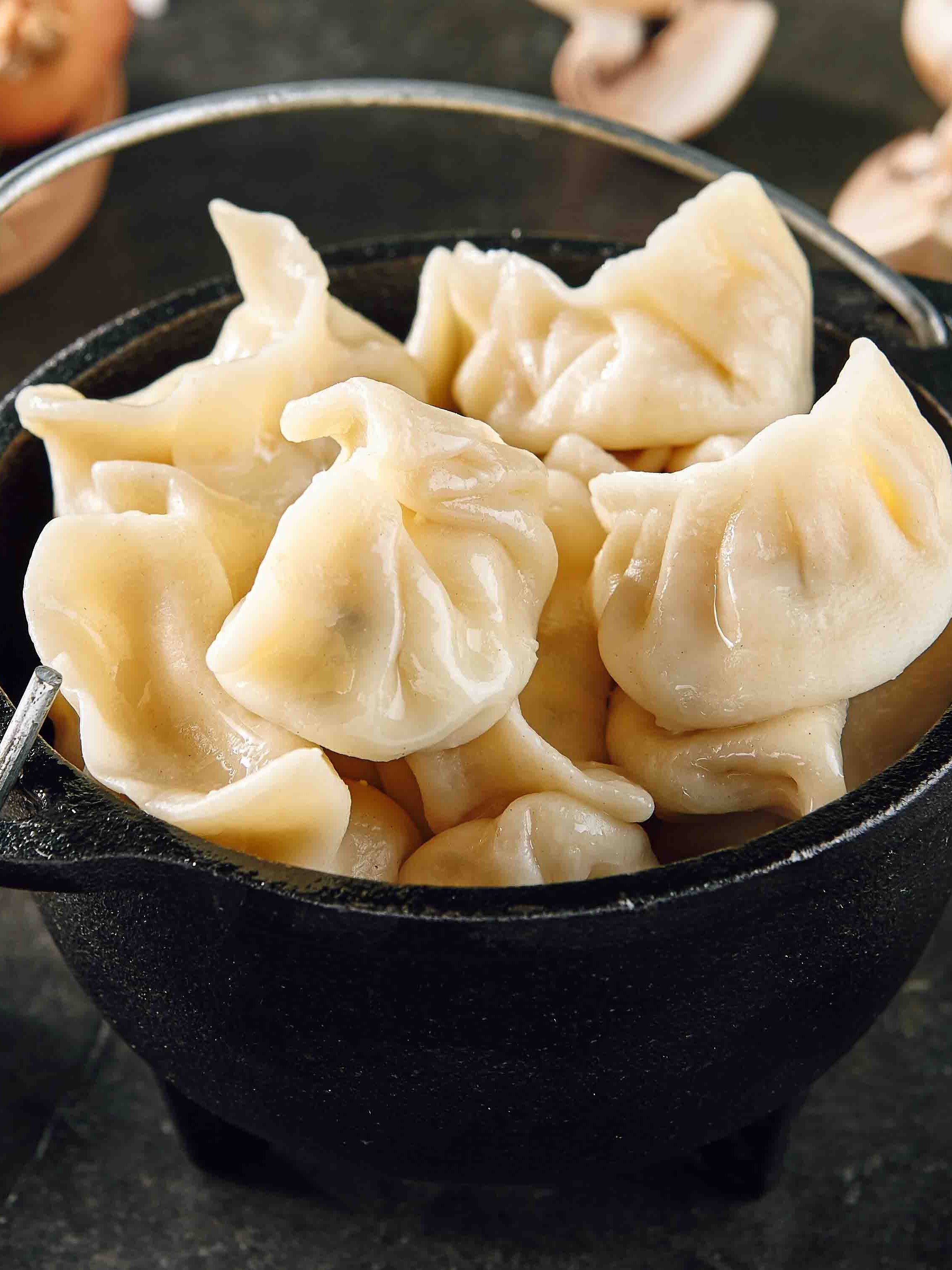
Dumplings (Jiaozi)
In Northern China, dumplings are a Chinese New Year staple. Families gather to fold them together the night before the holiday. Their shape resembles ancient Chinese gold ingots, symbolizing wealth and prosperity for the year ahead.
Some families even hide a coin inside one dumpling, and whoever finds it is said to have good fortune coming their way. The fillings can vary widely, from pork and cabbage to shrimp and chives, and the dumplings can be boiled, steamed, or pan-fried.
For a reliable homemade version, you can check out Serious Eats’ guide to pork and cabbage dumplings, which walks through the folding technique step-by-step.
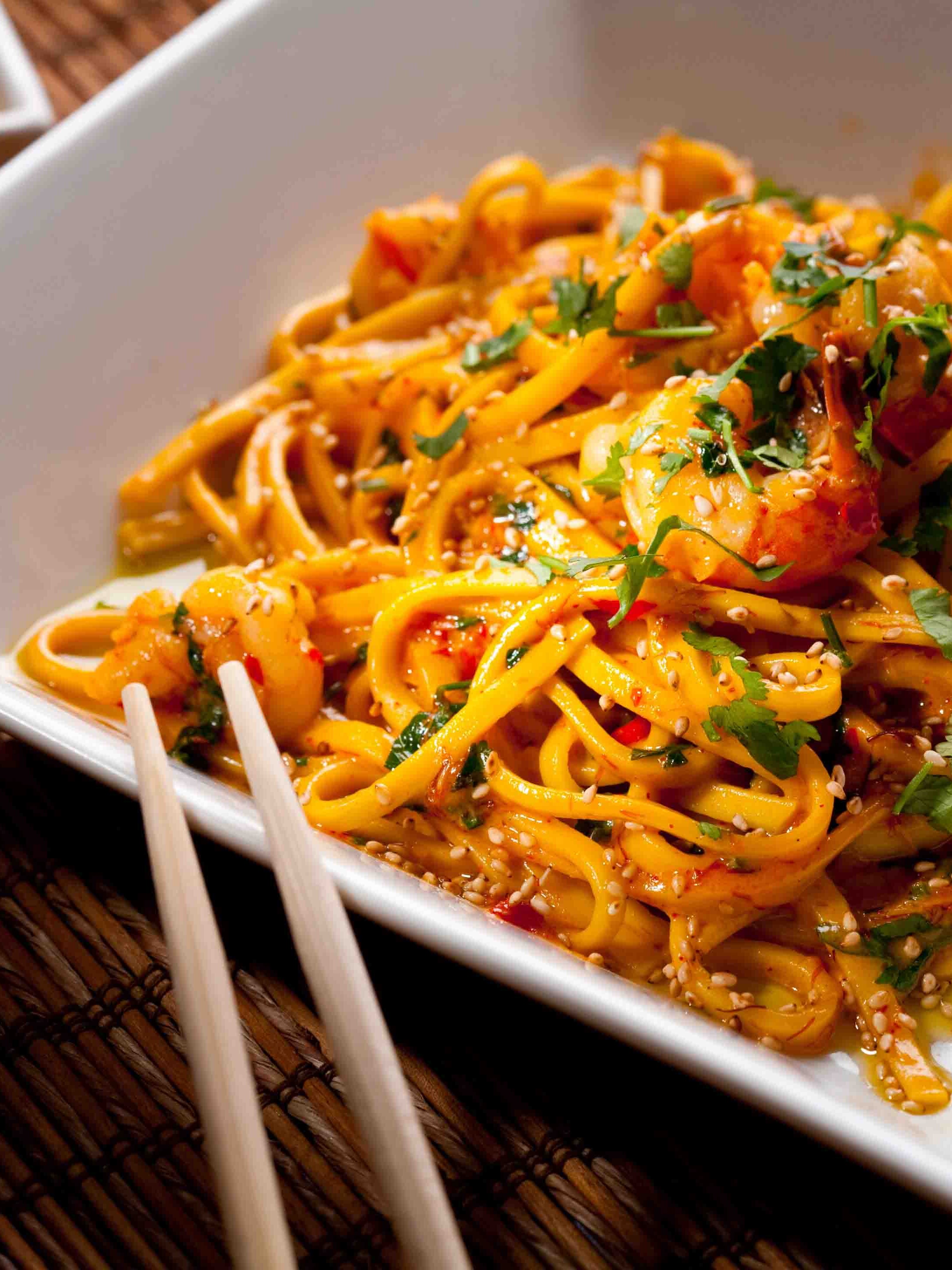
Longevity Noodles (Yi Mein)
As the name suggests, longevity noodles represent a wish for a long life, which is why they’re traditionally served uncut and eaten in a single, unbroken strand. Breaking or cutting the noodles before serving is considered bad luck, so make sure to take good care when plating this dish.
These noodles are typically stir-fried with ingredients like mushrooms, chicken, or shrimp, and seasoned with soy sauce and oyster sauce for a savory, umami-rich flavor.
Omnivore’s Cookbook offers an excellent longevity noodle recipe that’s both quick and beginner-friendly.
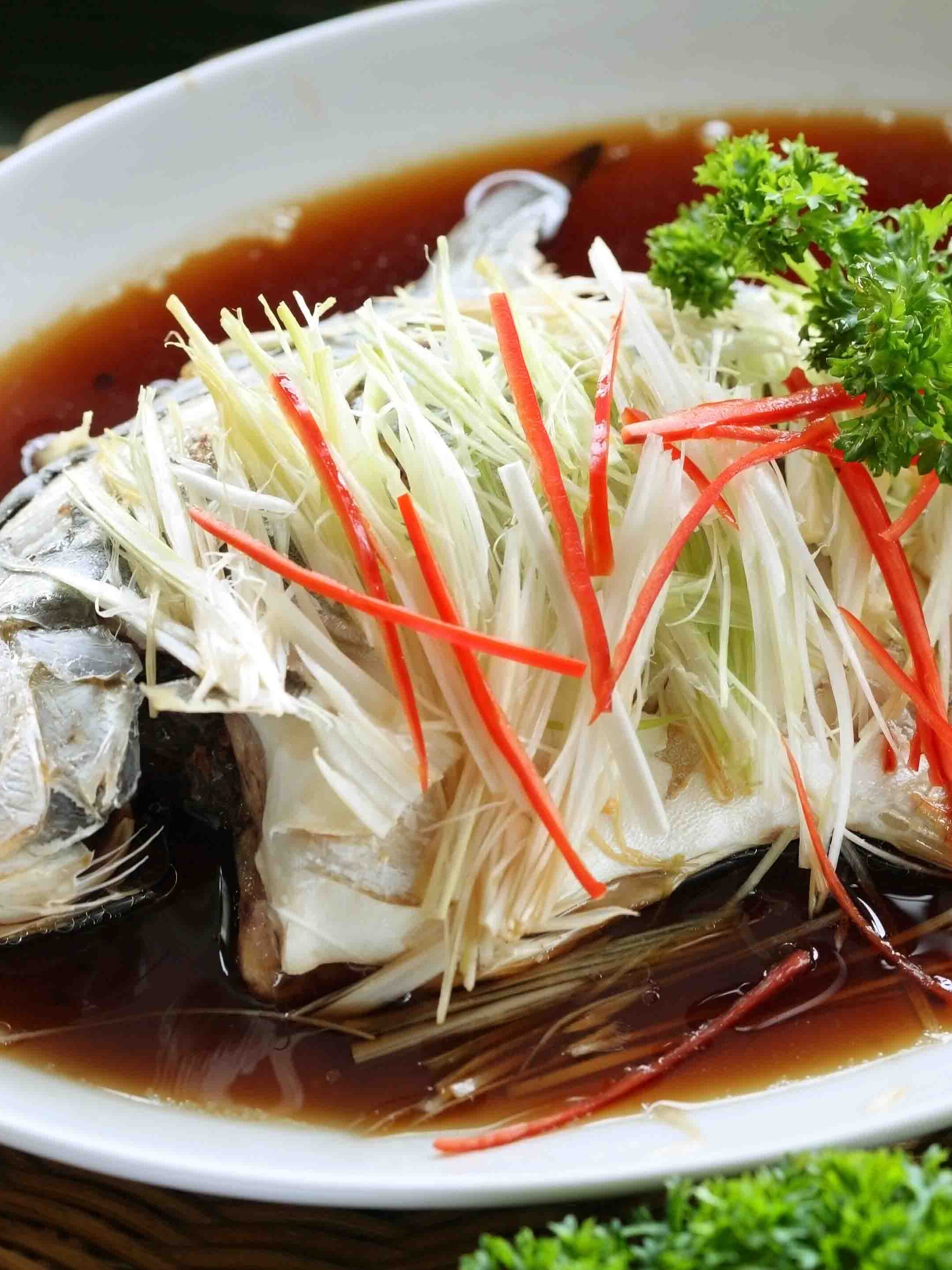
Whole Steamed Fish
A Chinese New Year dinner table is considered incomplete without a whole fish, which symbolizes abundance and surplus. The Mandarin word for fish, “yu,” sounds like the word for surplus, making it a must-have dish for ringing in prosperity.
It is tradition that the fish has to be served whole, head and tail intact, to represent a complete and fortunate year. Therefore, steaming is the preferred cooking method, as it keeps the fish moist and allows the natural flavors to shine through a simple dressing of ginger, scallions, and soy sauce.
The Woks of Life has a detailed steamed fish tutorial that covers everything from selecting the right fish to perfecting the steaming time.
Nian Gao (Sticky Rice Cake)
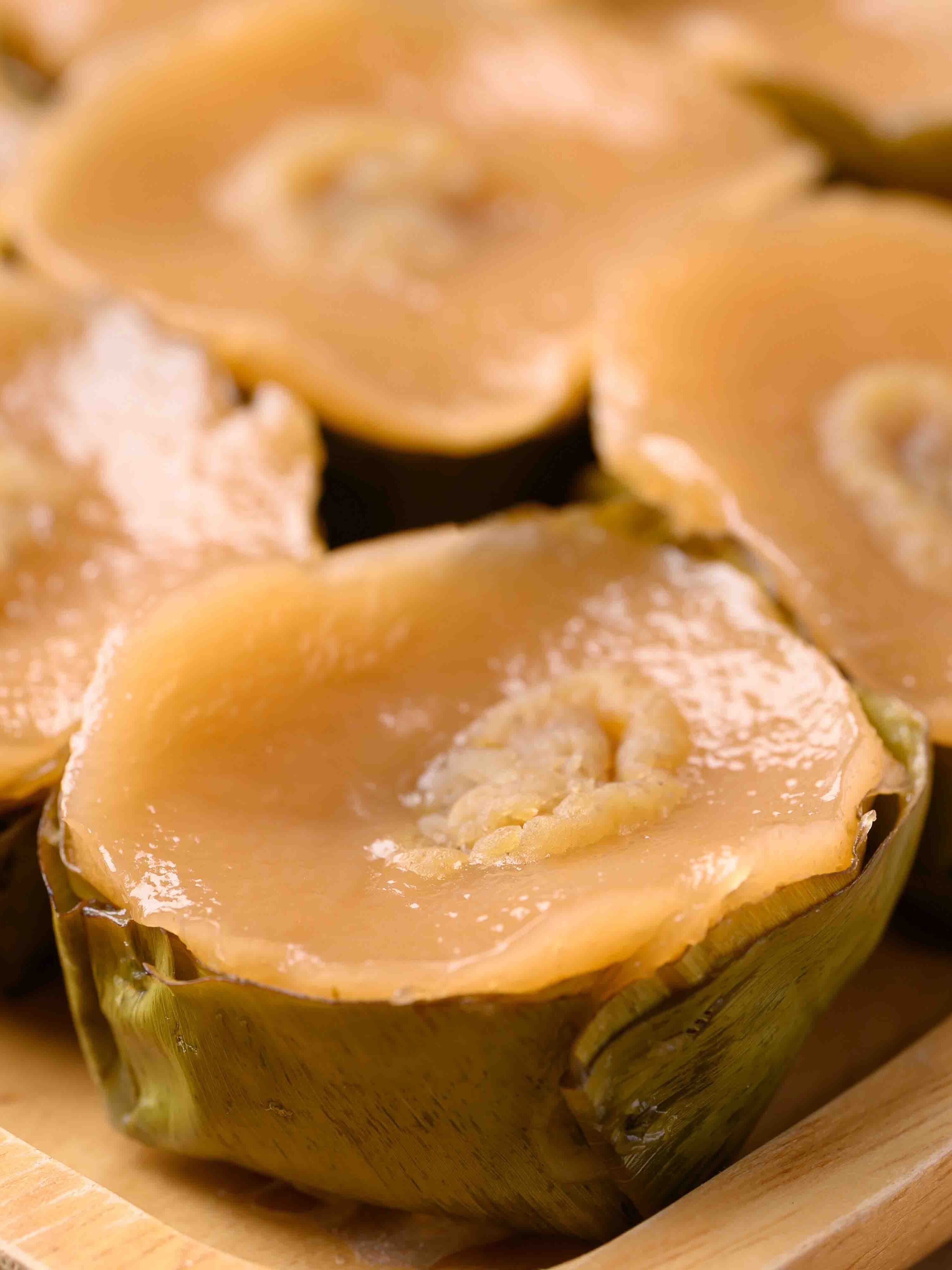
Nian Gao is a dense, chewy cake whose name is a homophone for “higher year,” symbolizing growth and progress in the coming months. It’s often associated with achieving new heights in career, education, or personal growth.
Made from glutinous rice flour, this cake can be steamed and enjoyed as is, or sliced and pan-fried until golden and slightly crisp on the outside.
Food & Wine’s Nian Gao recipe offers a great recipe for first-timers looking to try their hand at this chewy treat.
Spring Rolls
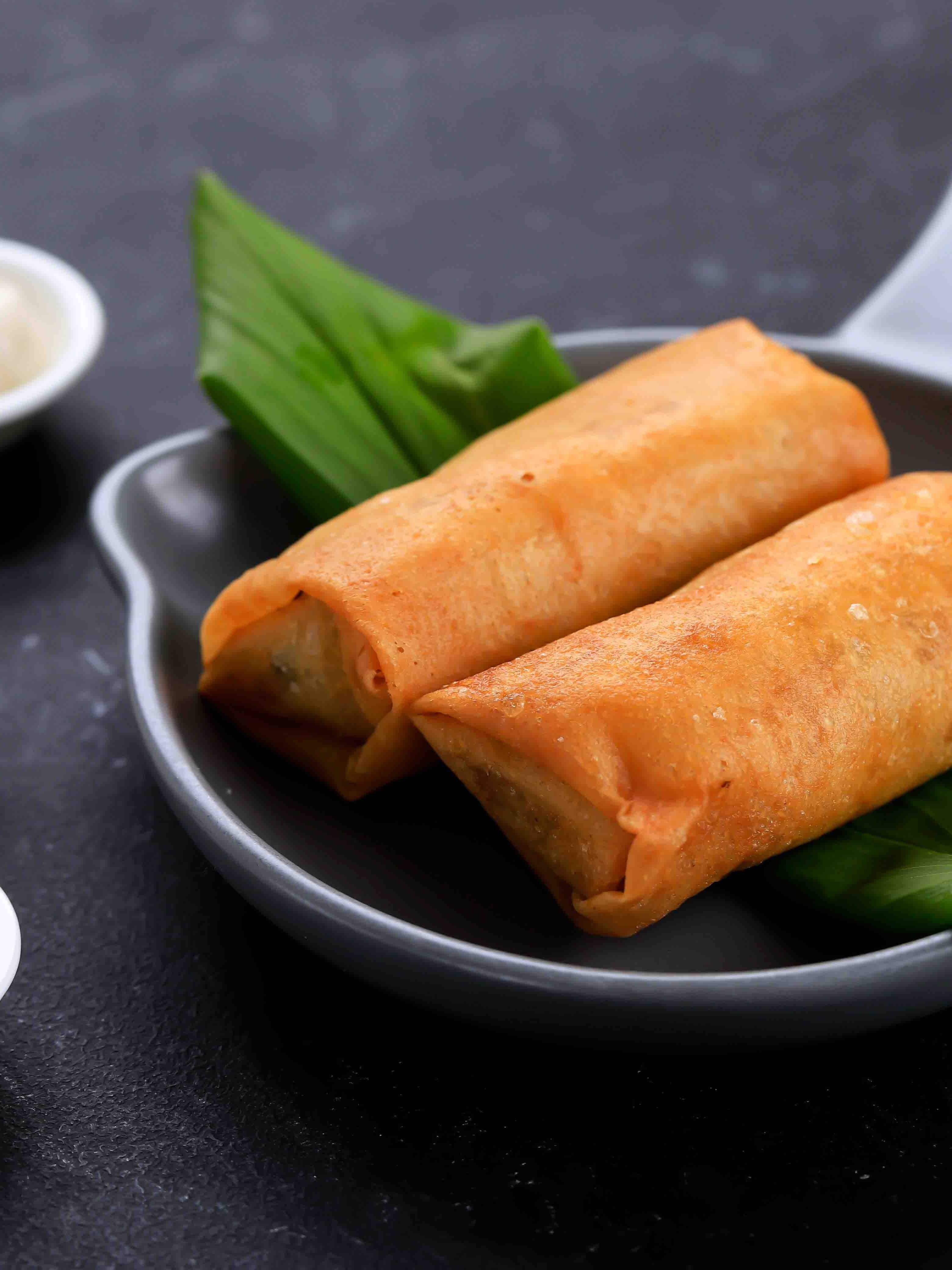
During the Chinese New Year, golden and crispy spring rolls are shaped like gold bars, making them another symbol of wealth for the new year.
They’re a popular appetizer across Chinese households and are often one of the first dishes to disappear from the table. Fillings commonly include shredded vegetables, pork, or shrimp, all wrapped in a thin pastry and deep-fried until crisp.
The Woks of Life’s spring roll recipe provides clear instructions on wrapping and frying for that perfect crunch.
Lion’s Head Meatballs
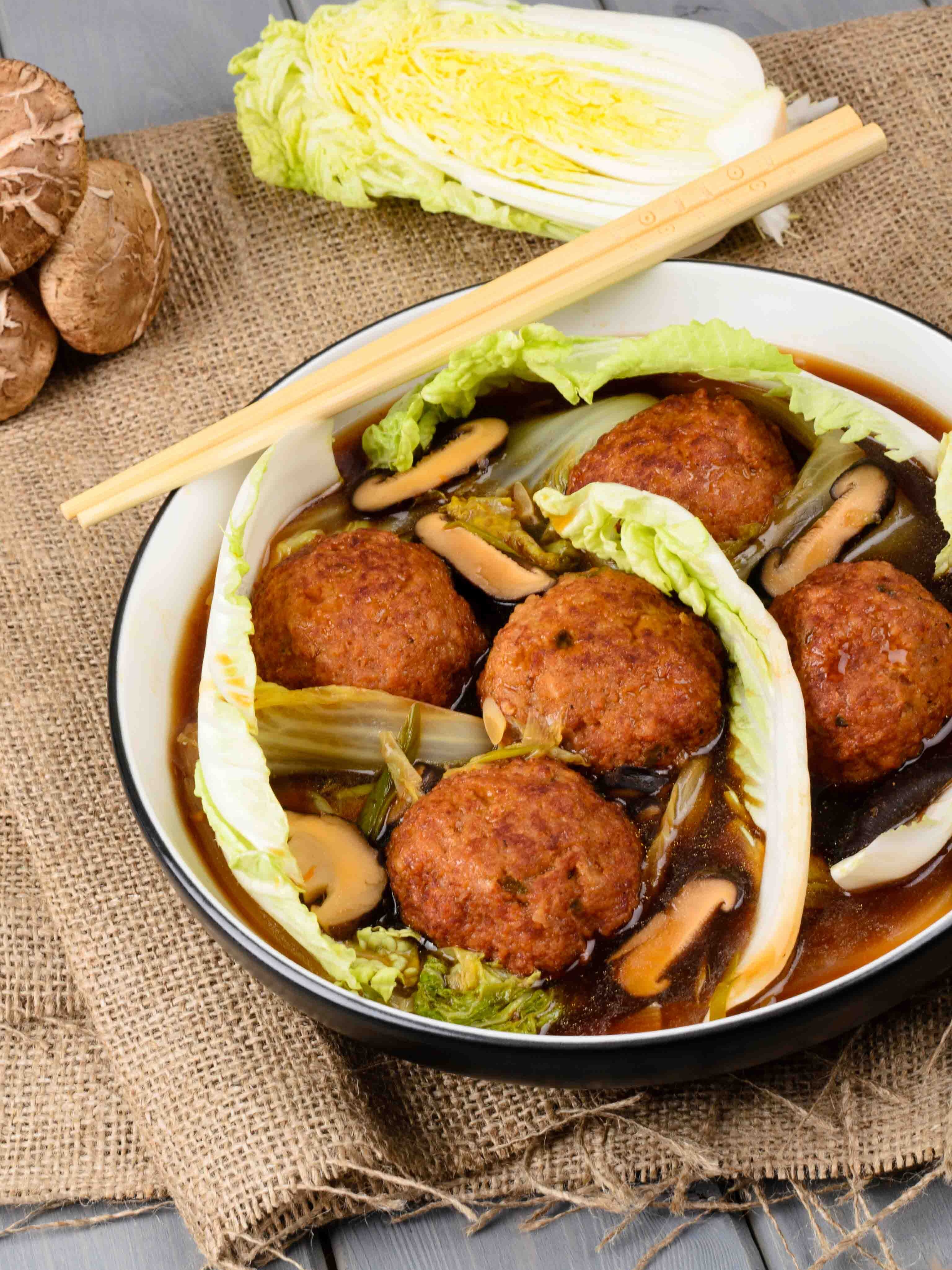
This comforting and hearty dish often served in Eastern Chinese households is made from oversized pork meatballs, and is named for its resemblance to a lion’s mane when paired with cabbage leaves.
They represent strength and family unity, making them a fitting centerpiece for a reunion dinner.The meatballs are typically braised in a savory broth with napa cabbage until tender, resulting in a dish that’s as flavorful as it is symbolic.
This recipe breaks down the braising process for a melt-in-your-mouth result.
Buddha’s Delight (Jai)
This vegetarian dish is traditionally eaten on the first day of the Lunar New Year, reflecting Buddhist values of compassion and a meat-free start to the celebrations. It usually combines an array of vegetables, mushrooms, tofu, and glass noodles, each ingredient carrying its own symbolic meaning.
Despite its simplicity, Buddha’s Delight is packed with umami flavor that comes from ingredients like dried shiitake mushrooms and fermented bean curd.
Omnivore’s Cookbook has an approachable Buddha’s Delight recipe that explains the role of each ingredient in the dish.
Tangyuan (Glutinous Rice Balls)
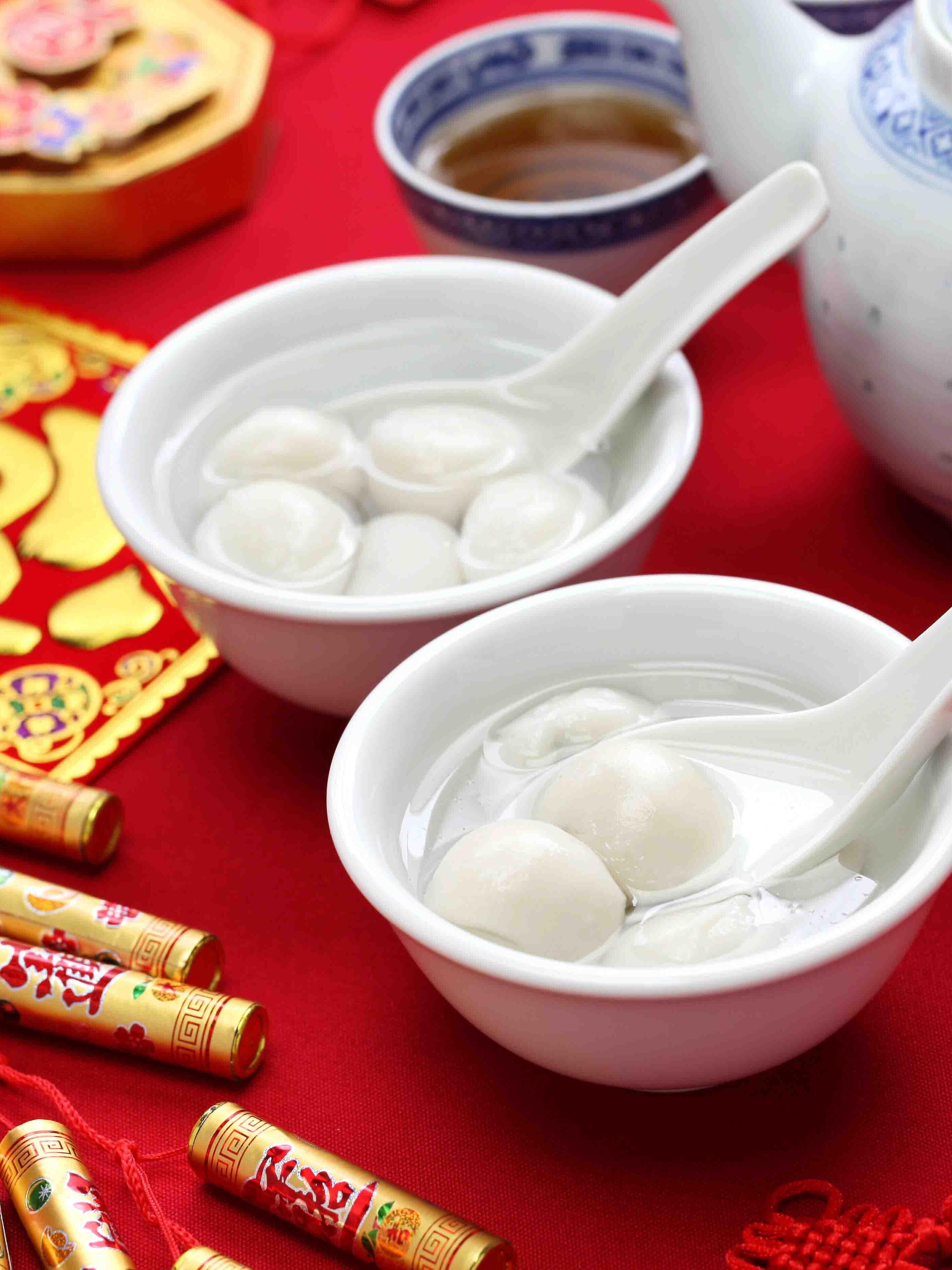
Tangyuan are sweet, chewy rice balls that are typically served during the Lantern Festival, which marks the end of the Chinese New Year celebrations.Though many families enjoy them throughout the holiday period.
Their round shape symbolizes family togetherness and completeness.Tangyuan is filled with sweet black sesame paste or peanut butter, then served in a warm, lightly sweetened broth.
This The Woks of Life’s Tangyuan recipe covers both the dough-making process and a few popular filling options.
Char Siu (BBQ Pork)
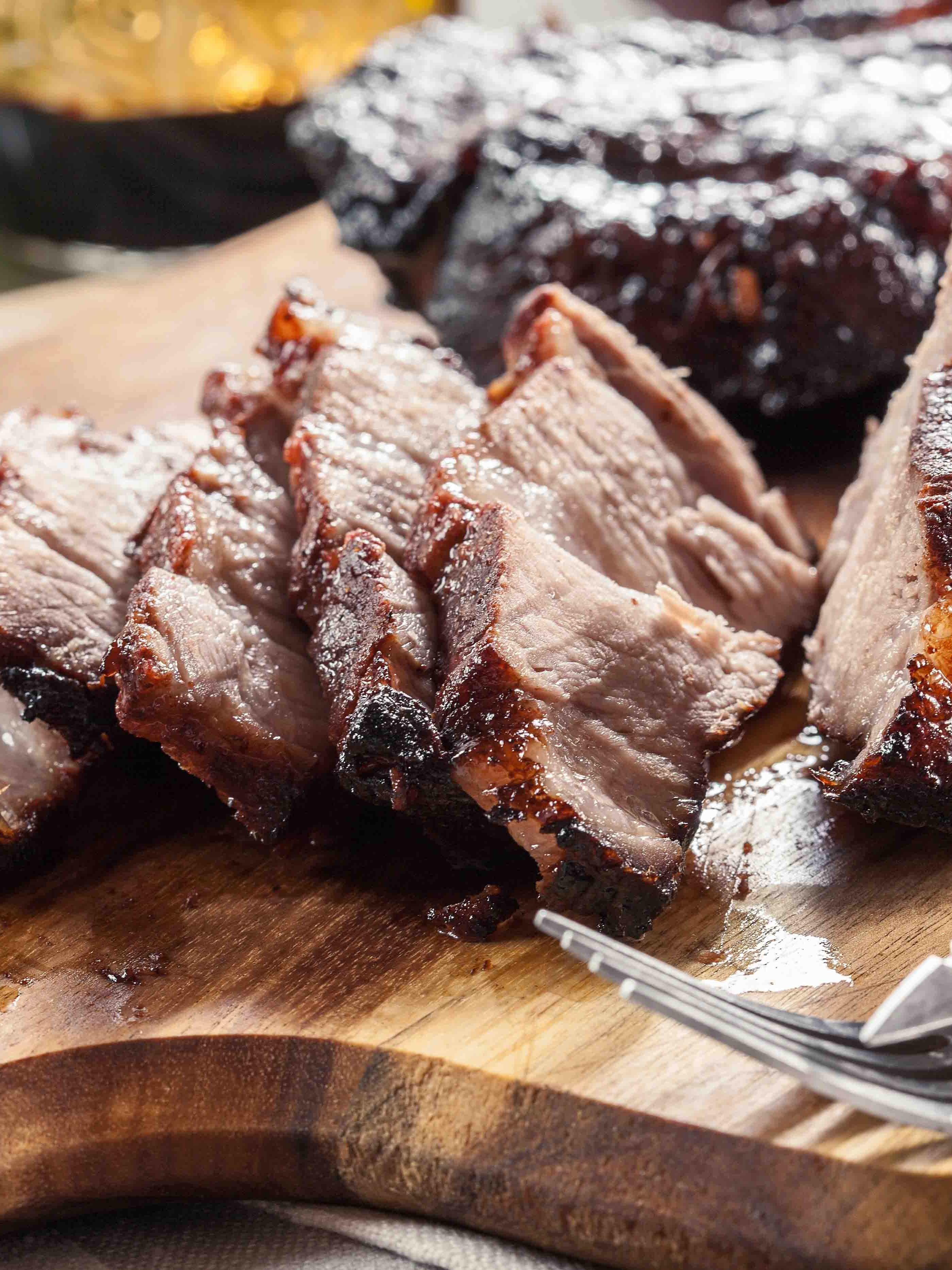
Char Siu is a beloved Cantonese dish featuring pork marinated in a sweet and savory glaze before being roasted to a sticky, caramelized finish. Its bright red color is often associated with good fortune, making it a popular choice for festival dinners.
While traditionally cooked on a rotisserie, home cooks can achieve similar results in a standard oven. This recipe offers a detailed marinade and roasting method that’s well-suited to a home kitchen.

Steamed Chicken
Whole steamed chicken, served with the head and feet intact, represents completeness and family unity during the New Year celebrations. It’s a dish that’s as much about presentation as it is about flavor, and is often placed at the center of the table.
The chicken is typically poached or steamed until tender, then served with a dipping sauce made from ginger, scallions, and oil. T
The Woks of Life’s steamed chicken recipe provides an easy method for achieving tender, flavorful meat.
Eight Treasure Rice (Ba Bao Fan)
This festive dessert combines glutinous rice with eight different toppings that often include red bean paste, dried fruits, and nuts, symbolizing abundance and good fortune for the year ahead.
Each ingredient is thoughtfully chosen for its auspicious meaning.The rice is steamed in a bowl, then inverted onto a plate to reveal a beautiful pattern of toppings.
You can refer to this recipe for clear guidance on assembling this eye-catching dessert.
Bring the Celebration to Your Table
These 12 dishes each carry centuries of tradition, and together they create a feast that’s as meaningful as it is delicious. Feel free to start with one or two recipes that feel approachable, then build your menu from there as you grow more comfortable with the techniques and flavors.
So, gather your ingredients, invite your loved ones, and let these time-honored dishes bring a little extra luck and prosperity to your New Year celebration!

PIN FOR LATER!
EXPLORE MORE FOOD


Some of the links on this post are affiliate links. These do not cost you extra to use, but will help provide Continent Hop with a small commission if/when you purchase through them, to recover some of the costs of running this website and providing free content to help you plan your travel. I appreciate your support!