
When people think of Hanukkah food, crispy potato latkes immediately come to their mind. But the Festival of Lights has inspired a rich and varied culinary history that stretches far beyond Eastern Europe.
Jewish communities across the globe, from countries like Spain, Morocco, Iraq and Yemen, have developed their own beloved dishes.Many of them are centered around the same symbolic ingredient: oil. Oil represents the miracle of Hanukkah, when a single day’s supply lasted eight nights in the ancient Temple.
Sephardic, Ashkenazi, and Mizrahi traditions each bring something unique to the table, notably syrup-soaked fritters and savory cheese pastries. This list explores ten dishes that showcase the incredible diversity of Hanukkah cuisine.
If you’re looking to expand your holiday menu or simply are curious about how Jewish communities around the world celebrate, this list is perfect to inspire your next Hanukkah gathering.
1. Sufganiyot (Ashkenazi/Israeli)
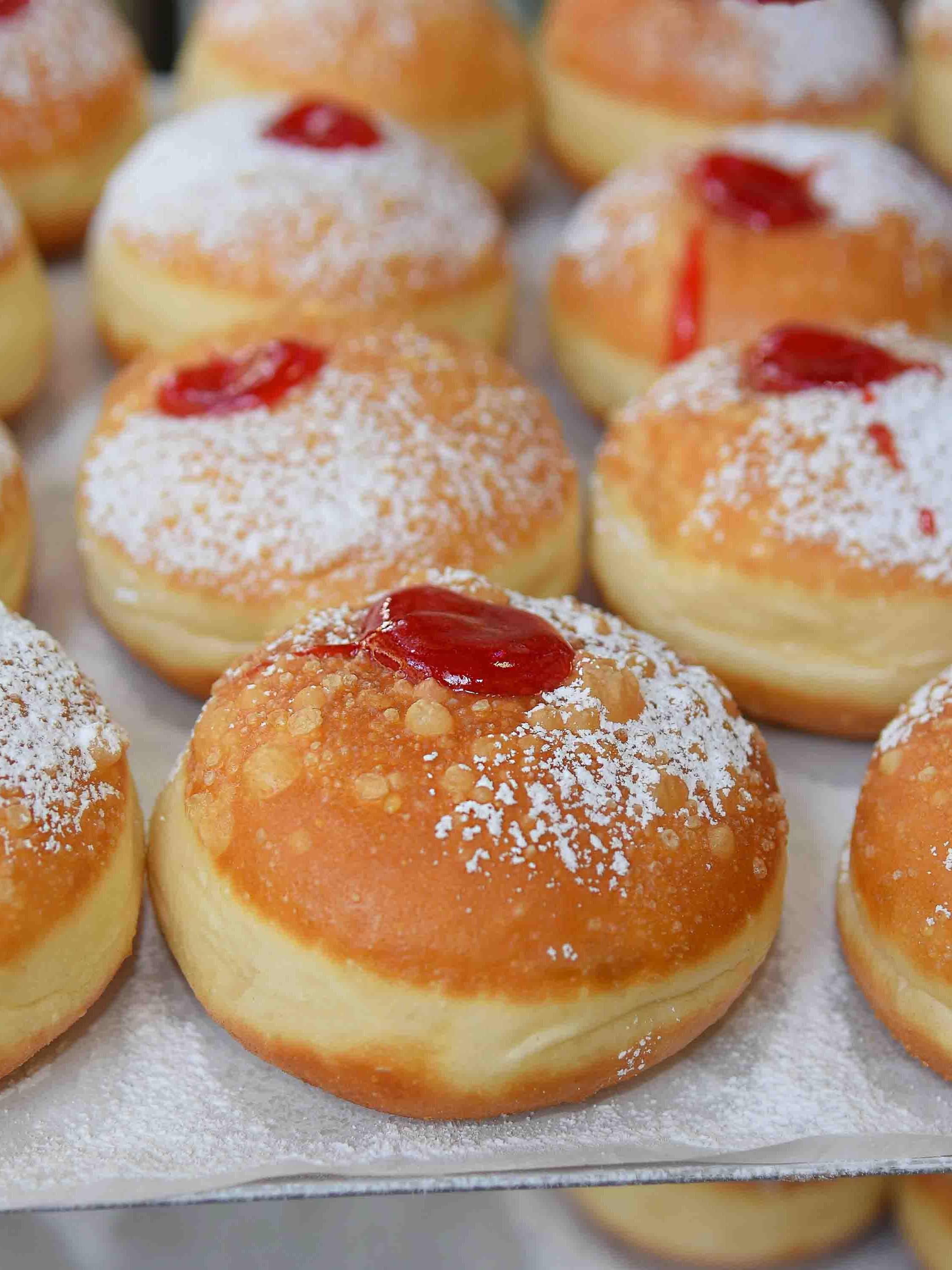
Sufganiyot are jelly-filled doughnuts that have become a Hanukkah staple in Israel and Ashkenazi households worldwide. Deep-fried and dusted with powdered sugar, these pillowy treats are traditionally filled with strawberry or raspberry jam, though modern bakeries now offer everything from chocolate to dulce de leche.
The tradition gained popularity in the early 20th century when Israeli labor unions promoted doughnut-making as a way to support local bakers during the winter months.
Today, Israelis consume an estimated 18 million sufganiyot each Hanukkah season.
Quick recipe tip: For a simplified version at home, use canned biscuit dough, fry until golden, then inject with jam using a pastry bag fitted with a narrow tip.
2. Bimuelos (Sephardic)
Bimuelos are light, airy fritters that hold a place in Sephardic Hanukkah traditions similar to sufganiyot in Ashkenazi households. They are made from a simple yeasted batter and are deep-fried until golden and then drizzled with honey or syrup, sometimes finished with a dusting of cinnamon sugar.
There are some variations that exist throughout the Sephardic diaspora, with families in Turkey and Greece adding orange zest or a splash of brandy to the batter for extra depth of flavor.
The dish’s simplicity reflects its ancient roots as food historians trace bimuelos back to the fritters eaten by Spanish Jews before the expulsion in 1492,
3. Keftes de Prasa (Sephardic)
Keftes de prasa, or leek fritters, are a beloved Sephardic dish often found on Hanukkah tables in Greek and Turkish Jewish communities. They are made from boiled leeks mixed with matzo meal, eggs, and sometimes ground meat patties and then pan-fried in oil until crisp on the outside and tender within.
The dish ties back to the holiday’s emphasis on fried foods while also incorporating leeks, a vegetable with deep roots in Sephardic cooking. Several families serve keftes de prasa with a simple squeeze of lemon, which cuts through the richness of the fried exterior.
4. Sabich-Inspired Fried Eggplant (Mizrahi)
While sabich is typically associated with everyday Israeli street food, Mizrahi families, particularly those with Iraqi heritage, often have fried eggplant slices prominently during Hanukkah. These are thin rounds of eggplant, which are salted and fried in oil until deeply golden, and layered into dishes alongside hard-boiled eggs, amba (a tangy mango pickle), and fresh herbs.
The dish’s popularity during Hanukkah is because of the frying method, which aligns with the holiday’s oil-centric symbolism. You can serve it alongside warm pita for a simple yet satisfying addition to your holiday table.
5. Sfenj (North African Sephardic/Mizrahi)
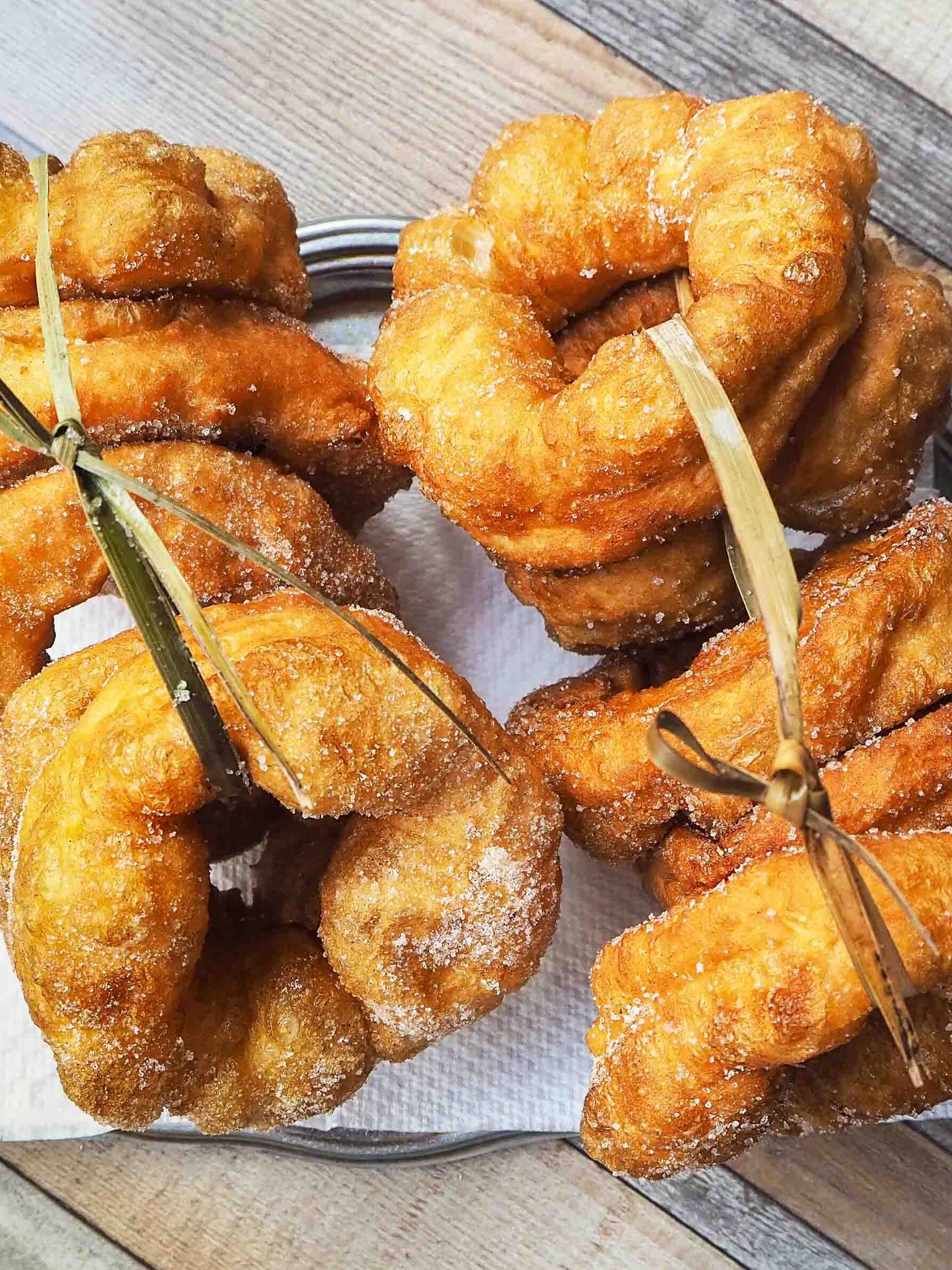
Sfenj are Moroccan doughnuts, typically ring-shaped and fried until crisp on the outside while remaining soft and chewy inside. Unlike sufganiyot, sfenj are usually unfilled and instead soaked in syrup or simply dusted with sugar immediately after frying.
Street vendors in Morocco sell sfenj fresh and hot, threading them onto a string of palm leaves for easy carrying. During Hanukkah, Moroccan Jewish families make large batches at home, serving them for breakfast throughout the eight days of the holiday.
Quick recipe tip: For best results, let the dough rest for at least an hour before frying, this develops the characteristic airy texture sfenj are known for.
6. Latkes with a Sephardic Twist
While latkes are firmly rooted in Ashkenazi tradition, many Sephardic and Mizrahi families have developed their own versions using regional ingredients. Iraqi Jewish households prepare fritters using grated zucchini or cauliflower instead of potatoes, seasoned with cumin, turmeric, and fresh herbs like parsley or cilantro.
They’re typically served with a side of yogurt or tahini sauce rather than the sour cream and applesauce common in Ashkenazi kitchens.
As these fritters use vegetables, they reflect the broader culinary influences of the Middle East, where spices play a more prominent role than in traditional Eastern European cooking.


7. Kugel (Ashkenazi)
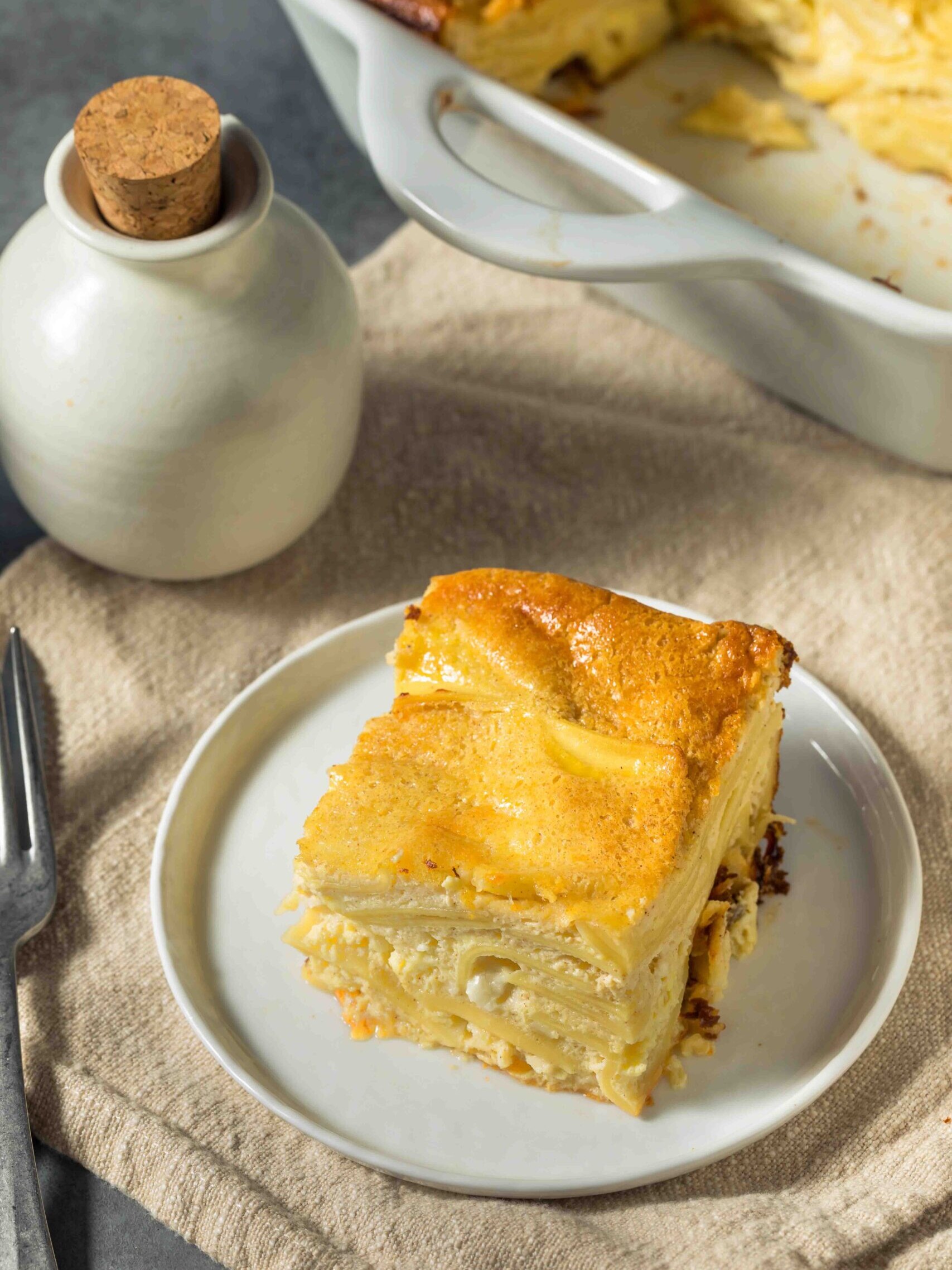
Kugel, is a baked casserole dish which has been a comfort food staple in Ashkenazi households, and many families include it as part of their Hanukkah spread. While not fried like latkes, this sweet noodle kugel is made with eggs, sugar, and cinnamon. It offers a custardy contrast to the crispier fried dishes on the festival table.
Savory potato kugel is another popular variation. A baked version of latkes, it offers the same comforting flavors without the need to stand over a hot skillet. As both versions can be made ahead of time, they act as a practical addition for hosts juggling multiple dishes.
8. Keftes de Espinaka (Sephardic)
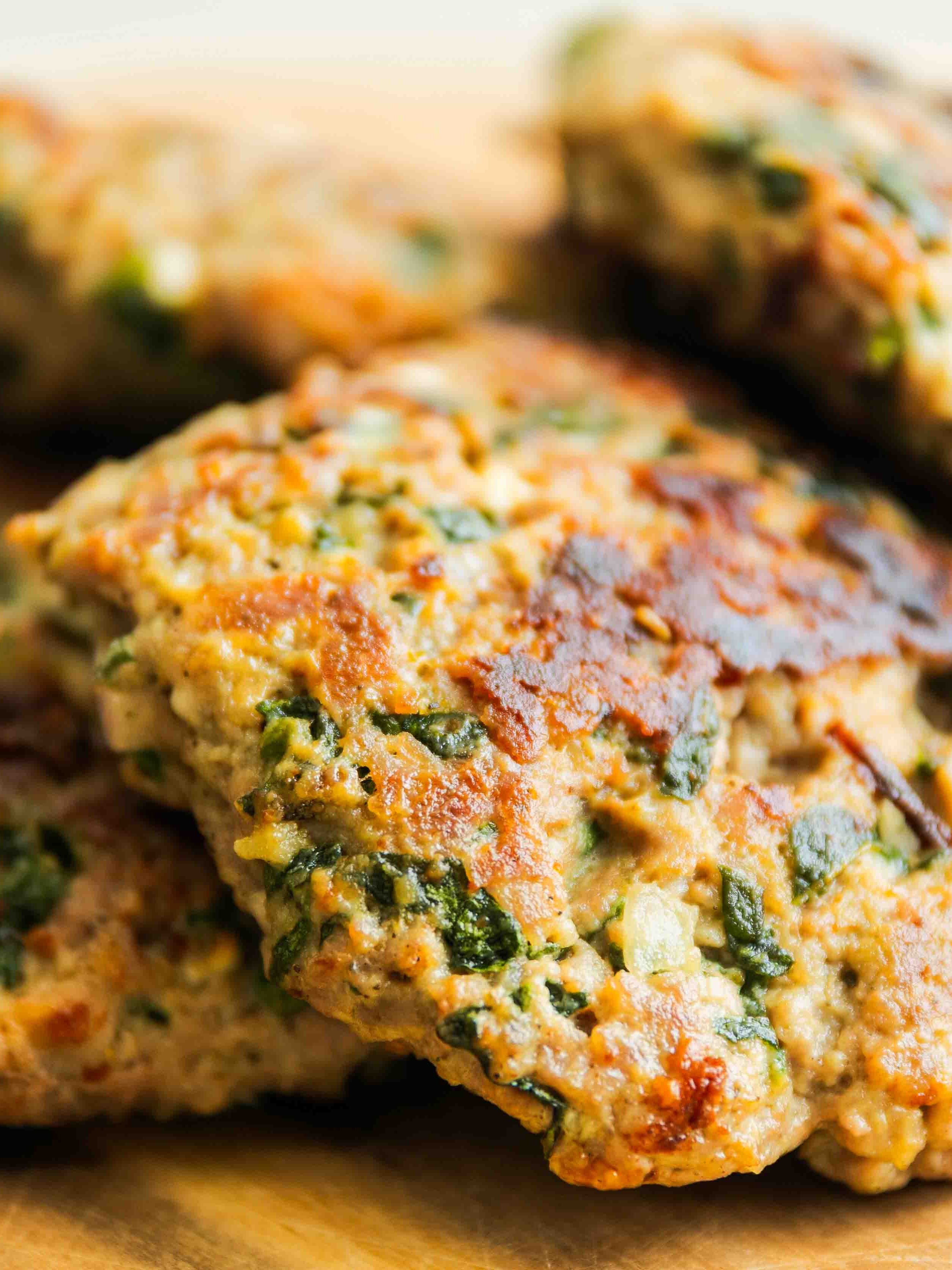
Similar in concept to keftes de prasa, keftes de espinaka are spinach fritters popular among Sephardic Jews of Balkan and Turkish descent. These fritters are made by combining cooked spinach with feta cheese or a similar salty, crumbly variety, along with eggs and breadcrumbs, then deep frying until golden brown.
The combination of cheese and fried food during Hanukkah has deeper roots with some traditions connecting dairy dishes to the story of Judith. She was a heroine who reportedly fed salty cheese to an enemy general to make him thirsty, then used his resulting drunkenness to defeat him.
9. Fazuelos (Sephardic)
Sephardic communities with roots in Spain and the broader Mediterranean make these crispy, bow-tie-shaped pastries, called Fazuelos. The dough is rolled thin, cut into strips, twisted into shape, and fried until golden before being drizzled with honey syrup.
Light and delicately crunchy, fazuelos are similar to Italian chiacchiere or Mexican buñuelos, which highlights the shared culinary threads that run through Mediterranean and Latin cultures. Some families also flavor the dough with a splash of anise liqueur, adding a subtle licorice note to the finished pastry.
10. Sambousak (Mizrahi)
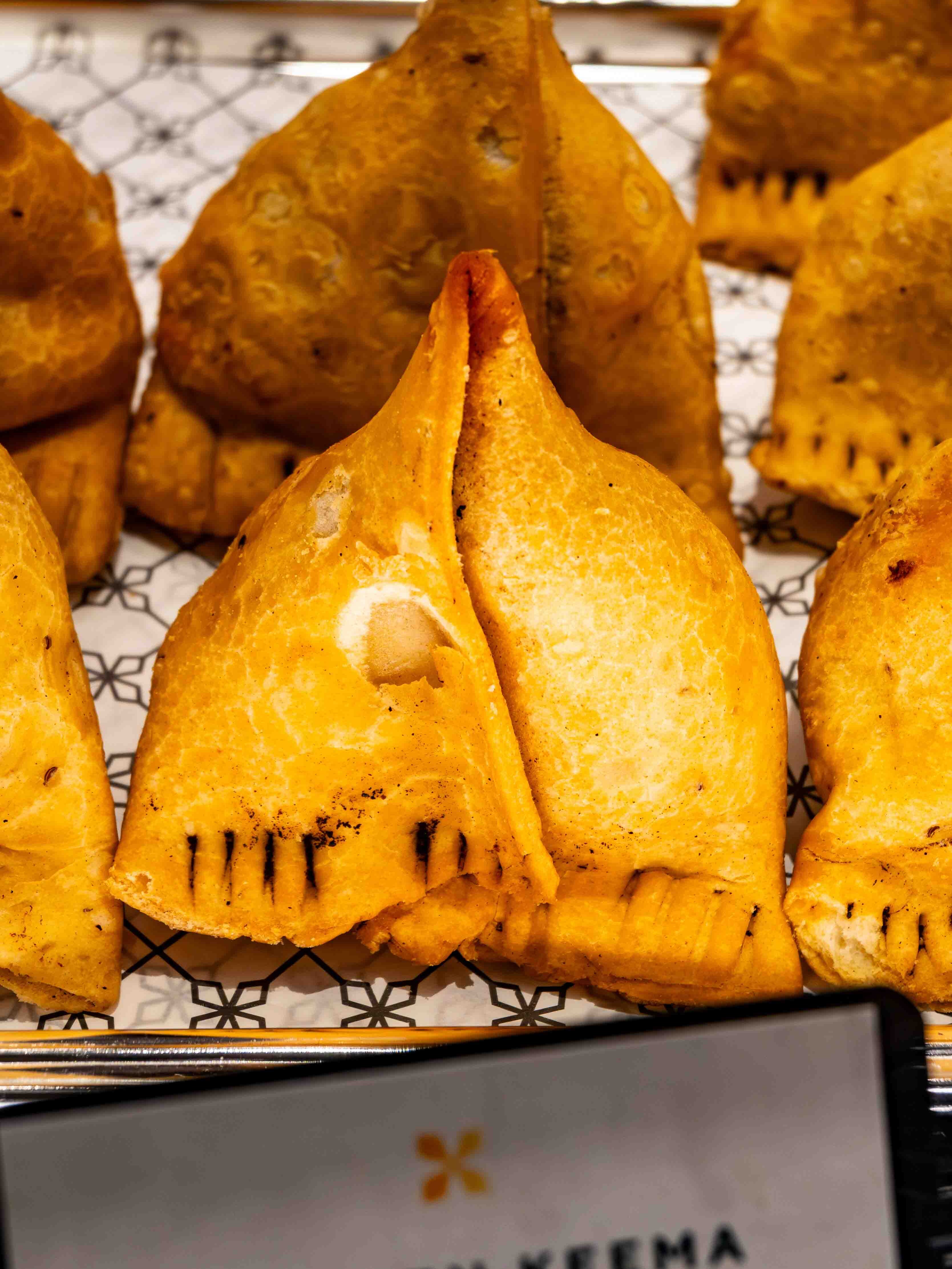
Sambousak are savory, half-moon-shaped pastries filled with ingredients like spiced ground meat, chickpeas, or cheese, popular among Iraqi and Syrian Jewish communities. The dough is typically made with semolina, giving the pastries a slightly crumbly, tender texture once baked or fried.
During Hanukkah, cheese-filled sambousak are especially popular, again tying back to the dairy traditions associated with the story of Judith. As these pastries freeze well, they can be a convenient make-ahead option for hosts preparing for a houseful of guests over the eight-day holiday.
Quick recipe tip: Brush the pastries with a beaten egg wash before baking to achieve a beautifully golden, glossy finish.
11. Yo-Yos (Sephardic/North African)
Yo-yos are small, syrup-soaked doughnuts popular in Tunisian and Libyan Jewish communities. They are shaped into rings or knots and fried. Once fried, they’re dunked in a sugar syrup infused with orange blossom water, giving them a distinctly floral sweetness that sets them apart from other fried Hanukkah treats. A sprinkle of sesame seeds on top can also be added for extra texture and visual appeal.
Like many Sephardic fried treats, yo-yos are often made in large batches and shared generously with neighbors and extended family throughout the holiday.
A Table Worth Celebrating
Hanukkah’s culinary traditions are as diverse as the communities who celebrate the holiday, yet they all share a common thread: the significance of oil and the joy of gathering loved ones around the table. These dishes tell a story of migration, adaptation, and cultural pride that spans centuries and continents.
This Hanukkah, consider stepping outside the familiar latke-and-applesauce routine to explore a dish from a different tradition. Maybe fry up a batch of sfenj for breakfast or try your hand at cheese-filled sambousak for a savory addition to your spread. Whatever you choose, these recipes are a reminder that the Festival of Lights shines brightly across many kitchens, cultures, and tables around the world.

PIN FOR LATER!
EXPLORE MORE FOOD




Some of the links on this post are affiliate links. These do not cost you extra to use, but will help provide Continent Hop with a small commission if/when you purchase through them, to recover some of the costs of running this website and providing free content to help you plan your travel. I appreciate your support!