
New Year’s celebrations look different around the world, but many have one thing in common: food believed to bring good luck. From grapes and noodles to lentils and rice cakes, different cultures have their own dishes that symbolize prosperity, happiness, and a fresh start.
Some traditions focus on the shape of the food, like round fruits that resemble coins. Others use ingredients associated with wealth, good health, or a long life. These customs have been passed down through generations and remain an important part of New Year’s celebrations today.
Here are eleven lucky foods from around the world and the traditions behind them. Whether you want to try something new this year or learn how other cultures celebrate, these dishes offer plenty of inspiration.
1. Twelve Grapes (Spain)
In Spain, people welcome the New Year by eating twelve grapes as the clock strikes midnight. Known as las doce uvas de la suerte, or twelve lucky grapes, the tradition involves eating one grape with each of the twelve clock chimes. Each grape represents a month of the coming year, and finishing all twelve is believed to bring good luck.
The custom became especially popular in 1909 when grape growers in Alicante promoted it during a grape surplus, although the practice existed earlier. Today, families across Spain and parts of Latin America follow the tradition, often watching the midnight countdown together.
Quick tip: Choose small, seedless grapes to make the tradition easier. Cutting them into smaller pieces is safer, especially for children.
2. Leafy Greens (United States/Germany)
In the American South, leafy greens like collard greens, kale, and cabbage are served because their green color resembles folded paper money. They’re typically cooked slowly with smoked meat for a savory, soulful dish that pairs with black-eyed peas for a complete prosperity meal.
In Germany, a similar belief surrounds cabbage, particularly sauerkraut, which is eaten on New Year’s Day for the same money-related symbolism. Some families even add a bit of extra cabbage to the pot, reasoning that more greens on the table means more wealth in the bank.
3. Soba Noodles (Japan)
In Japan, eating soba noodles on New Year’s Eve is a long-standing tradition. Called toshikoshi soba, or year-crossing noodles, the dish is usually enjoyed before midnight as a way to welcome the coming year.
The long buckwheat noodles represent a long and healthy life. Because soba noodles break easily, they also symbolize leaving behind the difficulties of the previous year.
The tradition dates back to the Edo period and remains popular in Japanese households today. Soba is typically served in a warm broth, sometimes topped with tempura, scallions, or an egg. It’s a simple, comforting meal with plenty of meaning behind it.



4. Round Fruits (Philippines)
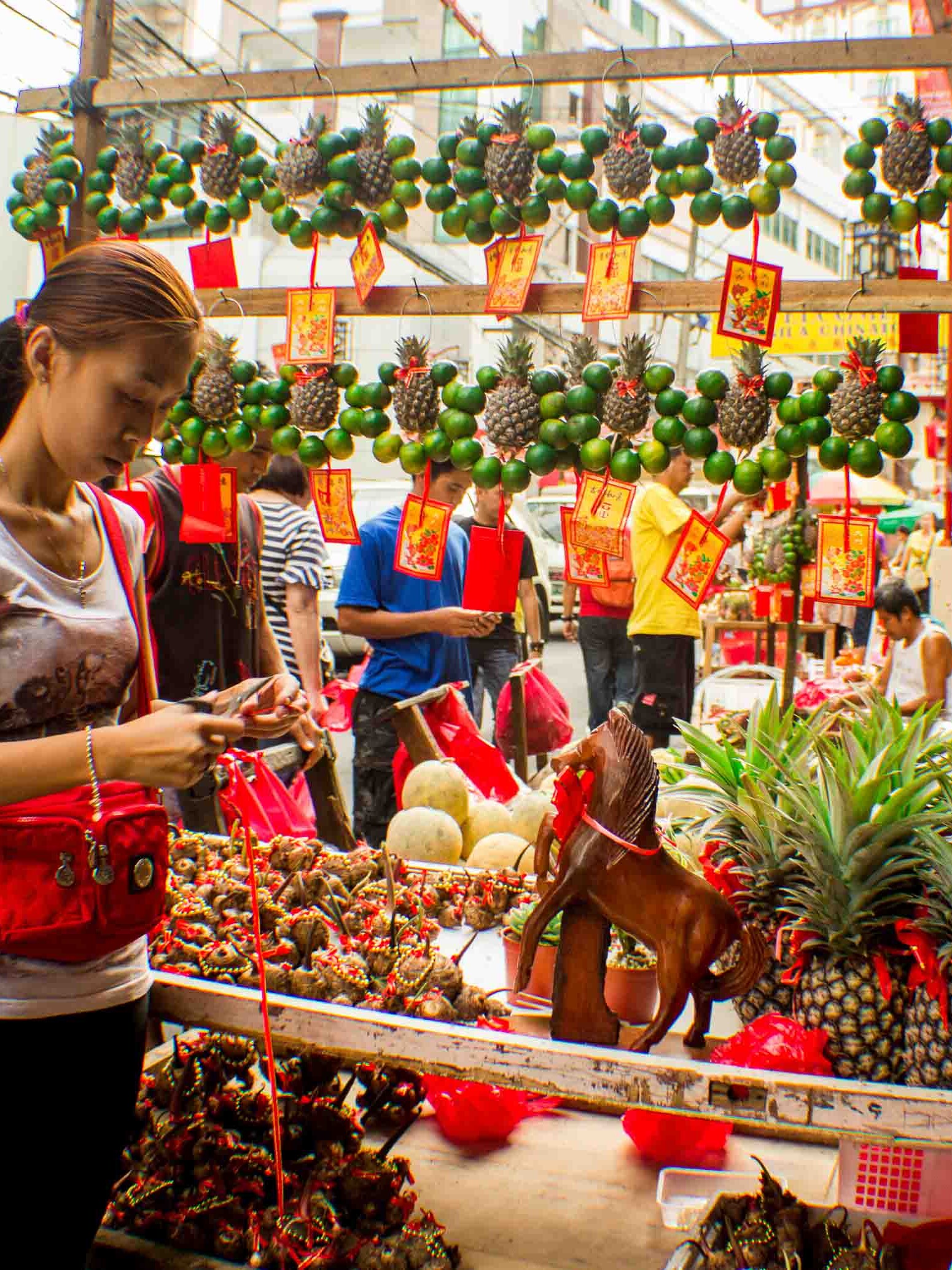
In the Philippines, round fruits are an important part of the New Year’s Eve feast, known as Media Noche. Their circular shape resembles coins, making them symbols of wealth and prosperity.
Many families arrange twelve different round fruits on the dining table, with each one representing a month of the coming year. Popular choices include oranges, grapes, apples, and melons.
Some households prefer thirteen fruits for an extra touch of luck. Beyond their symbolic meaning, the colorful fruit displays also make a festive centerpiece for the celebration.
5. Lentils (Italy)
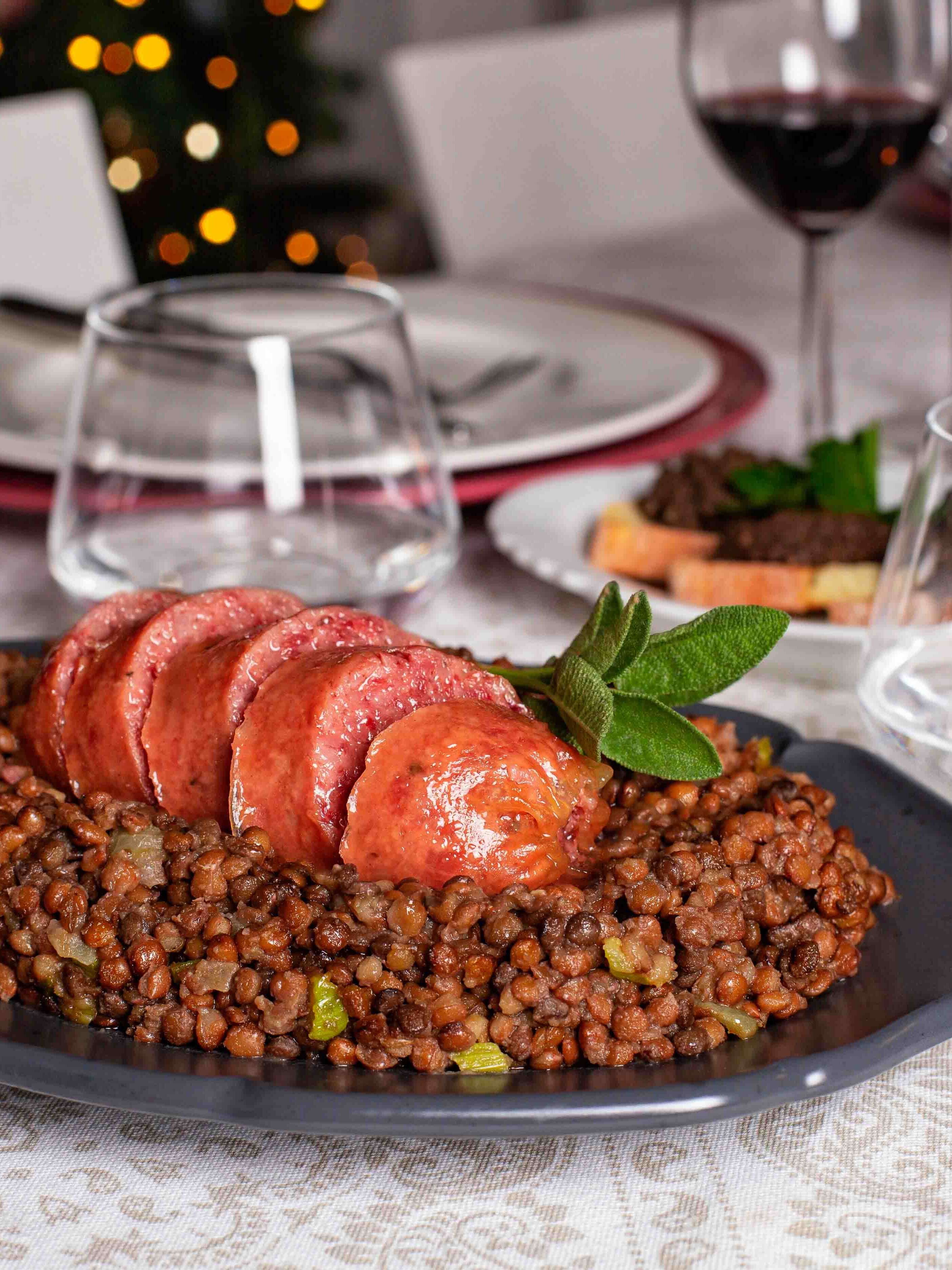
Lentils are a must-have New Year’s food in many Italian households. Their small, round shape resembles coins, which is why they’re associated with money and financial prosperity.
They’re often served with cotechino or zampone, traditional Italian pork sausages, creating a hearty meal for New Year’s Eve or New Year’s Day. Some families eat lentils around midnight to welcome the year with good fortune.
The tradition has roots in ancient Rome, when people exchanged lentils as gifts with hopes that they would turn into wealth. Today, the dish remains a familiar part of Italian New Year’s celebrations.
6. Pomegranates (Greece and Turkey)
Pomegranates are associated with abundance, fertility, and good fortune in both Greece and Turkey. Their many seeds make them a natural symbol of prosperity and growth.
In Greece, some families welcome the New Year by smashing a pomegranate against the front door. The more seeds that scatter, the more luck and abundance the household is believed to receive. This custom is often connected with podariko, the tradition of bringing good luck through the first person to enter the home in the New Year.
In Turkey, pomegranates are also used in New Year’s customs, sometimes displayed, eaten, or broken near the entrance of a home. Their bright red color and seed-filled interior make them a popular symbol of good fortune.
7. Black-Eyed Peas (United States)
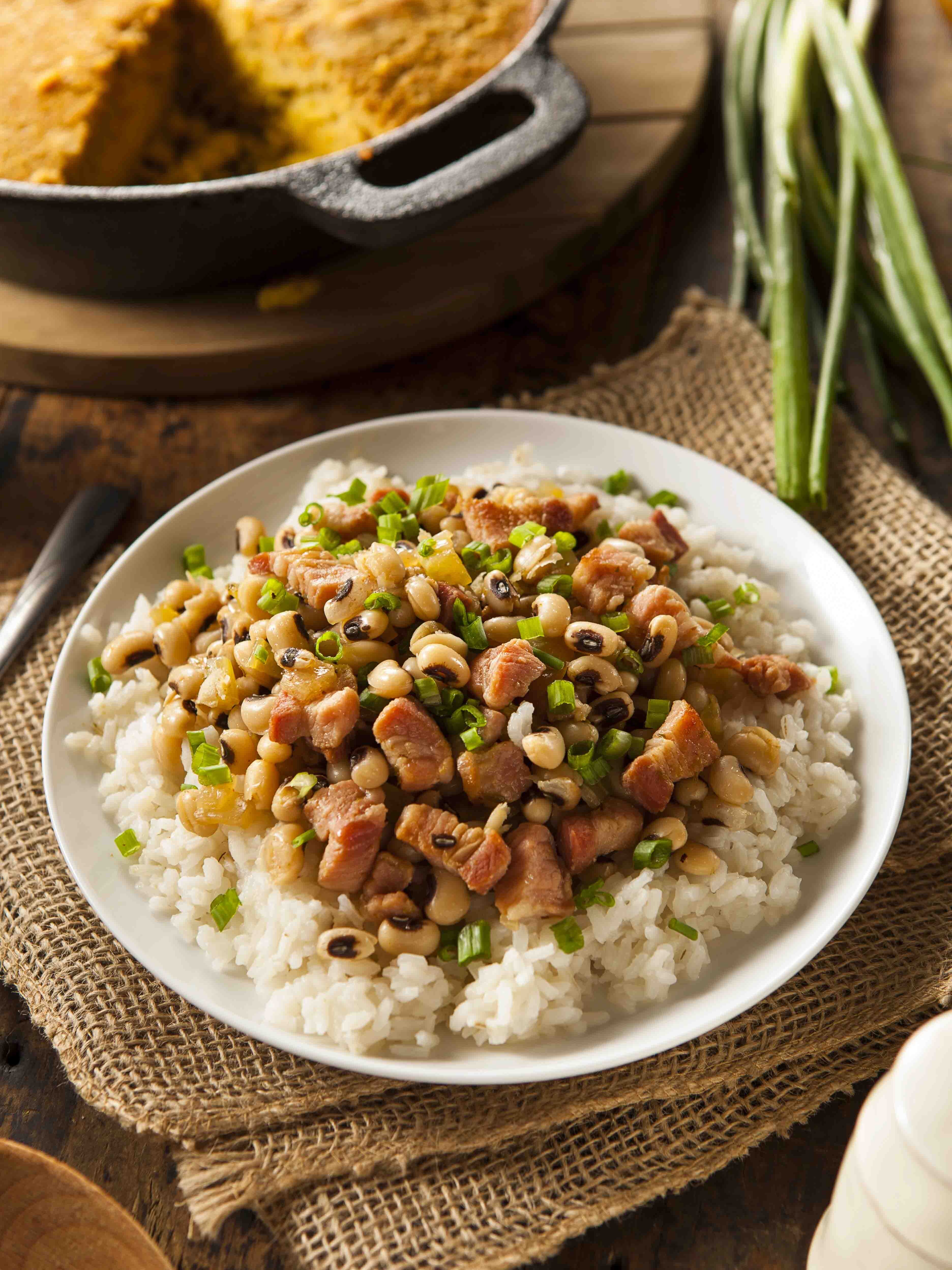
Black-eyed peas are a New Year’s Day favorite in the American South. They’re commonly prepared as Hoppin’ John, a dish made with black-eyed peas, rice, pork, and seasonings.
The peas are associated with coins and financial prosperity, making them a popular choice for the first meal of the year. They’re often served with collard greens and cornbread, which carry their own money-related symbolism.
The tradition reflects several cultural influences, including African foodways and Southern cooking practices. Some families also follow the custom of placing a coin in the pot, believing that whoever finds it will have extra luck in the coming year.
8. Rice Cakes (Korea)
In Korea, tteok-guk, a soup made with thinly sliced rice cakes, is traditionally eaten during Seollal, the Korean Lunar New Year.
The white rice cakes represent purity and a fresh beginning, while their round, coin-like slices are associated with prosperity. Eating the soup is also traditionally linked to becoming one year older.
Families often prepare and enjoy tteok-guk together as part of their New Year’s celebrations. The dish usually includes a savory broth, sliced rice cakes, and toppings such as egg, seaweed, or beef. It’s a comforting meal that marks the beginning of another year.
9. Tamales (Mexico)
Tamales are a familiar part of holiday celebrations in Mexico, including Christmas and New Year’s gatherings. Made from corn dough filled with meat, cheese, or other ingredients, they’re wrapped in corn husks or banana leaves and steamed.
Unlike some other foods on this list, tamales aren’t associated with one specific New Year’s superstition. Instead, they represent family, togetherness, and abundance.
Preparing tamales is often a group activity, with family members gathering to make large batches for the celebration. The time spent cooking and sharing them is just as important as the food itself, making tamales a meaningful addition to the holiday table.


10. Marzipan Pig (Germany and Austria)
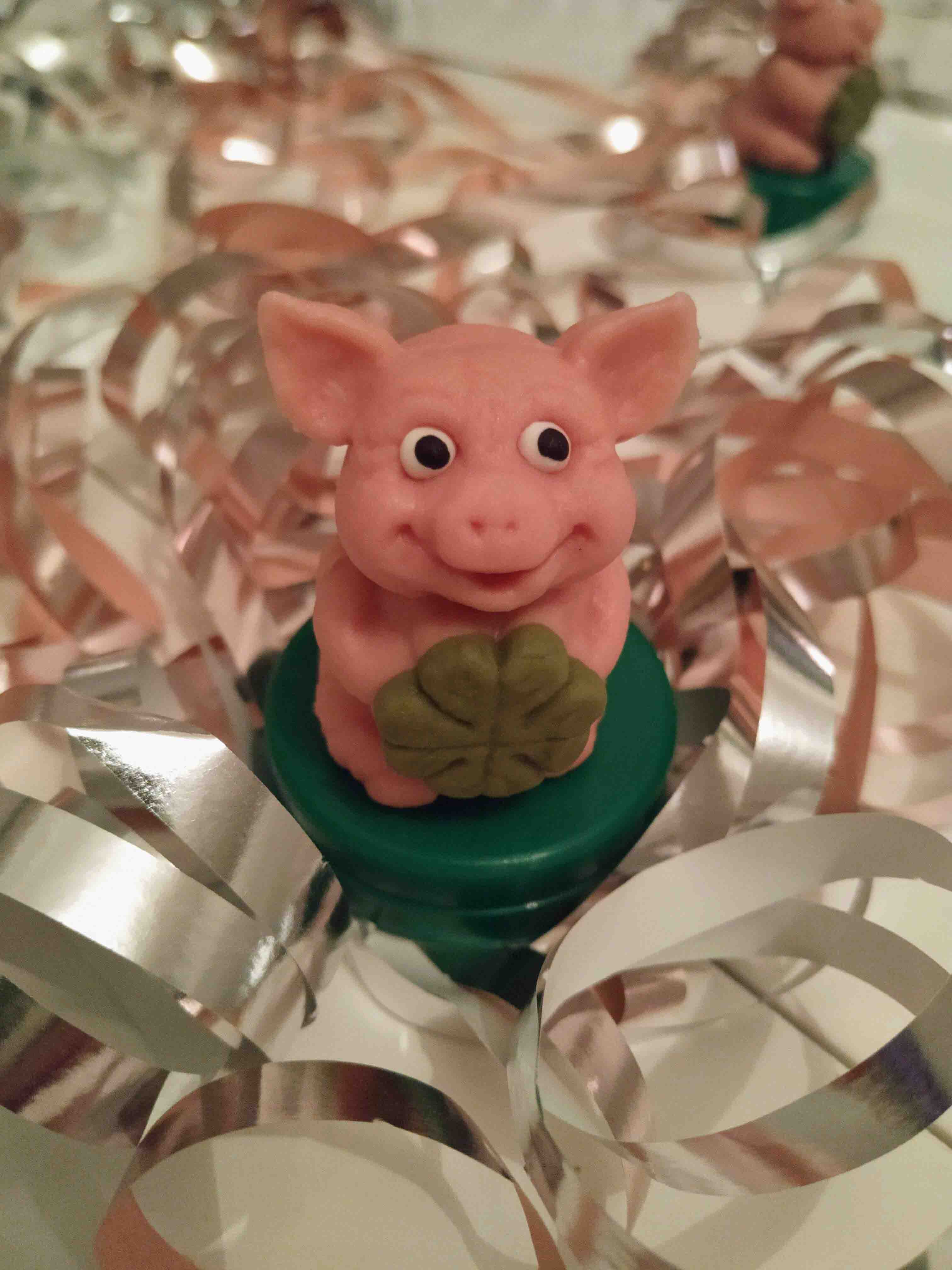
In Germany and Austria, pigs are considered symbols of good luck and prosperity. That’s why small marzipan pigs, known as Glücksschwein, are popular gifts around the New Year.
The tradition comes from the historical association between owning livestock and having wealth. A pig was once a valuable asset, so it naturally became a symbol of financial security and good fortune.
Today, these edible lucky charms are often exchanged with friends and family, sometimes alongside four-leaf clovers or other symbols of luck. You’ll also find them in bakeries and shops throughout the holiday season.
11. King Cake (France)
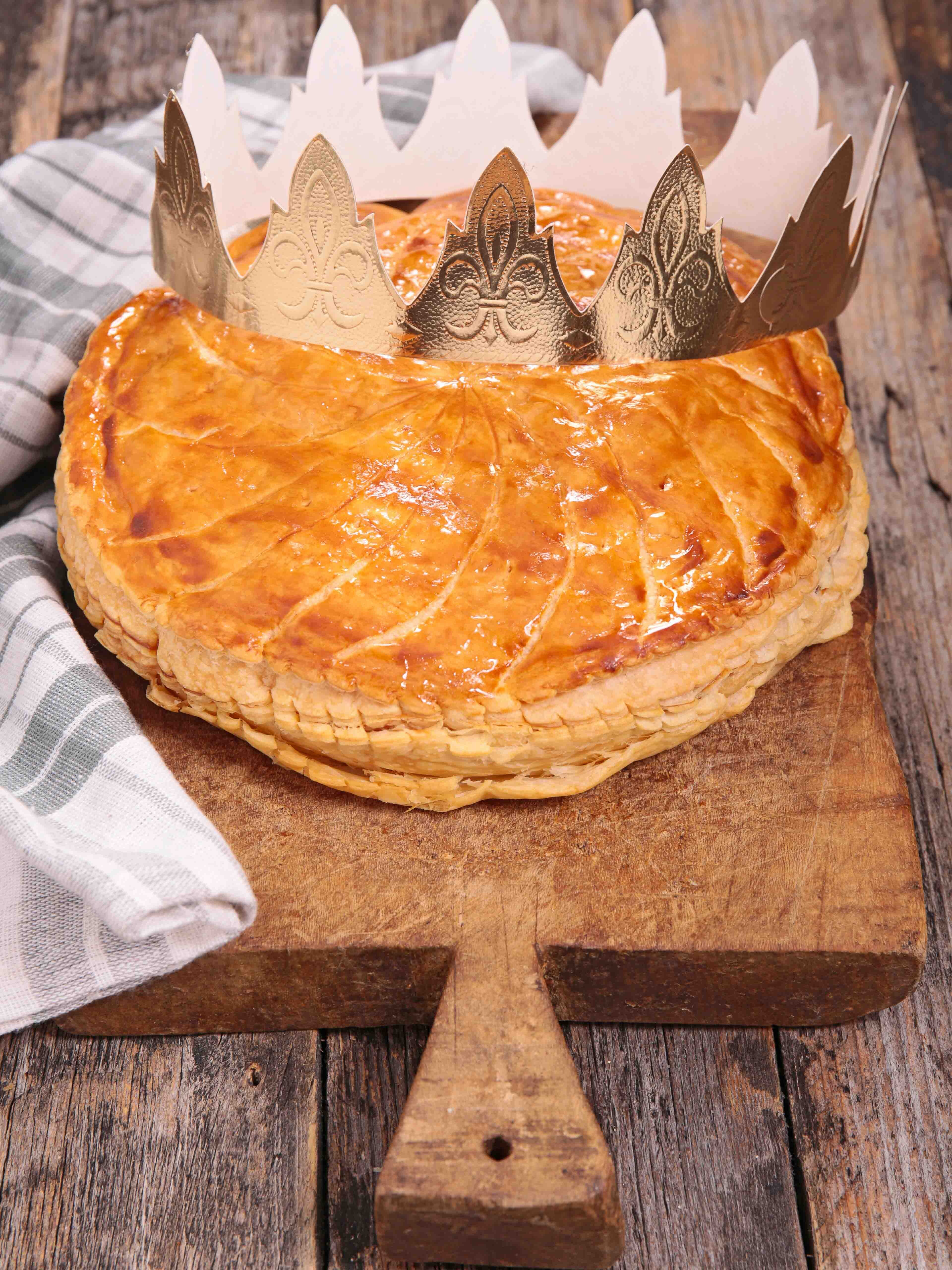
In France, galette des rois, or king cake, is traditionally enjoyed during Epiphany on January 6, with celebrations often extending throughout January.
The pastry is usually made with flaky puff pastry and a sweet almond cream filling. Hidden inside is a small figurine called a fève. Whoever finds it in their slice gets to wear a paper crown and becomes king or queen for the day.
Although it’s more closely associated with Epiphany than New Year’s Eve, galette des rois remains a popular part of the winter holiday season. Families and friends gather to share the cake, making it a fun tradition to enjoy at the start of the year.
A Fresh Start Worth Savoring
If you’re looking to add something different to your New Year’s celebration, why not try one of these traditions? You could make a pot of Italian lentils, prepare black-eyed peas for New Year’s Day, or set out twelve round fruits for your guests.
Whatever you choose, these lucky foods are a great way to explore new flavors, share a meal with loved ones, and start the year on a positive note.

PIN FOR LATER!
EXPLORE MORE FOOD





Some of the links on this post are affiliate links. These do not cost you extra to use, but will help provide Continent Hop with a small commission if/when you purchase through them, to recover some of the costs of running this website and providing free content to help you plan your travel. I appreciate your support!