
If there’s one thing about plotting a journey across several regions, it’s this: no matter how much you plan, something will nudge you off-track.
Honestly, travellers end up weighing more options than they expect: where to go, how much to spend, what to leave loose for a bit of fun. Some recent figures from TravelLocal—assuming numbers are your thing—suggest that in 2023, nearly two-thirds of multi-stop travellers didn’t stick to just a couple regions but hopped between at least three.
But anyway, planning tools on your phone make it a bit easier to keep up with whatever weather changes or last-minute local tips roll your way.

These days, adjusting an itinerary mid-trip isn’t the hassle it used to be. Weather shifts, pop-up festivals, or just a compelling dinner tip from someone at your hostel all seem to push folks to stray from the mapped-out plan.
If you’re making your own schedule, it probably helps to expect some juggling—timings, efficient routes, paperwork shuffles for borders.
Little details keep stacking up: finding a bed close to the train, sorting out which bus to take in the morning, figuring out when to eat (maybe not as straightforward after all), and leaving spaces in the schedule for when things don’t go to plan. Being over-prepared can stifle the mood, but a totally loose approach? Usually leads to headaches.
Striking the balance—some call it blending diligence with a spirit of improvisation—tends to make the trip more interesting than just ticking off points on a list.
Determine scope, priorities, and budget
No point pretending you can see everything. Multi-stop trips work better once you pin down what matters most to you. For some, it’s all about museums and cathedrals. Others lean toward hikes, river swims, maybe just focusing on a different pace altogether.
Start with the things you can’t imagine skipping—then cut or rearrange depending on how much ground you need to cover or how much time you can really spend in each spot.
There’s this Infinity Transportation survey from 2022 that puts the average at five cities in just over two weeks; cramming much more than that in might leave you remembering little else but train stations and airport lounges.

As for when to go, well, summer looks inviting but comes with crowds and steeper prices. Traveling during less popular times tends to stretch your funds and minimize your time standing in line, so that’s at least something to keep in mind.
Accommodations get even trickier: staying central or close to a transit hub will save time (and possibly your sanity) but often costs more—Boss Magazine tossed out an average price bump of about 18%.
Flights, trains, buses, endless snacks, the odd museum ticket, that time you zoned out in a café to decompress… add it all up while budgeting, and then go back and add a bit more, just in case.
Accommodation’s a puzzle, too: hotel, hostel, short-term rental, maybe a night train. Think about what works for your vibe and priorities.
Allocate buffer funds for last-minute experiences or local surprises. Online entertainment options, including streaming services and online poker, often supplement downtime when the day’s journey outpaces energy.
What you don’t want is to over-schedule everything, so it pays to sketch a loose framework for your spend, and tweak as the trip takes shape.
Plan routes efficiently and make key bookings

Chances are, nobody’s eager to spend half their vacation on the move instead of actually experiencing new places. grouping destinations by proximity helps cut out unnecessary backtracking—say, lining up Prague, Vienna, and Budapest in a row rather than bouncing all over the map.
There’s a figure (TravelLocal again) pointing to roughly a 13% drop in daily transfers just by plotting things out with mapping apps. Whether or not it’ll play out that neatly for you, the logic holds up.
For any jumps between farther-off spots, flights might actually save time—booking these earlier can help avoid paying extra.
Trains, particularly across Europe or spots in Southeast Asia, sometimes offer those multi-use passes, which add flexibility if plans shift halfway through. On the shorter legs, buses or charter coaches seem to dominate; a travel blogger’s 2023 survey found about a third of American travelers picked charter buses for regional trips.
And then, there’s always the patchwork of metro rides, trams, shared vans—local ways to cover that last stretch.

When it comes to booking: cement the main accommodation and core transport links ahead of time, but try not to fill every night. Leaving a couple nights unplanned per region can make space for whatever catches your fancy last-minute.
If online poker or similar downtime activities appeal, check Wi-Fi strength in your accommodations or transit options ahead of time.
Save your receipts, hotel confirmations, and train e-tickets somewhere easy to get at on your phone (but also back up important bits elsewhere). And yeah, the fine print—double-check what paperwork or visas you’ll need, because border rules seem to change with little notice these days.
Manage logistics, documents, and contingency plans

The paperwork side of things isn’t anyone’s favorite, but skipping it often leads to stress later.
Apparently, TravelLocal found that nearly half of major delays on multi-region trips actually traced back to forgotten documents or misunderstood visa stuff. That might sound dramatic, but it’s surprisingly common.
So, triple-check what’s needed for everywhere you’ll visit (including stopovers), and don’t forget things like health forms or tickets out of the country, if those are required.
Packing-wise, it pays to think of backups. Some travellers swear by keeping both physical and digital copies of essentials: passport, tickets, insurance, any emergency contacts scribbled somewhere.
Losing a phone is bad enough; losing all proof of who you are is far worse. Power adapters, enough local cash for the first day or two, translating apps—it’s the little missteps that can really slow you down.
With connections and crossing borders, building in bigger windows for transfers makes a difference. Most experts seem to say ninety minutes or so between key travel connections is safer than risking your trip on tight margins.
Something probably will run late; it might be worth sketching out what you’d do if you missed a train or flight, instead of leaving it to chance. Staying connected—via eSIM or reliable roaming—definitely removes some panic when plans change mid-trip.
Oh, and don’t overlook travel insurance that actually covers the places you’ll be; not all plans are as flexible as the journeys themselves.

Maximize enjoyment and spontaneous exploration
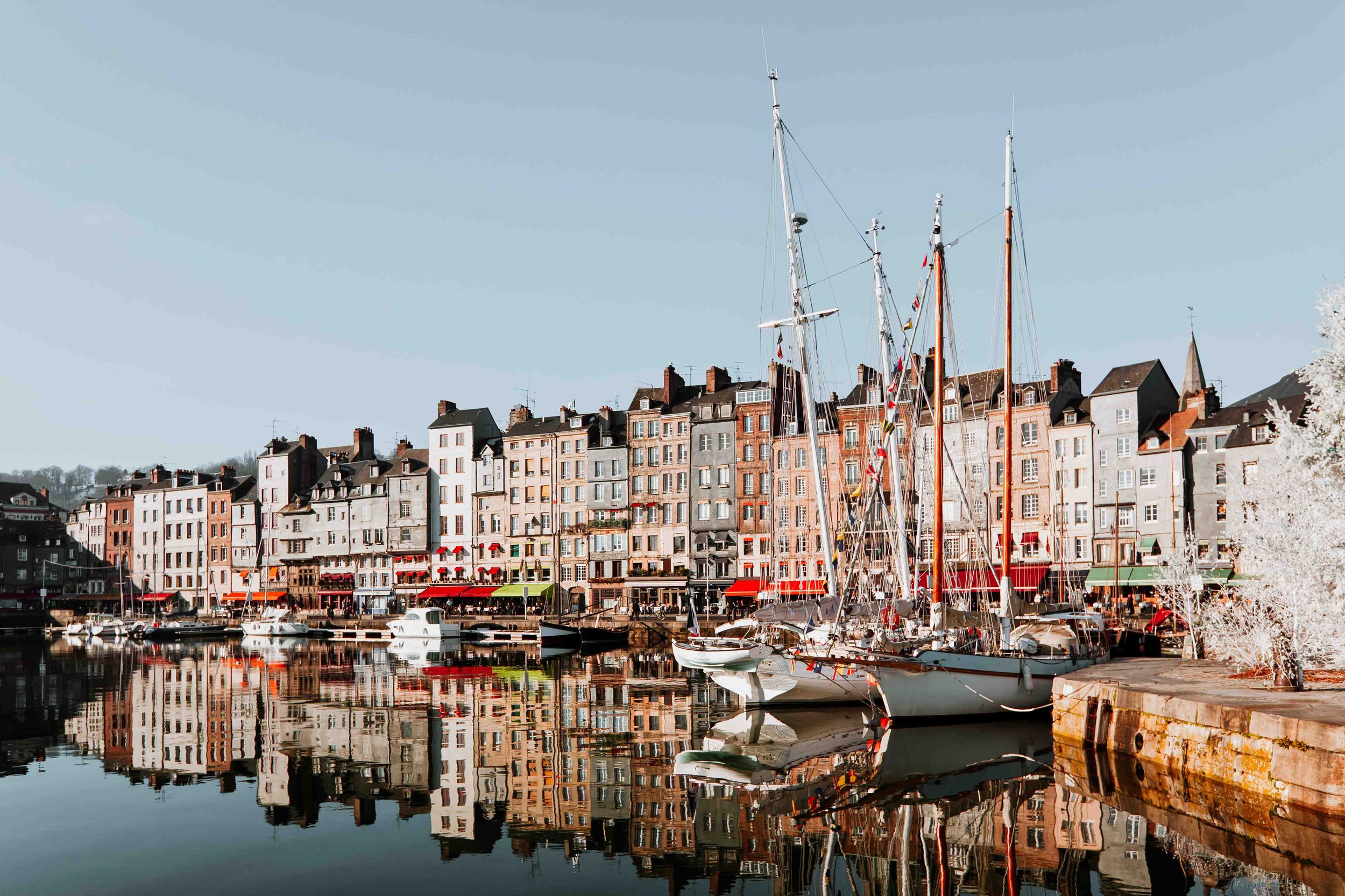
There’s this temptation to plan your days down to the minute, especially when every location promises some “must-see” sight. Still, it turns out trips with open space for impromptu exploring tend to leave a stronger, happier impression—TravelLocal noted a decent bump in reported satisfaction for these less rigid itineraries.
One day in each spot, left wide open, sometimes ends up being the highlight: a winding walk through a neighbourhood, a market you stumble upon, just sitting at a café and watching things unfold.
Online forums and real-time local recommendations are increasingly shaping where people wander. Guided tours sometimes pop up as the surprise highlight, showing off spots only locals know about.
Try a festival or cooking class if the chance comes up, or join a cycling group in a new city—these grounded experiences tend to stick more than a checklist’s worth of monuments.
On transit days, relaxation can take priority (and maybe a little screen time as a break or catching up with practical stuff). Some travellers use these moments for online hobbies or social games like poker, while others journal or edit photos.
Striking up conversations with other travellers, you might find your route flipping unexpectedly, or making connections that shape what comes next. Save some room for decisions on the fly; after all, the best stories usually aren’t the ones you planned for back home.
All of which is not to say you can wing everything—mixing deliberate choices with just enough openness tends to work best.
Prioritizing, simplifying the tough logistics, but leaving a sliver of space for chance, it seems that’s where real travel memories come from. And no journey, really, ever lands where you thought it would at the start.


PIN FOR LATER!
EXPLORE MORE OF EUROPE









Some of the links on this post are affiliate links. These do not cost you extra to use, but will help provide Continent Hop with a small commission if/when you purchase through them, to recover some of the costs of running this website and providing free content to help you plan your travel. I appreciate your support!