
Spain in 2026 is redefining travel with a shift toward slower, more meaningful experiences over rushed itineraries. From wellness-focused living to small-town exploration and flexible road trips, it reflects a growing desire for ease, authenticity, and balance while travelling.
Every year, new travel trends claim they’re going to “change the way we travel”, but to me, 2026 feels different — and from everything I’ve seen and researched, Spain is right at the heart of these new movements. It’s the destination everyone is obsessed with right now, not just for its weather and food but for its way of life.
After my travels this year, from talking to locals, scrolling through Twitter, and simply observing how people behave on holiday, I’ve noticed one thing: we’re exhausted. Not just from our 9–5s, but mentally overloaded by getaways that feel more like a Formula One race than a break.
I mean, three days to “discover” a whole city is already insane… but the real overachievers are the ones trying to see an entire country in five. All the cities, all the landmarks, all the “hidden gems”, basically at the speed of light. It’s unrealistic, it’s exhausting, and honestly, it’s not great for the environment either — something younger generations really care about.
Multiple studies show that the way we choose destinations, plan holidays and pick activities is shifting dramatically as we enter 2026. And Spain, with its culture, food, and slower rhythm, is setting the tone for what travellers are craving next.
All of this made me want to investigate. Are people genuinely enjoying travelling this way? Personally, I think it’s become an “I’ve-seen-more-of-the-world-than-you” competition, not because we actually want to rush around. People keep saying they come back stressed, overstimulated, and with toes that look like they’ve been doing ballet for years.
So collectively, it seems we’ve decided: the way we travel, especially in Spain is changing, it’s reshapìng. Here’s what 2026’s travel trends in Spain are looking like:
Slow Travel
Predicted to be one of the strongest travel trends of the year, slow travel has exploded across both older and younger generations. We’re all tired of itineraries that require five thumb-scrolls just to get through Day One. Brits especially are now booking longer stays in fewer destinations — choosing relaxed, peaceful trips where you actually get to know a place rather than speed-running it.
Slow travel gives meaning to your trip. You can talk about a city like you genuinely understand it — not just the big sights, but the neighbourhood cafés, the quiet streets, the people. You’ve had time to blend in a little, feel the rhythm, actually exist there instead of just passing through.
We need time to walk, eat, breathe, explore… and honestly, time to go to the loo without rushing.
Wellness & Organic Food
Spain consistently ranks among the countries with the highest life expectancy, and honestly, it doesn’t surprise me. Seeing the cultural differences between the UK and Spain — especially around food and routine — still catches me off guard.
One of the biggest things you notice is the complete lack of a mealtime rhythm in the UK. Brits eat at whatever time, dinner plans change every day, sometimes lunch is skipped entirely, and ready meals have basically become a food group. Compared to Spain, it feels chaotic.
In Spain, they eat at the same time, they sit together, and they eat well. And it’s not just the Mediterranean diet, it’s the psychology behind it.
Meals mean conversation, decompressing, and sharing life. It boosts serotonin in ways a rushed solo dinner in front of Instagram reels never could.
And don’t get me wrong: they’re not saints. There are carajillos, endless coffees, cigarettes, and wine-with-lemon mixes (especially with the older generation). But these tiny rituals genuinely reduce stress. They slow you down. Spaniards were romanticising life long before it became a TikTok trend, and half the time they didn’t even realise they were doing it.
These little routines make everything feel less frantic. It’s enjoyment, not guilt.
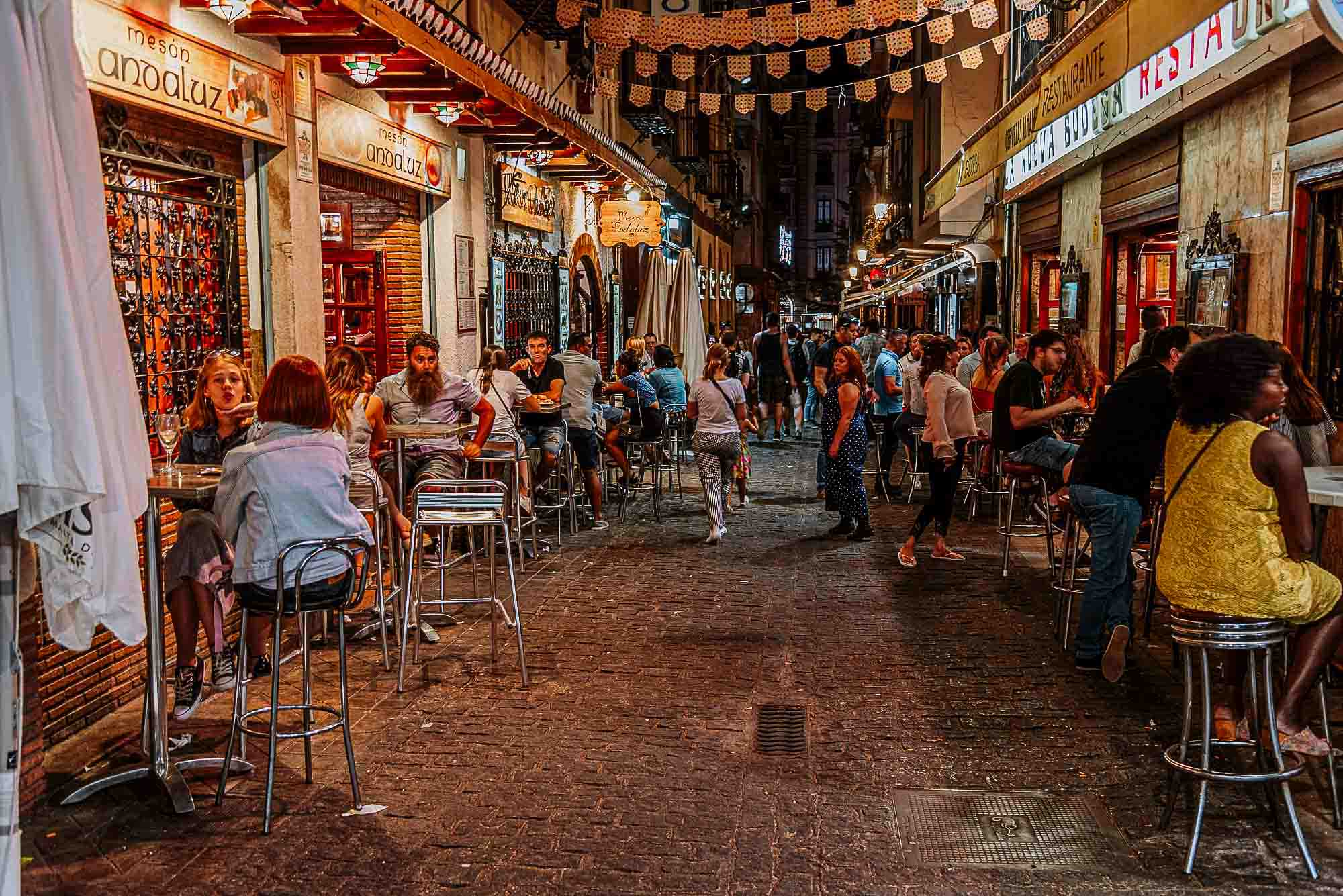
Food is fresher and more organic too. People shop at local markets and cook with real produce. Add the sea, the clear skies, and the feeling of waking up somewhere that actually breathes peacefully. Streets are designed for people, not massive cars, so walking becomes part of daily life. And when they’re not walking, they’re sitting at a bar, having a drink, talking, socialising.
There’s life everywhere, and that, to me, is the new wellness, what used to simply be called “living”. This is what society wants moving forward and Spain is where you find it effortlessly.
Being content with what’s around you. Enjoying your routines. Choosing connection over perfection. Not forcing yourself into a strict diet and a 6 a.m. burnout gym session just to feel “healthy”. Exercise is great, of course, but so is a calm, happy mind that isn’t constantly chasing the next rule.
Local villages & small Spanish cities
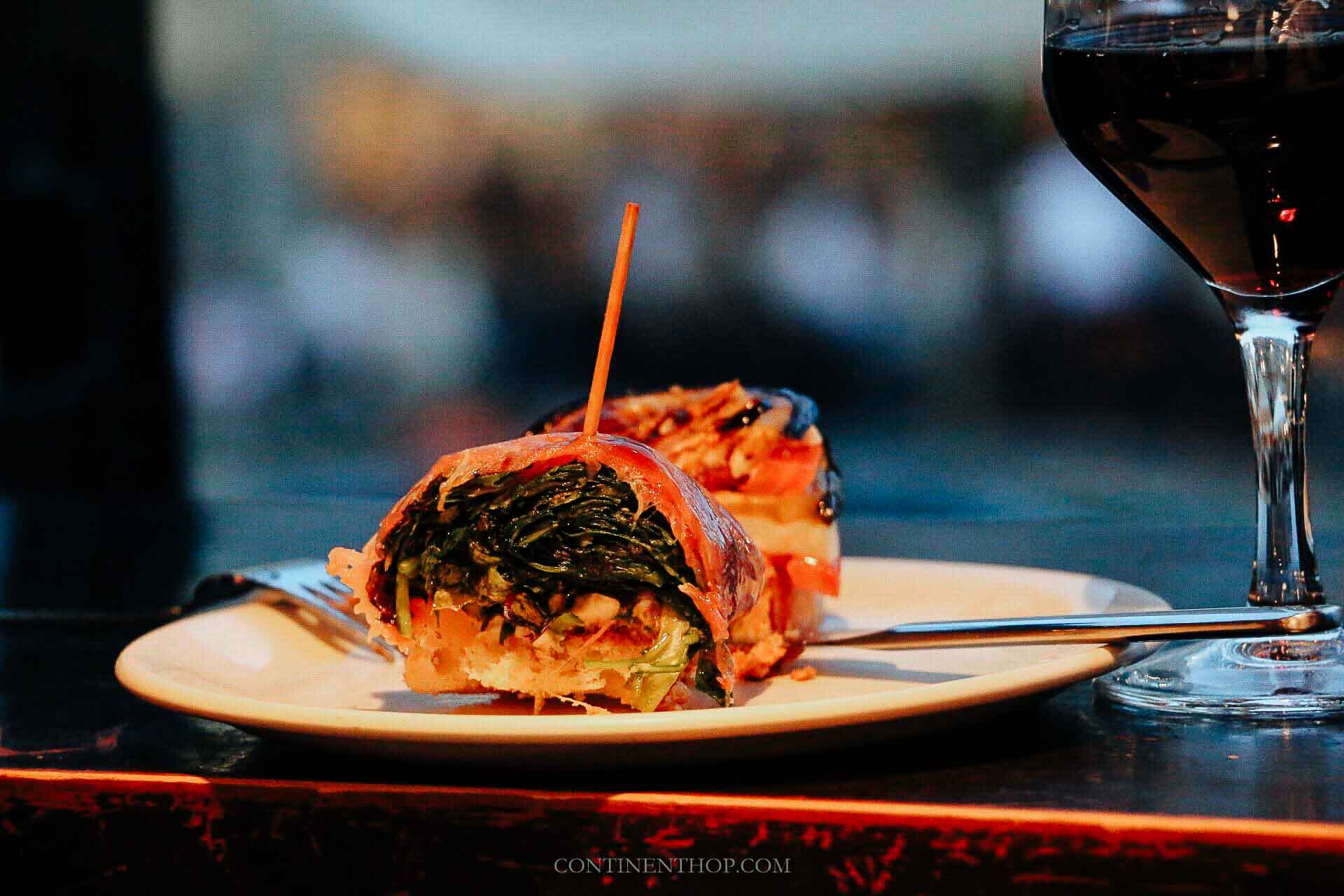
Big cities make you feel like you always need to rush somewhere. But in Spain’s small towns, places like Frigiliana, Altea, Peñíscola, Salobreña, Estepona, or even in the tiniest whitewashed villages in Andalucía, all you want to do is exist. Altea has that calm, artistic old town that feels like a painting; Peñíscola offers a castle rising straight out of the sea, and honestly, every one of these places has its own charm waiting to be discovered, and most of them are completely overlooked by tourists rushing to the interior of the country.
Quiet coastal gems like Alcossebre and Benicassim bring that soft, peaceful, local vibe that feels untouched — but if you’re more of a mountain person, the north is full of treasures too. Tiny Asturian villages like Cudillero offer some of the most authentic corners of Spain.
These towns haven’t really changed in decades, which means every corner has its own personality: a splash of colour on a faded wall, a hidden mural, an old lady watering her plants, a bar with checkered tablecloths that hasn’t changed in 40 years. Nothing looks copy-pasted. Everything has a soul.
TikTok is obsessed with this aesthetic. People are romanticising places that aren’t modern or polished, but full of life, colour, quiet art, and daily rituals. Towns where kids still play in the plazas, where neighbours talk across balconies, where the scenery isn’t endless brick walls but layers of history.
This is exactly why 2026 travel is shifting. Travellers want peace, authenticity, and places that feel lived-in — not overcrowded capitals where every street looks the same. The trend is moving towards the smaller, the simpler, the soulful, the artistic.
AI & Decision Fatigue
We’re overwhelmed — especially when it comes to making decisions, and even more so when that decision is choosing a holiday. Endless evenings comparing flights, prices, restaurants, activities, weather, reviews…
Planning a getaway now feels like doing homework you absolutely don’t want to do.
That’s why comparison tools have quietly become essential. They do the heavy lifting in minutes, without you juggling 50 tabs and an overheating laptop ready to explode DoYouSpain has become my go-to — they compare hundreds of hire car suppliers so you always get the ideal car and the best price on the market.
Then AI steps in. When we travel, we don’t want a million options — we want the right one, and we want it now. Personalised suggestions, tools that organise the admin, itineraries that build themselves… it feels like a holiday before you’ve even booked one.
Ironically, we’re craving slow, meaningful, peaceful, organic experiences, yet we want AI to plan everything in under five minutes. The contrast is hilarious.
Hiring your own car and road trips
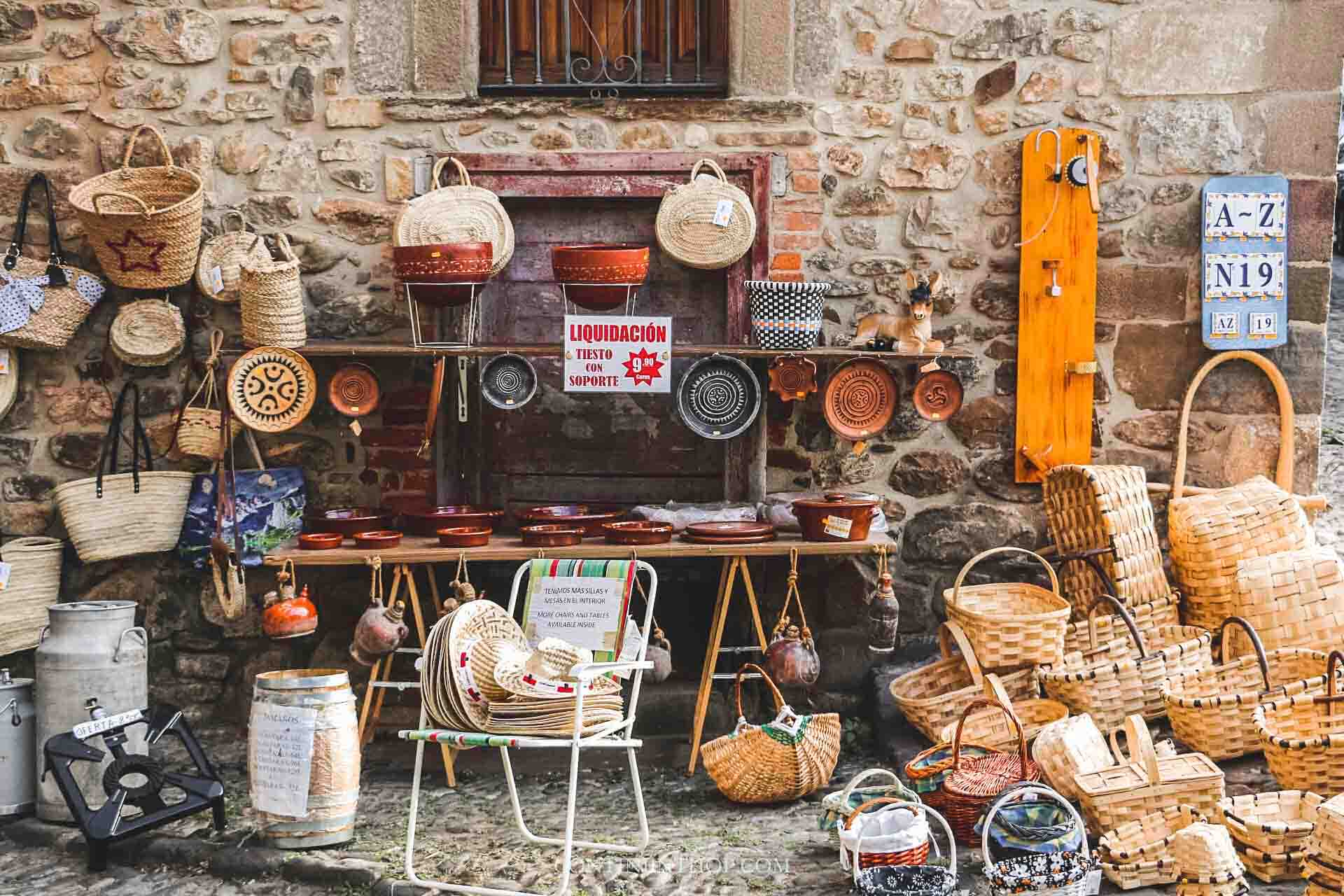
2026 is quietly becoming the year of the road trip. Renting a car means no packed buses, no delayed trains, and no standing shoulder-to-shoulder with strangers while accidentally inhaling whatever they had for lunch… yuck. When you’re already out of your comfort zone in a new country, it makes sense to want your own space, your own privacy, and your own rules.
And it ties right back to wellness. Road trips feel freeing — we’ve all seen it in every American movie. Maybe don’t stick your head out the window (safety first), but you can absolutely blast Sabrina Carpenter’s new album… or go full Spanish vibes with Melendi, who genuinely sounds like he writes half his hits from the passenger seat — and take the scenic route just because it’s pretty.
It’s independence, nostalgia, and moving entirely at your own pace.
With hire-car prices at some of their lowest in years, it’s now accessible to nearly everyone. And if you’re travelling around Spain in particular, having a car unlocks everything public transport barely touches: wild beaches, mountain passes, and tiny villages that feel frozen in time. With DoYouSpain, you can filter your search to find the exact vehicle you need. Travel in 2026 is all about exploring at your rhythm, not someone else’s timetable.
Sooo…what does all of this actually mean for 2026 travellers?
I’ll go straight to the point: 2026 is the year we collectively stop pretending we enjoy stress. If travel next year means long lunches, quiet towns, slow mornings, fewer decisions, and holidays that finally feel like holidays… then honestly, 2026 might just be our best year yet.

PIN FOR LATER!
EXPLORE MORE OF TRAVEL


Some of the links on this post are affiliate links. These do not cost you extra to use, but will help provide Continent Hop with a small commission if/when you purchase through them, to recover some of the costs of running this website and providing free content to help you plan your travel. I appreciate your support!