
Madrid blends grand architecture, vibrant neighborhoods, and late-night culture into a city that feels both lively and lived-in.
These essential tips help you navigate when to visit, where to stay, and how to experience the city like a local.
Few European capitals match Madrid when it comes to authenticity and vibes. It’s a place of grand palaces and world-class museums but also boasts inviting neighborhoods that make every visit feel like a stay with a friend. Authentic cuisine and nightlife that goes on well past dawn only sweeten the deal.
Made up your mind about visiting? Here are seven essential things to know before starting your trip!
PLANNING YOUR MADRID TRIP | THE ESSENTIALS
1. When to Visit
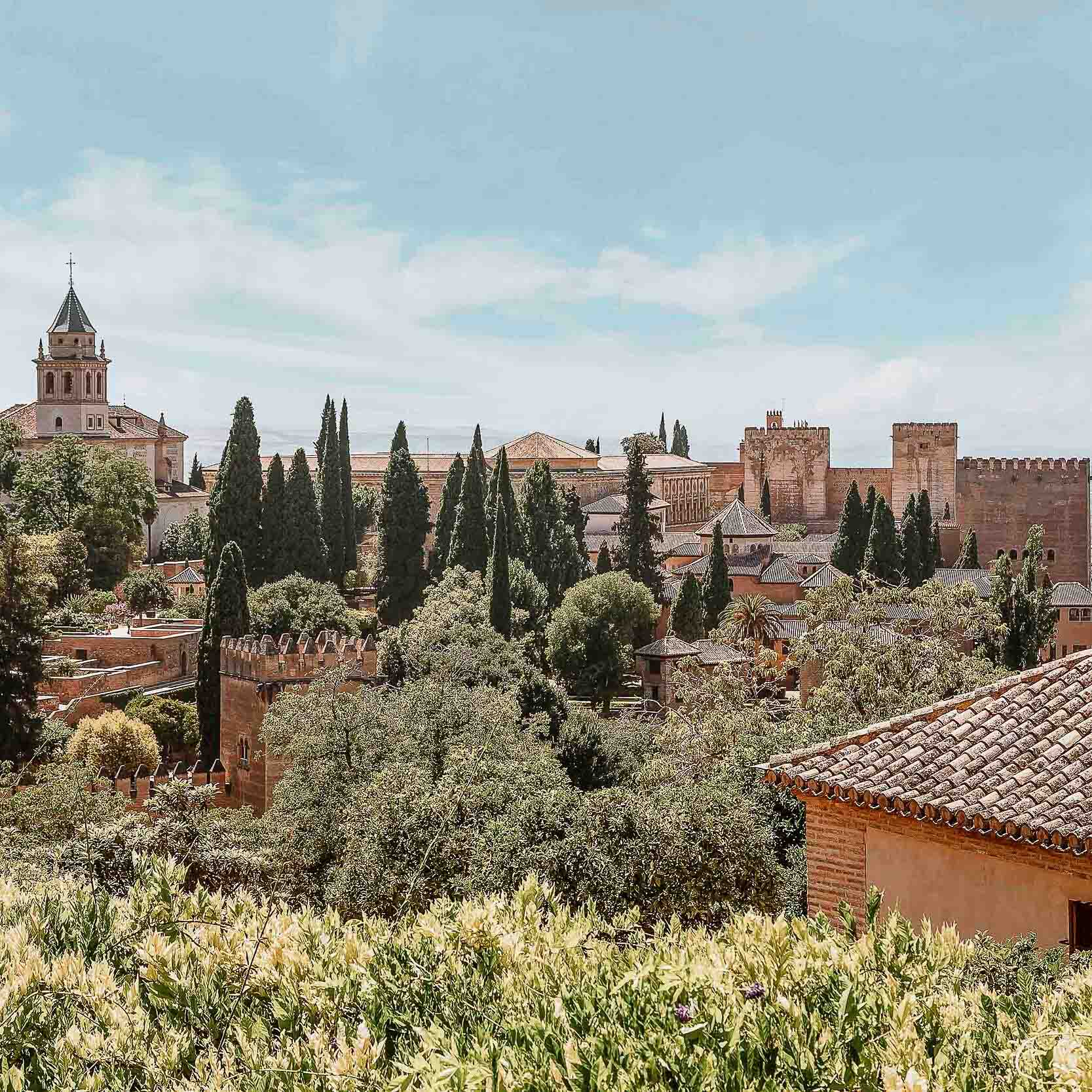
Madrid’s Mediterranean climate and active calendar make it a worthwhile destination whichever time of year you prefer. That said, different seasons bring different delights.
Summer is when the city is at its hottest and most crowded. Great if you’re into art and music festivals or want to dance the night away after some rooftop terrace pregaming. Meanwhile, spring and autumn are ideal if you want to avoid jostling crowds when taking in the museums and prefer balmy temperatures over sweltering midsummer heat.
Even winter has its charm. Madrid gets cold, but not uncomfortably so, and a sprawling Christmas market makes sure there’s no reason for slumber.
2. Transportation Options
Adolfo Suárez Madrid–Barajas is closer to the center of Madrid than many other European airports. Visitors who pack a lot of bags can most comfortably reach the inner city by bus or taxi/rideshare. If you don’t have that much to lug around, the metro or a Cercanías train can take you to the city center in as little as 20 minutes. The metro is cheaper, but the train is faster, so it’s up to you.
They’ll drop you off inside the Atocha complex, Madrid’s main train station and central transport hub. From there, it’s easy to take the metro, bus, or explore on foot. Consider getting a 10-ride card or even a tourist pass for the metro to save money if you know you’ll be using it frequently. Atocha is also where you’ll be departing from if you take daytrips to nearby Toledo or El Escorial.
3. Staying Connected & Navigating the City
Since Madrid is the capital of a developed European country, staying in touch isn’t an issue. Your hotel or Airbnb will likely have Wi-Fi, as will most restaurants and even metro stations. Whether you’ll want to brave the associated security risks is another matter. You can always activate an eSIM plan for Spain before leaving and take advantage of excellent local mobile coverage, so Wi-Fi hunting doesn’t even have to come up.
It’s a good idea to download the official Metro de Madrid and Cercanías apps for up-to-date schedules and maps. Speaking of, you’ll want to save an offline map of Madrid to your phone, just in case. Finally, make sure to keep your phone’s battery high. Bring a universal charger and back it up with a power bank to avoid running out of juice.

4. Where to Stay
You wouldn’t want to waste too much time on getting around as a first-timer. It’s best to stay in a neighborhood that’s close to Madrid’s main attractions or is itself bustling with life. Here are the best neighborhoods split into three categories:
- Centro, Sol, and La Latina – The most convenient and walkable neighborhoods perfect for newbies. Centro and Sol are at Madrid’s heart, touristy, and a stone’s throw away from the most iconic landmarks. La Latina is a bit farther out but still well within walking distance.
- Malasaña and Chueca – Still close to the city center but distinctive in their aesthetic and vibes. If you’re into street art or prefer snug vintage shops over bustling restaurants, then Malasaña is your jam. Chueca is both historic and inclusive, offering a dynamic blend of plazas, boutiques, nightclubs, and street life popular with the locals and guests alike.
- Salamanca – The neighborhood to claim if you’re keen on experiencing Madrid’s more luxurious side. Salamanca is more removed than the others, yet closer to most of the
city’s museums. It offers quiet walks, luxurious shopping along the Golden Mile, and an upscale dining experience.
5. Meals & Tipping Culture
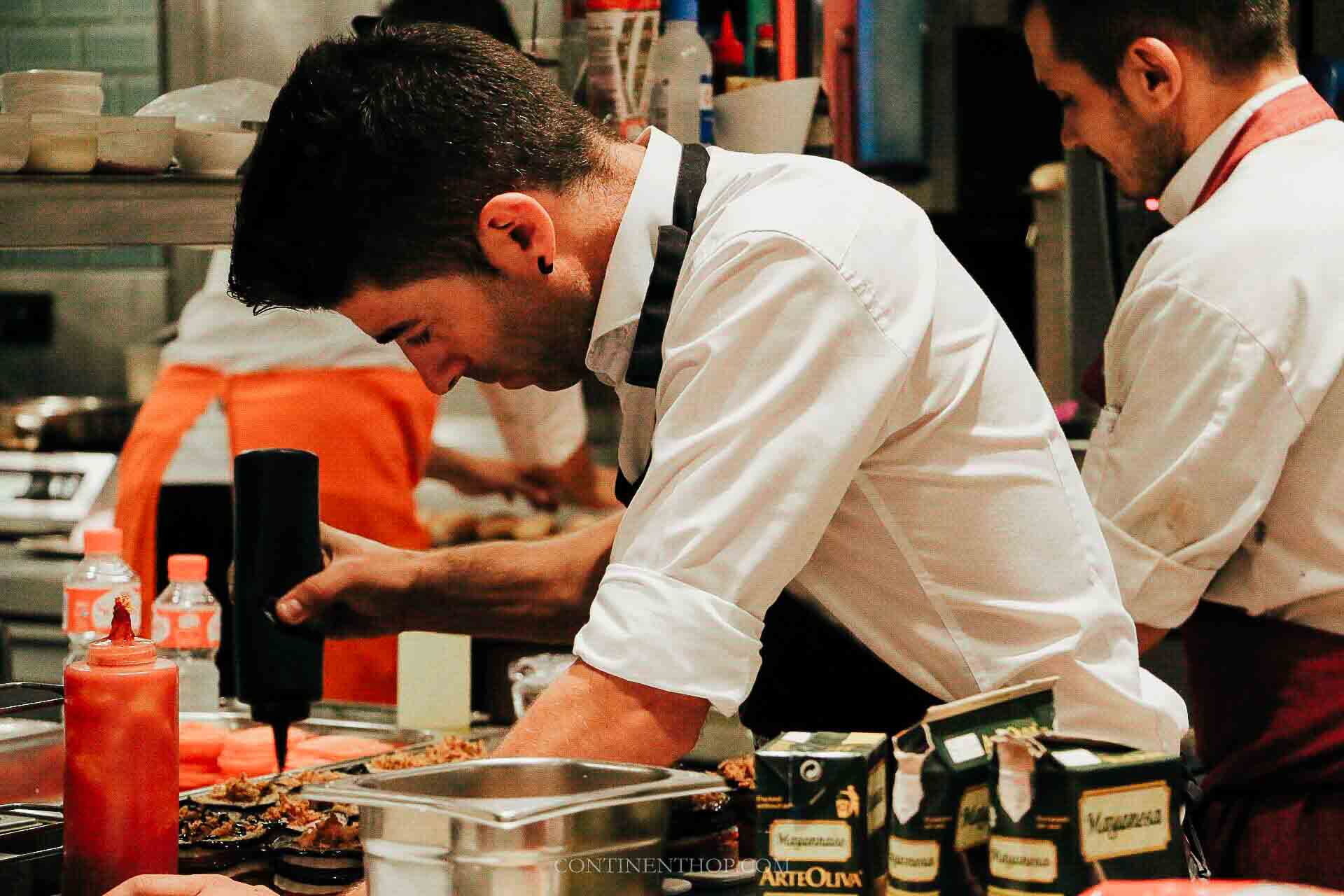
Madrid’s residents have a unique meal culture that you might find strange at first but should embrace for an authentic culinary experience. Lunch usually isn’t served before 2 PM and can go on for a couple of hours. Those times coincide with the siesta, so shops might be closed for a midday break. Dinner is served late, too, around 9 PM.
While Madrid is renowned for nourishing stews, it also has a vibrant tapas culture. Think of tapas as light dishes that can be simple snacks on their own or combined to create diverse, flavorful meals. Locals love hopping bars and taking in the tapas each is known for, rather than eating full-course meals in one place.
Tipping isn’t a cultural norm, but it’s appreciated. Just rounding up your bar tab or taxi fare is perfectly fine. You can always reward excellent service, though — 5-10% of the bill should cover it.
6. Language Basics
English is generally understood and spoken in Madrid, especially in touristy areas, which also offer bilingual signage. You’ll have no trouble talking to service staff or making friends among the city’s younger population.
That said, you’ll want to brush up on your Spanish or learn a few common phrases for a smoother visit. Older folks may not understand English. Also, street names and menu items in local haunts tourists don’t flock to may only be in Spanish. Even just hola and gracias go a long way.
7. Things to Avoid
Finally, here’s a quick-fire list of things you’ll want to be mindful of or avoid during your visit:
- Don’t ignore the heat! Temperatures can shoot up into the mid-90s during summer, so pace yourself and avoid going out during peak daytime hours.
- Public Wi-Fi is as convenient as it gets, though you might not always be so lucky to find a hotspot. Don’t overlook connectivity alternatives, and give the best eSIM you can get your hands on a try.
- Book tickets to major museums and landmarks ahead of time, or else you might not get in. Also, research places like the Prado and Reina Sofía Museum to better appreciate the treasures within once you’re there
- Food in restaurants and bars in iconic spots like Plaza Mayor and Puerta del Sol is more expensive due to the location, not necessarily better or tastier. Going a few streets in or asking the locals for their favorite spots will give you a more authentic experience.
- You’ll want to cover up and dress modestly when appropriate, especially when visiting churches and cultural sites. Leave swimwear for the beach and pool.
- While crime is generally low, pickpockets and scammers still prowl Madrid’s touristy areas. Take proper precautions and always be aware of your surroundings.

PIN FOR LATER!
EXPLORE MORE OF TRAVEL




Some of the links on this post are affiliate links. These do not cost you extra to use, but will help provide Continent Hop with a small commission if/when you purchase through them, to recover some of the costs of running this website and providing free content to help you plan your travel. I appreciate your support!