
Christmas Eve looks different depending on which part of the world you hang your stocking in. While in some parts, families gather for a quiet night of prayer and reflection, in others they throw a feast that lasts well past midnight.
Italy’s seafood-laden tables and Japan’s unexpected love affair with fried chicken, amongst other traditions, reveal just how diverse and delicious the holiday season can be.
This list takes you on a journey through ten unique Christmas Eve customs from around the globe. You will find new dishes to your holiday table and about how other cultures celebrate.
Let’s take a trip around the world, one Christmas Eve tradition at a time.
1. The Feast of the Seven Fishes (Italy & Italian-America)
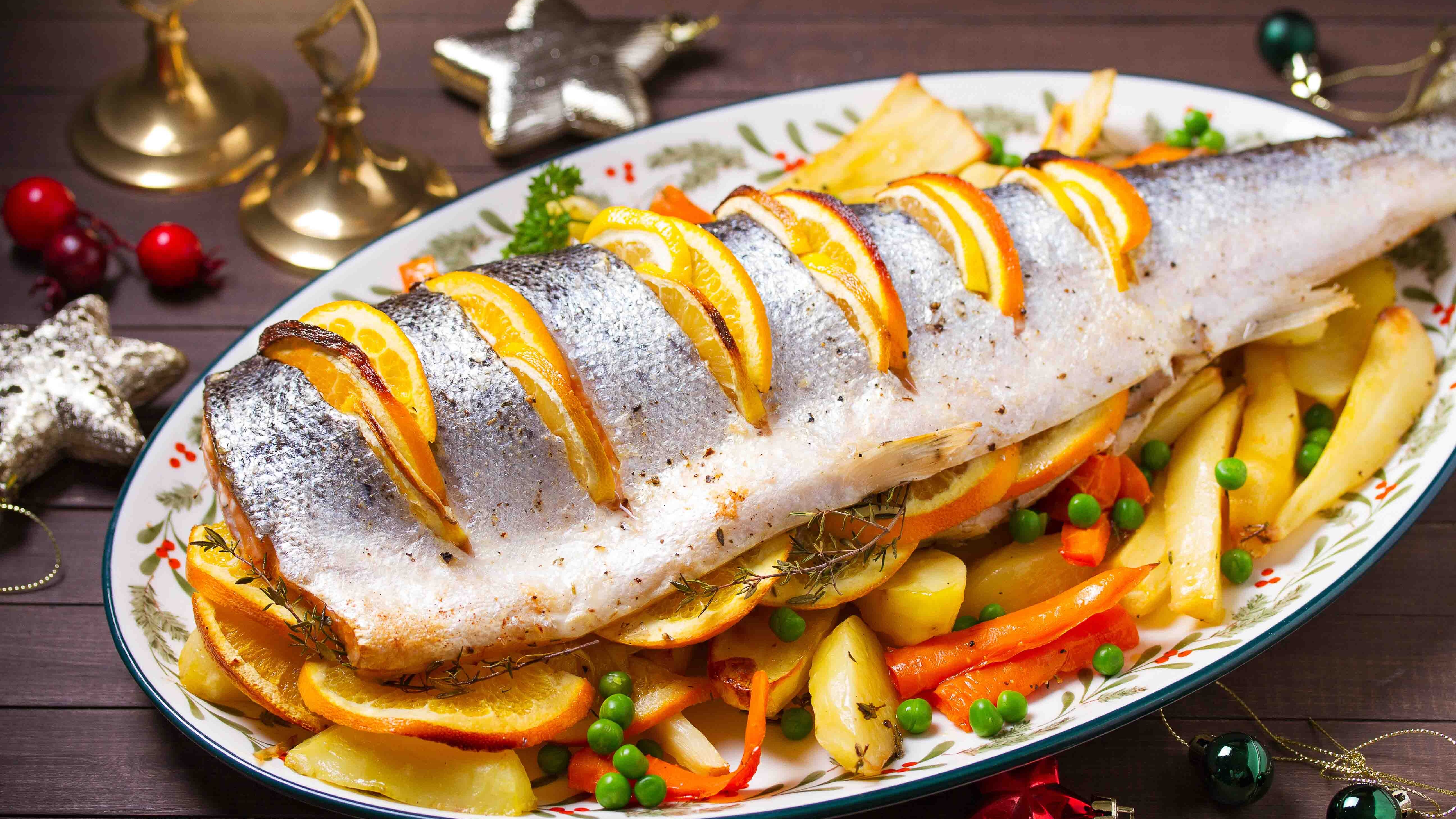
In Southern Italy, Christmas Eve means one thing: fish, and lots of it. The Feast of the Seven Fishes, known as La Vigilia in Italian, traditionally includes seven different seafood dishes served over multiple courses. The number seven is considered to represent the seven sacraments of the Catholic Church, though some regions serve nine, eleven, or even thirteen dishes depending on local custom.
This feast can include dishes like baccalà (salted cod), calamari, shrimp scampi, and clams in a garlicky white sauce.
These traditions were brought to the United States by Italian immigrants in the late 19th and early 20th centuries, where it took root in Italian-American communities, particularly in New York and New Jersey. Today, the feast remains a beloved way to abstain from meat before Christmas Day while still indulging in an extravagant, multi-course meal.
2. Tamales on Christmas Eve (Mexico & Latin America)
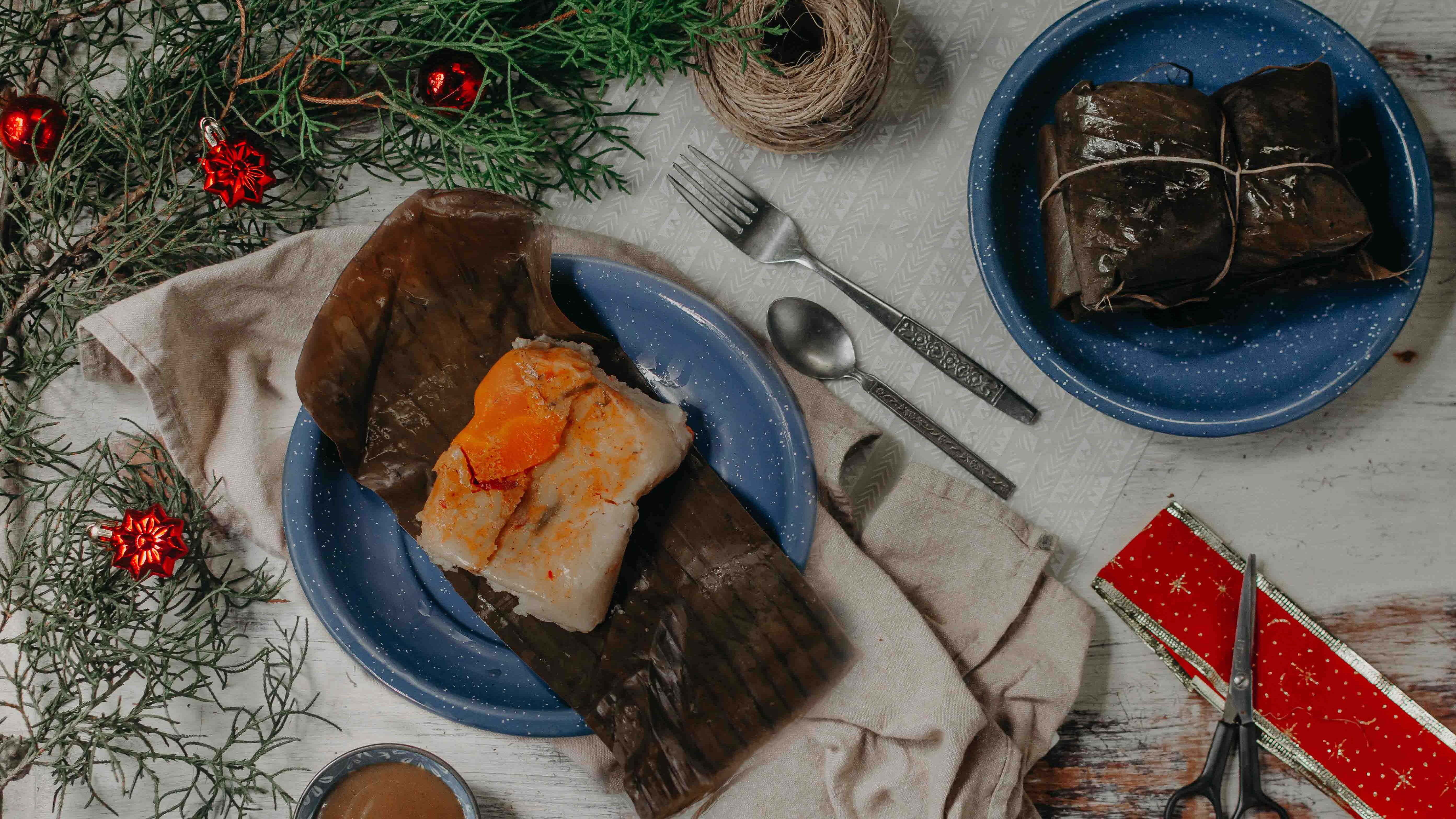
Across Mexico and much of Latin America, Christmas Eve or Nochebuena, is synonymous with tamales. Families often gather days in advance for a tamalada, a communal tamale-making party where relatives work together to spread masa, fill it with meats or cheeses, and wrap each tamale in corn husks or banana leaves.
The process is as much about togetherness as it is about food. Grandmothers pass down recipes to younger generations, and the kitchen becomes a hub of laughter and storytelling. Once midnight arrives, families sit down to eat tamales alongside other Nochebuena staples like bacalao (salted cod stew) and ponche navideño, a warm fruit punch. In many households, the meal is followed by midnight Mass, known as Misa de Gallo.
3. KFC for Christmas (Japan)
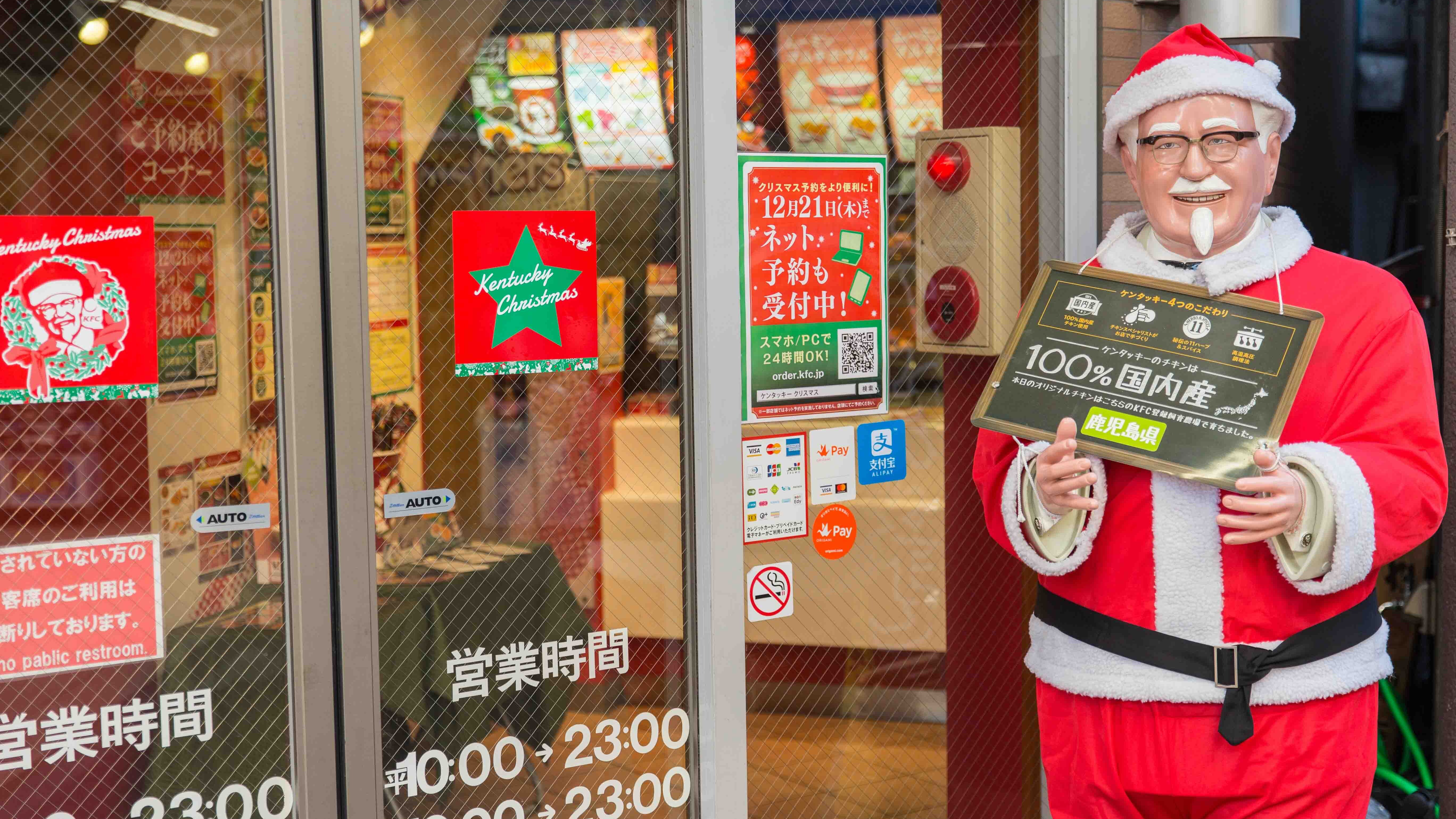
One of the more surprising modern traditions comes from Japan, where fried chicken, specifically from KFC, has become a Christmas Eve staple. The trend dates back to a hugely successful 1974 marketing campaign called “Kentucky for Christmas,” which capitalized on the fact that Japan has no strong Christian population or traditional Christmas food.
Today, families place orders for KFC’s holiday “Christmas Chicken” buckets weeks in advance to avoid long lines, with some stores even accepting reservations months ahead of time. It’s estimated that Japan sells around 3.6 million buckets of chicken during the holiday season, making it one of the most successful marketing campaigns in the world.
4. Noche Buena Feast (Philippines)
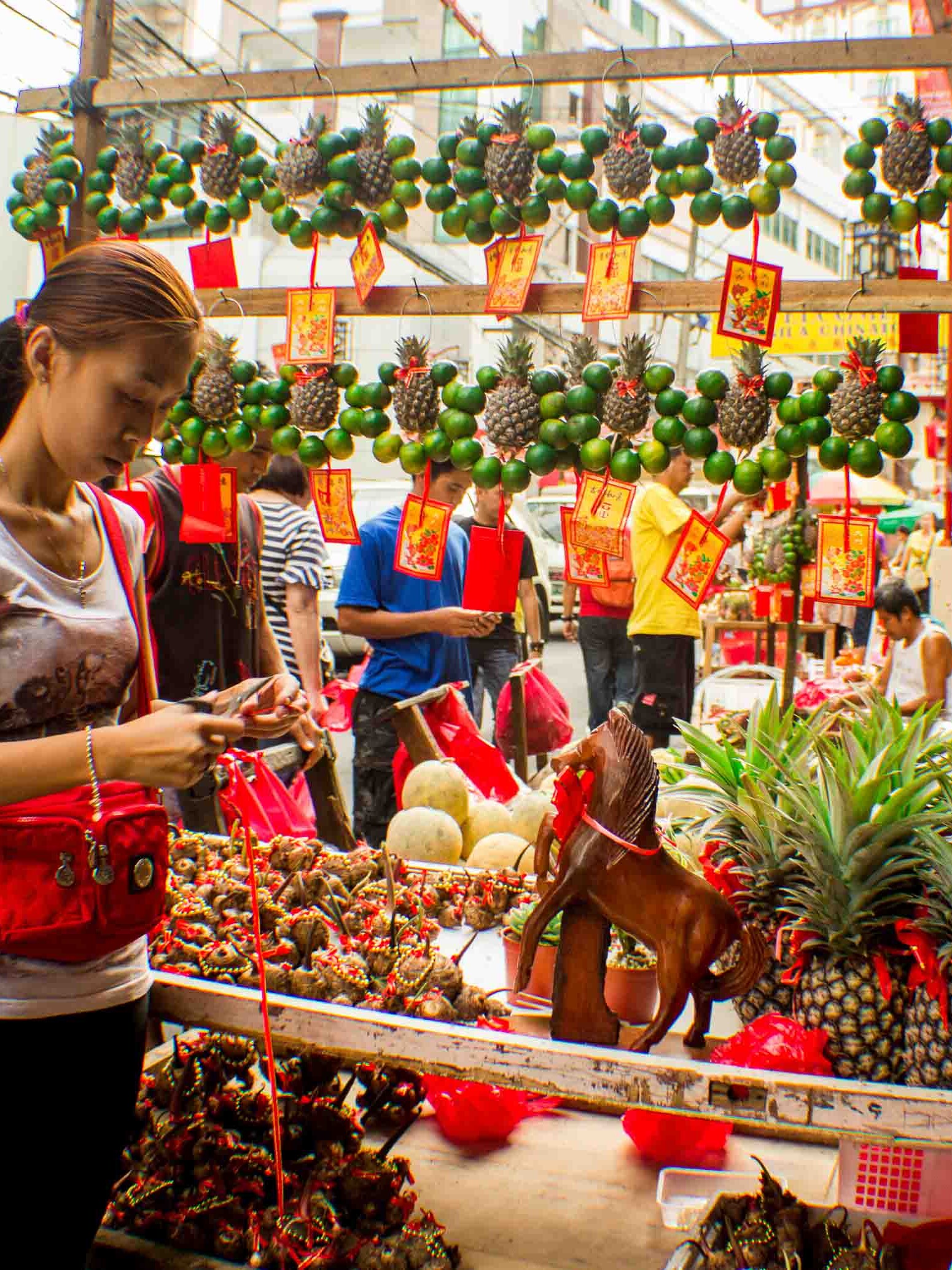
In the Philippines, Christmas Eve is marked by Noche Buena, a midnight feast following Simbang Gabi, a series of dawn Masses leading up to Christmas. Tables are often piled high with lechon (whole roasted pig), queso de bola (a ball of Edam cheese), and sweet spaghetti made with banana ketchup and hot dogs, a uniquely Filipino twist on the Italian classic.
Families stay up until midnight to welcome Christmas Day together, exchanging gifts and sharing stories long into the night. The Philippines is known for having one of the longest Christmas seasons in the world, with celebrations sometimes starting as early as September, making Noche Buena the grand finale of months of anticipation.
5. Jólabókaflóð: The Christmas Book Flood (Iceland)
Jólabókaflóð, or “Christmas Book Flood” is Christmans turned into a celebration of literature with a tradition in Iceland. The custom dates back to World War II, when paper was one of the few materials not rationed, leading to a surge in book publishing around the holidays.
On Christmas Eve, people in Iceland exchange books as gifts and spend the rest of the night reading, alongside a cup of hot chocolate or jólaöl, a festive malt soda. Publishers release the bulk of their new titles in the months leading up to Christmas specifically to capitalize on this tradition, with a catalog called the Bókatíðindi mailed to every household to help readers choose their next favorite book.
6. Ethiopian Christmas Eve Fasting
While much of the world celebrates Christmas on December 25th, Ethiopian Orthodox Christians observe the holiday, called Ganna, on January 7th according to the Julian calendar. Leading up to Ganna, many Ethiopians observe a 43-day fasting period, abstaining from meat and dairy products entirely.
On Christmas Eve, families attend church services that can last through the night, with worshippers dressed in traditional white garments called netela. They break the fast the following morning with a festive meal featuring doro wat, a spicy chicken stew, often served with injera, a spongy flatbread used to scoop up the dish.
The emphasis on fasting followed by communal feasting reflects the deep spiritual significance the holiday holds in Ethiopian culture.
7. The Star Supper: Wigilia (Poland)
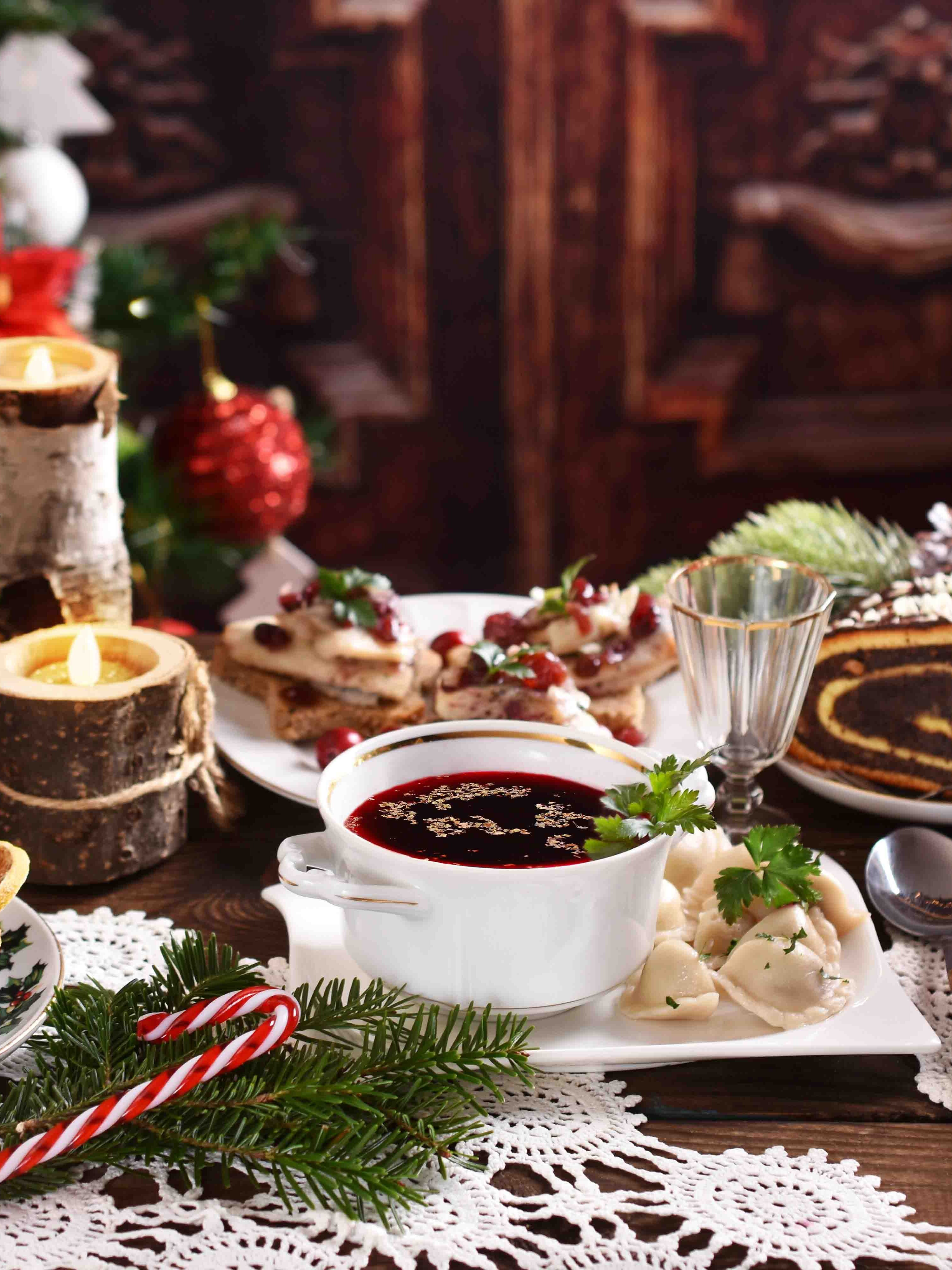
In Poland, Christmas Eve is celebrated with a meal called Wigilia, which begins only after the first star appears in the night sky, just like the Star of Bethlehem. Before eating, families share oplatek, a thin wafer similar to a communion host, breaking off pieces and offering well wishes to one another.
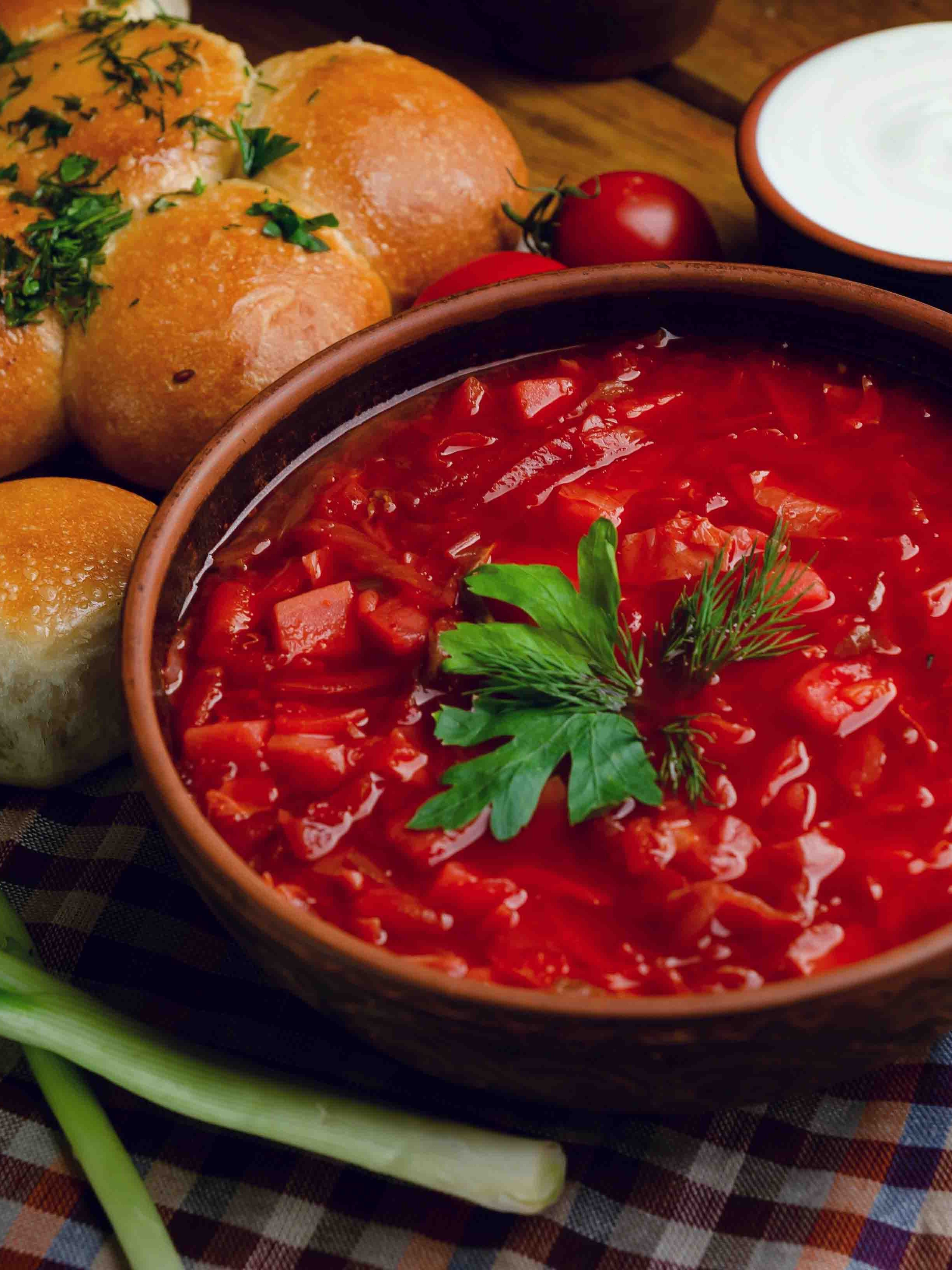
Traditionally, the Wigilia feast includes twelve meatless dishes, representing the twelve apostles. Staples include barszcz (beet soup) with mushroom dumplings, pierogi, and fried carp. An extra place setting is often left at the table for an unexpected guest or in memory of deceased family members, reflecting the holiday’s focus on hospitality and remembrance.
8. Réveillon (France & French-Speaking Countries)
Christmas Eve dinner in France is known as Réveillon, a word derived from “réveil,” meaning “waking.” It refers to the late-night meal that often stretches until the early hours of Christmas morning. The menu varies by region but often includes oysters, foie gras, escargot, and roasted meats like goose or capon.
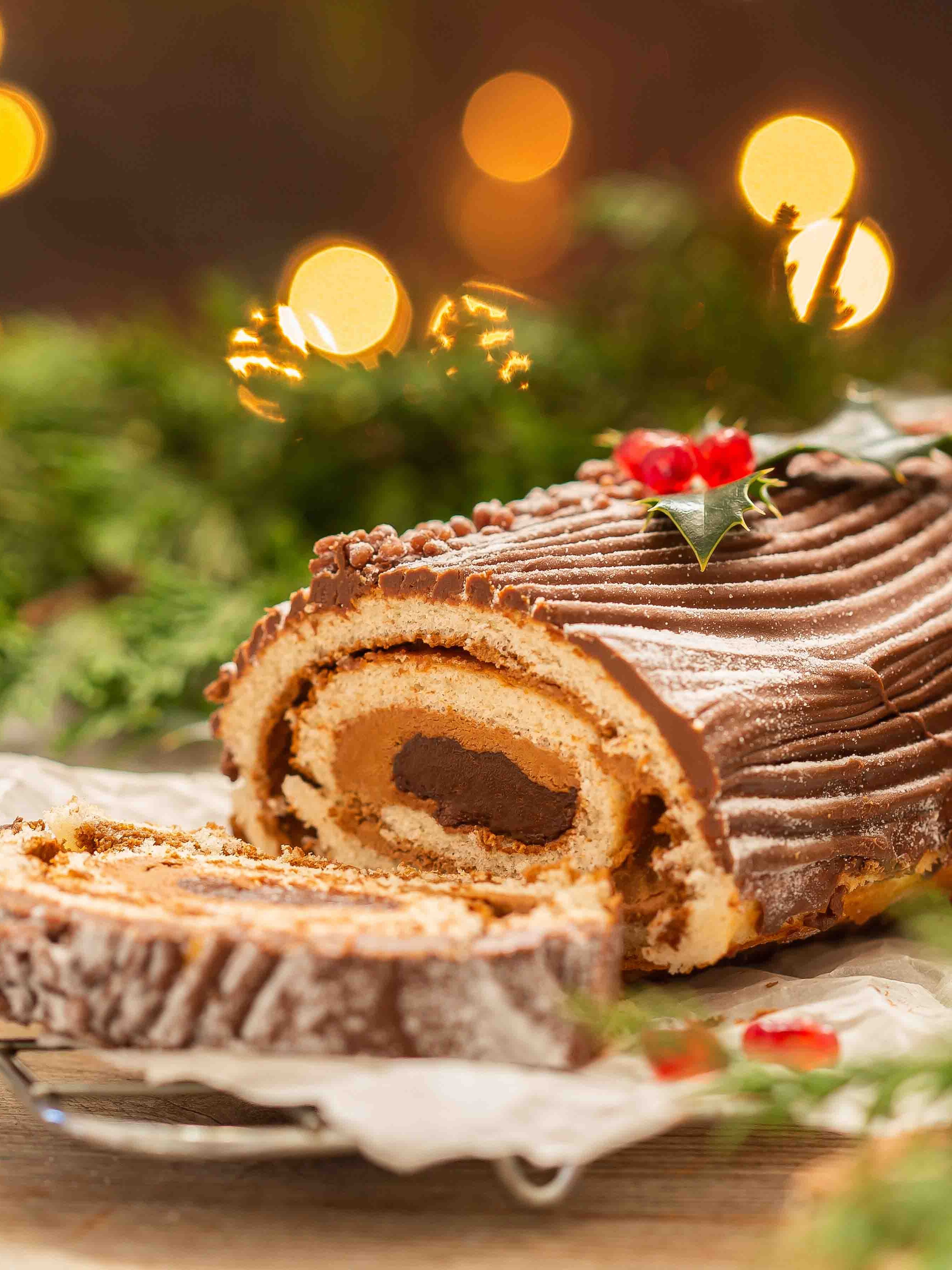
No Réveillon is complete without the Bûche de Noël, a decadent cake shaped like a log and decorated to resemble bark, often with meringue mushrooms on the side. The tradition of Réveillon has also spread to French-speaking regions like Quebec and parts of Louisiana, where it’s been adapted to include local ingredients and flavors.
9. KFC’s Cousin: Christmas Eve Seafood in Portugal
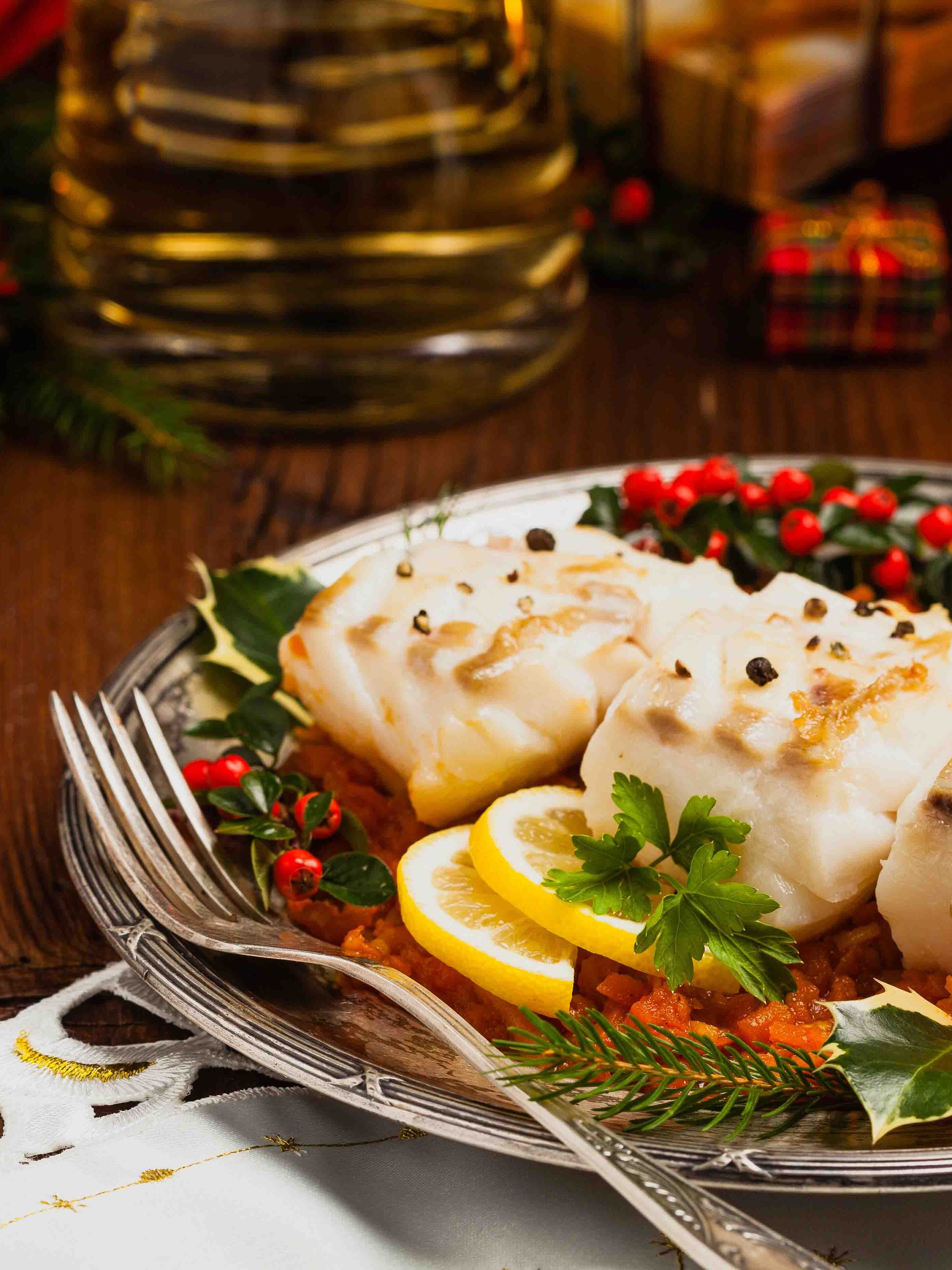
Christmas Eve in Portugal is known as Consoada. It centers around a dish called bacalhau, or salted codfish, typically boiled and served with potatoes, cabbage, and hard-boiled eggs. This humble yet beloved dish is deeply tied to Portugal’s seafaring history and Catholic tradition of abstaining from meat.
After the meal, families attend Missa do Galo, or “Mass of the Rooster.” It is a midnight service named for the legend that a rooster crowed at the moment of Christ’s birth. Dessert tables are typically stacked with sweets like rabanadas, Portugal’s version of French toast soaked in wine or milk, and bolo rei, a festive fruitcake shaped like a crown.
10. Julbord and the Christmas Eve Gift Exchange (Sweden)
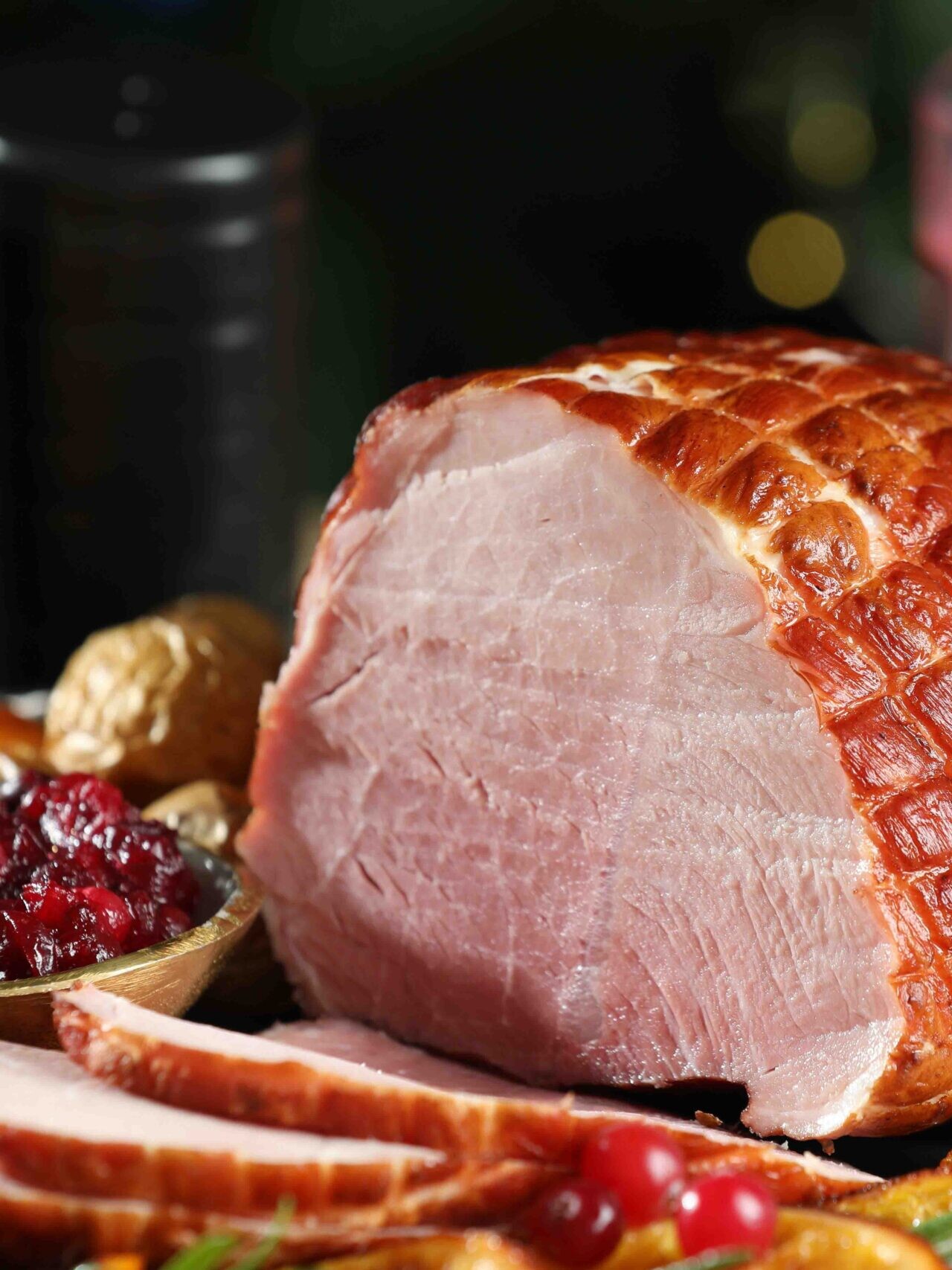
In Sweden, Christmas Eve, or Julafton, is considered the main event of the holiday season, even more so than Christmas Day itself. Families gather around a julbord, a lavish smorgasbord featuring dishes like pickled herring, gravlax, meatballs, and a baked ham called julskinka.
A beloved Christmas tradition unique to Sweden is watching Kalle Anka, a television special featuring Donald Duck cartoons.This show has aired every year since 1959 and remains one of the most-watched programs in the country. Afterwards, families exchange gifts, often delivered by a figure called Jultomten, who is a gift-giving gnome rather than the more widely known Santa Claus.
11. Simbang Gabi and Beyond: Christmas Markets in Germany
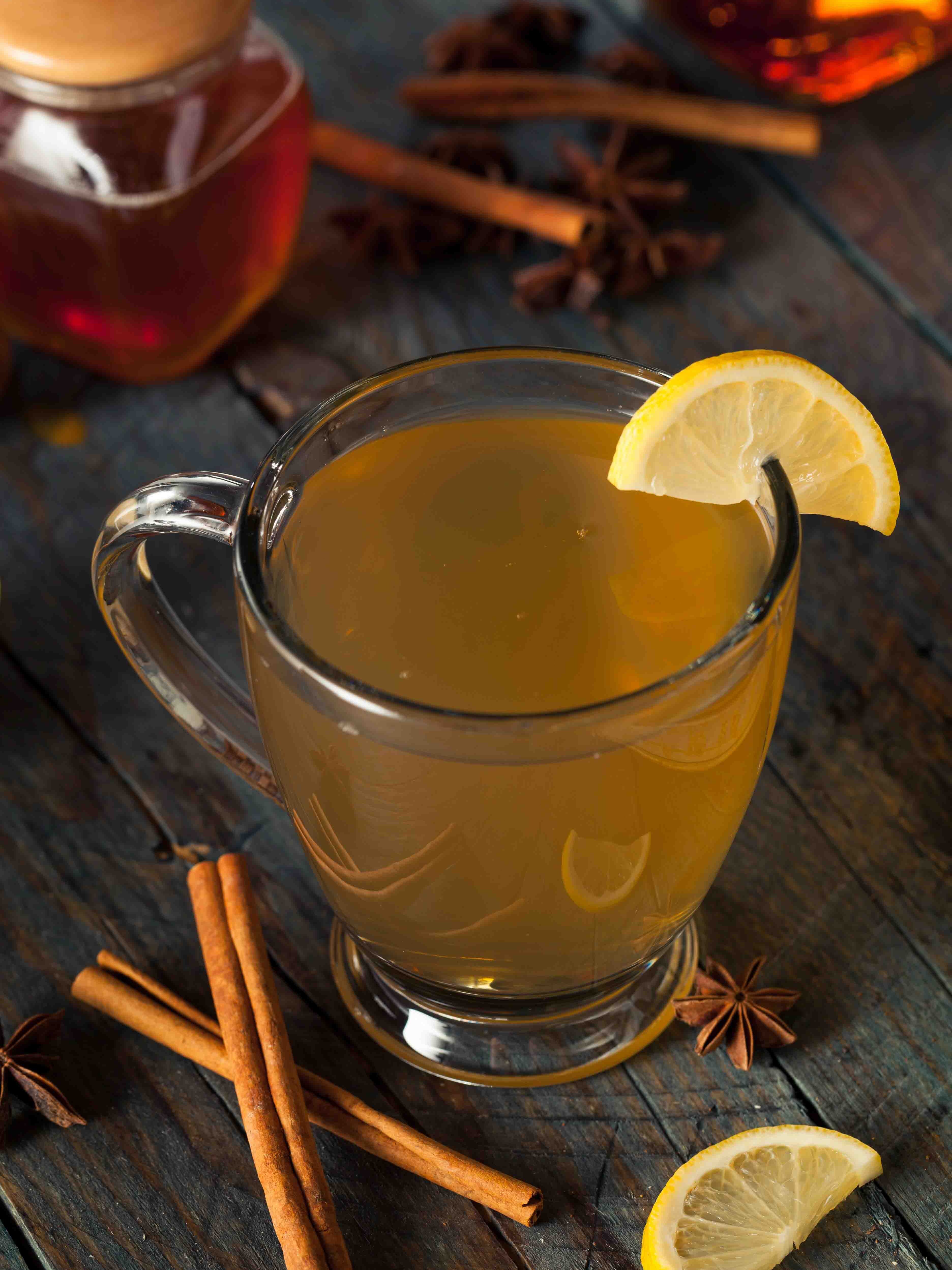
Germany is known for its Christmans markets or Christkindlmarkts all over the world. During the weeks leading up to Christmas Eve, these festive outdoor markets are filled with mulled wine, roasted chestnuts, and handcrafted ornaments.
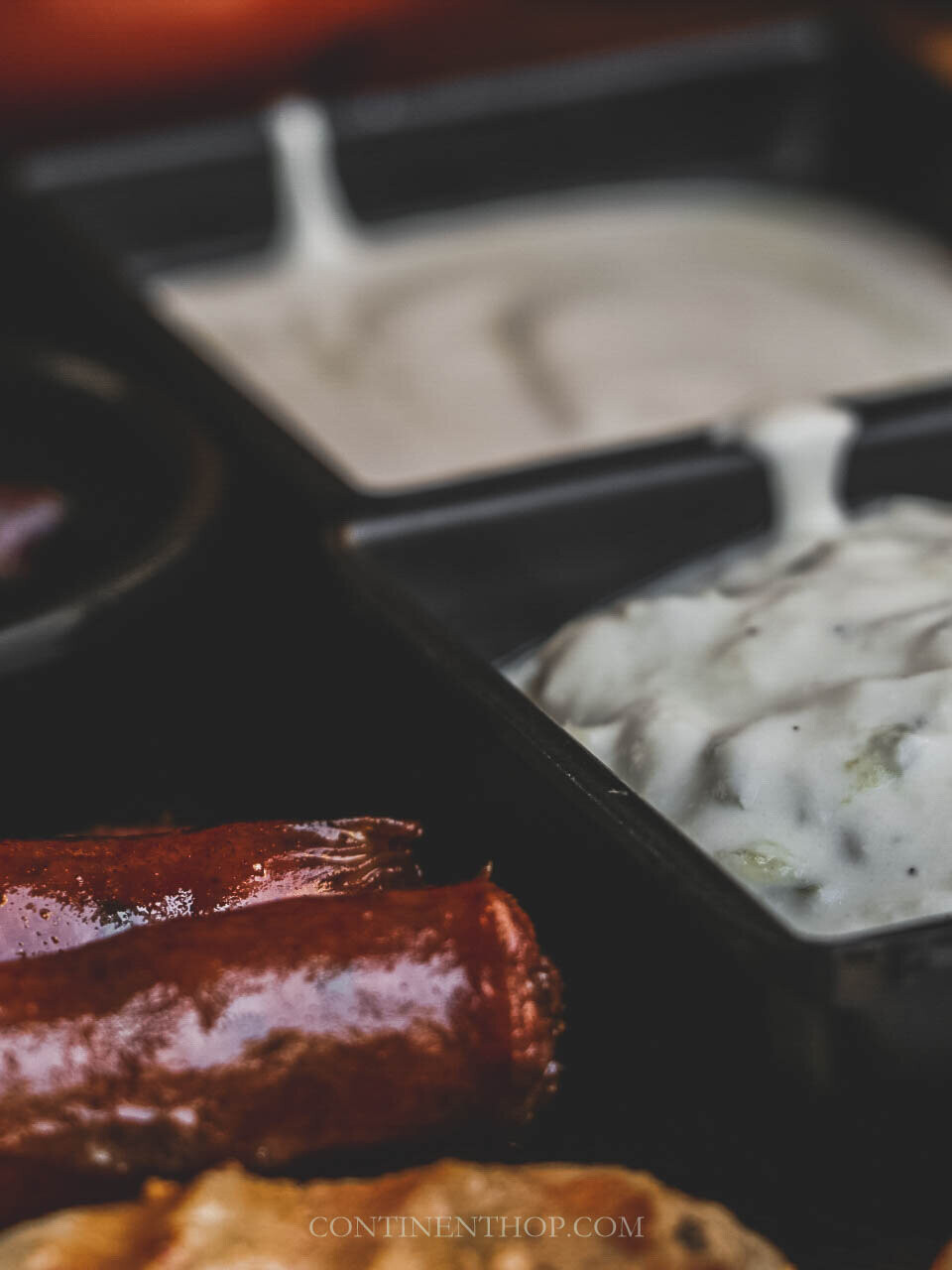
On Christmas Eve itself, known as Heiligabend, families attend church before returning home for a meal that traditionally includes potato salad and sausages,a simple contrast to the more elaborate feast reserved for the following day.
Gift-giving typically happens on Christmas Eve rather than Christmas morning, with presents said to be delivered by the Christkind, an angel-like figure, rather than Santa Claus.
Christmas in Germany is a unique balance of spirituality and celebration, blending solemn tradition and festive markets.
Bringing the World to Your Table
From the seven fishes of Italy to the fried chicken buckets of Japan, Christmas Eve traditions reveal just how creatively different cultures celebrate connection, faith, and food. What unites these customs is the universal desire to gather loved ones together and mark the occasion with something meaningful.
This year, consider weaving one of these traditions into your own holiday celebration. Maybe it’s trying your hand at homemade tamales, leaving an extra seat at the table, or simply curling up with a new book and a cup of cocoa.

PIN FOR LATER!
EXPLORE MORE FOOD
Some of the links on this post are affiliate links. These do not cost you extra to use, but will help provide Continent Hop with a small commission if/when you purchase through them, to recover some of the costs of running this website and providing free content to help you plan your travel. I appreciate your support!