
It’s hard to leave Ireland without taking a piece of it with you. Sometimes it’s the sound of rain on an old slate roof, or the way strangers fall into easy conversation at a bus stop. The light changes by the minute, soft one moment and silver the next, and you start to understand why writers and painters keep coming back.
For a small island, it feels vast inside its quiet places: the green hills that never quite stop rolling, the smell of turf smoke in the evening, the slow rhythm that seeps into you after a few days. Ireland doesn’t rush anyone.
It offers space, a bit of mystery, and the kind of warmth that isn’t for show. Spend long enough here and you stop trying to plan it all. You just listen, watch, and let the country reveal itself at its own pace.
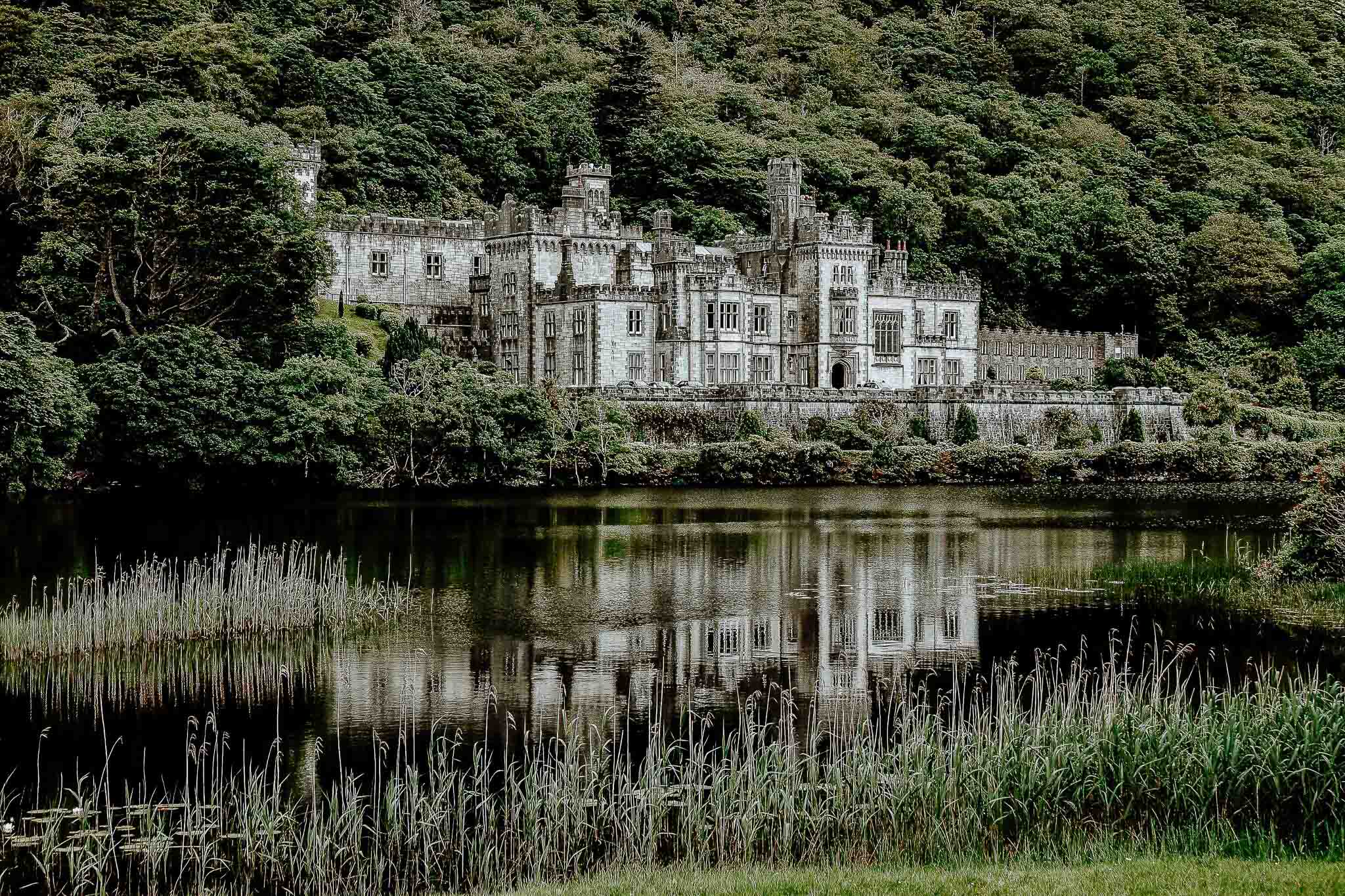
Dublin City Life
Dublin is never still. The city hums with the sound of footsteps, buskers, and the constant rise and fall of voices. Walk down Grafton Street and you’ll hear a dozen languages, the mix of laughter and music bouncing off the stone. The air smells of roasted coffee and rain.
It’s a city that tells stories without needing to try. In a single morning you might pass a plaque marking a poet’s home, an old shopkeeper sweeping the pavement, and a crowd waiting outside a bakery for bread that always sells out first. The past and present rub shoulders in every street corner.
When the light fades, Dublin softens. You might find yourself in a pub where the fiddle player doesn’t stop even when his pint’s gone warm, or sitting by the river watching the city lights ripple on the water.
- People stay out late but not frantically so; they’re there to talk, not to rush. Some settle in for live music, others linger over a meal, or unwind with a pint and a few quiet games on a licensed online casino in Ireland. Whatever you do, the city moves at its own pace, inviting you to do the same.
The Wild Atlantic Way
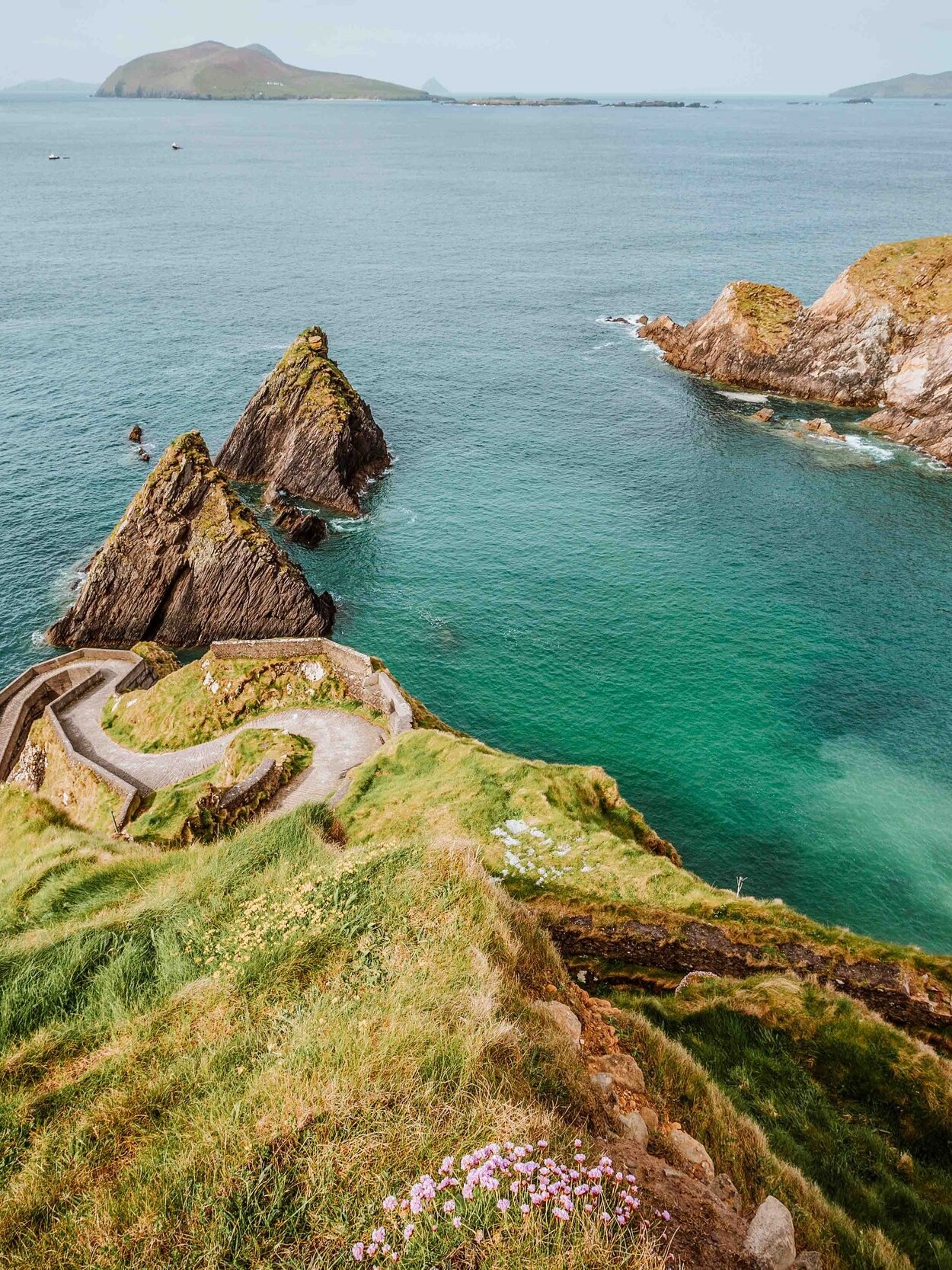
If Dublin feels like a conversation, the west coast is a pause. The Wild Atlantic Way runs for more than two thousand kilometres, tracing a coastline that seems to shift with every turn. The road follows cliffs and headlands, drops into fishing towns, then rises again to views that make you stop in the middle of the lane just to look.
Galway makes a good place to start. It’s full of music and movement, but you only need to drive twenty minutes before the city noise fades. Beyond it are stretches of bogland and stone walls that look almost prehistoric. The air tastes of salt.
Further south, the Burren feels otherworldly, its pale limestone cracked like old skin. In Clare, the Cliffs of Moher rise straight out of the sea, while Doolin’s pubs fill with fiddles and voices when the wind comes in off the Atlantic.
Keep going to Kerry and you’ll find roads that twist through green mountains, villages painted in every colour imaginable, and skies that change by the minute.
It’s hard to rush here, even if you try. The road demands patience, and that’s part of its pull. The further you go, the smaller everything else feels, until all that’s left is you, the car, and the sound of the ocean below.
The Cultural Heartlands
Away from the coasts, travelling in Ireland feels quieter but no less alive. The middle of the country holds its own kind of beauty, built from stories rather than scenery. In the Boyne Valley, the prehistoric mound at Newgrange still catches the winter light, just as it has for thousands of years.
The Rock of Cashel stands tall above Tipperary, a shape you can spot from miles away, and the old monasteries of Offaly and Laois sit beside rivers that move as slowly as the clouds above them.
In small towns, heritage isn’t behind glass. It lives in the local GAA pitch, the village festival, the man who tells you where to find the best brown bread. Museums and ruins tell part of the story, but so do markets, football matches, and evening walks through quiet streets where everyone says hello.
This part of Ireland invites you to look closer. The landmarks are here, yes, but the heart of it is in the small details, the kind you only notice when you’ve stopped hurrying.
Local flavours and the Irish welcome
Food in Ireland tells its own stories. In Galway or Cork, you can eat oysters straight from the bay, or fish and chips so fresh the paper steams in your hands. Farmers’ markets fill the air with the smell of fresh bread, apples, and smoked cheese. Even a simple bowl of soup in a small-town café tastes like someone actually cared about it.
Meals here aren’t rushed. They stretch into conversations, laughter, and that gentle Irish habit of making you feel like you belong, even if you only met five minutes ago. People want to know where you’re from and where you’re headed next, and they’ll probably have a suggestion for a better route.
It’s that mix of friendliness and unpretentious pride that stays with you. Ireland isn’t just about the sights; it’s about how you’re treated while you’re seeing them. Long after you’ve left, you’ll still hear the voices and remember how easy it felt to sit down, eat well, and be part of the place, even for a short while.

PIN FOR LATER!
EXPLORE MORE OF IRELAND

Some of the links on this post are affiliate links. These do not cost you extra to use, but will help provide Continent Hop with a small commission if/when you purchase through them, to recover some of the costs of running this website and providing free content to help you plan your travel. I appreciate your support!